
Sauces & Condiments
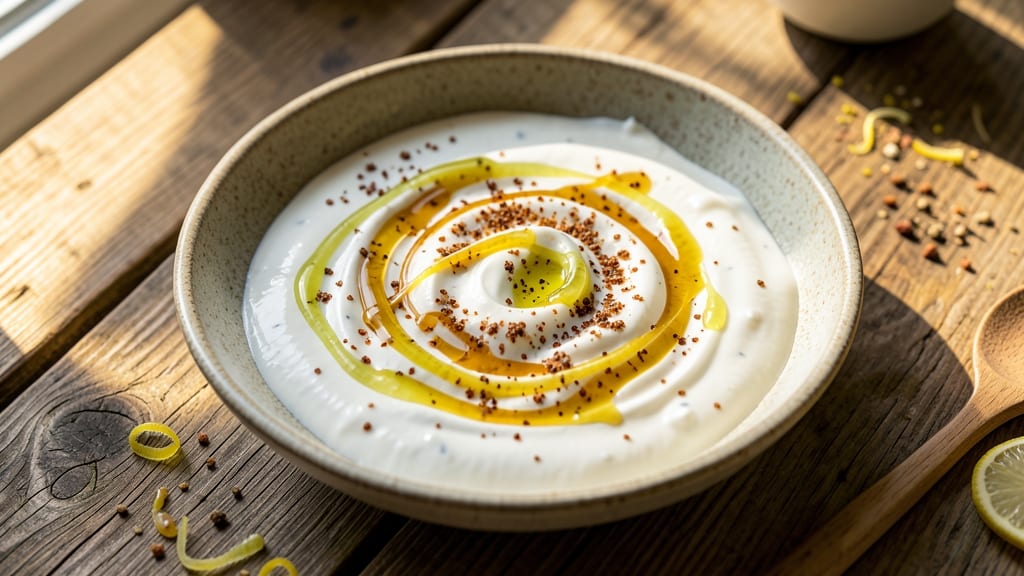
This low acid salad dressing recipe is a game-changer for anyone who dreads the sharp bite of traditional vinaigrettes. Designed to protect tooth enamel while delivering rich, complex flavors, it replaces harsh vinegar with gentle apple cider and creamy yogurt—perfect for sensitive teeth or frequent salad lovers.
The secret lies in balancing olive oil, mild vinegar, and a touch of honey for sweetness without overpowering acidity.
The dressing emulsifies effortlessly thanks to Dijon mustard and a splash of lemon juice (just enough for tang, not sting), creating a velvety texture that clings beautifully to greens. Unlike store-bought versions, this recipe avoids artificial preservatives and lets fresh herbs shine—think dill, parsley, or basil—adding brightness without bite.
It’s ideal for leafy salads, grain bowls, or even as a marinade for delicate fish.
What sets this apart is its tooth-friendly profile while maintaining bold flavor—no more wincing after every bite. The dressing stays fresh for up to a week in the fridge, making it a reliable pantry staple.
Whether you’re prepping meals for the week or craving a gentle yet flavorful drizzle, this recipe delivers restaurant-quality results at home.
Pair it with buttery lettuces, roasted vegetables, or grilled chicken for a harmonious balance. The mild acidity ensures it won’t clash with sensitive palates, yet the depth of flavor keeps every bite exciting. Ready to transform your salads? Let’s make it.
Ingredients for low acid salad dressing
Nine simple ingredients transform into a velvety dressing that protects teeth while delivering vibrant flavor.
| Ingredient | Amount | Notes |
|---|---|---|
| Extra-Virgin Olive Oil 🫒 | ¾ cup | Light, fruity variety preferred |
| Plain Greek Yogurt 🥛 | ½ cup | Nonfat or full-fat, unsweetened |
| Apple Cider Vinegar 🍏 | 2 tbsp | Mild acidity, not white vinegar |
| Raw Honey 🍯 | 1 ½ tbsp | Local or Manuka preferred |
| Dijon Mustard 🌶️ | 1 tbsp | High-quality, smooth variety |
| Fresh Lemon Juice 🍋 | 1 tbsp | Freshly squeezed, no pulp |
| Dried Dill 🌿 | 1 tsp | Or 1 tbsp fresh, finely chopped |
| Fresh Parsley 🌿 | 2 tbsp | Finely chopped, stems removed |
| Kosher Salt 🧂 | ½ tsp | Diamond Crystal preferred |
| Freshly Ground Black Pepper 🌶️ | ¼ tsp | Cracked peppercorns preferred |
The olive oil and Greek yogurt form the base, so quality matters here. Extra-virgin olive oil with a light, fruity profile prevents bitterness, while plain Greek yogurt adds creaminess without overpowering. For the best results, source apple cider vinegar from a reputable brand like Bragg—avoid harsh white vinegar, which can irritate sensitive teeth. Honey should be raw and locally sourced if possible, as it retains more enzymes and antioxidants, enhancing the dressing's gentle sweetness. Dijon mustard from Maille ensures a smooth, rich texture without graininess.
No Greek yogurt? Vegan yogurt or sour cream works equally well for creaminess, though texture may vary slightly. Substitute honey with maple syrup for a vegan option, though flavor will differ subtly. Fresh herbs are ideal, but dried dill or parsley at one-third the amount will suffice in a pinch. For extra tooth enamel protection, add 1 tsp almond butter to the base—its mild fat content helps neutralize acidity. If you prefer a tangier profile, increase lemon juice by 0.5 tbsp, but be cautious with sensitive teeth.
Store the dressing in an airtight glass jar in the refrigerator for up to 7 days. The yogurt and herbs may separate slightly over time—simply whisk before use. For longer storage, freeze in 1-ounce portions, thawing overnight in the fridge. To maintain freshness, add a thin layer of olive oil on top before sealing. This dressing pairs beautifully with delicate greens, roasted vegetables, or grilled proteins, offering a gentle yet flavorful alternative to traditional vinaigrettes.
Why You'll Love This Recipe
- No Whisk Needed: I swear by this one—just dollop the yogurt, drizzle the olive oil, and stir. The mustard and honey blend right in without a fight, and honestly? My lazy Sundays thank me every time.
- Sweet-Tangy Magic: That honey and apple cider vinegar combo? It’s the kind of balance that makes you pause mid-bite. Creamy, bright, and just sharp enough—not cloying, not bitter, but exactly right.
- Potluck Proven: I’ve taken this to picnics, BBQs, and even my mom’s Thanksgiving table. It works on greens, roasted veggies, or even as a dip for crudités. No one ever asks what’s in it—they just keep coming back for seconds.
- Lasts All Week: Between us, I make a big batch on Sunday and it’s still good by Friday. The yogurt thickens it perfectly, so it doesn’t go rancid, and the olive oil keeps it luscious. Plus, it’s cheaper than buying fancy dressings—win-win.
Step-by-step instructions for low acid salad dressing
This method delivers a velvety dressing with balanced flavor and gentle acidity.
Whisk Together the Base Ingredients
In a medium bowl, combine the 0.75 cup extra-virgin olive oil with the 0.5 cup plain Greek yogurt. Use a whisk to emulsify these ingredients until they form a smooth, creamy base. The olive oil should be at room temperature for best results—cold oil creates separation. Whisk vigorously for about 1-2 minutes until the mixture thickens slightly and becomes homogeneous.
This foundational step creates the dressing's rich texture. The Greek yogurt provides a tangy backbone while keeping acidity mild, making this ideal for sensitive teeth. If you notice any oil separation at this stage, don't worry—it will fully emulsify as you add the remaining ingredients.
Incorporate the Sweet and Tangy Components
Add the 1.5 tablespoons raw honey, 2 tablespoons apple cider vinegar, and 1 tablespoon Dijon mustard to the oil-yogurt mixture. Whisk continuously for 2-3 minutes until everything is fully combined. The honey will mellow the vinegar's sharpness while adding subtle sweetness, and the Dijon mustard contributes depth without overpowering the delicate balance.
At this point, the dressing should begin to thicken noticeably. If it appears too thick, you can thin it slightly with 1-2 teaspoons of water later. The key is to whisk steadily—this prevents lumps and ensures the honey dissolves completely. The apple cider vinegar provides just enough acidity without the harshness of white vinegar.
Add the Acidic and Herbal Elements
Stir in the 1 tablespoon fresh lemon juice, 1 teaspoon dried dill, and 0.5 teaspoon kosher salt. The lemon juice adds a bright, citrus note that complements the honey's sweetness. The dried dill contributes an earthy herbal quality that pairs beautifully with the olive oil's fruity undertones. Mix well to distribute these ingredients evenly throughout the dressing.
This is where the dressing's character really develops. The lemon juice should enhance, not dominate—the goal is a subtle tang rather than a sharp bite. If using fresh dill instead of dried, measure out 2 tablespoons finely chopped and add it now. The salt should be sprinkled gradually to taste, as some yogurts already contain sodium.
Finish with Fresh Herbs and Seasoning
Fold in the 2 tablespoons fresh parsley and 0.25 teaspoon freshly ground black pepper using a rubber spatula. The parsley adds a fresh, slightly peppery note that brightens the dressing, while the black pepper introduces a subtle heat. Gently stir just until the parsley is evenly distributed—overmixing can break down the herbs' delicate flavor.
Taste the dressing and adjust seasoning if needed. You might want to add a touch more honey for sweetness, a splash of apple cider vinegar for acidity, or a pinch of salt for balance. The dressing should coat the back of a spoon with a silky texture, neither too thick nor too thin. For best results, let it rest for 10-15 minutes before using—this allows the flavors to meld completely.
Store and Use Properly
Transfer the dressing to a clean, airtight container and refrigerate for up to 5 days. The flavors will continue to develop slightly in the fridge, becoming more harmonious over time. Before using, give it a good stir—Greek yogurt-based dressings naturally separate slightly when refrigerated, but they re-emulsify easily with whisking.
This dressing works beautifully on mixed greens, grain salads, or as a marinade for grilled vegetables. Its gentle acidity makes it ideal for those with sensitive teeth or acid reflux concerns, while the rich olive oil and honey ensure it's anything but bland. For extra richness, drizzle over avocado slices or use as a dip for fresh bread.
Pro Tips For Making Low Acid Salad Dressing
- Whisk Slowly First: Start with just the yogurt, honey, and mustard—whisk them together until smooth before adding the oil. I used to dump everything in at once and end up with a clumpy mess, especially when the oil was cold. This way, the mustard emulsifies properly, and the dressing stays silky.
- Use Room-Temp Yogurt: Cold Greek yogurt thickens the dressing and makes it harder to blend. Take it out of the fridge 10 minutes before mixing—it’ll still be cool but much easier to work with. Trust me, your dressing will thank you.
- Measure Vinegar Precisely: Apple cider vinegar is the acid here, and too much will overwhelm the yogurt’s creaminess. Stick to 1 tablespoon per ½ cup yogurt—any more, and you’ll taste sharpness instead of balance. I learned this after ruining a batch with overzealous seasoning.
- Finish with Oil in Streams: After mixing the wet ingredients, drizzle in the olive oil very slowly while whisking constantly. If you pour it all at once, you’ll end up with oil floating on top. This isn’t fancy—it’s just how emulsions work. (Yes, even if you’re impatient like me.)
Creative variations of this low acid salad dressing
Herb-Infused Variations
Swap dried dill for 1 tbsp fresh tarragon or 1 tsp dried thyme to create a French-inspired version. Tarragon adds an anise-like sweetness that pairs beautifully with roasted chicken salads, while thyme brings earthy warmth perfect for hearty winter greens.
I love using 1 tbsp fresh basil instead for a brighter Italian twist—just increase lemon juice to 1.5 tbsp to balance the herbs' intensity. 🌿
Sweet & Nutty Twist
Add 1 tbsp almond butter to the base ingredients for a rich, nutty depth that enhances tooth enamel protection. This version works wonderfully with apple slices or carrot salads.
For extra sweetness, replace honey with 1 tbsp maple syrup>—it adds a caramel-like richness that complements the almond butter's buttery notes. Store this variation in the fridge for up to 4 days to preserve freshness.
Creamy Avocado Base
For a vegan-friendly option, replace Greek yogurt with ½ cup ripe avocado mashed until smooth. The avocado adds healthy fats and a velvety texture while keeping the dressing dairy-free.
Add 1 tbsp lime juice instead of lemon for a citrusy kick, and reduce honey to 1 tbsp> to balance the avocado's natural sweetness. This variation is perfect for grain bowls or zucchini noodles and stays fresh for 3 days in the fridge.
Spicy Kick Option
Incorporate ½ tsp smoked paprika or ¼ tsp cayenne pepper for a subtle heat that doesn’t overpower the gentle acidity. This version pairs exceptionally well with spicy grilled shrimp or black bean salads.
For a smoky depth, add ½ tsp liquid smoke>—just a drop or two goes a long way. Always start with a pinch and adjust to taste, as smoked flavors can intensify when refrigerated. 🌶️
Seasonal Fruit Additions
In summer, stir in 1 tbsp finely diced cucumber or ½ tsp grated ginger> for a refreshing twist. In fall, add 1 tsp grated apple> to enhance the apple cider vinegar’s flavor.
For winter, a pinch of ground cinnamon> adds warmth, especially when paired with roasted Brussels sprouts. These additions should be finely minced or grated to avoid texture issues in the dressing.
Protein-Friendly Adaptations
For a protein boost, whisk in 1 tbsp nutritional yeast> to add a cheesy, umami note that pairs well with grilled tofu or tempeh. Alternatively, blend in 1 tbsp silken tofu> for extra creaminess without altering the dressing’s gentle profile.
These adaptations work best when added at the final step to preserve texture and flavor balance.
Nutrition facts
Frequently asked questions
Why does this dressing feel gentler on my teeth?
The key is replacing harsh vinegars with apple cider vinegar and balancing it with honey and Greek yogurt. Traditional vinaigrettes use white vinegar or lemon juice, which have higher acidity levels that can erode tooth enamel. This recipe keeps acidity low while maintaining flavor through the creamy yogurt base and mild sweetness.
Can I make this dressing without yogurt?
For a dairy-free version, replace the 0.5 cup Greek yogurt with ½ cup ripe avocado (mashed) or 0.5 cup vegan yogurt. The avocado adds healthy fats for creaminess, while vegan yogurt maintains the tangy profile. Just reduce honey to 1 tbsp if using avocado to balance its natural sweetness.
How do I fix dressing that separates in the fridge?
This is completely normal with yogurt-based dressings. Simply whisk or shake the container vigorously for 30 seconds before using. For extra insurance, add 1 tsp Dijon mustard when making it—it acts as a natural emulsifier. If separation persists, stir in 1 tsp water to thin slightly. The dressing will re-emulsify perfectly!
What's the best way to store this dressing?
Transfer to an airtight glass jar and refrigerate for up to 5 days. For longer storage, freeze in 1-ounce portions—thaw overnight in the fridge. Always add a thin layer of olive oil on top before sealing to preserve freshness. The yogurt may thicken when cold, so whisk before using.
Can I use this dressing as a marinade?
Yes! This dressing works beautifully as a gentle marinade for delicate proteins like grilled chicken, fish, or tofu. Marinate for 15-30 minutes max—longer exposure can make proteins mushy. For extra flavor, add 1 tsp soy sauce or ½ tsp garlic powder to the marinade. Just be mindful of the honey's caramelization potential at high heat.