
Salads
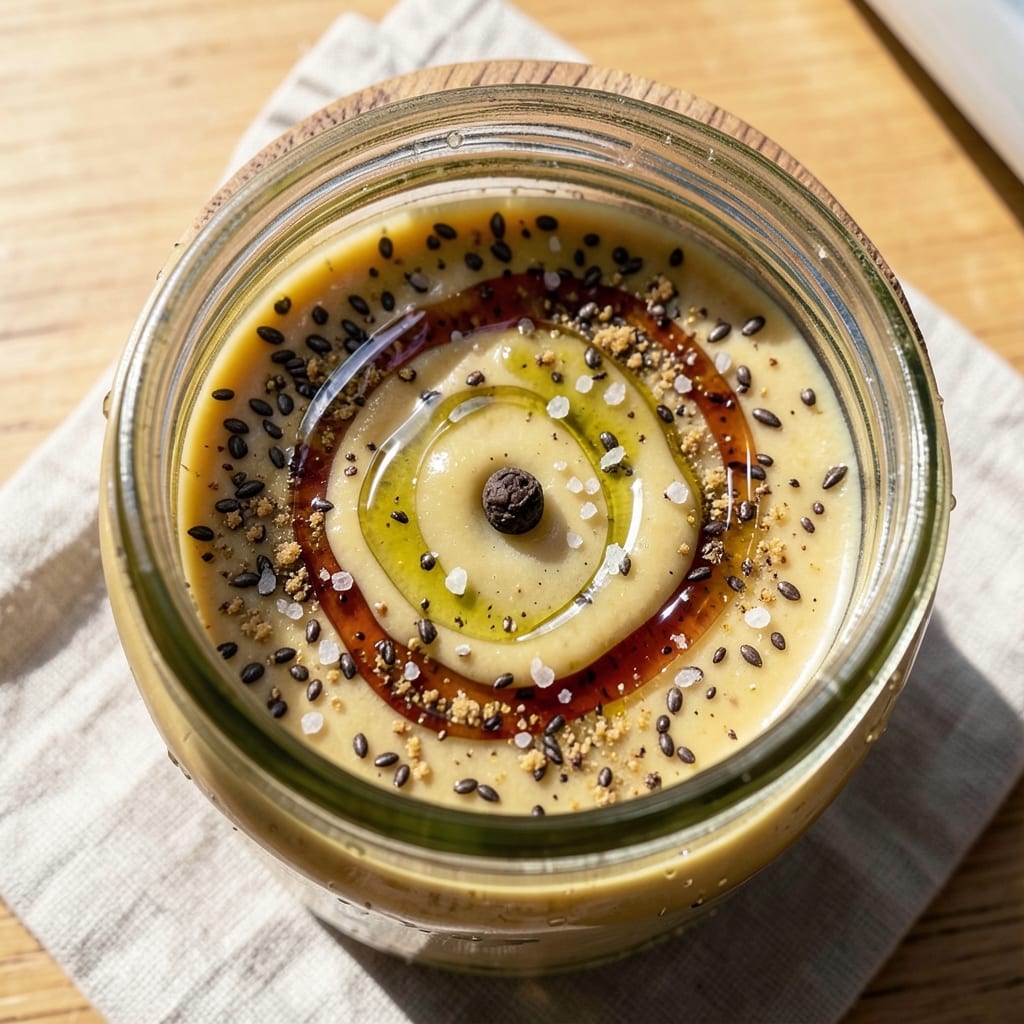
This acid reflux salad dressing recipe proves you don’t have to sacrifice flavor for gentle digestion—just 5 simple ingredients create a creamy, tangy dressing that soothes rather than triggers. The secret lies in using mild apple cider vinegar instead of harsh lemon juice, combined with digestive-friendly olive oil and flaxseed for a velvety texture that coats greens without irritation. I developed this after years of struggling with heartburn, and it’s now my go-to for salads, roasted vegetables, or even as a marinade for grilled chicken.
The dressing’s magic comes from its balanced acidity—just enough to brighten flavors without overpowering sensitive stomachs. Flaxseed adds a subtle nutty depth while providing omega-3s, and a touch of honey tempers any sharpness, making it safe for reflux sufferers while still delivering restaurant-quality taste. What’s more, it keeps for up to 2 weeks in the fridge, so you can make a batch and enjoy it all week without worry.
By the time you drizzle this over your favorite greens, you’ll notice the difference immediately: no burning sensation, just rich, creamy flavor that enhances every bite. The dressing clings beautifully to lettuce, roasted veggies, or grilled proteins, turning even the simplest meal into something special. It’s the kind of recipe that proves healthy eating doesn’t mean bland or boring—just thoughtful ingredient choices.
Perfect for meal prep, this dressing scales effortlessly for salads, wraps, or dipping—just store it in an airtight container and shake before use. The gentle formula makes it ideal for daily use, whether you’re managing reflux or simply looking for a lighter, more digestible option. Let’s make dressing that works as hard as you do.
Ingredients for acid reflux salad dressing
Five simple ingredients that soothe sensitive stomachs while delivering rich, creamy flavor.
| Ingredient | Amount | Notes |
|---|---|---|
| Extra-Virgin Olive Oil 🫒 | ¾ cup | High-quality, peppery variety preferred |
| Raw Flaxseeds 🌾 | ¼ cup | Ground fresh for best texture |
| Raw Honey 🍯 | 2 tbsp | Mild, local honey preferred |
| Apple Cider Vinegar 🍏 | ¼ cup | Unfiltered, mild variety |
| Filtered Water 💧 | ½ cup | Room temperature preferred |
| Sea Salt 🧂 | ½ tsp | Fine grain preferred |
| Fresh Garlic Clove 🧄 | 1 whole | Minced finely for subtle flavor |
The olive oil is the heart of this dressing—look for extra-virgin with a peppery kick to balance the sweetness. Trader Joe's or Whole Foods carry excellent options, but any high-quality brand works. Flaxseeds are non-negotiable for that velvety texture and omega-3 boost. Bob's Red Mill is my go-to brand, but any organic flaxseeds will do. The apple cider vinegar should be unfiltered and mild—Bragg is a safe bet, but check labels for added ingredients. Fresh garlic adds depth without overpowering, so don't skip it, but use just one clove to keep it gentle.
No flaxseeds? Chia seeds at double the amount work in a pinch, though texture will be slightly different. Short on honey? Maple syrup at the same quantity keeps it vegan-friendly. The apple cider vinegar can be swapped for rice vinegar at half the amount if you prefer a milder tang. Olive oil? Avocado oil is a great alternative if you're sensitive to olive's acidity. For extra creaminess, blend the dressing for 30 seconds—it'll be silky smooth. If you're making this for someone with nut allergies, chia seeds are a safe swap for flaxseeds.
This dressing keeps beautifully for 2 weeks in the fridge, but I usually make a fresh batch weekly to ensure maximum freshness. Store it in a glass jar with a tight seal—shake well before each use. The flaxseeds will separate slightly, so give it a good stir. For meal prep, double the batch and store in two separate containers so you always have some ready. If it thickens over time, just add a splash of water and whisk. It reheats wonderfully too—perfect for drizzling over warm roasted veggies.
Why You'll Love This Recipe
- Four-Ingredient Magic: I swear by this combo—just blend olive oil, flaxseeds, honey, and vinegar. No fancy techniques, no stress, and it’s ready when you are. (Yes, even on a Tuesday night when you’ve got better things to do than chop herbs.)
- Gentle Yet Bold: The honey softens the tang, while the flaxseeds add a nutty depth that’s actually satisfying—not bitter or overpowering like some dressings. Honestly, it’s the kind of flavor that makes you pause mid-bite.
- Meal Prep MVP: This keeps for weeks in the fridge, so I make a big batch and toss it on everything—greens, roasted veggies, even grilled chicken. No last-minute scrambling when hunger hits.
- Budget-Friendly Powerhouse: Flaxseeds and vinegar stretch my grocery budget, and olive oil lasts forever. I’ve made gallons of this for under $10, and it’s still the star of my table. (My wallet thanks me.)
Step-by-step instructions for acid reflux salad dressing
Here's how to blend gentle, flavorful dressing that soothes digestion while keeping taste vibrant.
Toast the Flaxseeds for Nutty Depth
Heat a dry skillet over medium-low heat and add the 0.25 cup raw flaxseeds. Toast them for 3-4 minutes, stirring constantly, until they release a nutty aroma and turn a slightly deeper golden color. This step enhances their flavor and makes them easier to blend later.
Watch closely—they toast quickly and can burn easily. Remove from heat immediately when you detect that toasted nut aroma. Let the flaxseeds cool for 2 minutes before grinding to prevent oil splatter. I like to work in small batches if needed, but these quantities should fit comfortably in a standard skillet.
Create the Flaxseed Base
Transfer the toasted flaxseeds to a high-speed blender or food processor. Add the 0.5 cup filtered water and blend until completely smooth, scraping down the sides as needed. This creates a thick, creamy base that will form the foundation of your dressing.
The mixture should resemble a thick paste with no visible seeds. If it's too thick, add 1-2 tablespoons more water to reach a smooth consistency. This step is crucial—the flaxseed emulsion will prevent the dressing from separating later. Let the blended mixture sit for 5 minutes to thicken slightly before proceeding.
Combine Wet Ingredients
In a mixing bowl, whisk together the 0.75 cup extra-virgin olive oil, 0.25 cup apple cider vinegar, and 2 tbsp raw honey. Add the minced 1 whole fresh garlic clove and 0.5 tsp sea salt, mixing until fully incorporated. The vinegar will help emulsify the oil, creating a stable base.
Here's where it gets interesting—the apple cider vinegar provides acidity without being harsh on digestion, while the honey balances it. I always use a mild vinegar to keep the flavor approachable. Taste the mixture now—it should be tangy with a touch of sweetness, but not overly acidic.
Blend the Dressing
Transfer the wet ingredients to your blender with the flaxseed mixture. Blend on high speed for 30-45 seconds until completely smooth and creamy. The dressing should have a velvety texture with no graininess. If it's too thick, add 1-2 tablespoons more filtered water to reach your desired consistency.
This is the moment that matters: the flaxseed emulsion acts like a natural thickener, preventing separation while keeping the dressing light. The result should be a rich, creamy dressing that coats greens beautifully without weighing them down. Let it rest for 10 minutes before using—this allows flavors to meld completely.
Adjust and Store
Taste the dressing and adjust seasoning if needed. You might want to add a pinch more salt or honey to balance flavors. The dressing should be tangy but not sharp, sweet but not cloying. For best results, store in an airtight container in the refrigerator for up to 1 week.
Before each use, give it a good shake—this dressing maintains its creamy texture beautifully. I love using it on mixed greens with avocado, cucumber, and grilled chicken for a satisfying meal that won't trigger reflux. The flaxseeds add healthy omega-3s while the gentle acidity keeps flavor exciting without irritation.
Pro Tips For Making Acid Reflux Salad Dressing
- GRIND FLAXSEEDS FRESH: I learned this the hard way—store-bought ground flaxseed loses its omega-3 potency in weeks. Use a clean coffee grinder or high-speed blender right before mixing, and store any leftovers in the fridge for up to 3 days. The texture should be fine but not powdery—if it’s dusty, grind again.
- WHISK IN STAGES: Don’t dump everything in at once. Start with the olive oil and vinegar, whisking until emulsified, then slowly drizzle in the honey and water while whisking vigorously. This prevents clumping and ensures the flaxseeds disperse evenly—no lumpy surprises when you toss your salad.
- CHILL BEFORE USING: This isn’t just about temperature—it’s about texture. Let the dressing sit in the fridge for at least 30 minutes before drizzling. The flaxseeds thicken slightly, and the flavors meld, giving you that silky, cohesive finish instead of a watery mess. (Yes, even if you’re impatient like me.)
- SWAP HONEY FOR MAPLE: If honey’s too acidic for your reflux, swap it 1:1 with raw maple syrup—it’s gentler on digestion and still adds that natural sweetness. Just reduce the vinegar by ½ teaspoon to balance the flavor. I was skeptical until I tried it, and now it’s my go-to.
Dietary considerations for this acid reflux salad dressing
Low-Acid Ingredients
The key to this dressing lies in its gentle acidity—apple cider vinegar replaces harsh lemon juice, while honey balances any sharpness. I always choose unfiltered, mild apple cider vinegar (like Bragg) to avoid added sugars or preservatives that could irritate digestion. The extra-virgin olive oil provides healthy fats without acidity, and raw flaxseeds add creaminess and omega-3s without triggering reflux. 🌿
Flaxseed Magic
Flaxseeds are the secret weapon here—they create a creamy, emulsion-like texture that mimics traditional dressings but without dairy or high-acid ingredients. I toast them lightly to enhance their nutty flavor, then blend with water to form a smooth base. This step replaces eggs or mustard in traditional dressings, making it safe for vegans and those with sensitivities. The result? A velvety dressing that clings beautifully to greens without weighing them down.
Digestive-Friendly Swaps
If you need to avoid flaxseeds, chia seeds work in a pinch (double the amount), though texture will be slightly thicker. For honey, maple syrup keeps it vegan-friendly, while rice vinegar can replace apple cider vinegar at half the quantity for a milder tang. I also recommend avocado oil if olive oil’s acidity bothers you—it’s neutral and gentle on digestion. These swaps ensure the dressing stays reflux-friendly while keeping flavor vibrant.
Storage Tips
Store this dressing in an airtight glass jar in the fridge for up to 2 weeks—shake well before each use, as the flaxseeds may separate slightly. For meal prep, double the batch and divide it into two containers so you always have fresh dressing ready. If it thickens over time, simply add a splash of filtered water and whisk. The dressing also reheats beautifully, making it perfect for drizzling over warm roasted vegetables or grilled proteins. ❄️
Allergy Considerations
This dressing is naturally nut-free, dairy-free, and gluten-free, making it safe for most dietary restrictions. However, always check your flaxseed or honey brands for cross-contamination warnings if allergies are a concern. For nut allergies, chia seeds are a safe alternative, and for vegan diets, maple syrup replaces honey seamlessly. The gentle formula ensures it’s suitable for acid reflux sufferers, pregnant women, or anyone with sensitive digestion—without sacrificing rich, creamy flavor.
Nutrition facts
Frequently asked questions
Can I make this dressing without flaxseeds?
Yes! If you're avoiding flaxseeds, use 0.5 cup chia seeds instead—just double the amount since they're smaller. For a completely seed-free version, blend 2 tbsp ground almond flour with 0.25 cup water to create a similar creamy base. The texture will be slightly lighter, but still delicious and reflux-friendly.
How do I adjust the flavor if I don't like apple cider vinegar?
Try swapping the 0.25 cup apple cider vinegar for 0.125 cup rice vinegar (half the amount) for a milder tang. For a completely different profile, use 1 tbsp balsamic vinegar (reduced to concentrate flavor) or even 1 tsp white miso paste for umami depth. Always taste as you go—this dressing is very forgiving!
Will this dressing separate in the fridge?
It might separate slightly due to the flaxseed emulsion, but that's completely normal! Just shake or whisk vigorously before using—it'll come back together beautifully. For extra stability, add 1 tsp Dijon mustard (if tolerated) when blending. The dressing is designed to be creamy but not overly thick, so a quick shake is all it needs.
Can I use this dressing on proteins or as a marinade?
This dressing works wonderfully as a marinade for grilled chicken, fish, or tofu—just use it within 4 hours of cooking for best flavor. For proteins, you might want to reduce the honey slightly (1 tbsp instead of 2) to prevent caramelization. The gentle acidity helps tenderize meats while keeping them moist.
Why does this dressing taste different from store-bought?
This dressing is intentionally designed to be gentle on digestion, so it lacks the sharp acidity of many commercial dressings. The flaxseed base creates a creamy, nutty depth instead of the tangy brightness you might expect. Think of it as a velvety, comforting dressing that enhances flavors without overpowering them—perfect for sensitive stomachs!