
What changed, and what it changed for you
When *Salad Recipes 101* began, it was a scrappy collection of ideas—some borrowed, some half-tested. The recipes were good enough, but they weren’t *ours*. There was no real process, just whatever Fiona could throw together between other projects.
The photos were whatever free stock image fit the theme, and the writing leaned too much on food blogs that treated cooking like performance.
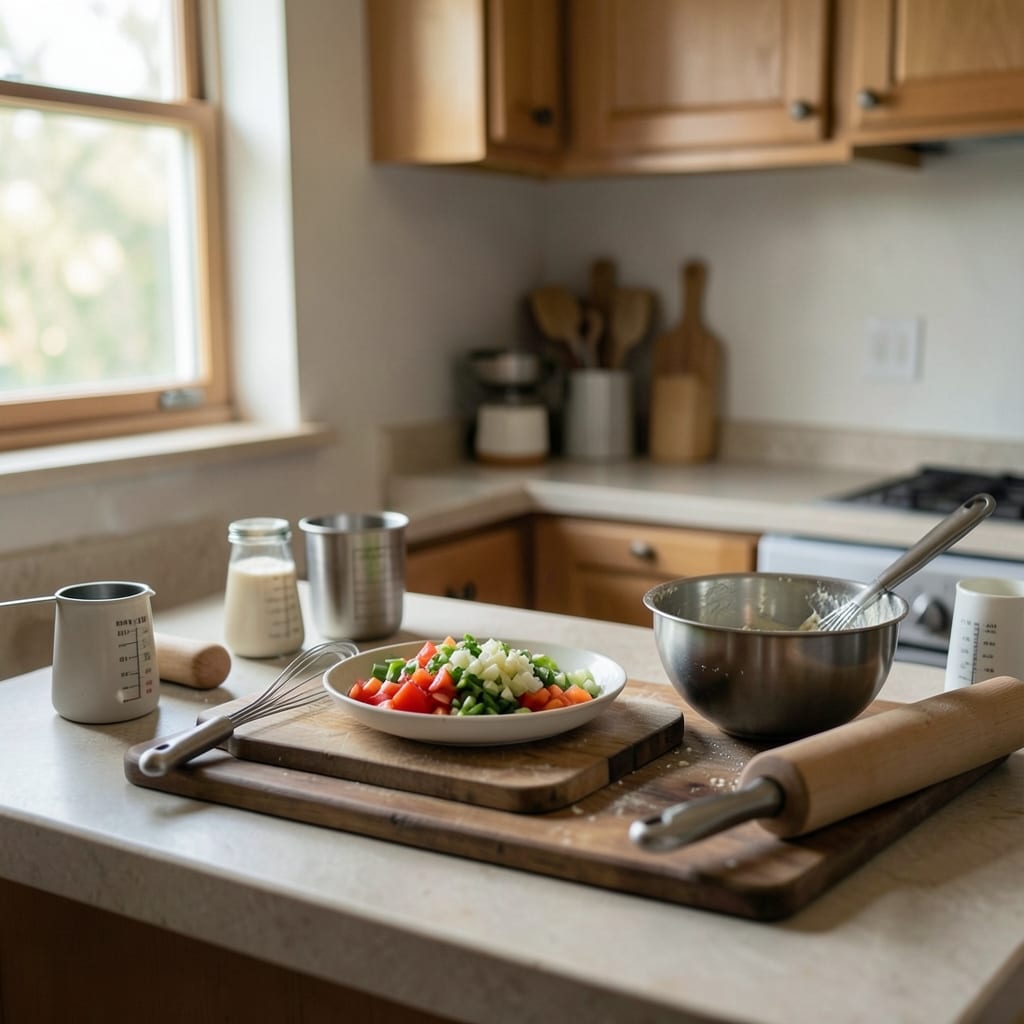
Today, the site is built on a different principle: every recipe is a story, and every story is worth testing. The photos are taken in the same kitchen with the same light, so you know what you’re getting.
The writing is tighter, the instructions are clearer, and the recipes actually work—because we’ve made them work. The difference isn’t just in the details; it’s in how you feel when you follow one.
| It used to be | Now it is |
|---|---|
| Recipes copied from other sites without verification | Every recipe is tested at least twice in the kitchen before publishing |
| Photos were stock images with no consistency | All photos are taken in-house with the same lighting and camera |
| Instructions were vague or assumed prior knowledge | Steps are broken into clear, actionable parts with timing and tips |
| No structure—just whatever was published | A consistent format so you know what to expect from every recipe |
The one that took years
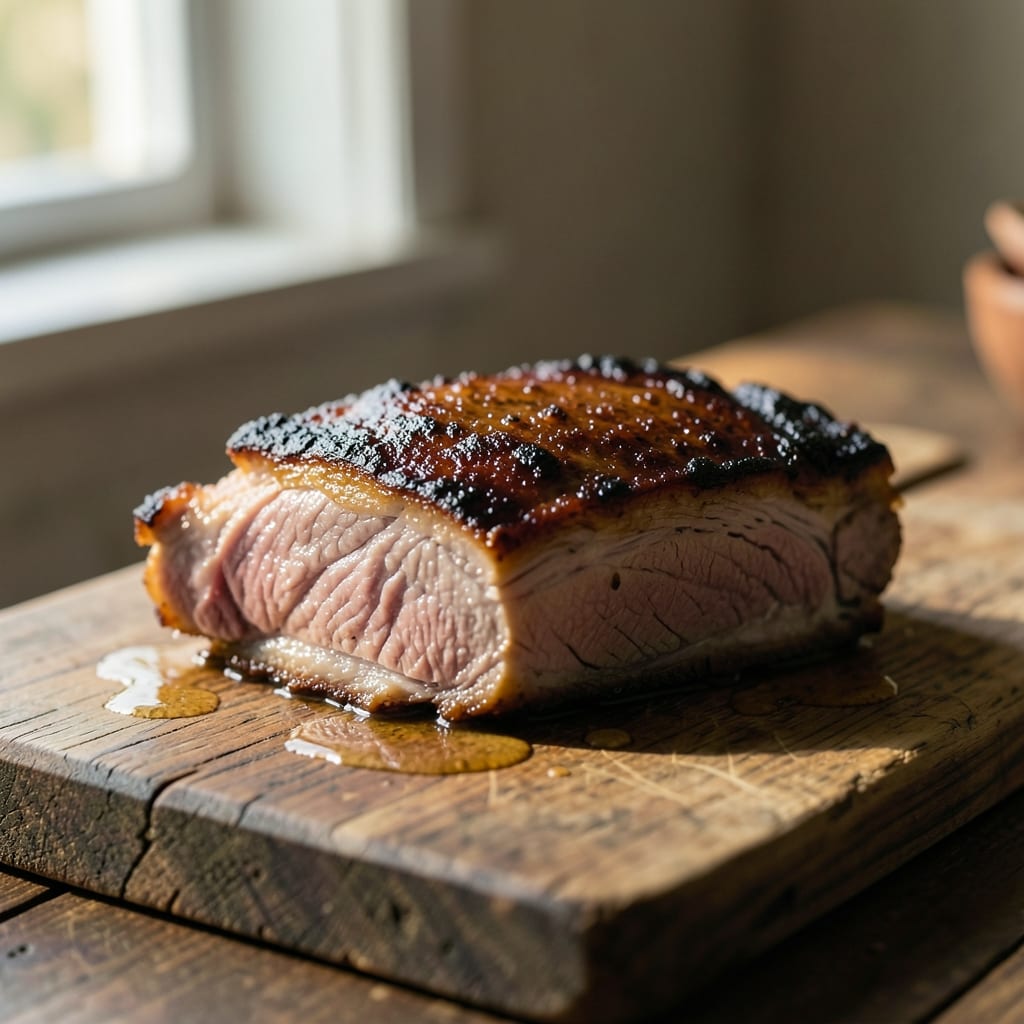
The biggest problem wasn’t the recipes or the photos—it was the *testing*. Early on, Fiona would make a dish once, snap a photo, and publish it. Sometimes it worked. Sometimes it didn’t. But no one complained, so no one fixed it.
The issue wasn’t laziness; it was a belief that ‘good enough’ was enough. If a recipe *looked* right, it must be right.
It took years to realize that ‘good enough’ wasn’t serving anyone. The first real change came when a reader emailed—*after* trying a recipe—to say it didn’t turn out. That was the moment it clicked: if one person struggled, the problem was ours. The fix?
A strict testing rule: every recipe must be made at least twice, with adjustments between tries. Sometimes that means three or four attempts. Sometimes it means scrapping a recipe entirely if it just won’t work.
Now, testing isn’t just a step—it’s the foundation. It costs time, ingredients, and patience. A single recipe might take a full day to perfect, and some dishes never make it to the site because they refuse to cooperate.
But the payoff is worth it: every recipe you see has been through the fire, so you don’t have to.
Meet the author
For years, Fiona worked in a way that made no sense now. She’d pull recipes from wherever she could find them, tweak them slightly, and call it her own. The kitchen was a place for quick experiments, not careful craft.
She believed that cooking was about intuition, not rules—so she never measured ingredients precisely, never tested a recipe more than once, and never worried about whether someone else could actually follow her instructions. The result? A few dishes that worked, and a lot that didn’t.
The worst failure came when she published a salad recipe that relied on a specific type of vinegar she’d used once. No one else had it, and half the comments were people asking where to find it. She deleted the recipe the next day—but the lesson stuck.
That was the moment she realized her approach wasn’t just flawed; it was dishonest. If she couldn’t trust her own recipes, why should anyone else?
What changed was this: she stopped trusting her first attempt.
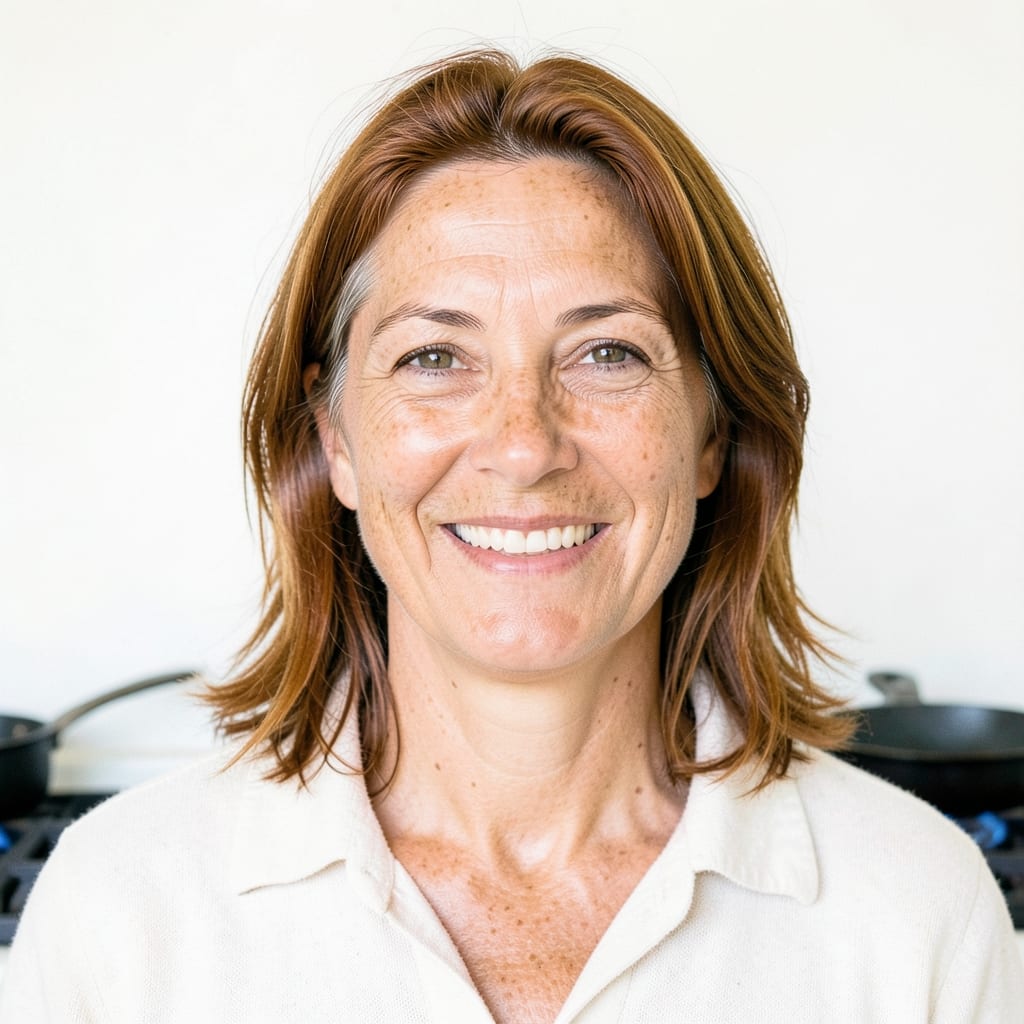
Now, Fiona Tremblay runs *Salad Recipes 101* with a single rule: if it hasn’t been tested at least twice, it doesn’t belong here. She measures everything, adjusts for mistakes, and only publishes what she knows will work.
The kitchen is no longer a place for quick fixes—it’s a lab where every detail matters. And if a recipe still doesn’t turn out right after three tries? She leaves it behind.
What did not change
The one thing that hasn’t wavered is the belief that food should be joyful—not intimidating. From the start, the goal was to make recipes feel like stories, not lectures. That hasn’t changed.
The tone is still conversational, the instructions still avoid jargon, and the focus remains on dishes that bring people together, whether it’s a simple lunch salad or a showstopping dessert.
Another constant is the love of tradition with a modern twist. Fiona grew up with her abuela’s recipes, but she’s always been drawn to reinventing them. That balance—honoring the past while pushing forward—has stayed the same.
The difference now is that every twist is tested, every tradition is questioned, and every dish is built to actually work in a real kitchen.
What is still being fixed
The biggest work right now is making the site even more reliable. That means adding more detailed ingredient notes—like substitutions for dietary restrictions—and refining the testing process to include reader feedback loops. Some recipes still need clearer photos, and a few categories could use more organization.
It’s an ongoing project, and we’d love your help.
If you’ve tried a recipe and something didn’t work, or if you have an idea for how we could make a dish better, we’d love to hear from you. The contact page is the best place to share your thoughts.
Things that would help
- A note about what went wrong with a recipe you tried (even if it was just one step)
- An idea for a substitution or adjustment that could make a dish more accessible
- A suggestion for a new recipe or a way to improve an existing one
The recipes are grouped by category: Appetizers, Beverages, Breakfast & Brunch, Desserts, Main Courses and Reviews.