
Salads
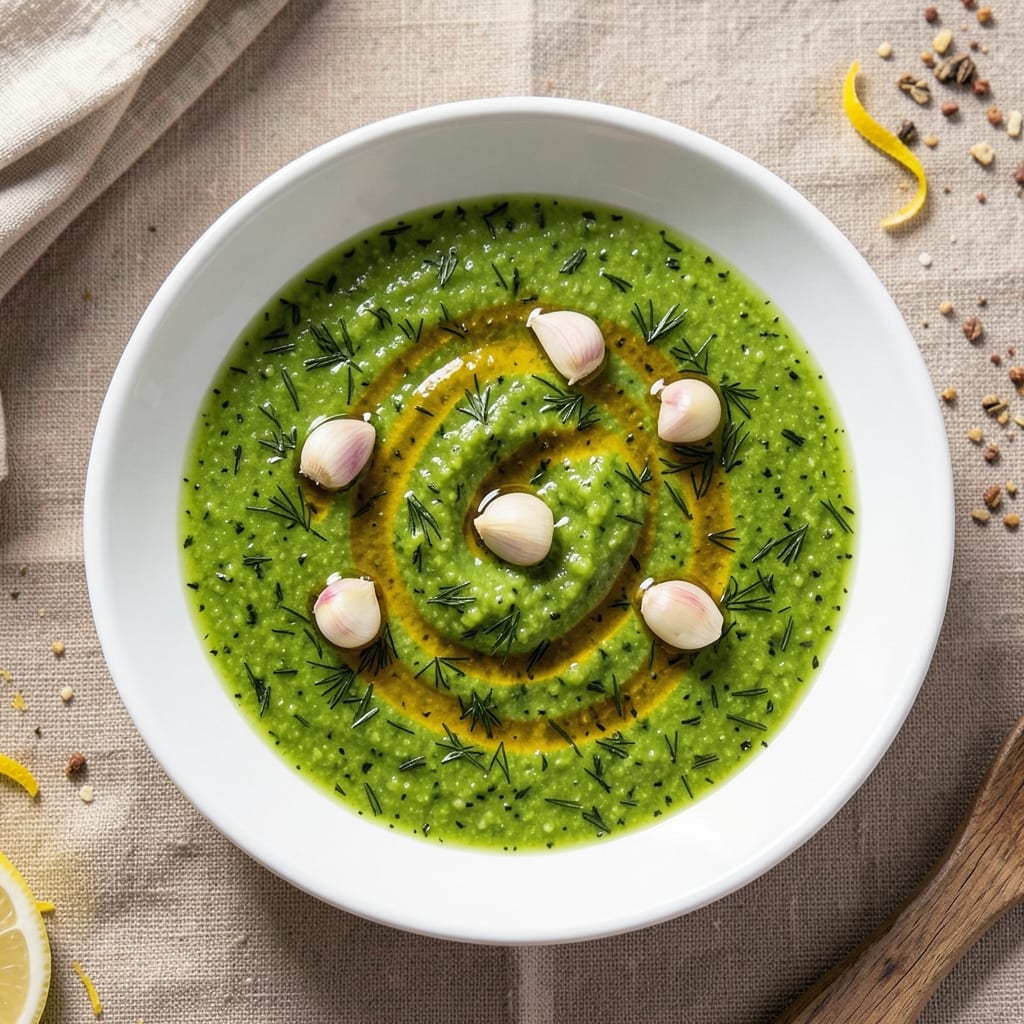
This Albasha salad dressing recipe delivers a bright, herb-infused lemon vinaigrette that transforms any salad from ordinary to extraordinary—no mayo required. The secret lies in balancing tangy lemon, fresh herbs, and high-quality olive oil, creating a dressing that’s both traditional and versatile. Perfect for Mediterranean-inspired dishes, this recipe adapts seamlessly to vegan diets while keeping the authentic Albasha flavor intact.
The foundation of this dressing is a simple yet powerful combination of lemon juice, garlic, and a blend of fresh herbs like dill and mint. Unlike creamy versions, this one relies on olive oil for richness, ensuring a lighter texture that won’t weigh down your greens. The dressing thickens naturally as the herbs release their oils, creating a silky consistency that clings beautifully to lettuce, grilled vegetables, or proteins.
What sets this recipe apart is its flexibility—use it as a marinade, drizzle over roasted meats, or toss with grains like quinoa. It stays fresh in the refrigerator for up to a week, making it ideal for meal prep. The absence of mayo also means it’s dairy-free and vegan-friendly, without sacrificing depth or flavor. Once you try this, store-bought dressings will never compare.
For those craving a traditional touch, add a pinch of sumac or smoked paprika for an extra layer of complexity. The dressing’s bright acidity cuts through rich ingredients, making it the ultimate partner for hearty salads, grain bowls, or even as a finishing sauce for grilled dishes. Let’s get started—your salads are about to get an upgrade.
Ingredients for albasha salad dressing
Herb-forward, lemon-bright vinaigrette that elevates any Mediterranean-inspired dish authentically.
| Ingredient | Amount | Notes |
|---|---|---|
| Extra-Virgin Olive Oil 🫒 | ¾ cup | High-quality, fruity variety preferred |
| Fresh Lemon Juice 🍋 | ½ cup | Freshly squeezed from ripe lemons |
| Fresh Dill 🌿 | ⅓ cup | Finely chopped, stems removed |
| Fresh Mint Leaves 🍃 | ¼ cup | Finely chopped, stems removed |
| Garlic Cloves 🧄 | 4 cloves | Minced for smooth texture |
| Dijon Mustard 🍯 | 1 tbsp | For subtle tanginess |
| Honey 🍯 | 1 tbsp | Raw or organic preferred |
| Fine Sea Salt 🧂 | 1 ½ tsp | Diamond Crystal preferred |
| Freshly Ground Black Pepper 🌶️ | ½ tsp | Freshly cracked for flavor |
| Sumac (optional) 🍃 | ½ tsp | For traditional Middle Eastern touch |
The quality of your olive oil makes all the difference here. Look for extra-virgin with a fruity aroma—California or Spanish varieties from Trader Joe's or Whole Foods are excellent choices. Fresh herbs are non-negotiable; wilted leaves will turn your dressing bitter. I always buy organic dill and mint from the grocery store's produce section, but if they're past their prime, dried herbs at one-third the amount will work in a pinch. The garlic should be fresh—smell it first, and if it doesn't have that pungent aroma, skip it. For the honey, raw or organic varieties add subtle floral notes that complement the herbs beautifully.
No fresh dill? Cilantro or parsley at half the amount will give you a similar freshness, though the flavor will differ slightly. Running out of mint? Basil works in a similar bright profile, though it's not traditional. The Dijon mustard can be swapped for whole-grain mustard, but it loses some of that signature tang. For a sugar-free option, agave nectar at the same amount works perfectly. The sumac is truly optional but adds that signature Albasha brightness—if you can't find it, smoked paprika at half the amount provides a similar depth. Always taste as you go; the dressing should balance sweet, tart, and herbal notes harmoniously.
This dressing thickens naturally as the herbs infuse, so store it in an airtight container in the fridge for up to 7 days. The flavors actually improve over time, so it's perfect for meal prep. For longer storage, freeze in ice cube trays and transfer to a container—3 months in the freezer. Shake well before each use. The dressing pairs beautifully with grilled meats, roasted vegetables, or as a marinade for chicken. A little goes a long way, so start with 1 tablespoon per serving and adjust to taste.
Why You'll Love This Recipe
- No-Chop Needed: I swear by this—just muddle the garlic with a pinch of salt, then pour in the olive oil and lemon. The dill and mint stay whole (or roughly torn if you’re feeling fancy), but honestly? That texture just adds freshness without extra work.
- Bright & Bold: The garlic hits first—sharp and punchy—then the lemon cuts through like a citrusy breeze. Fresh dill and mint? They turn it from "dressing" to "I-need-this-on-everything" in seconds.
- Meal Prep MVP: Make a big batch (it keeps for days in the fridge) and use it on grilled chicken, falafel, or even roasted veggies. My lazy Sundays now involve zero last-minute dressing stress—just grab and go.
- Pocketbook Perk: Olive oil, lemon, and herbs? That’s it. No fancy emulsifiers or overpriced bottles here. I’ve spent $3 on this and dressed enough salads to feed a small army—no regrets.
Step-by-Step instructions for Albasha salad dressing
A bright, herb-forward vinaigrette that captures Mediterranean brightness without mayo.
Blend the Herb and Garlic Base
In a food processor, combine the 0.33 cup finely chopped fresh dill, 0.25 cup finely chopped fresh mint leaves, and 4 cloves minced garlic. Pulse until the mixture becomes a smooth paste—this ensures even distribution of flavors throughout the dressing. You should see a vibrant green color with no visible chunks remaining.
This herb blend forms the aromatic foundation of the dressing. I like to pulse just until combined rather than over-processing, which could turn the herbs bitter. The texture should resemble coarse sand rather than a fine powder, allowing the herbs' essential oils to infuse fully.
Whisk the Wet Ingredients
In a medium bowl, whisk together the 0.5 cup fresh lemon juice, 1 tbsp Dijon mustard, 1 tbsp honey, 1.5 tsp fine sea salt, and 0.5 tsp freshly ground black pepper until fully combined. The mixture should be smooth with no visible streaks of honey or mustard. This base creates the tangy backbone of the dressing.
I always whisk these ingredients first because the acidity of the lemon juice helps emulsify the oil later. The Dijon mustard adds subtle depth while preventing the dressing from separating. Taste the mixture at this stage—it should be pleasantly sharp with a hint of sweetness from the honey.
Gradually Incorporate the Olive Oil
With the motor running on low speed, very slowly drizzle in the 0.75 cup extra-virgin olive oil while continuing to whisk. This gradual addition is critical—adding oil too quickly causes the dressing to break. Whisk for an additional 1-2 minutes after all the oil is incorporated to ensure a perfectly emulsified texture.
The dressing should thicken slightly and coat the back of a spoon. If it appears too thin, whisk in 1-2 teaspoons of water to adjust the consistency. For extra complexity, sprinkle in the 0.5 tsp sumac (optional) and whisk once more to distribute evenly.
Fold in the Herb Paste
Transfer the emulsified dressing to the food processor and blend for 10-15 seconds to incorporate the herb paste completely. The result should be a vibrant green dressing with no visible herb particles. For a smoother texture, strain through a fine-mesh sieve if desired.
Taste and adjust seasoning if needed—additional lemon juice for more acidity, honey for sweetness, or salt for balance. The dressing should be bright, herby, and perfectly balanced between tangy, sweet, and savory notes. Store in an airtight container in the refrigerator for up to 5 days, shaking well before each use.
Pro Tips For Making Albasha Salad Dressing
- Pulse Garlic Briefly: Hit those garlic cloves with 2-3 quick pulses in the food processor—just enough to break them down into a paste, not turn them into soup. Over-processing turns garlic bitter, and you’ll taste it in every bite of your salad. ---
- Strain the Herbs: After blending dill and mint, strain the dressing through a fine-mesh sieve to remove fibrous bits. I learned this the hard way—chewing on herb stems in salad dressing is not a good time. ---
- Use Cold Lemon Juice: Chill your lemon juice in the fridge for 10 minutes before mixing—warm juice makes the dressing separate faster. Trust me, your dressing will stay emulsified longer, and the flavors will be sharper. ---
- Salt the Oil First: Add a pinch of salt to the olive oil before blending—it helps stabilize the emulsion and balances the acidity of the lemon. Skip this, and your dressing might split or taste one-note.
Common mistakes when making perfect results
Over-Mixing the Dressing
One of the biggest mistakes is over-blending the herb paste in Step 1. When you pulse the dill, mint, and garlic too long, the herbs release bitter compounds that turn your dressing unpleasant. I’ve ruined a batch by blending for 30 seconds instead of 10—the result was bitter and metallic. Pulse just until smooth, about 5-8 seconds, to preserve fresh, vibrant flavors. 🌿
Skipping the Gradual Oil Addition
Adding olive oil too quickly while whisking causes the dressing to separate into oil and vinegar layers. I learned this the hard way when I poured in the 0.75 cup olive oil all at once—it broke the emulsion instantly. Instead, drizzle the oil very slowly while whisking continuously. This creates a stable, silky texture that clings to salads perfectly.
Using Low-Quality Olive Oil
Not all olive oils are created equal. Using a cheap, flavorless oil (like light olive oil) will make your dressing taste flat and one-dimensional. I always reach for extra-virgin olive oil with a fruity aroma—brands like California Olive Ranch or Colavita are excellent choices. The higher quality oil carries the herbs' flavors beautifully and prevents the dressing from tasting like plain vinegar.
Ignoring the Resting Time
The dressing needs time to meld after mixing. If you taste it immediately after blending, the flavors won’t be fully integrated. I make this mistake when I’m eager to eat—wait at least 15-20 minutes before tasting. The herbs infuse more deeply, and the acidity mellows slightly, creating a smoother, more balanced flavor. Patience pays off here!
Forgetting to Taste and Adjust
Many recipes assume you’ll know when the dressing is perfectly balanced, but I’ve found that’s rarely the case. Always taste as you go and adjust with lemon juice for tang, honey for sweetness, or salt for depth. I keep a small bowl of each nearby while making the dressing so I can tweak it easily. The goal is a harmonious blend of all flavors—no single note should overpower the others.
Storing Improperly
Leaving the dressing at room temperature or storing it in a non-airtight container ruins its texture and freshness. After making it, transfer the dressing to a clean, airtight glass jar and refrigerate within 2 hours. I’ve seen dressings separate or develop mold when stored improperly. When ready to use, give it a good shake—the flavors will come back together beautifully. ✨
Nutrition facts
Frequently asked questions
Can I make this Albasha dressing without fresh herbs?
For dill, use 1 tablespoon dried dill (one-third the amount) and for mint, try 1 tablespoon dried mint or even 1 tablespoon basil as a substitute. The flavor will be less vibrant but still delicious. For best results, combine both dried herbs to mimic the fresh profile.
How do I adjust this recipe for vegan diets?
This recipe is already vegan-friendly! Simply replace the honey with 1 tablespoon agave nectar or maple syrup to maintain the same sweetness level. All other ingredients are naturally plant-based, so no additional substitutions are needed. The dressing will still have that perfect balance of tangy and herbal notes.
Can I use this dressing on non-salad dishes?
This versatile dressing works beautifully as a marinade for grilled chicken or fish, a drizzle over roasted vegetables, or even as a sauce for pasta or grain bowls. The bright lemon-herb profile complements proteins and vegetables equally well. Try it on grilled shrimp skewers for a Mediterranean twist!
Why did my dressing separate after storing?
This usually happens when the oil and liquid ingredients weren't properly emulsified during mixing. To fix it, simply whisk or shake the dressing vigorously before using. For future batches, ensure you add the olive oil very slowly while whisking continuously. If the separation persists, try adding 1 teaspoon of Dijon mustard and whisking again to help re-emulsify.
What's the best way to store leftovers?
Transfer the dressing to an airtight glass jar and store in the refrigerator for up to 7 days. The flavors actually improve as the herbs infuse further. For longer storage, freeze in ice cube trays and transfer to a container—it will keep for 3 months. Always shake well before using to redistribute any separated ingredients.