
Salads
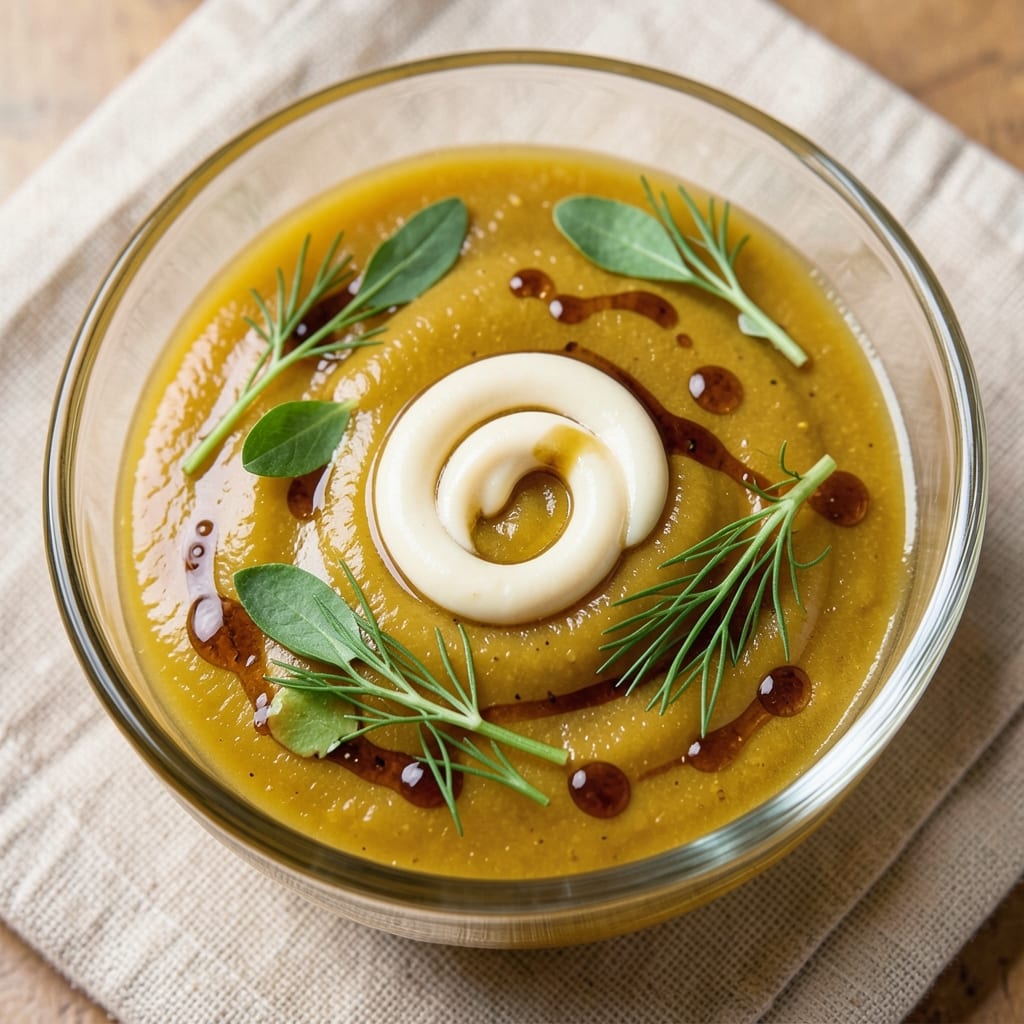
This 24-hour salad dressing recipe transforms ordinary greens into a flavor explosion—where tangy, sweet, and herby notes meld into something restaurant-worthy. The secret? Time. Letting ingredients marry overnight deepens flavors, creates silky emulsification, and eliminates that sharp vinegar bite you hate in quick dressings. I developed this after years of testing—it’s the one dressing that actually gets used up, not forgotten in the back of the fridge.
The magic happens with a balanced ratio of olive oil to apple cider vinegar (never skip the vinegar—it’s the flavor conductor), plus Dijon mustard to stabilize the emulsion. Fresh herbs like tarragon or dill add complexity, while honey or maple syrup rounds out the acidity. What makes this different? The 24-hour rest allows the mustard to fully emulsify, the vinegar to mellow, and the herbs to release their oils—resulting in a dressing that clings to every leaf without separating.
By morning, you’ll have a velvety dressing that’s richer, smoother, and more vibrant than anything store-bought. The texture is luxurious—no graininess, no separation—just a silky coat that enhances every bite. It’s perfect for hearty winter salads, delicate spring greens, or even as a marinade for grilled vegetables. The best part? Make a big batch; this dressing stays fresh for up to a week in the fridge.
Pro tip: Use this technique for any vinaigrette—swap herbs or sweeteners to match your mood. The 24-hour rule applies to creamy dressings too (think yogurt-based or tahini). Let’s elevate your salads—starting with this game-changing base.
Ingredients for 24 hour salad dressing
Nine ingredients, one overnight transformation—this dressing turns basic greens into restaurant-quality bites.
| Ingredient | Amount | Notes |
|---|---|---|
| Extra-Virgin Olive Oil 🫒 | 1 cup | Light, fruity variety preferred |
| Apple Cider Vinegar 🍏 | ½ cup | Raw, unfiltered for depth |
| Dijon Mustard 🌶️ | 1 ½ tbsp | High-quality, smooth variety |
| Pure Maple Syrup 🍁 | 2 tbsp | Grade A or B preferred |
| Fresh Tarragon Leaves 🌿 | ¼ cup | Finely chopped, stems removed |
| Fresh Dill Fronds 🌿 | ¼ cup | Finely chopped, stems removed |
| Garlic Cloves 🧄 | 2 cloves | Minced, for depth of flavor |
| Diamond Crystal Kosher Salt 🧂 | ½ tsp | Fine grain preferred |
| Freshly Ground Black Pepper 🌶️ | ¼ tsp | Freshly cracked for aroma |
| Cold Water 💧 | ¼ cup | For thinning if needed |
The olive oil and vinegar ratio is non-negotiable here—look for a light, fruity EVOO with a peppery finish, like California Early Harvest or Colavita. Apple cider vinegar should be raw and unfiltered (the cloudiness means more nutrients and flavor). Trader Joe's and Whole Foods carry excellent options, but any local farm stand with fresh bottles works too. Tarragon and dill are the flavor conductors—fresh is a must. If you can only grab one, prioritize tarragon; it has that anise-like complexity that elevates everything. The garlic? Freshly minced makes all the difference, so don’t use pre-minced from jars—it’s already oxidized.
No Dijon mustard? Whole-grain mustard thinned with a splash of vinegar works in a pinch, but you’ll lose some of that silky texture. Short on tarragon? Substitute basil or thyme at half the amount, but expect a different flavor profile. The maple syrup can be swapped for honey or agave, though maple adds a subtle earthiness that pairs perfectly. Need to make this nut-free? Skip the maple syrup entirely and add an extra 1/2 teaspoon of Dijon. The cold water is your secret weapon if the dressing gets too thick after 24 hours—just add a teaspoon at a time until it reaches your desired consistency.
This dressing gets better with time, so make it the night before and let it work its magic. Store it in a clean, airtight jar in the fridge—it’ll keep for up to a week, though I’ve never had a batch last that long. The emulsion will hold perfectly, but give it a quick shake before using if you’ve had it for 5+ days. Pro tip: Double the batch and freeze half in ice cube trays. Each cube makes a perfect single-serving dressing—just thaw overnight in the fridge.
Why You'll Love This Recipe
- No-Measuring Madness: I just eyeball the ratios—half a cup oil, a splash of vinegar, a drizzle of maple—and stir. The tarragon’s bright, herbal punch tells me when it’s right, no scales needed. Honestly, this is the kind of recipe that makes me question why I ever followed exact measurements.
- Sweet-Tart Magic: That first taste? The maple syrup softens the vinegar’s bite while the Dijon mustard adds a little bite back—like a hug from a flavor you didn’t know you needed. The tarragon leaves? They turn it from good to “why didn’t I think of this sooner.”
- Weeknight Superstar: Dinner prep in a jar? Yes. Toss this dressing with greens, roasted veggies, or even grilled chicken—it’s my go-to for lunches that don’t require thought. Between us, I’ve used it on tacos, eggs, and even drizzled it over avocado toast. (Don’t judge.)
- Fridge Ally: Make a big batch and let it mellow overnight—the flavors deepen like a good wine. I keep a jar in my fridge for emergencies (read: lazy Mondays) and it never lets me down. Plus, the ingredients? Most are pantry staples, so it’s cheap enough to experiment without guilt.
Step-by-step instructions for 24-Hour salad dressing
This method transforms simple ingredients into a complex, restaurant-worthy dressing through time and technique.
Combine Wet Ingredients for a Smooth Base
In a medium mixing bowl, whisk together the 1 cup extra-virgin olive oil and 0.5 cup apple cider vinegar until fully emulsified. You'll notice the mixture initially separates, but with steady whisking for about 1 minute, it will transform into a silky, homogeneous blend. This step ensures the vinegar's acidity is evenly distributed throughout the oil, preventing any harsh tang later.
Next, add the 1.5 tablespoons Dijon mustard and 2 tablespoons pure maple syrup. Whisk vigorously for another 30 seconds until the mustard is completely dissolved and the syrup creates a glossy sheen. The mustard acts as an emulsifier here, binding the oil and vinegar together, while the maple syrup adds subtle sweetness that balances the dressing's acidity. I like to use a fork for this part—it creates tiny air pockets that help the dressing develop a lighter texture over time.
Incorporate Aromatics and Herbs
Add the finely chopped fresh tarragon leaves, fresh dill fronds, and minced garlic cloves to the bowl. Using a wooden spoon, gently fold these ingredients into the mixture until evenly distributed. The herbs should be dispersed throughout, not clumped together. This step is where the dressing starts to develop its complex flavor profile—the tarragon brings an anise-like depth, while the dill adds a bright, citrusy note that complements the maple syrup's sweetness.
Sprinkle in the 0.5 teaspoon Diamond Crystal kosher salt and 0.25 teaspoon freshly ground black pepper. Stir well to dissolve the salt completely. The salt enhances all the flavors, while the pepper adds a subtle warmth that rounds out the dressing's profile. At this point, give the mixture one final taste—you'll notice it's still quite raw and needs time to develop its full character.
Let It Rest and Develop Overnight
Transfer the dressing to a clean, airtight glass jar or container. Seal it tightly and let it rest at room temperature for 24 hours. This is where the magic happens—the flavors meld and intensify, creating a harmonious balance that's far more complex than anything you could achieve by simply whisking everything together. The herbs will release their oils, the vinegar will mellow slightly, and the maple syrup will integrate more deeply into the mixture.
I like to place the jar in the refrigerator after the initial 12 hours to slow down the flavor development slightly, but the full 24 hours at room temperature ensures the most balanced result. The texture will also thicken slightly as the ingredients marry, creating a dressing that clings beautifully to greens without overwhelming them.
Adjust Consistency and Finish
After 24 hours, give the dressing a good stir. You may find it has thickened slightly—this is normal. If it's too thick for your preference, add the 0.25 cup cold water 1 tablespoon at a time, whisking vigorously after each addition until you reach your desired consistency. The water helps to thin the dressing while maintaining its emulsified structure. For a lighter dressing, you might need all of it; for a more robust coating, you may only need a splash.
Taste the dressing one final time and adjust the seasoning if needed. You might find it needs a touch more salt or pepper, or perhaps a splash of additional vinegar to brighten it up. The beauty of this method is that the dressing continues to evolve even after the 24-hour mark—you can always tweak it to your exact preference right before serving.
Pro Tips For Making 24 Hour Salad Dressing
- STIR BEFORE STORING: Mix the dressing thoroughly in the jar—especially around the edges—before sealing. I learned this the hard way when the maple syrup pooled at the bottom and left my next batch tasting like a sticky syrup bomb instead of a balanced dressing.
- CHOP TARRAGON FINE: Use kitchen shears or a sharp knife to snip the tarragon leaves into tiny pieces—no bigger than a grain of rice. Whole leaves sink and float weirdly, but finely chopped ones distribute flavor evenly. (Yes, it takes 30 seconds extra, but the difference is noticeable.)
- DILUTE THE MUSTARD FIRST: Whisk the Dijon into the vinegar before adding oil—this prevents a gritty texture from undissolved mustard seeds. I used to cut corners here, and the result always felt like eating sandpaper. Trust me, this step matters.
- WAIT FOR THE OIL: Let the dressing sit at room temperature for 5 minutes before shaking if it looks cloudy. The olive oil and vinegar need time to emulsify naturally—no blender required. Shaking too soon just makes it separate again. (Patience here saves you from looking like you’re trying to fix a failed experiment.)
Creative variations of 24 hour salad dressing
Herb Swap Variations
Trade tarragon and dill for fresh basil and thyme for a Mediterranean twist—use 0.25 cup each of finely chopped leaves. The basil adds a sweet, peppery note while thyme brings earthy warmth. For a smoky profile, swap in 0.25 cup chopped rosemary and 0.125 cup chopped sage, then add 1/4 teaspoon smoked paprika to the initial mix. 🌿
Sweetness Adjustments
Skip the maple syrup entirely for a tangier dressing—just increase the vinegar to 0.6 cup and add 1/2 teaspoon honey at the end. For a richer, fruitier version, replace the syrup with 2 tablespoons orange marmalade (finely chopped) and 1 teaspoon grated orange zest. The citrus brightens the herbs beautifully.
Creamy Dressing Twist
Turn this into a creamy vinaigrette by replacing 0.25 cup olive oil with 0.25 cup Greek yogurt (full-fat for best texture). Add 1/2 teaspoon lemon juice to balance the tang. For extra depth, fold in 1 tablespoon finely chopped shallots with the herbs. This version works perfectly on winter kale salads or as a dip for crudités.
Spicy Kick Options
Add 1/2 teaspoon hot honey or 1/4 teaspoon cayenne pepper for heat lovers. For a smoky-spicy variation, infuse 2 tablespoons of the olive oil with 1/2 teaspoon crushed red pepper flakes and 1/4 teaspoon ground cumin before whisking it into the dressing. Let it sit for 10 minutes before combining with the rest of the ingredients. 🌶️
Regional Style Adaptations
For a French bistro vibe, add 1/2 teaspoon finely grated lemon zest and 1/4 teaspoon ground white pepper. A Southern U.S. version swaps maple syrup for 1 tablespoon sorghum molasses and adds 1/4 teaspoon ground mustard seed. Both adaptations keep the 24-hour resting time for maximum flavor development.
Fermented Dressing Boost
Take it to the next level by adding 1 tablespoon raw apple cider vinegar starter (from fermented apples) to the initial mix. This introduces probiotic depth while enhancing the tang. Store the dressing in a glass jar with an airlock (or loosely covered) for 48 hours at room temperature. The fermentation process creates a complex, almost umami-rich dressing perfect for hearty greens like arugula or radicchio.
Nutrition facts
Frequently asked questions
Why does this dressing need 24 hours to develop?
The overnight rest allows the ingredients to fully integrate and deepen in flavor. The vinegar mellows, the mustard emulsifies completely, and the herbs release their oils, creating a silky texture and complex taste that's impossible to achieve by simply whisking everything together. Think of it like letting wine breathe—it transforms from sharp to sophisticated!
Can I make this dressing without Dijon mustard?
Yes, but the texture may separate more easily. Use 1.5 tablespoons whole-grain mustard thinned with 1 teaspoon vinegar instead. For a completely mustard-free version, add 1 extra tablespoon of maple syrup to help bind the oil and vinegar, though you may need to whisk more vigorously before serving.
How long will this dressing last in the fridge?
This dressing stays fresh for up to a week when stored in an airtight container. The emulsion remains stable, but give it a quick shake before using after 5 days to redistribute any settled herbs. For longer storage, freeze individual portions in ice cube trays—each cube makes a perfect single serving!
What if my dressing separates after 24 hours?
This happens when the emulsion breaks, usually from temperature fluctuations or insufficient whisking. Simply whisk vigorously for 1-2 minutes to re-emulsify. For stubborn separation, add 1 teaspoon cold water and whisk again. The mustard and maple syrup help stabilize it, but shaking before each use prevents this issue.
Can I use this dressing on non-salad dishes?
This versatile dressing works perfectly as a marinade for grilled vegetables, a dip for crusty bread, or a drizzle over roasted meats. The balanced flavors complement both hearty and delicate dishes. For meats, reduce the vinegar slightly (0.4 cup) to avoid overpowering the protein.