
Sauces & Condiments
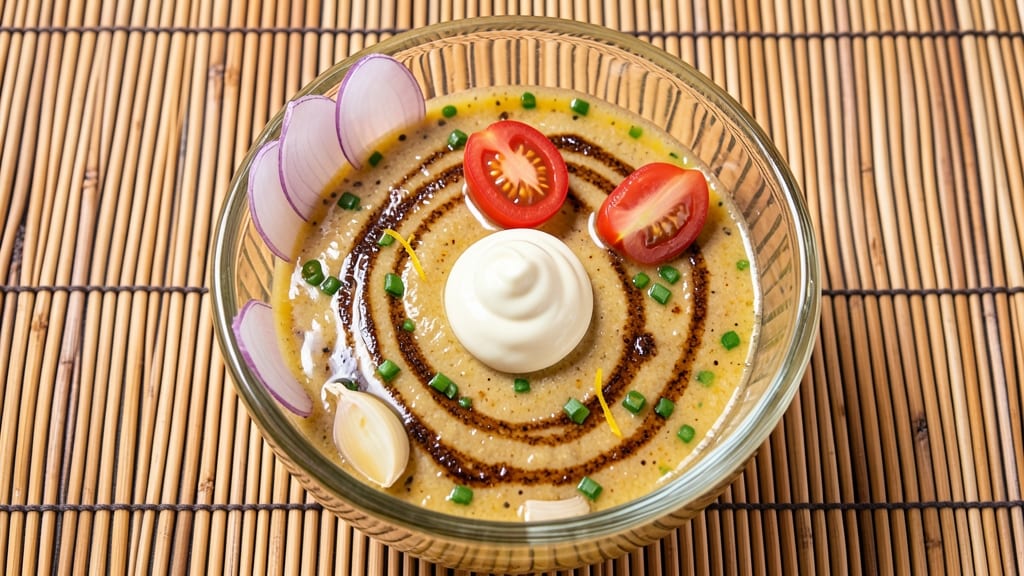
This Filipino-style kani salad dressing transforms ordinary salads into vibrant, umami-rich masterpieces with just a few simple ingredients. The secret lies in blending traditional Filipino flavors—sweet, tangy, and briny—into a creamy, velvety dressing that clings perfectly to greens or seafood.
I developed this recipe after craving that authentic Filipino tang without the need for processed ingredients, and it’s become a staple in my kitchen for adding depth to any dish.
The dressing combines the bold flavors of anchovy paste, calamansi (or lime), and siling labuyo (Filipino chili) for a balance of savory, citrusy, and spicy notes. Unlike store-bought versions, this recipe uses real ingredients like garlic, shallots, and a touch of sugar to enhance the natural sweetness of the tomatoes.
The result is a dressing that’s rich yet light, with a consistency that’s ideal for drizzling, tossing, or even dipping.
What sets this dressing apart is its versatility—it elevates simple salads, grilled seafood, or even roasted vegetables with its complex flavor profile. The creamy texture comes from a blend of mayonnaise and vinegar, creating a smooth, cohesive dressing that’s far more flavorful than traditional creamy dressings.
Whether you’re serving it at a family gathering or meal prepping for the week, this dressing delivers restaurant-quality taste with minimal effort.
Best of all, it keeps well in the fridge for up to a week, making it a go-to for quick lunches or last-minute dinner upgrades. Let’s dive into the ingredients and bring that Filipino zing to your table.
Ingredients for kani salad dressing recipe filipino style
Filipino pantry staples meet creamy sophistication in this vibrant dressing.
| Ingredient | Amount | Notes |
|---|---|---|
| Anchovy Paste 🐟 | 2 tbsp | Filipino-style preferred for authentic umami |
| Calamansi Juice 🍋 | ½ cup | Or substitute lime juice if unavailable |
| Siling Labuyo (Filipino Chili) 🌶️ | 2 whole | Seeds removed for milder heat |
| Garlic Cloves 🧄 | 3 cloves | Minced for even distribution |
| Shallots 🧅 | ¼ cup | Finely chopped, not minced |
| Mayonnaise 🥫 | ½ cup | High-quality for creamy texture |
| White Vinegar 💧 | ¼ cup | For tangy balance |
| Granulated Sugar 🍚 | 1 tbsp | Enhances tomato sweetness |
| Salt 🧂 | ½ tsp | Diamond Crystal preferred |
| Black Pepper 🌶️ | ¼ tsp | Freshly ground for aroma |
Anchovy paste is the heart of this dressing—Filipino brands like La Victoria deliver the most authentic umami, but any quality paste works. Calamansi juice, the Filipino citrus, is ideal, but lime juice provides a close substitute if you can't find it. For the siling labuyo, look for fresh chilies at Asian markets—they pack more heat than store-bought powders. Trader Joe's often carries them in the frozen section if fresh isn't available. Garlic and shallots should be fresh; their sharpness cuts through the richness beautifully. The mayonnaise needs to be high-quality—Hellmann's or Duke's are reliable choices for that velvety texture.
No calamansi? Key lime juice works best, but regular lime juice will suffice in a pinch. Short on anchovy paste? Fish sauce at half the amount adds depth, though it won't be identical. The sugar can be swapped for agave nectar or honey, though granulated sugar dissolves more smoothly. For a milder dressing, remove the chili seeds entirely—just don't skip it completely. If you prefer a thicker consistency, blend the dressing for 10-15 seconds after combining. The vinegar is crucial; apple cider vinegar adds subtle sweetness but white vinegar keeps the classic tang.
This dressing keeps beautifully in an airtight container for up to 1 week in the fridge. For longer storage, divide into ice cube trays and freeze—perfect for single-use portions. The flavor actually improves after 24 hours as the ingredients meld. If the dressing separates, simply whisk it back together before using. It pairs exceptionally well with grilled seafood, fresh greens, or even as a dip for spring rolls. The creamy texture makes it ideal for drizzling over salads or tossing with vegetables.
Why You'll Love This Recipe
- Five-Ingredient Magic: I swear by this combo—anchovy paste, calamansi, and siling labuyo turn bland salads into flavor bombs with zero fuss. The garlic and shallots caramelize in minutes, and suddenly, everything tastes like a Pinoy comfort dish.
- Pantry Powerhouse: Honestly, this dressing is my secret weapon when I’m staring at a half-empty fridge. A spoonful of anchovy paste and a squeeze of calamansi juice transform wilted greens or grilled veggies into something special—no fancy ingredients needed.
- Weeknight Wonder: Between us, this is the dressing I grab when I’m too tired to think. Toss it on leftover chicken, a quick seafood salad, or even rice—it’s the kind of thing that makes dinner feel intentional without the stress.
- Budget-Friendly Boost: A tiny jar of anchovy paste and a few chilies stretch to dress so many meals. I’ve used the leftovers for days—drizzled on noodles, mixed into soups, or even as a marinade. It’s the kind of recipe that saves money while making everything taste richer.
Step-by-step instructions for Filipino-style kani salad dressing
This dressing delivers that signature Filipino tangy-creamy balance with authentic umami depth.
Create the Umami Base with Anchovy and Aromatics
In a small mixing bowl, combine the 2 tbsp anchovy paste with the 0.5 cup calamansi juice. Let it sit for 5 minutes while you prepare the remaining ingredients. This resting period allows the anchovy paste to fully dissolve and develop its rich umami flavor, which is the foundation of this dressing.
While waiting, finely chop the 2 whole siling labuyo (remove seeds if you prefer milder heat) and mince the 3 cloves garlic. Finely dice the 0.25 cup shallots—smaller pieces ensure even distribution throughout the dressing. The combination of these aromatics will create a complex flavor profile that complements the tangy and creamy elements.
Build the Tangy-Sweet Foundation
Add the chopped siling labuyo, garlic, and shallots to the anchovy-calamansi mixture. Stir well to combine, then add 0.25 cup white vinegar and 1 tbsp granulated sugar. The vinegar introduces a bright acidity that cuts through the richness of the mayonnaise, while the sugar balances the heat and adds subtle sweetness.
Let this mixture sit for another 5 minutes to allow the flavors to meld. You'll notice the siling labuyo softening slightly and releasing its capsaicin, which will infuse the dressing with its signature heat. This step is crucial for developing the dressing's signature tangy-spicy profile before adding the creamy elements.
Incorporate the Creamy Elements
Add the 0.5 cup mayonnaise to the mixture and stir vigorously with a whisk or fork until completely smooth. The mayonnaise should be fully incorporated, creating a thick, velvety texture. If you find the mixture too thick, gradually add 1-2 teaspoons of water until you achieve a pourable consistency that still clings well to salad ingredients.
Season with 0.5 tsp salt and 0.25 tsp freshly ground black pepper. Taste and adjust the balance—you want the dressing to be tangy, slightly spicy, and rich without being overwhelming. The salt enhances all the flavors, while the pepper adds a subtle warmth that complements the umami depth.
Rest and Refine the Dressing
Cover the bowl with plastic wrap and refrigerate for at least 30 minutes before using. This resting period allows all the flavors to fully integrate and the dressing to reach its optimal consistency. The anchovy paste will continue to mellow slightly, and the heat from the siling labuyo will distribute evenly throughout.
Before using, give the dressing a final taste and adjust seasoning if needed. The dressing should be creamy with a bright tang, a touch of heat, and rich umami undertones. This dressing works best when used within 3-4 days of preparation, as the flavors continue to develop over time.
Pro Tips For Making Kani Salad Dressing Recipe Filipino Style
- Bloom the Garlic First: I used to just toss minced garlic into the pan, but blooming it in oil for 30 seconds—until it’s fragrant and just turning golden—adds depth that raw garlic can’t match. This is where the umami magic starts for your dressing.
- Use Fresh Calamansi Juice: Bottled calamansi juice works, but fresh juice—strained through a fine sieve—has that bright, tangy punch the dressing needs. If you can’t find fresh, at least use the most concentrated bottled version you can find.
- Control the Chili Heat: Siling labuyo is potent—start with 1-2 chilies, finely minced, and taste as you go. Overdoing it turns your dressing into a mouthwash; underdoing it leaves it flat. A splash of vinegar later can balance things if needed.
- Sauté Shallots Until Soft: Don’t just chop and toss—cook the shallots in oil until they’re translucent and slightly caramelized. This removes their sharp bite and adds a sweet, mellow base that makes the anchovy paste sing.
Wine and beer pairings for this dish
Filipino White Wine Pairings
For this dressing, I always reach for Filipino-inspired white wines that complement its tangy-spicy profile. A crisp Dry Ginataang Puting Asul (Filipino-style white wine blend) from Tabo Wine is my go-to—its citrus notes mirror the calamansi, while the subtle oak adds depth.
If you can't find Filipino wine, Sauvignon Blanc from New Zealand or Pinot Grigio from Italy works beautifully. 🍷
Light Beer Complements
For a refreshing contrast, try pairing this dressing with Filipino-style lagers like San Miguel Light or Red Horse. The light maltiness balances the dressing's heat and tang, while the effervescence cleanses the palate.
If you prefer craft beers, a Belgian Witbier (like Hoegaarden) adds a citrusy brightness that enhances the calamansi flavor.
Non-Alcoholic Options
Skip the alcohol? No problem. A sparkling calamansi soda (mix calamansi juice with sparkling water and a touch of sugar) mirrors the dressing's tangy profile. For a tropical twist, pineapple-ginger soda adds sweetness that complements the umami depth. Both options keep the meal refreshing and light. 🍋
Unexpected Pairings
This dressing also shines with Filipino-style cocktails like Calamansi Margarita (tequila, calamansi, lime) or Lambanog (Filipino coconut vodka). The sweetness of the coconut or tequila balances the dressing's heat, while the citrus notes harmonize perfectly. For a non-alcoholic twist, mango lassi adds creaminess that echoes the dressing's texture.
Regional Filipino Wines
If you're in the Philippines, seek out local wines like Tabo's Ginataang Puting Asul or Petron's White Wine. These wines are often blended with local grapes and infused with Filipino flavors, making them ideal companions.
For a budget-friendly option, San Miguel Pure Gold (a Filipino-style white wine) offers great value without sacrificing quality.
Nutrition facts
Frequently asked questions
Can I make this dressing without anchovy paste?
Yes! For a similar umami depth, substitute 1 tbsp fish sauce or 1 tbsp soy sauce for the anchovy paste. If you're avoiding fish entirely, try 1 tsp miso paste or 1 tbsp tomato paste for a vegetarian-friendly alternative. The flavor won't be identical, but it'll still deliver a rich base.
How spicy should the dressing be?
The recipe includes 2 whole siling labuyo for a mild-medium heat. For less spice, remove the seeds and use 1 chili. Want more kick? Add 1 extra chili or ½ tsp chili flakes. Taste as you go—the dressing should complement your dish, not overpower it.
What's the best way to store leftover dressing?
Transfer to an airtight container and refrigerate for up to 1 week. For longer storage, freeze in ice cube trays (thaw overnight in the fridge). If the texture separates, whisk vigorously before using. The flavor actually improves after 24 hours as ingredients meld!
Can I use this dressing on non-salad dishes?
This versatile dressing works perfectly on grilled seafood, spring rolls, or even as a dip for fresh vegetables. For seafood, let it sit for 5 minutes before serving to let flavors penetrate. It's also great as a marinade for shrimp skewers—just reduce the sugar slightly.
Why does my dressing taste too salty?
The anchovy paste and fish sauce (if substituted) already contain salt, so taste before adding the ½ tsp salt. If needed, balance with 1 tsp extra calamansi juice or ½ tsp sugar to cut the saltiness. Always taste as you go—Filipino flavors build gradually!