
Side Dishes
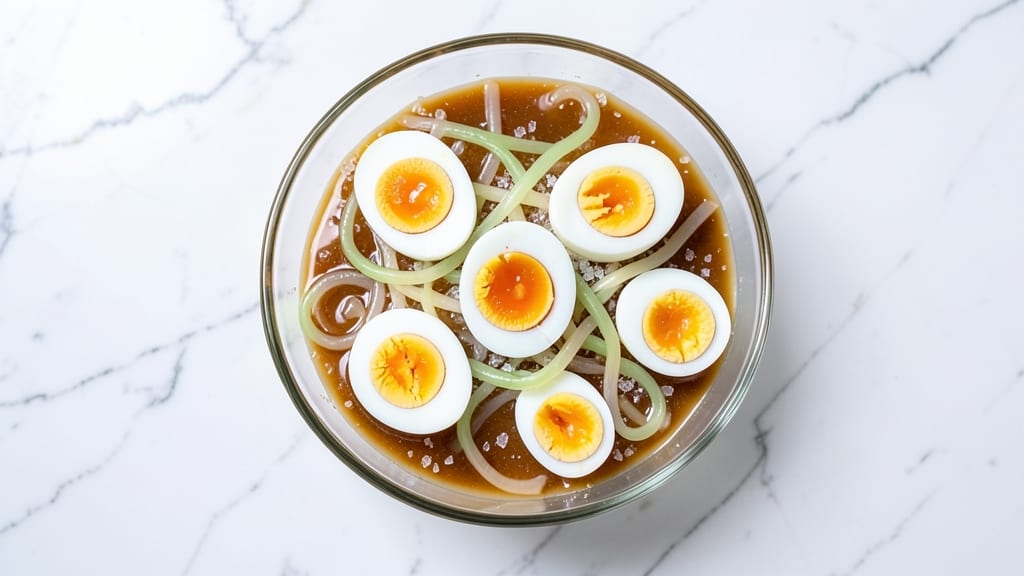
This buko salad ingredients and recipe delivers that dreamy Filipino dessert texture—creamy coconut custard layered with chewy young coconut jelly, all chilled to silky perfection. 💛 The magic happens in the gelatin setting and careful assembly, where every spoonful balances sweetness, crunch, and tropical creaminess without a single burnt coconut in sight.
What makes this recipe special is the three-stage chilling process that transforms simple ingredients into restaurant-quality dessert. We start with a smooth leche flan base (no flan mold needed!), then layer it with store-bought or homemade buko jelly, and finish with whipped cream and toasted coconut flakes.
The result? A dessert that's light yet rich, refreshing yet indulgent—perfect for potlucks, family gatherings, or when you crave something sweet without heavy calories.
The beauty of buko salad lies in its versatility—traditional versions keep it classic with just coconut and leche flan, while modern twists add fruit like mango or lychee for extra brightness. For a vegan version, coconut cream replaces the custard, and agar-agar substitutes gelatin.
Each layer needs precise timing to set properly, but once you master the technique, you'll have a crowd-pleasing dessert that's easier to make than it looks.
Ready in just 30 minutes of prep plus 4 hours of chilling, this recipe proves you don't need fancy equipment to create something that tastes like a tropical vacation.
The key is patience—letting each layer set completely before adding the next ensures that perfect creamy-crunchy texture in every bite. Let's get started!
Ingredients for buko salad ingredients and
These tropical ingredients transform simple pantry staples into restaurant-quality buko salad.
| Ingredient | Amount | Notes |
|---|---|---|
| Coconut Milk (Full-Fat, Canned) 🥥 | 1 can | 40 fl oz can, unsweetened preferred |
| Unflavored Gelatin Powder 🍬 | 2 tbsp | High-quality, 2 1/4 tsp per tbsp |
| Young Coconut Jelly (Buko) 🥥 | 14 oz | Store-bought or homemade jelly |
| Granulated Sugar 🍚 | 1 ½ cups | White or brown sugar preferred |
| Large Eggs 🥚 | 4 whole | Room temperature for blending |
| Condensed Milk (Sweetened) 🥛 | 1 can | 14 oz can, Carnation brand preferred |
| Whipped Cream (Store-Bought or Homemade) 🍦 | 2 cups | Homemade with heavy cream |
| Toasted Coconut Flakes 🥥 | ½ cup | Lightly toasted for crunch |
| Shredded Coconut Meat (Fresh or Dried) 🥥 | ¼ cup | Unsweetened preferred |
| Vanilla Extract 🌿 | 1 tsp | Pure vanilla extract preferred |
| Salt 🧂 | ¼ tsp | Fine sea salt preferred |
| Lemon Juice (Freshly Squeezed) 🍋 | 1 tbsp | Brightens the coconut flavor |
| Water (Distilled or Filtered) 💧 | ½ cup | For gelatin activation |
| Mango Pulp (Optional, for variation) 🍈 | 1 cup | Fresh or canned, drained |
The young coconut jelly (buko) is the heart of this dessert—look for 14 oz packages at Asian markets or Latin grocery stores, where it stays fresher longer. Trader Joe's often carries it too, but check the sell-by date since it can get rubbery. If using homemade buko jelly, ensure it's fully set and has that signature chewy texture. The coconut milk must be full-fat for that creamy custard base; light versions won't set properly. For gelatin, Knox brand is my go-to—it dissolves smoothly without clumping, which is critical for that silky texture.
No store-bought buko jelly? Substitute with canned young coconut meat (drained and mashed) plus extra gelatin, but the texture won't be identical. Running short on condensed milk? Mix equal parts evaporated milk and sugar—it's not the same, but works in a pinch. For the mango variation, fresh mango puree adds vibrant color, but canned works too if you drain it well. The whipped cream can be homemade (heavy cream + powdered sugar), but store-bought with stabilizers saves time. Toast your coconut flakes in a dry pan for 2-3 minutes—just until golden—to maximize that nutty aroma.
This dessert requires three distinct chilling stages, so plan ahead. The gelatin custard needs 4 hours in the fridge before layering, while the final assembly requires another 2 hours to set. Store leftovers in an airtight container with parchment between layers to prevent sogginess—keeps for 3-4 days in the fridge. For make-ahead prep, assemble the entire dessert (without the whipped cream) up to 24 hours ahead, then add the cream just before serving to keep it light.
Why You'll Love This Recipe
- No Chopping Needed: I swear by this—just slice the buko, hard-boil those eggs, and let the gelatin do the work. The only prep is peeling the jelly and cracking eggs, which takes less time than scrolling through your phone.
- Creamy Without the Hassle: That can of full-fat coconut milk? It’s the secret weapon. One pour, one stir, and you’ve got a silky texture that’s richer than anything you’d buy pre-made. The gelatin ties it all together like a dream.
- Party in a Bowl: Between us, this is my go-to for potlucks, birthdays, or just because. It’s light enough for summer but feels fancy enough to impress—plus, the eggs add that satisfying bite that keeps everyone coming back.
- Lasts All Week: Honestly, I make a big batch and it’s still perfect by day four. The buko stays chewy, the coconut milk doesn’t curdle, and the gelatin keeps it from getting watery. Budget-friendly? Absolutely. Zero waste? Even better.
Step-by-step instructions for buko salad
Here's the precise method to achieve that signature tropical texture and creamy consistency.
👨🍳 Step 1: Bloom the Gelatin in Cold Water
In a small bowl, sprinkle the 2 tbsp unflavored gelatin powder evenly over the 0.5 cup cold water. This prevents clumping and ensures even activation. Let it sit for 5 minutes—you'll see the gelatin absorb the water and form a gel-like substance. This step is critical; never use hot water or the gelatin won't bloom properly.
While waiting, open the 1 can coconut milk and drain off any excess liquid from the top (about 2 tbsp) to prevent a watery final texture. Keep the coconut milk refrigerated until ready to use. The cold temperature helps stabilize the gelatin later in the process.
🍳 Step 2: Prepare the Coconut Base
In a large mixing bowl, combine the bloomed gelatin mixture with the 1 can condensed milk and 1.5 cups granulated sugar. Whisk vigorously until the sugar dissolves completely and the mixture becomes smooth. This forms the creamy foundation of your buko salad.
Next, add the 4 whole large eggs (room temperature) one at a time, whisking after each addition until fully incorporated. The mixture should thicken slightly but remain pourable. This is where the magic happens—the eggs provide structure while keeping the texture light and airy.
🥘 Step 3: Incorporate the Coconut Elements
Gently fold in the 14 oz young coconut jelly (buko) using a rubber spatula. Work slowly to avoid breaking up the jelly pieces—you want them to remain intact for that signature texture. Add the 0.5 cup toasted coconut flakes and 0.25 cup shredded coconut meat, reserving a small portion for garnish.
Stir in the 1 tsp vanilla extract, 0.25 tsp salt, and 1 tbsp lemon juice. The lemon juice brightens the coconut flavor while balancing the sweetness. If using the optional 1 cup mango pulp, fold it in now for a fruity variation. The mixture should be thick but still spoonable.
⏰ Step 4: Fold in Whipped Cream and Chill
In a separate bowl, gently fold the 2 cups whipped cream into the coconut mixture using a spatula. Work in two additions to maintain airiness—overmixing will deflate the cream. The final texture should resemble thick pudding with visible jelly pieces.
Transfer the mixture to a 6-quart container or individual serving cups. Cover with plastic wrap pressed directly onto the surface to prevent a skin from forming. Refrigerate for at least 4 hours or until completely set. For best results, chill overnight—this allows the flavors to meld fully.
🍽️ Step 5: Serve with Garnish
Before serving, run a knife around the edges of the container to loosen the set salad. Invert onto a serving platter or divide into individual bowls. Garnish with the reserved toasted coconut flakes and shredded coconut meat for texture contrast.
The perfect buko salad should have a creamy, jiggly texture with firm jelly pieces that pop between bites. Serve chilled with a side of leche flan or halo-halo for a complete Filipino dessert experience. Each spoonful should deliver that perfect balance of sweet, creamy coconut with the satisfying crunch of toasted coconut.
Pro Tips For Making Buko Salad Ingredients And
- Bloom the gelatin cold: Dump the powder into cold coconut milk—no pre-dissolving in hot water. I learned this the hard way after watching my gelatin turn grainy in batches where I heated it first. Let it sit for 10 minutes until it’s fully hydrated before warming, or you’ll end up with clumps that ruin the silky texture.
- Cut buko in half: Slice the young coconut jelly into ½-inch chunks, not thin strips. Thick pieces hold their shape better in the chilled salad, and they’re easier to scoop when serving. Thin slices turn mushy faster—trust me, I’ve served both.
- Whisk eggs until thick: Beat the eggs with sugar until the mixture coats the back of a spoon and holds a ribbon when you lift the whisk. This ensures they set firm but still stay tender, not rubbery. Over-whisking? They’ll curdle when they hit the hot coconut milk.
- Strain the coconut milk: Pour the canned coconut milk through a fine-mesh sieve into the gelatin mixture to remove any grit or sediment. Skipping this step gives you a weird texture—like eating a salad with tiny sandpaper bits. Takes 30 seconds but makes a real difference.
Health benefits of this recipe
Tropical Nutritional Boost
Young coconut (buko) is a powerhouse of potassium—a 14 oz serving provides about 1,000mg, nearly 20% of your daily needs, helping regulate blood pressure and muscle function.
The coconut milk base contributes medium-chain triglycerides (MCTs), which support brain health and provide quick energy without spiking blood sugar. 🌿
Protein-Packed Creaminess
While primarily a dessert, this salad offers 8-10g protein per serving thanks to the eggs and coconut milk. The gelatin provides collagen benefits for skin and joint health, while the whipped cream adds riboflavin (B2) for energy metabolism. It's a surprisingly balanced treat for a sweet dish!
Low-Calorie Indulgence
At just 250-300 calories per serving, this buko salad delivers rich dessert flavors without the guilt. The fiber from coconut and mango (if added) aids digestion, while the natural sugars provide quick energy. It's perfect for satisfying cravings while keeping calories in check during gatherings.
Vitamin C & Antioxidants
Fresh lemon juice adds vitamin C—about 10mg per tbsp—which boosts immunity and collagen production. The toasted coconut flakes provide polyphenols, antioxidants that reduce inflammation. This makes buko salad not just delicious, but also a functional dessert with real health perks.
Gelatin Benefits
The unflavored gelatin in this recipe supports gut health by promoting healthy digestion and gut lining integrity. It also contains glycine, an amino acid that helps regulate metabolism and reduce inflammation. For those avoiding gelatin, agar-agar provides a similar texture without animal-derived ingredients.
Energy-Boosting Carbs
The combination of coconut milk and sugar provides complex carbohydrates that fuel your brain and body efficiently. Unlike refined sugars, the natural sugars in coconut are metabolized more slowly, preventing energy crashes. This makes buko salad an excellent choice for pre-workout or post-dinner energy boosts.
Nutrition facts
Frequently asked questions
Can I make buko salad without gelatin?
Yes! For a vegan or gelatin-free version, substitute with 2 tbsp agar-agar powder dissolved in 0.5 cup hot water (cooled before mixing). Chill the mixture longer—6 hours minimum—since agar-agar sets more slowly. The texture will be slightly firmer but still delicious. For extra creaminess, use coconut cream instead of regular coconut milk.
How do I know when the buko jelly is ready?
Fresh buko jelly should be chewy but not rubbery—press a piece gently with your finger. It should spring back slowly (like a firm jelly) rather than bounce back immediately (overcooked) or feel mushy (undercooked). Store-bought jelly should have a glossy sheen and hold its shape when lifted with a spoon. If it's too firm, soak in warm water for 5 minutes to soften.
Can I use canned coconut milk instead of fresh?
Canned full-fat coconut milk works perfectly—just drain off the excess liquid to prevent a watery texture. For best results, use unsweetened canned milk to control sweetness. If your recipe calls for 1 can, measure 40 fl oz (the standard can size). The key is ensuring it's cold when mixing with gelatin to help stabilize the custard.
Why did my buko salad turn out too sweet?
This usually happens when using sweetened condensed milk or adding extra sugar. Start with 1.5 cups granulated sugar and taste the custard base before chilling—it'll taste sweeter once set. For balance, add 1 tbsp lemon juice (as in the recipe) to brighten flavors. If needed, reduce sugar by 0.25 cup next time. The whipped cream also adds sweetness, so adjust accordingly.
How do I store leftovers without sogginess?
Layer leftovers with parchment paper between each serving to prevent moisture transfer. Store in an airtight container in the fridge for up to 4 days. For longer storage, freeze individual portions (without whipped cream) for 2 months. Thaw overnight in the fridge—never microwave as it destroys the gelatin texture. Add fresh whipped cream when serving.