
Side Dishes
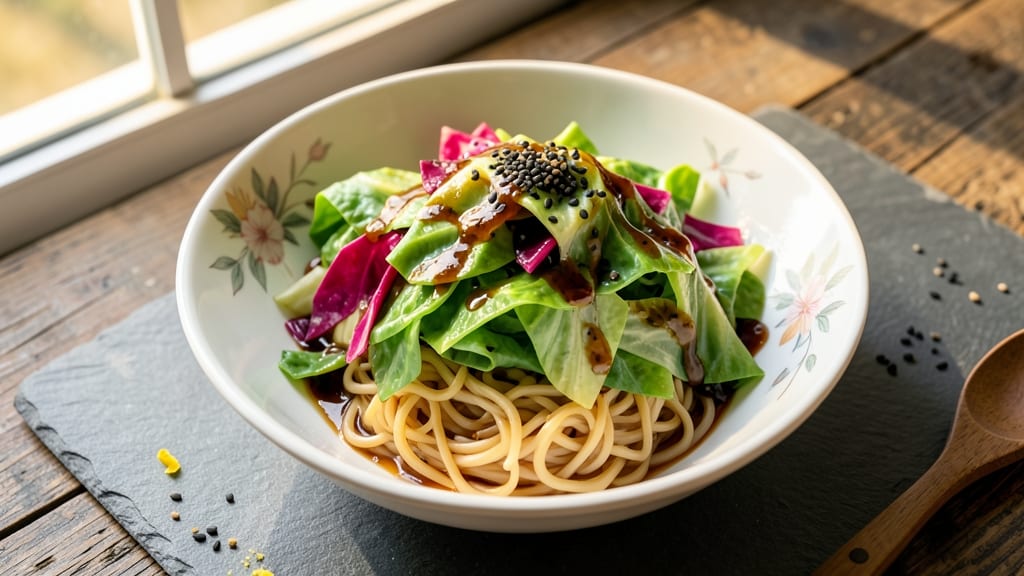
This Japanese cabbage salad with ramen noodles transforms simple ingredients into a crisp-tender dish packed with umami and texture. The secret lies in quick-cooking the noodles just until al dente, then tossing them with thinly shredded cabbage that stays tender rather than wilted.
I developed this recipe after realizing how much better store-bought ramen noodles perform when used beyond their usual soupy purpose—especially when paired with the bright, tangy dressing.
The dressing is where the magic happens: a balance of soy sauce for depth, rice vinegar for brightness, and sesame oil for nutty richness. A touch of honey or sugar rounds out the flavors while keeping the salad vegetarian-friendly.
What makes this dish special is how the textures work together—crisp cabbage, chewy noodles, and a silky dressing that coats every bite without overwhelming the fresh vegetables.
By the time you're done, you'll have a salad that's hearty enough to stand alone but light enough to pair perfectly with grilled meats or sushi.
The umami from the dressing complements the natural sweetness of the cabbage, while the noodles add a satisfying substance that turns this into a complete meal. Ready in under 30 minutes, it's the kind of dish that elevates everyday dinners.
For extra crunch, top with toasted sesame seeds or chili flakes, and serve immediately while the cabbage holds its texture. The beauty of this recipe is its flexibility—use it as a side, a light lunch, or even a base for a noodle bowl.
Here's how to make it perfectly every time.
Ingredients for japanese cabbage salad recipe with ramen noodles
Simple ingredients that create a perfect balance of crisp, chewy, and umami-packed flavors.
| Ingredient | Amount | Notes |
|---|---|---|
| Japanese Green Cabbage 🥬 | 8 oz | Thinly shredded, core removed |
| Ramen Noodles 🍜 | 8 oz | Store-bought, not instant |
| Soy Sauce 🍶 | 2 tbsp | Light or regular variety |
| Rice Vinegar 🍶 | 2 tbsp | Seasoned preferred |
| Sesame Oil 🫒 | 1 tbsp | Toasted sesame oil |
| Honey 🍯 | 1 tbsp | Or light agave syrup |
| Toasted Sesame Seeds 🌱 | 1 tbsp | For garnish (optional) |
| Garlic Cloves 🧄 | 2 cloves | Minced, optional for extra flavor |
| Vegetable Oil 🫒 | 1 tbsp | For cooking noodles |
| Salt 🧂 | ½ tsp | Kosher or sea salt |
| Black Pepper 🌶️ | ¼ tsp | Freshly ground |
| Red Chili Flakes 🔥 | ½ tsp | Optional for heat |
| Sesame Seeds 🌱 | 1 tsp | Extra for garnish |
The cabbage is the star here—look for heads with tightly packed leaves and vibrant color. Trader Joe's and Asian markets often carry pre-shredded versions, but I always buy whole heads and slice them myself for maximum crispness. The ramen noodles should be the flavorful, non-instant variety—brands like Nissin or Maruchan work perfectly. If you're using dried ramen, cook them separately in boiling water for about 2 minutes less than package instructions to keep them al dente. The garlic, while optional, adds a subtle depth that elevates the dish—freshly minced makes all the difference.
No sesame oil? Toasted peanut oil works in a pinch, though it lacks the nutty aroma. Substituting honey? Light agave syrup or maple syrup keeps it vegetarian-friendly. If you're avoiding garlic, the dish still works—just skip the minced cloves entirely. For extra umami, add 1 tsp of miso paste to the dressing. The cabbage can be prepped ahead and stored in the fridge for up to 2 days, but toss it with a pinch of salt to keep it crisp. The noodles should be cooked and cooled before mixing to prevent sogginess—room temperature works best for texture.
This salad keeps well for 2-3 days in an airtight container, though the cabbage may soften slightly. For best results, store the dressing separately and toss it in just before serving. The noodles reheat beautifully—microwave for 30 seconds with a splash of water to restore chewiness. Garnish with extra sesame seeds and chili flakes right before eating to keep everything fresh. Portion into individual containers for meal prep—it makes an excellent lunch or light dinner.
Why You'll Love This Recipe
- No-Cook Crunch Core: That raw cabbage stays crisp forever—no wilting, no sad lettuce. Just shred, toss with sesame oil, and let the crunch work its magic while you boil noodles.
- Umami Bomb Combo: The soy sauce and rice vinegar marry like old friends, but here’s the kicker: the ramen’s leftover broth flavor clings to the noodles like a cozy blanket. Honestly, it’s the kind of simple combo that makes you question why you ever ate salad without it.
- Lunchbox Legend: Between us, this is my go-to for packed lunches—holds up for days, no sad soggy bits. Add a fried egg on top the next morning, and suddenly it’s a full meal that’ll have coworkers asking for the recipe.
- Pantry Magic: I’ve made this three times with whatever noodles I had (even instant), and it’s always spot-on. The cabbage stretches the budget, the ramen’s cheap, and the dressing costs pennies. Basically, it’s the meal that lets me splurge on avocado toast guilt-free.
Step-by-step instructions for Japanese cabbage salad with ramen noodles
This method delivers perfectly tender cabbage and chewy ramen with a balanced umami dressing.
Blanch the Ramen Noodles
Bring a pot of water to a rolling boil and add the 8 oz ramen noodles. Cook for 2 minutes—just until they're pliable but still slightly firm. This brief cooking preserves their texture while making them more digestible. Drain immediately and rinse under cold water to stop the cooking process and remove excess starch.
Spread the noodles on a clean kitchen towel to dry completely. This prevents them from becoming soggy when mixed with the cabbage. I like to gently press them with another towel to remove all moisture—this ensures they hold their shape in the salad. Keep them covered until ready to use.
Prepare the Umami Dressing
In a small bowl, whisk together the 2 tbsp soy sauce, 2 tbsp rice vinegar, 1 tbsp sesame oil, and 1 tbsp honey until fully combined. This balance of salty, tangy, nutty, and sweet creates the signature flavor profile. If using the optional 2 cloves minced garlic, add it now and let it infuse for 1 minute before proceeding.
Season with 0.5 tsp salt, 0.25 tsp black pepper, and 0.5 tsp red chili flakes (if using). Taste and adjust—you want a dressing that's flavorful but not overpowering. The cabbage will absorb some of this, so don't be shy with the seasoning. Set aside while you prepare the cabbage.
Massage the Cabbage for Maximum Tenderness
Place the 8 oz thinly shredded Japanese green cabbage in a large bowl. Drizzle with 1 tbsp vegetable oil and sprinkle with 0.5 tsp salt. Using your hands, massage the cabbage vigorously for 3-4 minutes until it softens and releases moisture. This step is crucial—it breaks down the cabbage fibers for that signature tender texture.
Here's the thing—don't rush this. You'll see the cabbage darken slightly and shrink as it releases water. This is normal and indicates the cabbage is breaking down properly. If it seems too wet after massaging, drain excess liquid through a fine-mesh strainer before proceeding.
Combine and Toss Everything Together
Add the dried ramen noodles and prepared dressing to the cabbage. Using clean hands or a large spoon, gently fold everything together until evenly coated. The noodles should be fully integrated but still visible—this creates that satisfying texture contrast. Taste and adjust seasoning if needed, adding more dressing if the cabbage seems too dry.
For the final touch, sprinkle with 1 tbsp toasted sesame seeds and 1 tsp sesame seeds (if using). These add both visual appeal and a nutty crunch that complements the tender cabbage and chewy noodles. Serve immediately while the cabbage is still crisp-tender and the noodles maintain their bite.
Pro Tips For Making Japanese Cabbage Salad Recipe With Ramen Noodles
- SHOCK THE CABBAGE: First, blanch the whole head of Japanese cabbage in boiling water for 30 seconds—just enough to soften the core without wilting the outer leaves. I learned this the hard way after spending 10 minutes chopping a rock-hard center that refused to break down. Works even better if you shock it in ice water afterward.
- SALT THE NOODLES DRY: Drain your ramen noodles, then toss them with ½ teaspoon of salt while they’re still hot and clinging together. This cuts the greasiness and makes them absorb the dressing better. (Yes, even if you’re impatient like me—wait 30 seconds before mixing in other ingredients.)
- DRESSING IN STAGES: Start with just 1 tablespoon of soy sauce and 1 teaspoon of rice vinegar, then taste before adding sesame oil. The oil is potent—you’ll regret overdoing it. My grandmother swore by this, and she was right: the cabbage should taste like a balanced bite, not a soy bomb.
- USE COLD NOODLES: Let the dressed noodles and cabbage sit in the fridge for 10 minutes before serving. The flavors meld, and the noodles stop feeling like a sad, limp pile. (I know, I know—it’s not instant gratification, but your salad will actually taste like it’s supposed to.)
Dietary considerations for this recipe
Vegetarian-Friendly Adaptations
This salad is naturally vegetarian, but always double-check your ramen noodles—some contain egg or chicken fat. Brands like Nissin Vegetarian Ramen or Lotus Foods Organic Ramen are egg-free and perfect for this dish. The umami-packed dressing with soy sauce and sesame oil ensures rich flavor without any animal products. 🌱
Gluten-Free Options
For gluten-free eaters, swap the soy sauce for tamari or a gluten-free soy sauce alternative like San-J Tamari. Ensure your ramen noodles are certified gluten-free—brands like Shin Ramyun offer gluten-free versions.
The rest of the ingredients remain safe for gluten-sensitive diets. Always verify labels, as cross-contamination can occur in shared facilities.
Low-Carb Modifications
To reduce carbs, use shirataki noodles (konjac-based) instead of traditional ramen. These noodles contain only 1-3 grams of carbs per serving and hold up well to the dressing.
Pair them with extra cabbage and reduce the honey to ½ tbsp to keep the dish lower in sugar. The texture contrast remains satisfying while cutting carbs significantly.
Vegan Considerations
This recipe is already vegan-friendly, but confirm your ingredients meet strict vegan standards. Some sesame oils are processed with animal products, so opt for certified vegan brands like Primal Spirit Sesame Oil.
For extra richness, add 1 tsp nutritional yeast to the dressing—it adds a cheesy, umami depth without dairy. 💚
Allergen Awareness
Sesame seeds and oil are common allergens, so clearly label this dish if serving guests with allergies. For those avoiding sesame, substitute with toasted pumpkin seeds or sunflower seeds for garnish. Always have allergy-friendly alternatives on hand, especially when preparing dishes with multiple components like this salad and noodle combination.
Nutrition facts
Frequently asked questions
Can I use regular cabbage instead of Japanese cabbage?
You can try, but Japanese cabbage stays crisp-tender better due to its tighter leaves and sweeter flavor. Regular green cabbage will work, but it may release more water during massaging and lose texture faster. If substituting, choose a firm head and shred it extra thin to help maintain structure.
How do I keep the cabbage from getting soggy?
Drain excess moisture after massaging the cabbage, and cook the noodles al dente—not overdone. Let the noodles cool completely before mixing, and store components separately until ready to serve. The key is timing: assemble the salad right before eating for maximum crispness.
What if I don't have sesame oil?
Use toasted peanut oil or avocado oil as a substitute. While it won't have the exact nutty aroma, it'll still add richness. For extra depth, add a pinch of ground ginger or a splash of mirin to the dressing. The dish will still taste delicious—just slightly different in profile.
Can I make this ahead of time?
Prep the cabbage and dressing separately up to 2 days ahead, but store the noodles separately. Reheat noodles with a splash of water for 30 seconds before tossing. The cabbage will soften slightly, but the flavor stays vibrant. For best texture, assemble fresh whenever possible.
Is this salad spicy?
The recipe includes optional red chili flakes, but the base dressing is mild and umami-focused. For heat, adjust the chili flakes to taste (start with ¼ tsp if sensitive). The cabbage's natural sweetness balances any spice, making it approachable for all palates.