
Sauces & Condiments
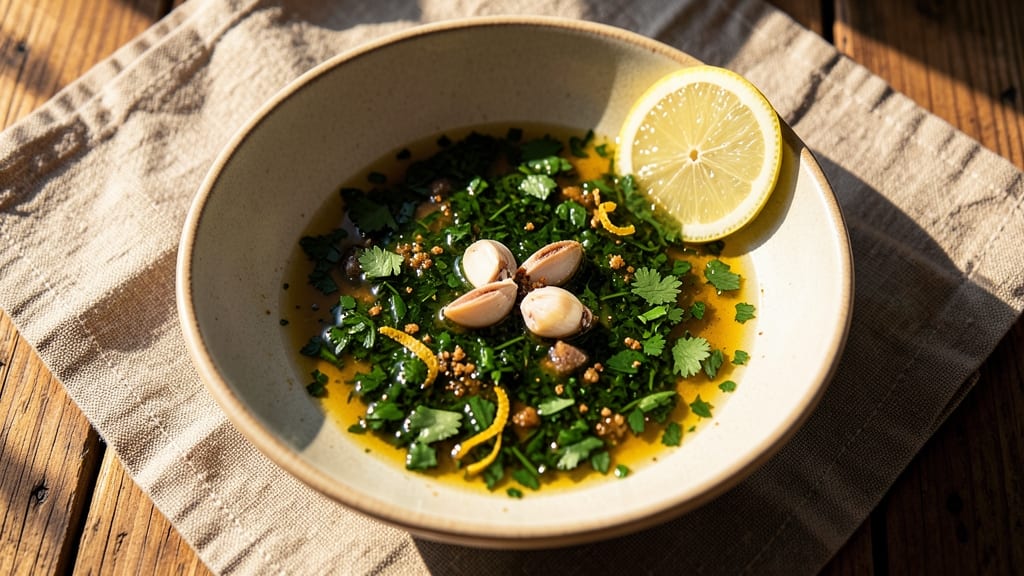
This bacalao-inspired salad dressing transforms simple greens into a Mediterranean masterpiece with its bold anchovy brightness and herby depth. The secret lies in balancing salty, umami-rich anchovies with zesty lemon and aromatic herbs, creating a dressing that clings to every leaf while enhancing the natural flavors of your salad.
I developed this recipe after realizing how often store-bought dressings fell short of the vibrant, complex taste I craved for my favorite seafood-inspired dishes.
The dressing comes together in just 5 minutes with simple ingredients you likely already have: high-quality olive oil, fresh herbs, garlic, and a touch of lemon juice. The anchovies dissolve seamlessly into the emulsion, creating a smooth, velvety texture that's neither too thick nor too thin.
What sets this apart is the herb blend—parsley and chives add freshness while maintaining that signature Mediterranean profile that pairs perfectly with grilled fish, seafood salads, or even as a marinade for vegetables.
What you'll end up with is a dressing that's tangy yet balanced, with layers of garlic, lemon, and anchovy that elevate any salad from ordinary to extraordinary. The texture is silky-smooth, clinging beautifully to greens without overwhelming them.
This isn't just another vinaigrette—it's a flavor bomb that turns a simple salad into a restaurant-worthy dish. The best part? It keeps well in the fridge for up to a week, so you can make a batch and enjoy it all week long.
Perfect for pairing with grilled shrimp, seared scallops, or even as a finishing drizzle for roasted vegetables, this dressing is versatile enough for any meal. Whether you're preparing a light lunch or a sophisticated seafood dinner, this recipe delivers restaurant-quality flavor with minimal effort.
Let's get started on creating your own batch of this anchovy-infused masterpiece.
Ingredients for bacalao salad dressing
Nine ingredients transform your salad game with Mediterranean brilliance and anchovy depth.
| Ingredient | Amount | Notes |
|---|---|---|
| Anchovy Fillets 🐟 | 4 whole | High-quality, packed in oil |
| Extra-Virgin Olive Oil 🫒 | ¾ cup | Fruity, peppery variety preferred |
| Fresh Lemon Juice 🍋 | 3 tbsp | Freshly squeezed, seeds strained |
| Fresh Parsley Leaves 🌿 | ½ cup | Finely chopped, stems removed |
| Fresh Chives 🌱 | ¼ cup | Finely chopped, mild onion flavor |
| Garlic Cloves 🧄 | 3 cloves | Peeled, minced into paste |
| Dijon Mustard 🌶️ | 1 tbsp | High-quality, for emulsification |
| Diamond Crystal Kosher Salt 🧂 | ½ tsp | Fine grain, adjust to taste |
| Freshly Ground Black Pepper 🌶️ | ¼ tsp | Freshly cracked for best flavor |
The anchovies are non-negotiable here—Colavita or Melissano brands are my go-to, available at Whole Foods or well-stocked grocery stores. Look for fillets packed in oil, not saltwater, for better flavor integration. Fresh herbs make all the difference; farmers markets often have the most vibrant parsley and chives, but the grocery store works too if you pick firm, bright green leaves. The olive oil should be fruity and peppery—California Olive Ranch or Bertolli are reliable choices. For the garlic, I always use three cloves because that's the sweet spot between subtle and overpowering in this dressing.
No anchovies? Three anchovy-free alternatives work: substitute with 1 tbsp soy sauce or fish sauce for umami, 1/4 cup white wine vinegar for tang, or 1/4 cup capers for briny depth. Fresh herbs wilt fast? Dried parsley and chives at half the amount work in a pinch (though texture suffers). The Dijon mustard is crucial for emulsification—substitute with 1 tbsp whole-grain mustard if you're avoiding gluten. For a smoother texture, blend the garlic with the olive oil first before adding other ingredients. The lemon juice can be bottled if fresh isn't available, but freshly squeezed gives that restaurant-quality zing.
Store this dressing in a glass jar with a tight seal in the fridge for up to 7 days. The flavor actually improves after the first day as everything melds together. For longer storage, transfer to an airtight container and freeze for up to 3 months. I like to make a double batch—one for immediate use and one to freeze. When ready to use, give it a good shake or whisk to re-emulsify. This dressing clings beautifully to greens, grilled fish, or roasted vegetables, so make extra if you're serving a crowd.
Why You'll Love This Recipe
- Five-Ingredient Magic: Between us, this dressing takes zero effort—just mash those anchovies with olive oil, a squeeze of lemon, and a handful of chopped herbs. No blending, no straining, no stress. That’s it.
- Umami Bomb: Honestly, the anchovies here? They’re the secret weapon. One tiny fillet dissolves into rich, salty depth, while the lemon cuts through like a bright knife—perfect for turning simple greens into something ridiculously good.
- Lunchbox Hero: I make a big batch on Sundays and keep it in the fridge for the week. Drizzle it over salads, toss it with grilled fish, or even slather it on crusty bread—it’s my go-to for quick, flavor-packed meals that don’t skimp on taste.
- Budget Brightener: Anchovies are cheap, olive oil lasts forever, and herbs stretch across multiple uses. For the cost of a fancy bottle of dressing, I get weeks of this bright, savory punch—no guilt, all flavor.
Step-by-step instructions for anchovy-bright salad dressing
This dressing delivers bold Mediterranean flavor with a perfect balance of tang and herby freshness.
Prepare the Anchovy Paste
Place the 4 whole anchovy fillets in a small bowl and cover with 3 tablespoons of the extra-virgin olive oil. Let them soak for 10 minutes while you prepare the remaining ingredients. This allows the anchovies to soften and release their intense umami flavor into the oil.
After soaking, transfer the anchovies and their oil to a food processor or mini chopper. Pulse until you achieve a completely smooth paste—no visible pieces should remain. This step is crucial for creating an even, velvety dressing without any grainy texture. The anchovies should dissolve completely into the oil, creating a deep, savory base.
Blend the Herbs and Garlic
In the same food processor, add the 0.5 cup finely chopped parsley leaves and 0.25 cup finely chopped chives. Pulse briefly just to combine the herbs without breaking them down into a paste. You want to maintain their texture for visual appeal and subtle bite in each bite.
Add the 3 cloves minced garlic paste and pulse again just until evenly distributed. The garlic should be completely incorporated but still identifiable as distinct flecks. This ensures you get the full aromatic punch without overpowering the dressing. The combination of parsley and chives creates a fresh, bright herbal note that balances the anchovies' saltiness.
Emulsify with Mustard and Citrus
With the food processor running, slowly drizzle in the remaining 0.5 cup extra-virgin olive oil while scraping down the sides as needed. This gradual addition creates a stable emulsion that won't separate. Add the 1 tablespoon Dijon mustard and 3 tablespoons fresh lemon juice through the feed tube, continuing to process until everything is perfectly combined.
The mustard acts as an emulsifier, binding the oil and water-based ingredients together. The lemon juice adds bright acidity that cuts through the richness of the anchovies and oil. Process until the mixture is completely smooth and homogeneous—about 1-2 minutes of continuous blending. The dressing should coat the back of a spoon and hold its shape when drizzled.
Season and Rest
Transfer the dressing to a small bowl and stir in the 0.5 teaspoon Diamond Crystal kosher salt and 0.25 teaspoon freshly ground black pepper. Taste immediately and adjust the seasoning if needed—you might need a touch more salt to enhance the anchovies' flavor or a splash of lemon juice for extra brightness.
Let the dressing rest for 15-20 minutes at room temperature before using. This resting period allows all the flavors to meld together and the emulsion to fully stabilize. The dressing will thicken slightly as it comes to room temperature, achieving the perfect consistency for drizzling over salads or tossing with greens. Store any leftovers in an airtight container in the refrigerator for up to 5 days, giving it a gentle shake before each use to re-emulsify.
Pro Tips For Making Bacalao Salad Dressing
- Soak the Anchovies First: Toss those anchovy fillets in warm water for 10 minutes before mashing—it softens their texture and cuts the saltiness. I used to skip this and ended up with a dressing that tasted like a salt mine. Trust me, the flavor balances better after soaking.
- Use a Mortar and Pestle: Blending anchovies in a food processor turns them into paste, but crushing them by hand with olive oil and lemon juice releases more flavor. It’s messy, but the result is richer and more aromatic—like the difference between a handshake and a hug.
- Strain the Dressing: After blending, strain the dressing through a fine-mesh sieve to remove any leftover anchovy bits or herb stems. It might feel like extra work, but your salad will look polished and taste smoother—no one wants a mouthful of parsley stems with their first bite.
- Add Lemon Gradually: Start with half the lemon juice and taste as you go. Too much acid can overpower the anchovies, and you’ll regret it later. I’ve ruined batches by dumping it all in at once—now I add it drop by drop until it’s bright but balanced.
Pro cooking tips for great bacalao salad dressing
Anchovy Emulsion Secrets
Anchovies are the flavor powerhouse here, but their proper preparation makes all the difference. Start by soaking them in 3 tbsp olive oil for 10 minutes—this softens them and prevents a fishy aftertaste. I use Colavita brand anchovies because their oil-packed variety dissolves beautifully.
Pulse them in a food processor until completely smooth, ensuring no visible pieces remain. This creates a velvety base that won't separate later. 🐟
Herb Texture Matters
Fresh herbs should be chopped finely but not pulverized—think pulse 3-4 times in your food processor. The parsley and chives add brightness while maintaining texture. For extra freshness, I grab herbs from my local Whole Foods market where they're consistently vibrant.
If using dried herbs, reduce to half the amount and blend them longer to mimic fresh texture. The goal is a dressing that looks as good as it tastes.
Emulsification Mastery
The key to a stable dressing lies in slow, steady oil addition. With the processor running, drizzle in the remaining 0.5 cup olive oil over 30-45 seconds while scraping down the sides. The Dijon mustard is non-negotiable here—it acts as a natural emulsifier that binds oil and water-based ingredients.
For a smoother texture, I recommend using a high-quality Vitamix or Cuisinart mini-chopper for consistent blending. 💫
Acid Balance Tricks
The lemon juice should be freshly squeezed and strained to avoid bitterness. For extra tang, I sometimes add 1 tsp of white wine vinegar alongside the lemon. Taste as you go—if the dressing tastes flat, add another ½ tsp lemon juice.
The acidity cuts through the richness of the anchovies and oil, creating that perfect Mediterranean brightness. Store-bought lemon juice works in a pinch, but fresh makes all the difference.
Resting for Perfection
Never skip the 15-20 minute rest at room temperature. This allows flavors to meld and the emulsion to fully stabilize. I find the dressing thickens slightly during this time, achieving that ideal consistency for drizzling.
For make-ahead prep, store in an airtight glass jar in the fridge for up to 7 days. Before each use, give it a good shake or whisk to re-emulsify—this dressing always comes back together beautifully. ✨
Equipment Upgrades
While a basic food processor works, I've found that a high-speed blender like the Ninja BN601 creates an even smoother texture. For small batches, a mini food chopper saves counter space without sacrificing quality.
The key is consistent blending speed—too fast and you'll overheat the dressing; too slow and you might end up with separation. A small whisk also works well if you prefer hand-blending, though it requires more elbow grease. 💡
Nutrition facts
Frequently asked questions
Can I make this dressing without anchovies?
For a similar umami depth, substitute with 1 tbsp soy sauce or fish sauce, or use ¼ cup white wine vinegar for tang. For briny notes, try ¼ cup capers instead. The anchovies provide that signature Mediterranean saltiness, but these alternatives work beautifully in a pinch.
How long does this dressing keep in the fridge?
This dressing stays fresh for up to 7 days when stored in an airtight glass jar. The flavors actually improve after the first day as everything melds together. For longer storage, transfer to an airtight container and freeze for up to 3 months. Always give it a shake before using to re-emulsify.
What's the best way to prevent separation?
Slowly drizzle the olive oil while blending and use Dijon mustard as your emulsifier. Let the dressing rest for 15-20 minutes before using - this helps stabilize the emulsion. If it separates later, just whisk vigorously or shake the jar to recombine. The key is patience and proper blending technique.
Can I use this dressing on non-salad dishes?
This versatile dressing works beautifully on grilled seafood, roasted vegetables, or even as a marinade for chicken. The anchovy brightness pairs perfectly with grilled shrimp or seared scallops. Just drizzle lightly over hot dishes to prevent the oil from separating. It also makes an excellent finishing sauce for pasta.
Why does my dressing taste too salty?
The anchovies are naturally salty, so taste as you go and adjust with lemon juice first to balance flavors. If needed, add a splash of water or more olive oil to dilute. For future batches, reduce the salt by ¼ tsp or use lower-sodium anchovies. The dressing should be tangy yet balanced, not overwhelmingly salty.