
Salads
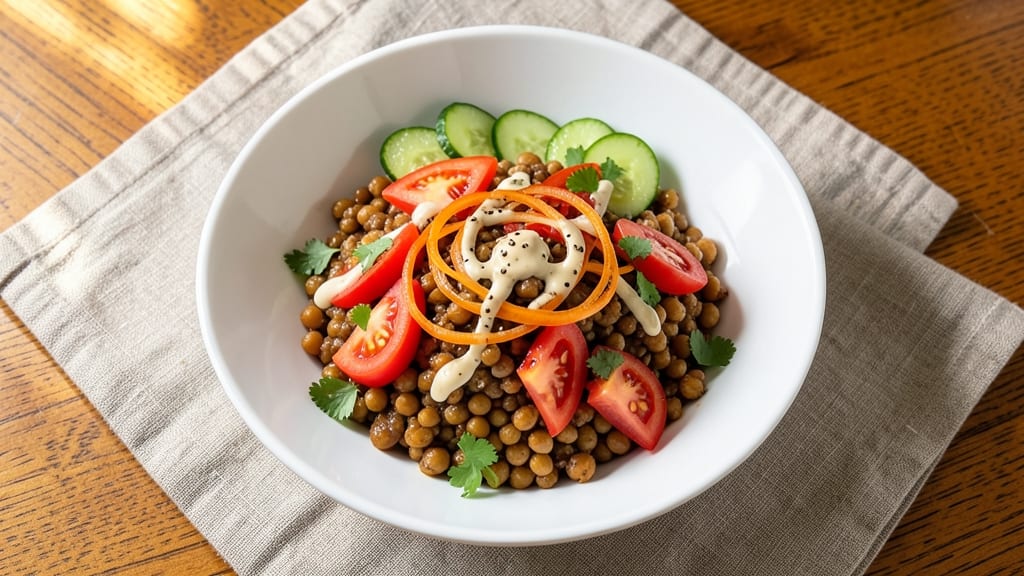
This boiled moong salad recipe delivers a protein-packed, crunchy bite with bright citrus notes that balance the earthy moong beans perfectly. The secret lies in soaking and boiling the beans just right—firm enough to hold shape but tender enough to soak up the tangy dressing.
I developed this version to create a satisfying, plant-based meal that’s quick to prepare yet packed with flavor and nutrition.
The salad’s foundation is simple: boiled moong dal tossed with fresh vegetables like cucumber, tomato, and red onion, all brightened by a zesty lemon-tahini dressing. The key technique is ensuring the beans are cooked al dente—overcooking turns them mushy, while undercooking leaves them unappetizing.
This method guarantees a crisp texture that holds up even after mixing with the dressing.
What makes this salad stand out is its versatility—it works as a light lunch, a side dish, or even a protein-rich snack. The tangy dressing cuts through the earthiness of the beans, while the fresh vegetables add a satisfying crunch.
Serve it chilled for the best texture, and you’ll have a dish that’s as nutritious as it is delicious.
For extra depth, consider adding toasted cumin seeds or a sprinkle of chaat masala for a traditional touch. If you prefer a creamier texture, a drizzle of coconut yogurt (for vegetarian versions) adds richness without overpowering the citrusy tang. Let’s get started!
Ingredients for boiled moong salad
Crisp moong beans meet zesty dressing—just 14 ingredients for a protein punch.
| Ingredient | Amount | Notes |
|---|---|---|
| Yellow Moong Dal (Split Yellow Lentils) 🌾 | 1 ½ cups | Dry, uncooked lentils preferred |
| Fresh Cucumber 🥒 | 1 medium | Seedless, English preferred |
| Medium Tomatoes 🍅 | 2 whole | Vine-ripened, diced |
| Red Onion 🧅 | ½ medium | Thinly sliced, white part only |
| Fresh Lemon Juice 🍋 | 3 tbsp | Freshly squeezed |
| Tahini (Sesame Paste) 🥜 | ¼ cup | 100% sesame, no additives |
| Extra-Virgin Olive Oil 🫒 | ¼ cup | Light, fruity variety |
| Garlic Cloves 🧄 | 3 cloves | Fresh, minced |
| Ground Cumin 🌿 | ½ tsp | Toasted for depth |
| Salt 🧂 | ½ tsp | Diamond Crystal preferred |
| Black Salt (Kala Namak) 🧂 | ¼ tsp | Optional, for sulfur kick |
| Fresh Coriander Leaves 🌿 | ¼ cup | Chopped, stems removed |
| Coconut Yogurt (Vegan) 🥛 | ¼ cup | Unsweetened, for creaminess |
| Toasted Cumin Seeds 🌿 | ½ tsp | For garnish, optional |
The moong dal is non-negotiable here. Whole Foods or Indian grocery stores carry the best quality—look for vibrant yellow color, not dull or grayish lentils. Soaking overnight in warm water (not boiling) softens them perfectly. Patel Brothers or Apna Bazaar online have great bulk options if your local store lacks variety. Freshness matters most with cucumbers and tomatoes—pick ones with crisp skins and no soft spots. The lemon juice should be freshly squeezed; bottled just won’t cut it for that bright tang you’re after.
No tahini? Substitute with peanut butter at half the amount, though texture will differ slightly. Running short on cumin? Smoked paprika at one-third the quantity adds depth. The black salt is optional but adds that signature Indian restaurant flavor—if you can’t find it, extra garlic powder works in a pinch. For the coconut yogurt, So Delicious or Forager brands are the most reliable for vegan versions. The dressing ratio is key: tahini to lemon to olive oil should be 1:1:1 for perfect balance. If you’re feeling adventurous, miso paste at one tablespoon adds umami magic.
Store the cooked moong dal in an airtight container with a damp paper towel for up to 4 days in the fridge. Fresh veggies keep 3-5 days if wrapped properly. The dressing stays fresh for 5 days in the fridge, but add lemon juice just before serving to prevent browning. For meal prep, assemble everything the night before—flavors meld beautifully overnight. The salad reheats well if you’re using it for lunches, though texture is best when served chilled.
Why You'll Love This Recipe
- No-Fuss Cooking: I swear by this salad because it’s the kind of dish that lets me not stress. Just boil the moong dal until tender—no soaking, no fancy techniques—and toss it with chopped cucumber, onion, and tomatoes while it’s still warm. The lemon juice ties everything together in minutes, and honestly? I’ve made it while chatting on the phone.
- Tangy Crunch Magic: That first bite of warm moong dal with cool cucumber and the sharp kick of lemon? It’s like summer in a bowl. The onions add a bite, the tomatoes bring sweetness, and the moong dal soaks up just enough flavor to make every mouthful ridiculously satisfying. (Yes, even on a Tuesday night.)
- Lunchbox Hero: Between us, this is my go-to for packed lunches—it stays fresh for days in the fridge, and the flavors only get better as the moong dal softens. I’ll often double the batch because it’s just as good cold as it is fresh, and my kids actually eat it (no complaints about soggy salads here).
- Pocketbook Friendly: A cup of yellow moong dal costs pennies, and the veggies? You can use whatever’s on sale. No fancy ingredients, no waste—just a salad that’s light on your wallet and heavy on the flavor. Plus, it’s one of those rare dishes where leftovers taste just as good as day one.
Step-by-step instructions for boiled moong salad
Here's how to transform simple ingredients into a vibrant, protein-rich salad with perfect texture and zesty flavor.
Cook the Yellow Moong Dal Until Perfectly Tender
Rinse the 1.5 cups yellow moong dal thoroughly under cold water until the water runs clear. This removes any bitterness and ensures even cooking. In a medium pot, combine the rinsed lentils with 6 cups water and bring to a boil over high heat. Once boiling, reduce to medium-low heat, cover, and simmer for 20-25 minutes until the lentils are tender but still hold their shape.
Real talk: The lentils should be soft enough to mash slightly between your fingers but not mushy. If they're still firm after 25 minutes, add ½ cup water and continue cooking for another 5 minutes. Drain any excess water and let them cool slightly before proceeding. This step is crucial—overcooking turns them into mush, while undercooking leaves them chalky.
Prepare the Vegetable Base for Maximum Crunch
While the lentils cook, peel and thinly slice the 0.5 medium red onion (use only the white part) and dice the 2 whole medium tomatoes into ¼-inch pieces. For the 1 medium fresh cucumber, cut it in half lengthwise, then slice into ¼-inch half-moons. Place all vegetables in a large mixing bowl and sprinkle with 0.5 tsp salt and 0.5 tsp ground cumin. Toss gently to distribute the seasoning evenly.
Let the vegetables sit for 5 minutes to draw out excess moisture. This prevents a watery salad later. I know it seems counterintuitive to add salt before mixing everything, but it helps balance flavors and enhances the natural sweetness of the veggies. After the waiting period, give them another quick toss to redistribute any juices that have formed.
Create the Tangy Tahini Dressing
In a small bowl, whisk together the 0.25 cup tahini, 0.25 cup extra-virgin olive oil, 3 tbsp fresh lemon juice, 3 minced garlic cloves, 0.25 tsp black salt (kala namak), and 0.25 cup coconut yogurt (vegan). Start with a slow whisk to combine, then increase speed to medium for 1-2 minutes until the mixture is smooth and creamy.
Here's the thing—tahini can be thick, so don't be surprised if it doesn't blend immediately. If needed, add 1-2 tablespoons of water to loosen it. Taste the dressing before combining with the salad. It should be tangy, slightly garlicky, and rich from the tahini. Adjust the seasoning with more lemon juice or salt if needed. This dressing is the soul of your salad, so take your time getting it right.
Combine All Ingredients for Perfect Balance
Add the cooled yellow moong dal to the seasoned vegetables and gently fold in with a spatula. Pour the tahini dressing over the top and mix everything together until fully combined. Fold in the 0.25 cup chopped fresh coriander leaves last—they're delicate and can get mushy if mixed too early. Taste and adjust seasoning if needed, adding more lemon juice for tang or salt for depth.
The salad should have a bright, citrusy tang from the lemon, a creamy richness from the tahini and yogurt, and a satisfying crunch from the fresh vegetables. If it's too thick, add 1-2 tablespoons of water to loosen it slightly. Let it sit for 10 minutes before serving to allow all the flavors to meld together. This resting period makes a world of difference in how the flavors develop.
Garnish and Serve for Maximum Appeal
Transfer the salad to a serving platter and sprinkle with the 0.5 tsp toasted cumin seeds for an aromatic finish. The cumin seeds add a subtle warmth that complements the cool, fresh flavors of the salad. Serve immediately while the vegetables are still crisp and the dressing is vibrant. This salad keeps well in the refrigerator for up to 2 days, but the texture is best enjoyed fresh.
For the ultimate presentation, serve with warm whole wheat pita bread or alongside grilled chicken for a complete meal. The contrast of warm bread with this cool, refreshing salad is pure magic. Each bite delivers a perfect balance of protein, crunch, and zesty flavor—exactly what makes this salad so special.
Pro Tips For Making Boiled Moong Salad
- SOAK MOONG DAAL 4 HOURS: I learned this the hard way—rushing the soak leaves your moong dal mealy instead of fluffy. Even if you’re in a hurry, a quick rinse followed by a 4-hour soak (or overnight) in warm water makes all the difference. Skip this, and your salad will taste like mush.
- CUT ONION FINE—NO CHUNKS: Big onion pieces sit like rocks in your salad. Dice them into tiny, even cubes—about ¼-inch or smaller—so every bite has that sharp, fresh crunch. (Yes, even if your knife gets tired halfway through.)
- LEAVE MOONG DAAL SLIGHTLY UNDERCOOKED: Overcooked moong dal turns to paste. Test for doneness by tasting a few grains—if they’re still slightly firm but softening, they’re perfect. Drain immediately when they’re 80% done; they’ll finish cooking in the dressing.
- SALT THE WATER—BUT NOT TOO SOON: Add salt to the boiling water after the moong dal starts cooking, not at the beginning. Too early, and the lentils absorb too much water and split unevenly. Wait until they’ve simmered for 3-4 minutes, then season—this keeps them intact and flavorful.
Common mistakes when making great boiled moong salad
Overcooking Moong
This is the #1 mistake I see—turning perfectly good moong dal into mushy, flavorless mush. The beans should be tender but still hold their shape, like al dente pasta. I’ve ruined countless batches by walking away and letting them simmer too long.
Set a timer for 20-25 minutes and check at 20 minutes—they’re done when they mash slightly between your fingers but don’t fall apart. If they’re still firm, add ½ cup water and cook 5 more minutes max. 🌱
Skipping the Soak
While you can cook moong dal without soaking, skipping this step makes them take longer to soften and can leave them slightly chalky. I learned this the hard way—my first batch took 40 minutes instead of 25 and had a weird texture.
Soak the lentils in warm water for 4-6 hours (or overnight) before cooking. Drain and rinse well before boiling to remove any bitterness. This step cuts cooking time by 15 minutes and improves texture dramatically.
Using Bottled Lemon Juice
Fresh lemon juice is non-negotiable for that bright, zesty tang that cuts through the earthiness of the moong. Bottled juice lacks the complexity and can taste flat. I once used bottled juice out of convenience and noticed the salad lacked depth.
Always use freshly squeezed juice—it’s worth the 2 minutes it takes to zest a lemon. If you’re worried about waste, freeze halved lemons in a bag for future use. 🍋
Adding Dressing Too Early
Mixing the tahini dressing with the salad immediately after cooking releases too much moisture from the vegetables, turning your crisp salad into a soggy mess. Let everything cool completely and rest for 10 minutes before adding the dressing.
This gives the vegetables time to firm up slightly. I’ve seen home cooks skip this step and end up with a watery, sad salad. Patience here makes all the difference.
Ignoring the Resting Period
The 10-minute rest before serving is where flavor magic happens. This lets the dressing absorb into the beans and vegetables, balancing all the components. I’ve rushed salads to the table only to have guests complain about uneven flavors.
Use this time to prep garnishes or set the table—it’s a small investment for big flavor payoff. The resting period also helps the tahini emulsify better with the lemon juice, creating a smoother dressing.
Over-salting the Vegetables
Adding too much salt to the vegetables before mixing everything can make the salad taste bland once the dressing is added. The tahini and yogurt already contain salt, so start with just 0.5 tsp and taste as you go.
I’ve made this mistake and ended up with a salad that needed more lemon juice to balance the saltiness. Season gradually—you can always add more salt, but you can’t take it out. The goal is a bright, balanced flavor, not a salty one.
Nutrition facts
Frequently asked questions
Can I use canned moong dal instead of dry lentils?
You can absolutely use canned moong dal for convenience, but the texture will be slightly softer. Drain and rinse the canned lentils thoroughly to remove excess sodium, then follow the same cooking instructions. For best results, use a high-quality brand like Patanjali or Top Rated Foods, and reduce the cooking time to 5-10 minutes to avoid overcooking.
How do I make this salad spicier?
Add ½ tsp red chili powder or 1 tsp finely chopped green chili to the dressing for heat. For extra kick, mix in 1 tsp chaat masala or a pinch of cayenne pepper. Adjust to taste—start small, as spices intensify after resting. If using fresh chilies, remove seeds for less heat but more flavor.
Can I make this salad ahead of time?
Yes! Prepare all components separately and store them in airtight containers for up to 2 days. Keep the dressing and vegetables separate until serving to maintain crispness. Combine everything just before eating—this ensures the best texture and prevents sogginess. The moong dal can be cooked and refrigerated for 3 days if stored properly.
What if I don't have tahini?
No problem! Substitute with ½ cup Greek yogurt (or coconut yogurt for vegan) plus 1 tbsp olive oil. For a nutty flavor, use ¼ cup peanut butter (thinned with water) instead. The salad will still be delicious, though the texture will differ slightly. If using peanut butter, add 1 tsp lemon juice to balance the richness.
Is this salad safe for people with nut allergies?
Yes, this recipe is naturally nut-free as long as you use a 100% sesame-free tahini substitute. For nut allergies, replace tahini with ¼ cup olive oil + 1 tbsp mustard (for tang) or omit it entirely. Always check labels on all ingredients to ensure no cross-contamination with nuts.