
Sauces & Condiments
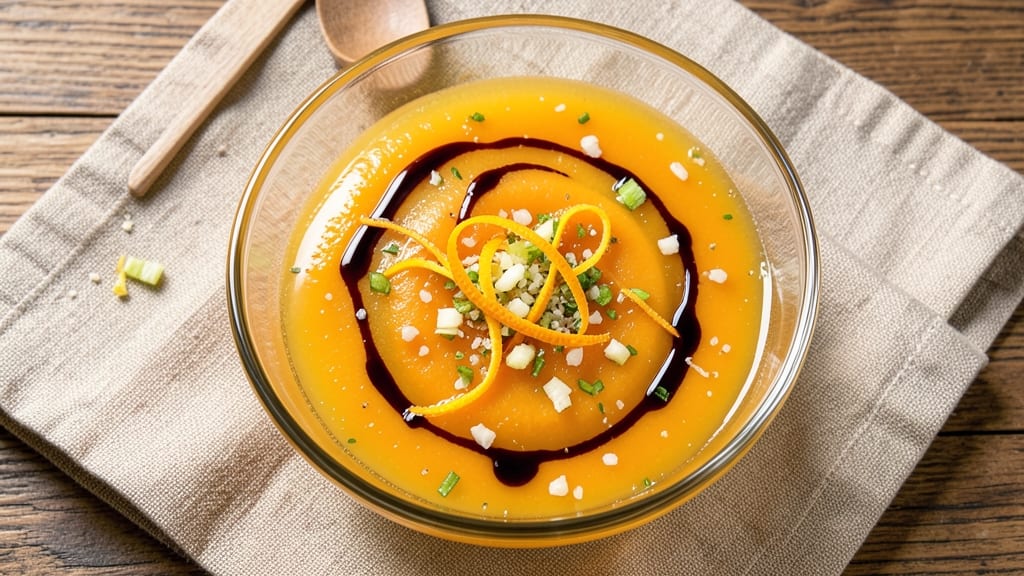
This Asian orange salad dressing recipe transforms ordinary salads into vibrant, flavor-packed meals with just a few simple ingredients. The bright citrus notes of orange juice and zest blend seamlessly with umami-rich soy sauce, garlic, and ginger, creating a dressing that's both refreshing and deeply satisfying.
What makes this recipe stand out is its versatility—it elevates everything from crisp green salads to hearty grain bowls, all while keeping prep effortlessly simple.
The foundation of this dressing lies in balancing sweet, tangy, and savory flavors. Fresh orange juice provides the signature zing, while a touch of honey or sugar rounds out the acidity. Soy sauce and rice vinegar add depth, and a hint of sesame oil introduces that unmistakable Asian aromatic profile.
The result is a dressing that’s bold yet balanced, with just the right amount of complexity to make salads unforgettable.
What you’ll love most is how quickly this dressing comes together—just whisk a few ingredients, and you’re ready to drizzle. It stays fresh in the refrigerator for up to a week, making it perfect for meal prep.
Whether you’re serving it over a bed of mixed greens, tossing it with noodles, or using it as a marinade, this dressing delivers restaurant-quality flavor without the fuss.
For extra depth, consider adding a dash of chili paste for heat or a spoonful of tahini for creaminess. Pair it with grilled meats, roasted vegetables, or fresh sushi rolls for a truly memorable dining experience. Let’s get started!
Ingredients for asian orange salad dressing
Bright citrus meets umami depth in this vibrant Asian-inspired dressing.
| Ingredient | Amount | Notes |
|---|---|---|
| Fresh Orange Juice 🍊 | ½ cup | Freshly squeezed, no pulp |
| Orange Zest 🍊 | 1 tbsp | From organic orange peel |
| Rice Vinegar 🍶 | ¼ cup | Unseasoned for brightness |
| Low-Sodium Soy Sauce 🥢 | ¼ cup | Kikkoman preferred |
| Fresh Ginger 🌿 | 1 tbsp | Grate finely, fresh only |
| Garlic Cloves 🧄 | 2 cloves | Minced, fresh preferred |
| Sesame Oil 🫒 | 1 tbsp | Toasted, not flavored |
| Honey 🍯 | 1 tbsp | Raw preferred for purity |
| Toasted Sesame Seeds 🌰 | 1 tsp | For garnish, optional |
| Diamond Crystal Kosher Salt 🧂 | ¼ tsp | Fine grain preferred |
The orange juice should be freshly squeezed—navel or Valencia oranges work best. Whole Foods or local farmers markets often have the juiciest oranges, but any fresh variety will do. For the zest, use an organic orange if possible; conventional oranges sometimes have wax coatings. The ginger should be fresh and aromatic—no powdered substitutes here. Trader Joe's carries pre-grated ginger if you're short on time, but freshly grated has that extra punch. Soy sauce is non-negotiable for umami depth—Kikkoman is my go-to, but any quality low-sodium soy will work.
No fresh orange juice? Fresh-squeezed lemon juice with a splash of orange liqueur can mimic the citrus profile. Substituting rice vinegar? Apple cider vinegar at half the amount works in a pinch. The honey can be swapped for maple syrup or agave nectar if you're avoiding refined sugar. For extra depth, add a dash of chili paste or a spoonful of tahini. The sesame oil should be toasted—not the flavored kind from the Asian aisle. If you're missing sesame seeds for garnish, toasted pumpkin seeds make a nice alternative.
This dressing keeps beautifully in the fridge for up to 1 week when stored in an airtight jar. Shake well before each use. For meal prep, double the batch and store in small containers—perfect for lunches. If it separates, just give it a good whisk. The flavors actually improve after 24 hours as everything melds together. Freeze for up to 3 months if you need to stock up. The sesame seeds can be toasted fresh whenever you're ready to serve.
Why You'll Love This Recipe
- Five-Ingredient Magic: The pantry already has most of this—just add fresh oranges and ginger. No fancy tools, no waiting for marinades, just stir and go.
- Bright Tangy Zing: That ginger-orange punch cuts through greasy takeout or bland roasted veggies like a wake-up call. Honestly, I’ve never met a salad that didn’t taste better with it.
- Lunchbox Superstar: Slather it on noodles, toss with grilled chicken, or drizzle over cold soba—it’s the one dressing that works everywhere. (Yes, even on my kid’s sad desk lunch.)
- Last-Minute Savior: Make a double batch on Sunday, store it in the fridge, and forget about dressing dilemmas all week. The rice vinegar keeps it fresh for days without weird textures.
Step-by-step instructions for Asian orange salad dressing
This vibrant dressing balances bright citrus with savory depth—just a few simple steps separate you from restaurant-quality flavor.
Prepare the Ginger-Garlic Base
In a small bowl, finely grate the 1 tablespoon fresh ginger using a microplane or grater. The zest should be smooth with no visible strings or chunks. In the same bowl, add the 2 cloves garlic cloves and mince them with a sharp knife until you have a fine paste—no large pieces should remain. This aromatic foundation builds the dressing's signature complexity.
I press down gently with the back of my knife to release all the garlic's juices into the bowl. This ensures maximum flavor extraction and prevents any lingering raw garlic taste. Set this mixture aside while you prepare the remaining ingredients—it'll mellow slightly as you work, which helps balance the bright citrus notes coming next.
Combine Wet Ingredients
In a medium bowl, whisk together the 0.5 cup fresh orange juice, 1 tablespoon orange zest, 0.25 cup rice vinegar, and 0.25 cup low-sodium soy sauce. The orange zest should dissolve completely, creating a fine suspension that adds both color and citrus aroma. I whisk vigorously for about 30 seconds to fully incorporate the zest and break up any pulp that might remain from the orange juice.
This is where the dressing's character starts to come together. The acidity from the rice vinegar begins cutting through the sweetness of the orange juice, while the soy sauce adds that essential umami depth. Taste the mixture now—it should be tangy with a hint of saltiness, but still bright and citrus-forward. If you taste it too early, you might be tempted to add more honey, but patience is key here.
Incorporate the Ginger-Garlic Mixture
Add the ginger-garlic mixture to the wet ingredients and whisk until completely combined. The dressing should now have a vibrant orange hue with a slightly thicker consistency from the ginger and garlic. I like to press the back of a spoon against the bowl's side to scrape up any ingredients clinging to the surface—this ensures an even distribution of all flavors.
This is also the perfect time to adjust the balance. If the dressing tastes too sharp, add a touch more honey—just ½ teaspoon at a time—to round out the flavors. Conversely, if it needs more acidity, add a splash of rice vinegar. The goal is a harmonious blend where the citrus brightness complements the savory elements rather than overpowering them.
Finish with Sesame Oil and Salt
Drizzle in the 1 tablespoon sesame oil while whisking continuously. The oil should emulsify quickly, creating a silky texture that coats the back of a spoon. Add the 1 tablespoon honey next, whisking until fully dissolved. Finally, sprinkle in the 0.25 teaspoon diamond crystal kosher salt and mix until it disappears completely.
At this stage, the dressing should have a glossy sheen and a balanced flavor profile—bright citrus notes with a smooth, nutty finish from the sesame oil. Taste again and make any final adjustments. If it needs more depth, add a tiny bit more soy sauce. If it's too thick, thin it with 1 teaspoon water at a time until it reaches a pourable consistency that clings lightly to greens or proteins.
Rest and Garnish
Transfer the dressing to a clean jar and let it rest at room temperature for at least 10 minutes. This resting period allows the flavors to meld and the texture to stabilize. I find that even 30 minutes in the refrigerator enhances the flavor development, making it taste even more complex.
Before serving, sprinkle with 1 teaspoon toasted sesame seeds for added texture and visual appeal. These seeds not only provide a delightful crunch but also enhance the dressing's nutty aroma. The seeds should be evenly distributed throughout—just give the jar a gentle shake before pouring to ensure each serving gets its share. This dressing keeps well in the refrigerator for up to 5 days, making it perfect for meal prep.
Pro Tips For Making Asian Orange Salad Dressing
- STRAIN THE GINGER: Grate it fresh—no shortcuts—but don’t skip the straining. After grating, press the ginger through a fine-mesh sieve to remove the fibrous bits. I learned this the hard way when my dressing had a weird texture from lingering ginger strings. A spoon works in a pinch, but a sieve is faster.
- ZEST FROM THE RIGHT SPOT: Skip the dull outer peel—aim for the bright orange layer just beneath it. Use a microplane and hold it at a 45-degree angle for clean, fine zest. Too much thick peel? Your dressing will taste bitter. (Yes, even if you’re impatient like me.)
- MIX THE VINEGAR LAST: Add rice vinegar to the warm orange juice (if you’re gently heating it) after the ginger and zest have steeped for 5 minutes. This lets the flavors meld before the acid cuts in—otherwise, you’ll end up with a sharp, unbalanced dressing. Trust the process.
- DILUTE BEFORE TASTING: Start with 1 tablespoon of water per ¼ cup dressing, then adjust. Tasting undiluted? You’ll overcompensate with more soy sauce or vinegar. A splash of water smooths the acidity without thinning the flavor—your salad will thank you. (Your future self will too.)
Essential equipment for great asian orange salad dressing
Basic Mixing Tools
You don’t need a fancy kitchen to make this dressing—just a whisk and a medium-sized bowl will do. I use a stainless steel whisk (like the OXO Good Grips) because it’s durable and cleans up easily.
For small batches, a mason jar works perfectly—just add all ingredients, seal the lid, and shake until smooth. 🥄
Measuring Essentials
Precision matters with citrus and vinegar, so grab a liquid measuring cup for the orange juice and rice vinegar. A microplane is ideal for zesting the orange (I love the Bamix Microplane), but a fine grater works too. For the ginger and garlic, a small knife and cutting board are all you need—just
Storage Containers
Store your dressing in an airtight glass jar or plastic container with a tight-sealing lid. I prefer Le Parfait jars because they’re leak-proof and stackable. For meal prep, divide into smaller containers (like 4-ounce mason jars) so you can grab just what you need. Label with the date—this dressing keeps for up to 1 week in the fridge. ❄️
Optional Upgrades
Want to take it to the next level? A small food processor or immersion blender can help emulsify the dressing for a silky texture. If you’re making this often, a mini whisk attachment for your stand mixer saves time.
For garnishing, a small spoon is perfect for sprinkling toasted sesame seeds over salads. 🌟
Cleanup Must-Haves
Keep a small bowl handy for rinsing zest and grated ginger. A fine-mesh strainer helps remove any pulp from the orange juice if you prefer a smoother texture.
Wipe down your whisk and bowl immediately after use—citrus can stain if left to sit. A dish towel nearby makes cleanup a breeze. 🧹
Nutrition facts
Frequently asked questions
Can I substitute fresh orange juice with bottled?
Freshly squeezed orange juice is ideal for its vibrant flavor, but you can use bottled 100% orange juice in a pinch. Look for brands without added sugars or preservatives. The texture will be slightly smoother, but you'll still get that bright citrus punch. For extra depth, add ½ teaspoon orange extract to mimic the zest's aroma.
How spicy should this dressing be?
The recipe is naturally balanced with no added heat, but you can easily adjust it! For a mild kick, add ½ teaspoon chili paste or ¼ teaspoon red pepper flakes. For a fiery version, increase to 1 teaspoon chili paste or ½ teaspoon sriracha. Start small—citrus and spice can be a powerful combo!
What salads pair best with this dressing?
This dressing shines on Asian-inspired salads like shrimp and mango, cucumber-papaya, or sesame green bean salads. It also works beautifully with Western greens like arugula or spinach, especially when paired with grilled chicken or tofu. Try it on grain bowls with quinoa or rice for a complete meal!
Why did my dressing separate?
Citrus dressings can separate if the oil and liquid ingredients aren't properly emulsified. Whisk vigorously for 1 full minute after adding the sesame oil, or use a handheld blender for 10 seconds to combine everything smoothly. If separation happens later, just give it a good shake before using. Adding 1 teaspoon cornstarch to the wet ingredients can help stabilize it.
Can I make this dressing vegan?
Simply replace the honey with 1 tablespoon maple syrup or agave nectar, and use a vegan soy sauce like tamari. The dressing will still have that perfect balance of sweet, tangy, and umami flavors. All other ingredients are already plant-based!