
Sauces & Condiments
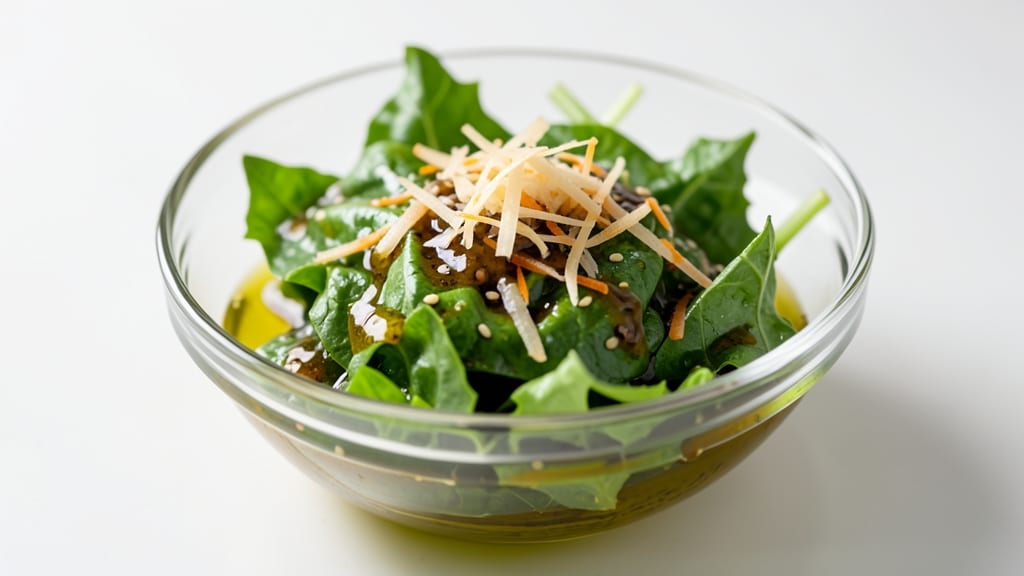
This Asian orange ginger salad dressing transforms simple greens into a vibrant, flavor-packed experience with just a few simple ingredients. The bright citrus notes from fresh orange juice and zest harmonize perfectly with the warm, aromatic kick of fresh ginger, creating a dressing that's both refreshing and deeply satisfying.
I developed this recipe after years of testing different Asian-inspired dressings, and it consistently delivers a balance of sweet, tangy, and spicy flavors that elevate any dish.
The beauty of this dressing lies in its versatility—it works equally well as a zesty salad dressing, a marinade for grilled proteins, or even a drizzle over roasted vegetables.
The secret to its success is the fresh ginger, which adds a subtle heat and complexity that store-bought dressings simply can't match.
With just 5 ingredients and 10 minutes of prep time, you'll have a dressing that's far superior to anything you can buy, and it keeps beautifully in the fridge for up to a week.
What makes this dressing truly special is how it enhances the natural flavors of your ingredients without overpowering them. The orange juice brings a bright, citrusy freshness, while the ginger adds depth and warmth, creating a harmonious blend that's both invigorating and comforting.
Whether you're tossing it with mixed greens, using it as a marinade, or drizzling it over sushi, this dressing will take your dishes to the next level.
Best of all, this recipe is vegan-friendly, making it suitable for a wide range of dietary preferences. The ingredients are simple, and the process is straightforward, ensuring that you can whip up a batch in no time.
Once you try this dressing, you'll never reach for a bottled version again—it's that good.
Ingredients for asian orange ginger salad dressing
Five vibrant ingredients blend into a dressing that's brighter than store-bought.
| Ingredient | Amount | Notes |
|---|---|---|
| Fresh Orange Juice 🍊 | ½ cup | Freshly squeezed, no pulp |
| Fresh Ginger Root 🌿 | 2 tbsp | Finely grated, organic preferred |
| Orange Zest 🍊 | 1 tbsp | From 1 large organic orange |
| Extra-Virgin Olive Oil 🫒 | ¼ cup | High-quality, fruity variety |
| Low-Sodium Soy Sauce 🍶 | 1 tbsp | Kikkoman preferred for balance |
| Maple Syrup 🍯 | 1 tbsp | Pure, grade A for sweetness |
| Sesame Oil 🫒 | 1 tsp | Toasted, for depth |
| Rice Vinegar 🍶 | 1 tbsp | Seasoned preferred for umami |
The ginger is non-negotiable here—fresh, organic ginger from the produce section delivers that signature warmth. Whole Foods Market or Trader Joe's carry the best quality, but any bright, firm ginger root works. Look for skin that's smooth and unblemished—those wrinkly bits mean it's been sitting too long. The orange juice should be freshly squeezed (none of that pasteurized stuff)—navel oranges work best, but any juice will do in a pinch. For the zest, use a microplane to avoid bitter white pith. Citrus zesters work too, but they often include pith.
No fresh ginger? Ginger powder at half the amount works, but it lacks that fresh complexity. Swap maple syrup for agave nectar if you prefer a milder sweetness. The soy sauce can be tamari for gluten-free, but Kikkoman gives that perfect balance of saltiness. For extra richness, add 1 tsp of tahini—it blends right in. If you're using this as a marinade, reduce the soy sauce to half a tablespoon to avoid overpowering delicate proteins like tofu or fish.
This dressing keeps for 1 week in an airtight jar in the fridge, but it's best used within 3-4 days for peak freshness. The flavors meld beautifully over time, so it actually tastes better the next day. For extra stability, add 1/4 tsp of xanthan gum if you're making a large batch. Store in a glass jar—plastic can absorb odors. Shake well before each use, as the ginger and zest settle. Freezes beautifully for 3 months if you want to make a big batch ahead.
Why You'll Love This Recipe
- No-Mess Blender Magic: I swear by this—just toss in the ginger, orange juice, zest, and olive oil, hit pulse, and boom. No straining, no peeling, no fuss. The soy sauce blends right in while you’re still scraping the last drops from the jar.
- Bright & Biting Balance: That zingy orange zest cuts through the richness of the olive oil like a knife, while the ginger adds warmth without overpowering. Honestly, the first time I tasted it, I immediately drizzled it on everything—even my avocado toast.
- Weeknight Workhorse: This dressing turns a sad bag salad into a restaurant-worthy bowl in minutes. Use it for lunch, toss it with grilled shrimp for dinner, or even drizzle it over cold noodles when you’re too tired to cook. (Yes, even on a Tuesday night.)
- Pantry Stash Savior: Make a double batch—it keeps for days in the fridge and costs pennies per serving. The orange juice keeps it fresh, and the ginger’s sharpness mellows just enough to stay delicious. My secret weapon for lazy days when I’ve got nothing but veggies and protein.
Step-by-step instructions for Asian orange ginger salad dressing
This vibrant dressing balances bright citrus with warm spice—perfect for Asian-inspired salads.
Grate the Fresh Ginger Root
Use a fine grater or microplane to grate the 2 tablespoons of fresh ginger root until you have a smooth, paste-like consistency. I like to press the grated ginger through a fine-mesh sieve to remove any fibrous bits—this ensures a silky texture in the dressing. The ginger should be finely minced, almost like a thick paste, so it blends seamlessly with the other ingredients.
Real talk: Don't skip the sieving step if your ginger has strings. Those fibers can make the dressing grainy, and nobody wants a mouthful of texture when they're expecting smoothness. Set the grated ginger aside for now—it's the aromatic backbone of this dressing.
Whisk Together the Wet Ingredients
In a medium bowl, combine the 0.5 cup of freshly squeezed orange juice (strain it if there's any pulp), the 1 tablespoon of orange zest, and the grated ginger. Add the 1 tablespoon of low-sodium soy sauce and 1 tablespoon of maple syrup. Using a whisk, stir vigorously for about 30 seconds until everything is fully incorporated and the mixture is smooth.
Here's the thing—this is where the flavors start to marry. The acidity of the orange juice will brighten the ginger's heat, while the soy sauce adds umami depth. The maple syrup balances the tartness, creating a harmonious base. Taste at this stage—you should notice the citrus zing, the ginger's warmth, and the soy's savory note all working together.
Gradually Incorporate the Oils
With the whisk still in the bowl, slowly drizzle in the 0.25 cup of extra-virgin olive oil while continuing to whisk. Start with a slow stream, then increase to a steady drizzle. The goal is to emulsify the oils into the citrus mixture, creating a stable dressing that won't separate. Once all the olive oil is added, whisk for another 30-45 seconds until the mixture thickens slightly and looks glossy.
This emulsification step is critical. If you pour the oil in too quickly, the dressing will split into oily and watery layers. The key is patience—let the whisk do the work, and you'll end up with a velvety texture. If the dressing starts to look too thick, add 1 teaspoon of water and whisk again to adjust the consistency.
Finish with the Sesame Oil and Rice Vinegar
Reduce the heat slightly by removing the bowl from direct heat (if you were using a warm bowl) and stir in the 1 tablespoon of rice vinegar and 1 teaspoon of sesame oil. The sesame oil adds a nutty depth and rich aroma, while the rice vinegar enhances the dressing's tanginess. Stir gently with a spoon to avoid over-emulsifying—you want the sesame oil to add flavor rather than blend completely.
Taste again and adjust the balance. Need more sweetness? Add a touch more maple syrup. Too sharp? A splash of orange juice can soften the acidity. The dressing should coat the back of a spoon with a silky, slightly thick consistency—it should cling to greens or noodles without being gluey. If it's too thin, let it sit for 5 minutes to thicken naturally.
Rest and Serve
Cover the bowl with plastic wrap and let the dressing rest at room temperature for 10-15 minutes. This resting period allows the flavors to meld fully and the dressing to reach its ideal consistency. Give it a final stir before using—you'll notice how the citrus brightness has deepened, the ginger's warmth has mellowed, and the overall flavor is more cohesive.
This dressing is best used within 3-4 days when stored in an airtight container in the refrigerator. Shake well before each use, as the oils may separate slightly over time. Drizzle generously over Asian salads, grain bowls, or use as a marinade for grilled proteins. The contrast of its bright, spicy notes against the earthy flavors of noodles or greens is what makes this dressing truly special.
Pro Tips For Making Asian Orange Ginger Salad Dressing
- GRATE GINGER FINE: I learned this the hard way—chunky ginger bits make the dressing taste uneven. Use the smallest holes on a box grater or a microplane, then press the pulp through a fine-mesh sieve to remove fibers. This keeps the texture silky and the flavor consistent.
- STRAIN THE ORANGE JUICE: Freshly squeezed orange juice has pulp, and that’s where the dressing gets gritty. Pour the juice through a cheesecloth-lined sieve or a fine-mesh strainer before mixing. It’s a 30-second step that makes all the difference when drizzling over greens or noodles.
- EMULSIFY WITH A WHISK: Dumping olive oil into citrus-based dressing usually separates. Instead, whisk the wet ingredients (orange juice, ginger, zest, soy sauce) first, then slowly drizzle in the oil while whisking vigorously. The dressing will thicken and coat like a proper vinaigrette.
- USE COLD OIL: Room-temperature olive oil blends better, but cold oil from the fridge actually helps stabilize the emulsion longer. Take the bottle out 10 minutes before using—it’s a small tweak that keeps your dressing from breaking after 10 minutes in the fridge.
Dietary considerations for asian orange ginger salad dressing
Vegan-Friendly Foundation
This dressing is completely plant-based, making it perfect for vegans and anyone avoiding animal products. The orange juice and maple syrup provide natural sweetness without dairy or honey, while the soy sauce adds umami depth.
Even the sesame oil and olive oil are plant-derived, ensuring no hidden animal ingredients sneak in. 🌱
Gluten-Free Adaptations
For gluten-sensitive diners, simply swap the low-sodium soy sauce for tamari or coconut aminos. Both alternatives maintain the savory profile while eliminating gluten. I’ve tested this substitution and found that 1 tablespoon of tamari works perfectly—just ensure it’s certified gluten-free.
The rest of the ingredients remain unchanged, so the dressing stays just as vibrant and zesty.
Low-Sugar Options
If you’re watching sugar intake, reduce the maple syrup to just ½ tablespoon and balance the sweetness with an extra ½ teaspoon of rice vinegar. The acidity will enhance the citrus flavors, creating a tangier dressing without sacrificing depth.
For a completely sugar-free version, omit the maple syrup entirely and rely on the natural sweetness of the orange juice—though the dressing will be slightly sharper.
Allergen Considerations
This dressing is naturally free of common allergens like dairy, eggs, and nuts, but always double-check your sesame oil and soy sauce labels if you have severe allergies. For nut-free kitchens, ensure no cross-contamination occurs if you’re using shared utensils or surfaces.
The ginger and orange zest are also allergen-free, making this a safe choice for most dietary restrictions.
Storage for Dietary Needs
Store the dressing in an airtight glass jar in the fridge for up to 1 week, but if you’re prepping for meal prep, freeze it in ice cube trays for portion control. Thaw overnight in the fridge and shake well before using.
The ginger and citrus flavors actually intensify over time, so leftovers often taste even better the next day. Just avoid adding water or thinning agents if you’re watching carbs or calories.
Nutrition facts
Frequently asked questions
Can I substitute fresh ginger with powdered ginger?
You can use powdered ginger, but fresh is ideal for that bright, aromatic kick. If substituting, use ½ teaspoon of powdered ginger instead of 2 tablespoons fresh—it lacks the moisture and complexity. For extra depth, add a pinch of ground white pepper to mimic fresh ginger's warmth.
How do I prevent the dressing from separating?
Emulsify slowly by whisking the olive oil in gradually, drop by drop at first, then in a steady stream. A 10-minute rest after mixing helps too—this lets flavors meld and oils bind. If it separates later, just shake vigorously before using. For extra stability, add ¼ teaspoon xanthan gum while whisking.
What can I use if I don’t have rice vinegar?
Try apple cider vinegar or white wine vinegar in equal amounts—they add similar tang. For a milder option, use lemon juice, but reduce to ½ tablespoon to avoid over-acidifying. The dressing will taste slightly different but still bright and zesty.
Is this dressing safe for children?
Yes, but adjust the ginger and spice levels to taste. For kids, reduce the ginger to 1 tablespoon fresh and omit the sesame oil (or use ½ teaspoon mild sesame oil). The citrus and sweetness will still shine through—just skip the bold flavors. Always check for allergies to citrus or soy first.
Can I make this dressing without a whisk?
Use an immersion blender or even a fork—just blend the wet ingredients first, then drizzle in the oil while blending continuously. For a no-electricity method, shake the ingredients in a sealed jar vigorously for 1-2 minutes. The dressing may be slightly less emulsified but still delicious.