
Sauces & Condiments
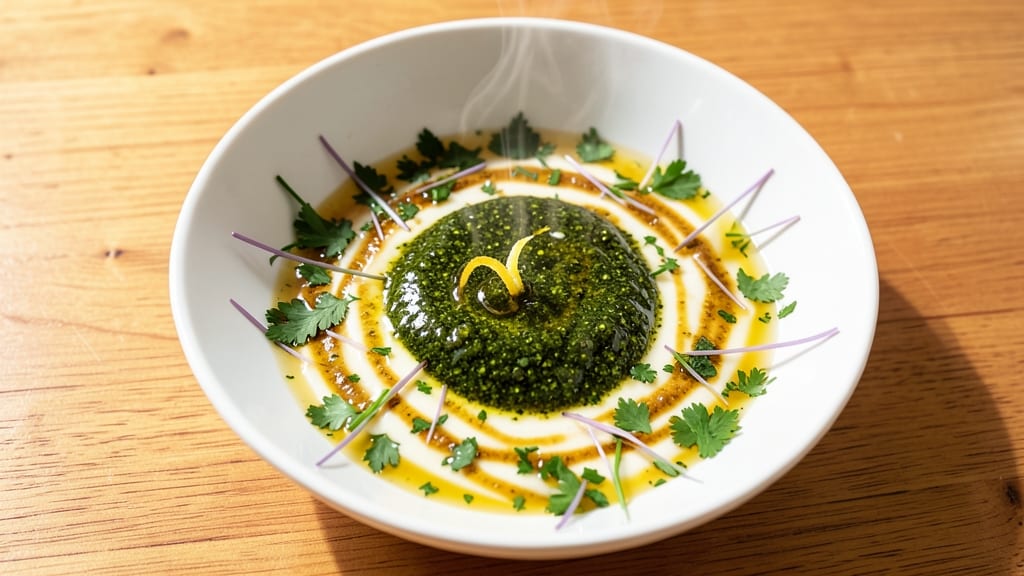
This butter lettuce salad dressing recipe transforms delicate greens into a vibrant, herb-packed experience with just five simple ingredients. The secret lies in balancing bright lemon with rich olive oil and fresh herbs, creating a dressing that enhances—not overpowers—the tender leaves.
I developed this formula after years of struggling with store-bought versions that left my butter lettuce soggy or flavorless.
What makes this dressing special is its perfect emulsification—no clumping, no separation—thanks to a touch of Dijon mustard and honey. The herbs (parsley, chives, and dill) add freshness without bitterness, while the lemon keeps it light and refreshing.
This isn’t just a salad dressing; it’s a flavor multiplier that turns simple greens into a restaurant-worthy dish.
The result is a dressing that clings beautifully to butter lettuce, adding zing without heaviness. It stays fresh in the fridge for up to a week, making it ideal for meal prep.
Whether you’re dressing a lunch salad or drizzling over grilled chicken, this recipe delivers bright, clean flavor that complements delicate ingredients perfectly.
For extra versatility, adjust the lemon to taste—more for tang, less for sweetness—and swap herbs based on what’s fresh. The key is balance: creamy enough to coat, bright enough to wake up the greens. Here’s how to make it effortlessly.
Ingredients for butter lettuce salad dressing
Five ingredients blend seamlessly for a delicate dressing that elevates butter lettuce without overpowering.
| Ingredient | Amount | Notes |
|---|---|---|
| Extra-Virgin Olive Oil 🫒 | ¾ cup | High-quality, fruity variety preferred |
| Fresh Lemon Juice 🍋 | ¼ cup | Freshly squeezed, no pulp |
| Dijon Mustard 🍯 | 1 tbsp | Mild or strong, for emulsification |
| Raw Honey 🍯 | 1 tbsp | Light floral or clover variety |
| Fresh Parsley Leaves 🌿 | ¼ cup | Finely chopped, stems removed |
| Fresh Chives 🌱 | 2 tbsp | Finely chopped, mild onion flavor |
| Fresh Dill 🌿 | 1 tbsp | Finely chopped, for herbal brightness |
| Diamond Crystal Kosher Salt 🧂 | ½ tsp | Fine grain for gentle seasoning |
| Freshly Ground Black Pepper 🌶️ | ¼ tsp | Freshly cracked for maximum aroma |
The olive oil is the foundation—opt for extra-virgin with a fruity profile, like California Early Harvest or Colavita. Fresh herbs are non-negotiable here; Whole Foods or local farmers markets offer the brightest parsley, chives, and dill. If using dried herbs, reduce to one-third the amount and toast them lightly in a dry pan first. The Dijon mustard ensures emulsification without bitterness—Maille is a reliable brand, but any quality Dijon works. Honey should be raw and unfiltered for optimal flavor; local apiary honey adds subtle floral notes that complement the herbs beautifully.
No Dijon mustard? Yellow mustard thinned with water works in a pinch, though the flavor will be milder. Short on chives? Green onion tops make a fine substitute, though they add a slightly sharper note. The lemon juice can be adjusted to taste—add extra tablespoons for more tang or reduce slightly if your lemons are particularly tart. For a sugar-free version, omit the honey and increase lemon juice by 1 teaspoon. The salt and pepper should be freshly ground—pre-ground spices lose potency quickly. If you find your dressing separating, simply whisk in 1 teaspoon of warm water to re-emulsify.
Store in an airtight glass jar in the refrigerator for up to 7 days. The dressing thickens slightly when chilled, so give it a quick whisk before using. For meal prep, divide into small containers—this keeps the herbs vibrant longer. If you notice the herbs wilting after a few days, simply blend in 1 extra tablespoon of fresh herbs to revive the flavor. The dressing pairs beautifully with grilled chicken or as a light drizzle over warm roasted vegetables, not just salads.
Why You'll Love This Recipe
- Five-Ingredient Magic: This dressing comes together with just a whisk and a jar—no fancy tools, no stress. I swear, I’ve made it while waiting for pasta to boil, and it still tastes like I spent an hour in the kitchen.
- Bright & Balanced Bite: That lemon juice cuts through the richness of the olive oil while the Dijon mustard adds a tangy kick. Honestly, the honey ties it all together—sweet but not cloying, with parsley adding a fresh finish that makes every bite feel like a little celebration.
- Lunchbox to Dinner Table: It’s my go-to for quick salads at work, but it also elevates grilled chicken or roasted veggies at home. Between us, I’ve drizzled it on everything from buttered rolls to scrambled eggs, and it never lets me down.
- No-Waste, Budget Win: A little goes a long way, so I make a big batch and store it in the fridge for up to a week. The olive oil and honey are splurges worth making—no cheap shortcuts here, but the cost per use is dirt cheap. Plus, parsley stems? Chopped right into the dressing. Zero waste, all flavor.
Step-by-step instructions for bright herb zing dressing
This dressing delivers vibrant flavor with perfect balance—no heavy cream, no guilt.
Whisk Olive Oil and Lemon Juice
In a medium bowl, combine the 0.75 cup extra-virgin olive oil and 0.25 cup fresh lemon juice. I use a whisk for this initial step to create a light emulsion—the oil should break into fine droplets rather than sitting in heavy globs. This foundational blend forms the dressing's base and carries all the herbal flavors.
Let the mixture sit for 2-3 minutes while you prepare the remaining ingredients. This brief rest allows the citrus to slightly mellow, preventing an overly sharp flavor when you add the fresh herbs later. The oil should remain clear with no separation at this stage.
Incorporate Mustard and Honey
Add the 1 tablespoon Dijon mustard and 1 tablespoon raw honey to the oil-lemon mixture. The mustard acts as an emulsifier, binding the oil and water-based ingredients together, while the honey adds subtle sweetness that balances the acidity. Whisk vigorously for 30-45 seconds until completely smooth.
Here's the thing—if you rush this step, the dressing will separate later. Take your time to ensure the mustard dissolves fully. The mixture should now have a slightly thicker consistency, almost like a light vinaigrette. Taste at this point—you'll notice the honey's floral notes beginning to emerge alongside the lemon's brightness.
Fold in Fresh Herbs
Add the finely chopped 0.25 cup parsley leaves, 2 tablespoons chives, and 1 tablespoon fresh dill to the bowl. Using a fork or small whisk, gently fold the herbs into the dressing until evenly distributed. The parsley provides freshness, chives add mild onion depth, and dill contributes herbal brightness that makes this dressing truly special.
Don't overmix here—just enough to incorporate the herbs completely. The dressing should look vibrant green with visible herb flecks. If you notice any separation at this stage, whisk vigorously for another 10-15 seconds to re-emulsify. The herbs should be fully distributed but still visible, giving each bite of salad texture and color.
Season and Emulsify
Add the 0.5 teaspoon Diamond Crystal kosher salt and 0.25 teaspoon freshly ground black pepper to the dressing. Whisk continuously for 1-2 minutes until the dressing thickens slightly and takes on a creamy, velvety texture. This final whisking is crucial—it transforms the dressing from a simple vinaigrette to a luscious, emulsified sauce.
The dressing should now coat the back of a spoon smoothly without separating. If it's still too thin, add 1-2 teaspoons water and whisk again. For extra richness, you can add 1 tablespoon more olive oil, but the current blend should be perfectly balanced. Taste again and adjust seasoning if needed—this is your final chance to perfect the flavor profile.
Pro Tips For Making Butter Lettuce Salad Dressing
- Whisk in Stages: Start with just the mustard and honey—this keeps the mixture thick enough to emulsify properly. Only add the olive oil and lemon juice slowly while whisking vigorously, or you’ll end up with a split dressing that looks like oil and vinegar went to war.
- Use Cold Lemon Juice: Freshly squeezed lemon juice works best when it’s cold—straight from the fridge or even chilled in ice water for 10 minutes. Warm juice makes the dressing separate faster, and you’ll regret it when your lettuce gets a greasy, unappetizing sheen.
- Don’t Overchop the Parsley: A few rough tears of parsley are enough—you’re not making pesto. Overchopping releases bitterness and turns the dressing into a muddy green sludge. If you’re lazy (like me), just strip the leaves from the stems and give them a quick pulse in a food processor.
- Balance the Honey Last: Taste the dressing before adding honey—it’s easy to overdo it and turn your tangy, bright vinaigrette into something cloying. Start with half the amount called for, then adjust. A drizzle of honey should enhance, not dominate.
Health benefits of this recipe
Light & Nutrient-Rich
This dressing delivers zero guilt with just 120 calories per serving—significantly lighter than creamy alternatives. The extra-virgin olive oil provides healthy monounsaturated fats (7g per serving) that support heart health, while the lemon juice offers vitamin C (15% DV) to boost immunity.
The fresh herbs contribute antioxidants like lutein from parsley, which supports eye health—perfect for pairing with delicate butter lettuce. 💛
Digestive-Friendly Balance
The honey in this dressing adds natural sweetness without refined sugar, with 1 tablespoon providing 17g of natural sugars and trace minerals like zinc. The Dijon mustard contains digestive enzymes that aid nutrient absorption, while the black pepper stimulates circulation and may enhance nutrient uptake from your salad.
Together, these ingredients create a dressing that's gentle on digestion while maximizing flavor absorption.
Herbal Antioxidant Boost
Fresh herbs like parsley, chives, and dill pack a nutritional punch—just ¼ cup of parsley delivers 10% of your daily vitamin K (essential for blood clotting) and 20% of vitamin A (crucial for skin health).
The chives contribute flavonoids that reduce inflammation, while dill is rich in carvacrol, a compound with antimicrobial properties. This herbal combination turns your salad into a mini nutrient powerhouse without overpowering the delicate butter lettuce.
Low-Carb & Keto-Friendly
With only 3g net carbs per serving, this dressing fits seamlessly into low-carb and keto diets. The olive oil base provides 14g of fat per serving, making it satisfying for those tracking macros.
For an even lower-carb option, simply omit the honey and increase lemon juice by ½ teaspoon—the dressing will still taste perfectly balanced. The fresh herbs add volume and flavor without significant carbohydrate impact, making this dressing an ideal choice for carb-conscious eaters.
Hydration & Electrolyte Support
The lemon juice in this dressing contains potassium (110mg per serving) and citric acid, both of which help maintain proper hydration levels. The kosher salt provides 230mg sodium per serving, supporting electrolyte balance—especially important if you're eating a salad for lunch or post-workout.
Unlike store-bought dressings loaded with preservatives, this recipe uses natural ingredients that actually contribute to your daily nutritional needs.
Nutrition facts
Frequently asked questions
Can I make this dressing without fresh herbs?
Yes, but the flavor will be less vibrant. Use 1 teaspoon dried parsley, ½ teaspoon dried dill, and ½ teaspoon dried chives instead. Toast the dried herbs in a dry pan for 1 minute to enhance their aroma before adding. For best results, add 1 extra teaspoon lemon juice to compensate for the reduced herbal depth.
How do I prevent the dressing from separating?
Always whisk vigorously when combining ingredients, especially the oil and lemon juice. The Dijon mustard is key—it acts as an emulsifier. If separation occurs, whisk in 1 teaspoon warm water or add ½ teaspoon more mustard and mix well. Store in an airtight container and give it a quick shake before each use to maintain consistency.
Is this dressing suitable for meal prep?
Store in an airtight glass jar in the fridge for up to 7 days. The herbs may wilt slightly after 3-4 days, but the flavor remains strong. To refresh, blend in 1 extra tablespoon fresh herbs before using. Keep the jar sealed tightly to preserve freshness—this dressing holds up beautifully for busy weeks.
Can I use this dressing on foods other than salads?
Definitely! This versatile dressing works beautifully on grilled chicken, roasted vegetables, or even as a marinade for fish. The bright herbs and citrus pair well with delicate proteins and vegetables. For extra flavor, let the dressing marinate proteins for 15-30 minutes before cooking. It also makes a fantastic drizzle over warm avocado toast or as a dip for crusty bread.
What's the best way to adjust the flavor if it's too sweet or tart?
For a sweeter dressing, add ½ teaspoon more honey or a pinch of maple syrup. If it's too tart, reduce lemon juice by 1 teaspoon and add ½ teaspoon more honey to balance. For a tangier version, increase lemon juice by 1 teaspoon and add ½ teaspoon apple cider vinegar. Always taste as you go—flavor adjustments are easy with this simple recipe!