
Salads
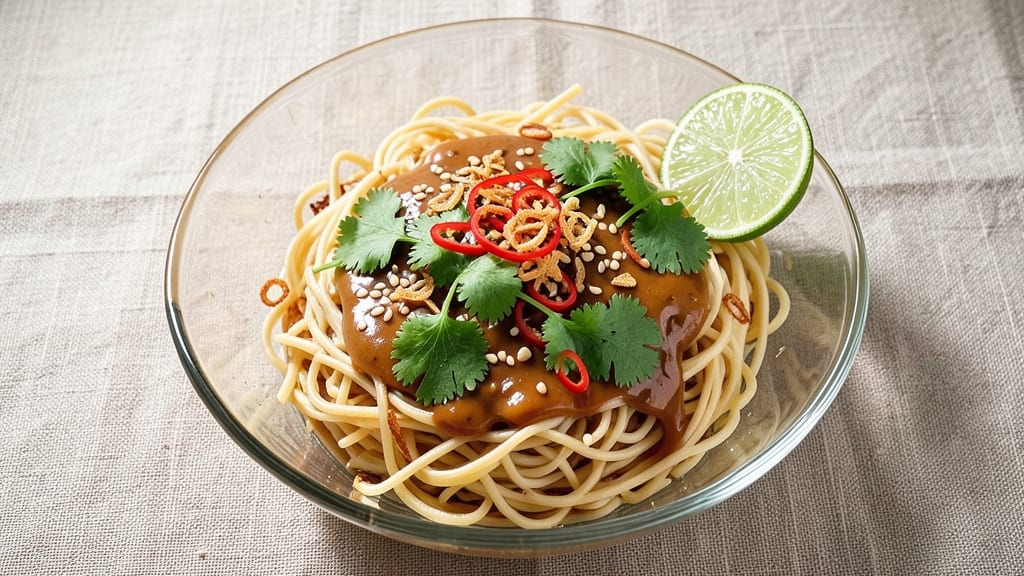
This Asian peanut noodle salad recipe delivers a creamy, nutty, and perfectly balanced dish in just 20 minutes—ideal for weeknight dinners or meal prep.
The secret lies in a rich peanut dressing that coats chewy noodles, fresh vegetables, and crispy toppings, creating a harmonious blend of textures and flavors.
I developed this recipe to offer a vegetarian-friendly option that still satisfies with bold Asian-inspired tastes, though you can easily add protein like tofu or edamame for extra staying power.
The dressing is where the magic happens—a smooth, tangy peanut sauce made with creamy peanut butter, lime juice, and a touch of soy sauce, all whisked together until velvety.
Cooked noodles (rice or soba work best) are tossed in this sauce while still warm, allowing them to absorb the flavors deeply. Fresh vegetables like shredded carrots, cucumber, and bell peppers add crunch, while optional toppings like crushed peanuts or sesame seeds elevate the dish further.
What you’ll end up with is a vibrant, restaurant-quality salad that’s rich yet refreshing, creamy yet crisp, and nutty yet balanced. The peanut dressing ties everything together, while the mix of textures—soft noodles, crunchy veggies, and creamy sauce—makes every bite exciting.
This dish is versatile enough for lunch, dinner, or even a light main course, and it keeps well in the fridge for up to three days.
For extra flair, garnish with fresh herbs like cilantro or Thai basil, and serve with lime wedges on the side. Whether you’re feeding a crowd or meal prepping for the week, this salad is a crowd-pleaser that’s impossible to resist. Let’s get started!
Ingredients for asian noodle salad recipe peanut
Pantry staples meet fresh produce for this creamy, nutty salad that's ready in 20 minutes.
| Ingredient | Amount | Notes |
|---|---|---|
| Rice Noodles 🍜 | 8 oz | Uncooked, medium width preferred |
| Smooth Peanut Butter 🥜 | ½ cup | Natural, unsweetened preferred |
| Lime Juice 🍋 | ¼ cup | Freshly squeezed, seeds removed |
| Low-Sodium Soy Sauce 🥢 | 2 tbsp | Or tamari for gluten-free option |
| Sesame Oil 🫒 | 1 tbsp | Toasted, for aroma |
| Maple Syrup 🍯 | 1 tbsp | Pure, for sweetness balance |
| Garlic Cloves 🧄 | 3 cloves | Minced for dressing |
| Ginger Root 🌿 | 1 tbsp | Freshly grated, peeled |
| Shredded Carrots 🥕 | 1 cup | Julienned for texture |
| English Cucumber 🥒 | 1 whole | Seedless, thinly sliced |
| Red Bell Pepper 🌶️ | ½ cup | Thinly sliced, seeds removed |
| Crushed Peanuts 🥜 | ¼ cup | Toasted for extra crunch |
| Sesame Seeds 🌱 | 1 tbsp | Toasted for garnish |
| Fresh Cilantro 🌿 | ¼ cup | Chopped for garnish |
| Vegetable Oil 🫒 | 1 tbsp | For noodle cooking |
The peanut butter is the star here—natural, unsweetened works best. Trader Joe's or Smucker's are my go-tos, but any smooth variety without added sugar or oils will do. Fresh ginger and garlic are non-negotiable for that authentic Asian kick. Look for fresh ginger root at the produce section, not the jarred stuff. The rice noodles should be medium-width—they hold up better to the creamy sauce. If you can't find them, soba noodles work too, just reduce cooking time by 2 minutes.
No sesame oil? Toasted sesame seeds plus a pinch of oil will give you that nutty aroma. Short on lime juice? Fresh lemon works in a pinch, but the flavor won't be quite the same. The soy sauce can be swapped for coconut aminos if you're gluten-sensitive. For extra protein, toss in 1 cup cooked edamame or firm tofu after assembly. The veggies can be prepped ahead—just store them separately until ready to toss. The carrots and bell pepper can even be baby carrots and pre-sliced bell peppers from the salad bar.
This salad tastes even better the next day—the noodles soften and absorb more dressing. Store in an airtight container for 3-4 days in the fridge. The dressing separates? Just give it a quick whisk before serving. For meal prep, double the recipe and portion into containers. The peanuts and sesame seeds keep in the pantry for 6 months, so toast them fresh when you're ready to serve for maximum crunch.
Why You'll Love This Recipe
- Here’s what sold me: the crunch of fresh veggies (if you add them) against the silky noodles, the nutty warmth of the peanut butter, and that bright, tangy punch from the lime. It’s sweet, salty, and funky all at once—like a flavor party in your mouth.
- Five-Ingredient Magic: I swear by this—just noodles, peanut butter, lime, soy sauce, and sesame oil. That’s it. No fancy prep, no hidden pantry items. The peanut butter gives it this insane depth, and the lime cuts through the richness like a breath of fresh air.
- Craving-Worthy Balance: Here’s what sold me: the crunch of fresh veggies (if you add them) against the silky noodles, the nutty warmth of the peanut butter, and that bright, tangy punch from the lime. It’s sweet, salty, and funky all at once—like a flavor party in your mouth.
- Lunchbox Legend: Between us, this is my go-to for packed lunches or last-minute dinner. The dressing keeps for days, so I toss it in a jar and mix it fresh. Kids love it, coworkers beg for the recipe, and it’s still my secret weapon when I’m too tired to cook.
Step-by-step instructions for creamy Asian peanut noodle salad
Here's how to assemble this perfectly balanced salad with rich peanut dressing and crisp fresh vegetables.
Cook the Rice Noodles Just Right
Bring a medium pot of water to a rolling boil and add the 8 oz rice noodles. Stir immediately to separate them and prevent sticking. Cook for exactly 2-3 minutes until they float to the surface and are tender yet still slightly firm - they'll finish cooking in the dressing. Drain in a colander and rinse under cold water for 10 seconds to stop the cooking process and remove excess starch.
I like to shock the noodles in cold water for just a moment - this prevents them from becoming mushy when mixed with the dressing later. Spread them on a clean kitchen towel to dry slightly while you prepare the remaining ingredients. The noodles should be warm but not hot when you combine them with the dressing.
Make the Creamy Peanut Dressing
In a medium bowl, whisk together the 0.5 cup smooth peanut butter, 0.25 cup lime juice, 2 tbsp low-sodium soy sauce, 1 tbsp sesame oil, and 1 tbsp maple syrup until completely smooth. The mixture should be thick but pourable - if it's too stiff, add 1 tablespoon of warm water to thin it slightly. This is your flavor foundation, so take your time getting it perfectly emulsified.
Next, add the minced 3 cloves garlic and freshly grated 1 tbsp ginger root. Mix well to incorporate these aromatics fully. The dressing should smell vibrant and tangy - you're building layers of flavor that will coat every strand of noodle. Set this aside while you prepare the vegetables.
Prepare the Fresh Vegetable Medley
Peel and thinly slice the 1 whole English cucumber into half-moons, removing any seeds. Thinly slice the 0.5 cup red bell pepper into long, even strips. If your carrots aren't already julienned, use a peeler to create thin strips for the 1 cup shredded carrots. The goal is to have all vegetables cut to similar sizes so they distribute evenly throughout the salad.
Place all the vegetables in a large mixing bowl. Sprinkle with the 0.25 cup crushed peanuts and 0.25 cup fresh cilantro, reserving a small handful of each for garnish. Toss gently to combine, being careful not to crush the vegetables. The vegetables should look vibrant and colorful - this is your visual cue that everything is ready to come together.
Assemble the Salad Perfectly
Add the cooked rice noodles to the vegetable mixture and pour the peanut dressing over everything. Using two large spoons or tongs, gently fold everything together until the noodles are evenly coated with the dressing. You want each bite to have that perfect balance of creamy peanut flavor and fresh vegetable crunch.
Taste and adjust seasoning if needed - you might want to add a splash more lime juice for brightness or a touch of soy sauce for saltiness. Let the salad sit for 5 minutes before serving to allow the flavors to meld together. Sprinkle with the reserved 1 tbsp sesame seeds and extra cilantro just before serving for that restaurant-quality presentation.
Pro Tips For Making Asian Noodle Salad Recipe Peanut
- SOAK NOODLES SEPARATELY: I learned this the hard way—dumping rice noodles straight into boiling water and expecting them to soften evenly is a recipe for disaster. Split them into two batches in a large bowl, cover with just enough hot water to submerge them, and let them sit for 8-10 minutes. The water cools faster this way, and you’ll avoid a mushy, uneven texture.
- STIR PEANUT BUTTER FIRST: Smooth peanut butter and lime juice don’t mix like magic—you’ve got to work for it. Whisk the peanut butter with a splash of warm water (about 1 tablespoon) before adding lime juice, soy sauce, or sesame oil. This breaks up clumps and ensures the sauce emulsifies properly, not separating into greasy globs later.
- TASTE THE SAUCE BEFORE TOSING: Skipping this step is how you end up with a dish that’s either bland or overpoweringly salty. After mixing the peanut sauce, take a small spoonful and balance it with a pinch of soy sauce or a squeeze of lime—adjust while it’s still in the bowl, not after you’ve dumped it on noodles. Trust me, your taste buds will thank you.
- COOL NOODLES FAST: Hot noodles + cold dressing = a sad, watery salad. Rinse the drained noodles under ice water for 30 seconds to shock them, then drain again. This stops the cooking process and keeps them firm when you toss in the peanut sauce. (Yes, it sounds extreme, but it works—your grandmother’s trick, not mine.)
Dietary considerations for asian noodle salad recipe peanut
Vegetarian-Friendly Base
This recipe is naturally vegetarian and packed with plant-based protein from the peanut butter and crushed peanuts. The 0.5 cup smooth peanut butter provides 7 grams of protein per serving, while the 0.25 cup crushed peanuts add an extra 4 grams.
For even more protein, stir in 1 cup cooked edamame or ½ cup crumbled tofu during assembly. 🥜
Gluten-Free Adaptations
Swap low-sodium soy sauce for tamari or coconut aminos to make this dish gluten-free. Tamari has a deeper umami flavor, while coconut aminos add a subtle sweetness. Double-check all packaged ingredients—some brands of peanut butter or sesame oil may contain hidden gluten.
I always verify labels on Trader Joe’s and Smucker’s peanut butter brands to ensure they’re certified gluten-free.
Nut-Free Alternative
For those with nut allergies, replace the peanut butter with sunflower seed butter (ensure it’s smooth, not chunky) and omit the crushed peanuts. Use 1 tbsp extra sesame seeds for crunch and add ¼ cup roasted pumpkin seeds for texture.
Sunflower seed butter works surprisingly well—just whisk it with the lime juice and soy sauce until smooth. The flavor profile shifts slightly but remains rich and satisfying.
Low-Sugar Options
Reduce the 1 tbsp maple syrup to ½ tbsp or swap it for 1 tsp honey (if vegan, use agave nectar). For a sugar-free version, omit the sweetener entirely—the peanut butter and soy sauce already provide enough depth.
If you prefer a touch of natural sweetness, add 1 tbsp grated apple or ½ cup diced pineapple to the veggie mix. The acidity from lime juice balances any added sweetness beautifully.
Protein Boost
Add ½ cup cooked quinoa or ½ cup black beans for extra fiber and protein. Quinoa adds a nutty texture that pairs well with the peanut dressing, while black beans provide 7 grams of protein per ½ cup.
For a lighter option, use ½ cup chickpeas—toss them in the dressing for 5 minutes before assembling to absorb the flavors. These additions make the salad heartier for a main course.
Meal Prep Tips
Store components separately to keep noodles from getting soggy: dressing in one container, veggies in another, and noodles in a third. When ready to eat, toss everything together and add fresh toppings like cilantro or sesame seeds.
The dressing may separate—just whisk it back together before serving. This salad holds up well for 3-4 days in the fridge, making it perfect for batch cooking. 💡
Nutrition facts
Frequently asked questions
Can I use any type of noodles for this recipe?
Rice noodles work best because they're chewy and absorb the peanut dressing beautifully. For a gluten-free option, try soba noodles (reduce cooking time by 2 minutes) or rice vermicelli. Avoid wheat noodles—they'll make the salad too heavy. If you must use wheat, opt for thin spaghetti and reduce the dressing slightly.
What if my peanut dressing gets too thick?
Thick dressing is normal! Just add 1 tablespoon of warm water and whisk until smooth. For extra insurance, keep 1 teaspoon of water nearby while mixing. The dressing should coat the back of a spoon but still be pourable. If it's still too thick after adding water, let it sit for 2 minutes—it often thins naturally.
How can I make this salad more filling?
Add ½ cup cooked quinoa or ½ cup black beans for extra protein and fiber. For meat-eaters, stir in ½ cup grilled chicken or ½ cup shrimp before serving. The key is adding ingredients that complement the peanut flavor—avoid heavy toppings like cheese that might overpower the dressing.
Will this salad taste better the next day?
Yes! The noodles soften and absorb more dressing, creating deeper flavor. Store components separately in airtight containers for up to 3 days. When ready to eat, whisk the dressing again and toss everything together. The texture stays great, though the crunch from raw veggies will diminish slightly.
Can I make this without sesame oil?
Replace it with 1 teaspoon toasted sesame seeds plus ½ teaspoon neutral oil. For extra aroma, add ½ teaspoon ground coriander to the dressing. The flavor won't be identical, but the dish will still taste rich and satisfying. The sesame seeds will give you that nutty aroma even without the oil.