
Salads
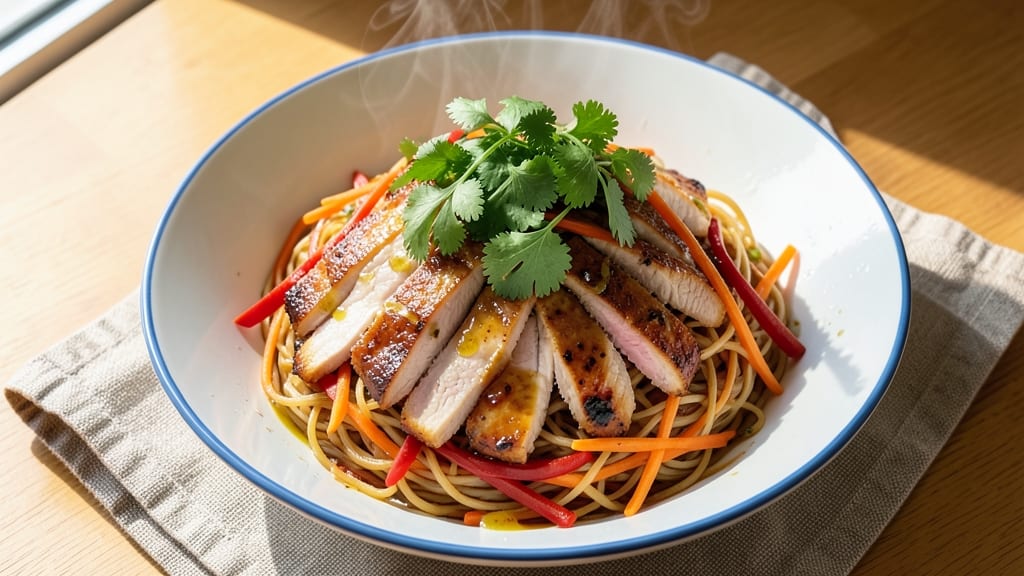
This Asian crispy noodle salad delivers the perfect balance of wok-fried crunch and tangy tamarind dressing in every bite. The secret lies in achieving that irresistible crispiness—whether through stir-frying or baking—while keeping the noodles tender inside.
I developed this recipe after years of perfecting the technique, ensuring the texture stays crisp even after tossing with the vibrant dressing.
What sets this dish apart is the tangy tamarind dressing, which cuts through the richness of the fried noodles while adding a bright, slightly sweet contrast.
The salad is packed with fresh vegetables, protein of your choice (chicken, shrimp, or tofu), and a crunchy topping like crushed peanuts or fried shallots. The result is a restaurant-worthy dish that’s easy to customize for any dietary preference.
By the time you’re done, you’ll have a salad that’s visually stunning with layers of texture and flavor—crispy noodles, fresh veggies, and a glossy dressing that ties everything together. The best part? It comes together in under 30 minutes, making it perfect for weeknight dinners or meal prep.
Whether you're serving this as a main dish or a side, the crispy noodles and bold flavors will leave everyone asking for seconds. Let’s get started on this foolproof recipe that’s sure to become a favorite.
Ingredients for asian crispy noodle salad
Crispy noodles, tangy dressing, and fresh veggies—this salad packs restaurant-style flavor in every bite.
| Ingredient | Amount | Notes |
|---|---|---|
| Rice Noodles 🍜 | 8 oz | Flat, medium-width preferred |
| Extra-Virgin Olive Oil 🫒 | ½ cup | High smoke point for frying |
| Chicken Breast 🍗 | 1 lb | Boneless, skinless, diced small |
| Fresh Carrots 🥕 | 2 medium | Julienned or matchstick cut |
| Red Bell Pepper 🌶️ | 1 medium | Thinly sliced, any color |
| Fresh Cilantro 🌿 | ½ cup | Chopped, stems removed |
| Crushed Peanuts 🥜 | ½ cup | Toasted for extra crunch |
| Fresh Ginger Root 🧄 | 1 ½ tbsp | Finely grated, peeled |
| Tamarind Paste 🍋 | ¼ cup | Or substitute lime juice |
| Fish Sauce 🍶 | 1 ½ tbsp | Red Boat preferred |
| Sesame Oil 🫒 | 1 tbsp | Toasted, for aroma |
| Soy Sauce 🍶 | 2 tbsp | Low-sodium preferred |
| Brown Sugar 🍬 | 1 ½ tbsp | Light or dark variety |
| Garlic Cloves 🧄 | 4 cloves | Minced, fresh preferred |
| Lime Juice 🍋 | ¼ cup | Freshly squeezed |
The noodles are the star—rice noodles work best for that perfect crispy-tender texture. Thai Kitchen brand is my go-to, but any flat, medium-width rice noodles will do. Soak them in hot water for 20-30 seconds until pliable but still firm. For the protein, chicken breast stays juicy when diced small—skip the thighs here. Fresh ginger and garlic are non-negotiable for that authentic wok-house flavor. Penzeys or your local Asian market will have the best quality. If you can't find tamarind paste, lime juice plus a pinch of sugar works in a pinch.
No tamarind paste? Lime juice plus 1 tsp sugar mimics the tangy-sweet balance perfectly. Running short on peanuts? Crushed cashews or fried shallots add that same satisfying crunch. The dressing can be made ahead—it actually tastes better after flavors meld overnight. For extra heat, add a dash of Sriracha or chili flakes to the dressing. The carrots and bell pepper can be prepped while the noodles fry—multitasking saves time. If you're using tofu instead of chicken, extra-firm pressed tofu holds up best to the frying process.
Noodles stay crispy for 2-3 hours if kept separate from the dressing—toss them together right before serving. The dressing keeps for 5 days in the fridge, so make extra for stir-fries or marinades. Store the peanuts in an airtight container to keep them fresh for up to 3 months. This salad reheats surprisingly well—just warm the noodles and dressing separately, then toss. Perfect for meal prep: portion into containers with dressing on the side to keep everything crisp.
Why You'll Love This Recipe
- I swear by this trick: slice the carrots and bell pepper into matchsticks while watching one episode of my favorite show. No knife skills required—just a sharp peeler and a few minutes. The chicken? Toss it in the pan while the noodles soak, and boom, done.
- No-Chop Night Saved: I swear by this trick: slice the carrots and bell pepper into matchsticks while watching one episode of my favorite show. No knife skills required—just a sharp peeler and a few minutes. The chicken? Toss it in the pan while the noodles soak, and boom, done.
- Crunch Without the Fuss: That olive oil crisp? Chef’s kiss. The rice noodles get a quick sear in the pan until they’re golden and shatteringly crisp—no wok mastery needed. The chicken stays juicy, and the veggies add that satisfying bite. Honestly, it’s the kind of texture that makes you eat it straight from the pan.
- Lunch for Days: Between us, this is my secret weapon for meal prep. Toss the leftovers with a little extra sesame oil the next day, and it’s still fresh-tasting. Pack it in bento boxes for work or school—it’s hearty enough to fill you up but light enough to not weigh you down. (Yes, even on a Tuesday night.)
Step-by-step instructions for wok-fried crispy noodle salad
Here's how to achieve that perfect wok-fried crunch with a tangy, balanced dressing—every bite will be addictive.
Cook the Rice Noodles Al Dente
Bring a pot of water to a rolling boil and add the 8 oz rice noodles. Cook for 4-5 minutes until they're tender but still have a slight bite—think "al dente." They'll finish cooking in the hot wok later, which ensures that signature crispy texture. Drain immediately and rinse under cold water to stop the cooking process and remove excess starch. Spread them on a clean kitchen towel to dry completely—this prevents them from sticking together when you fry them later.
Real talk: Overcooked noodles turn mushy when fried. Undercooked ones will be chewy. The 4-5 minute window is critical—test one noodle by biting into it. If it offers some resistance, you're golden. If it feels completely soft, cook them 30 seconds longer before draining.
Wok-Fry the Chicken and Vegetables
Heat 0.5 cup extra-virgin olive oil in a wok or large skillet over high heat until shimmering. Add the 1 lb diced chicken breast and cook for 4-5 minutes, stirring occasionally, until the edges are golden and crispy and the chicken registers 165°F internally. Remove and set aside on a plate.
In the same wok, add 2 medium julienned carrots and 1 medium thinly sliced red bell pepper. Stir-fry for 3-4 minutes until the vegetables are brightly colored and just tender-crisp—they should still have a slight bite. The high heat and olive oil will caramelize their edges, adding depth of flavor. Don't overcrowd the pan; work in batches if needed to maintain the heat.
Crisp the Noodles and Combine
Return the wok to high heat and add the dried rice noodles in a single layer. Toss continuously for 1-2 minutes until they're deep golden brown and crispy—this is where the magic happens. The residual heat from the wok and the olive oil will turn them into little crispy nuggets. Add the cooked chicken and vegetables back into the wok and toss everything together for 30 seconds to coat evenly.
Here's the thing—if the noodles aren't crispy enough after 2 minutes, don't walk away. Keep tossing and watch closely. The moment they lose their shine and develop a crispy, almost papery texture, they're ready. Overcooking them turns them soggy, so act fast.
Make the Tangy Tamarind Dressing
In a small bowl, whisk together 0.25 cup tamarind paste, 1.5 tbsp fish sauce, 2 tbsp soy sauce, 1.5 tbsp brown sugar, 1.5 tbsp finely grated fresh ginger root, 4 minced garlic cloves, 0.25 cup lime juice, and 1 tbsp sesame oil. Taste and adjust the balance—you want bright, tangy, and slightly sweet with a hint of umami. If it's too thick, add 1-2 tablespoons of water to loosen it.
This dressing is the soul of the dish. The tamarind paste gives that signature tangy depth, while the fish sauce and soy sauce add umami richness. The brown sugar and lime juice balance the flavors, making each bite irresistible. Don't skip the sesame oil—it adds a nutty aroma that ties everything together.
Assemble and Garnish for Maximum Crunch
Transfer the wok-fried noodles, chicken, and vegetables to a large serving bowl. Drizzle with the tamarind dressing and toss gently to combine. Sprinkle with 0.5 cup chopped fresh cilantro and 0.5 cup crushed peanuts. The peanuts add a textural contrast—crunchy, nutty, and slightly salty—that elevates every bite.
Serve immediately while the noodles are still crispy. If you're making this ahead, assemble without the peanuts and cilantro, then add them just before serving to keep everything crisp. The contrast of warm, crispy noodles with cool, tangy dressing is what makes this dish unforgettable.
Pro Tips For Making Asian Crispy Noodle Salad
- SHOCK THE NOODLES: Dump dry rice noodles into boiling water for exactly 30 seconds—no more, or they’ll turn mushy. Drain immediately and rinse under cold water to stop cooking; this keeps them firm for crisping later. (Yes, even if you’re impatient like me, resist the urge to overcook.)
- CRISP THE CHICKEN FIRST: Cut chicken breast into thin strips and sear them in a screaming-hot pan with olive oil until golden—about 3-4 minutes per side. Pull them out while still juicy; they’ll finish cooking in the salad. Overcooking here makes them dry and chewy, and no one wants that in a crispy noodle salad.
- SALT THE CARROTS: Toss julienned carrots with a pinch of salt before cooking. This draws out moisture, so they’ll caramelize faster and stay crisp when tossed with the noodles. I learned this the hard way—waterlogged veggies ruin the texture.
- TOSSED COLD NOODLES: Let the cooked noodles cool completely before tossing with dressing and other ingredients. Warm noodles absorb too much liquid, turning the salad soggy. Spread them on a tray to dry out a bit if you’re in a rush—your future self will thank you.
Make-ahead tips for asian crispy noodle salad
Prep Ahead Dressing
The tamarind dressing is the star of this salad, and it actually tastes better when made a day in advance. Whisk together all the ingredients in an airtight container and let the flavors meld overnight in the fridge.
The tamarind paste will soften and blend seamlessly, creating a smoother, more complex flavor profile. I like to make a double batch—it keeps for 5 days and works perfectly for other dishes like marinades or stir-fry sauces. 💫
Noodle Prep Timing
Cook and dry the rice noodles up to 2 days ahead of serving. Store them in an airtight container at room temperature—they'll stay dry and crispy. When ready to serve, simply reheat the wok with a little oil and toss the noodles for 1-2 minutes to revive their crispiness.
This is a game-changer for meal prep, especially if you're short on time during the week. Just add fresh veggies and protein when assembling.
Protein Prep Options
Cook the chicken (or tofu) and chop the vegetables up to 3 days ahead. Store them separately in airtight containers in the fridge.
When you're ready to assemble, just reheat the protein in the wok for 2-3 minutes and stir-fry the veggies for 3-4 minutes until they're bright and tender. This keeps everything fresh and ready to go—no last-minute stress. 🍗
Crunchy Toppings Strategy
Toast the crushed peanuts and chop the fresh cilantro just before serving to preserve their texture and flavor. Store them separately in small containers or bags. When you're ready to assemble, sprinkle them over the warm noodles and dressing—this ensures maximum crunch and freshness.
If you're prepping for a crowd, portion the toppings into small containers so everyone can customize their bowl.
Portioning for Meal Prep
Divide the crispy noodles, protein, and vegetables into individual airtight containers, keeping the dressing separate. When you're ready to eat, toss everything together with the dressing and add the fresh toppings. This method keeps the noodles crispy for up to 3 days in the fridge.
For an extra boost, pack the dressing in a small leak-proof container and attach it to the side of your lunchbox—no soggy salads here! ✨
Freezing for Later
While this salad isn't ideal for long-term freezing, you can freeze the cooked noodles, protein, and vegetables separately for up to 1 month. Thaw overnight in the fridge, then crisp the noodles in the wok before assembling with fresh toppings.
The dressing should be made fresh after thawing to maintain its bright, tangy flavor. This is perfect for those busy nights when you want to enjoy a restaurant-quality meal without the stress. ❄️
Nutrition facts
Frequently asked questions
Can I use regular pasta instead of rice noodles?
Not ideal! Rice noodles absorb less oil and cook faster, giving that signature crispy texture. For a similar effect, try vermicelli or udon noodles, but avoid thick pastas like fettuccine—they won't crisp properly. If you must use wheat pasta, opt for thin spaghetti and cook it 1 minute less than package instructions.
How do I keep the noodles crispy longer?
Store them in an airtight container at room temperature for up to 2 days. Before serving, reheat in a dry wok for 1-2 minutes to revive crispiness. Keep the dressing separate until the last minute—moisture is the enemy of crunch! For extra insurance, toss the noodles with 1 tsp cornstarch before frying to lock in crispiness.
Can I make this vegetarian or vegan?
Swap the chicken for extra-firm tofu (pressed and cubed) or mushrooms (shiitake or oyster). For vegan dressing, replace fish sauce with 1 tbsp coconut aminos plus 1 tsp soy sauce. The tamarind-lime dressing remains plant-friendly. Add crispy baked tofu bits for extra protein and texture.
Why did my noodles turn soggy?
Most likely, you overcooked them initially or didn't dry them properly after boiling. Always rinse with cold water and pat completely dry before frying. Another common mistake is adding too much dressing too soon—toss the noodles with dressing just before serving. For extra insurance, fry the noodles in small batches to ensure even crispiness.
What’s the best way to reheat leftovers?
Reheat the noodles and protein separately in a dry wok for 1-2 minutes over medium-high heat. Stir-fry fresh veggies for 3-4 minutes until bright and tender. Make the dressing fresh or warm it gently in a saucepan. Combine everything right before serving to maintain that restaurant-fresh crunch and texture.