
Sauces & Condiments
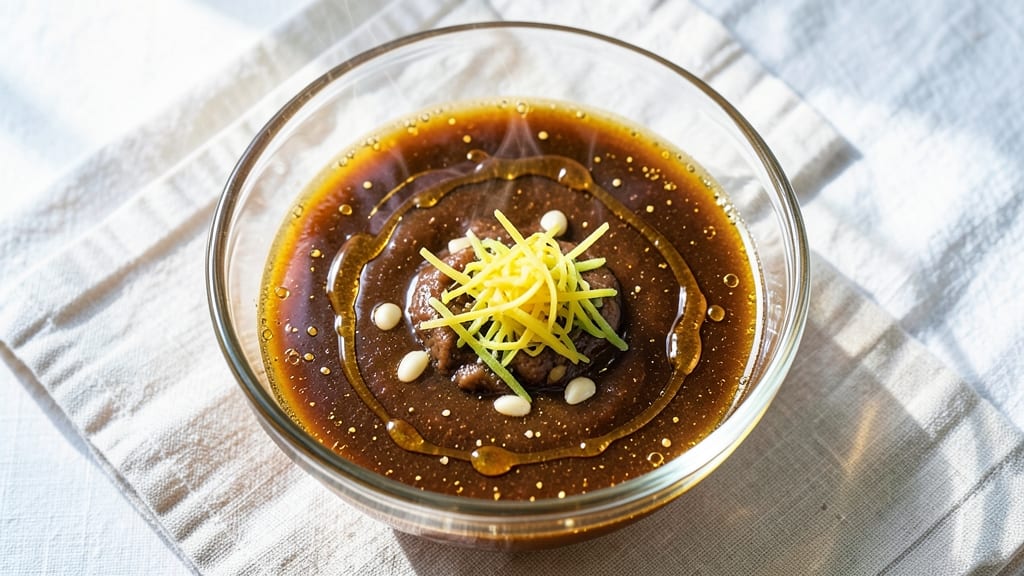
This Asian beef salad dressing recipe transforms simple salads into flavor-packed meals with just five ingredients and 10 minutes of prep. The perfect balance of soy-ginger zing elevates grilled beef, crisp vegetables, and crunchy toppings into a restaurant-worthy dish. I developed this dressing after realizing store-bought versions lacked the depth and authenticity I craved for my favorite Asian-inspired salads.
The secret lies in the combination of soy sauce for umami, fresh ginger for warmth, and a touch of sesame oil for nutty richness. Unlike heavy creamy dressings, this version stays light yet packs serious flavor, making it ideal for beef salads, noodle bowls, or even as a marinade.
The dressing's versatility means you can adjust sweetness or heat to suit your taste, while the ingredients are all pantry staples you likely already have.
What sets this dressing apart is its ability to enhance rather than overpower your salad components. The ginger-infused soy base creates a harmonious blend that complements grilled beef's savory notes while adding a bright, aromatic kick.
Once mixed, it keeps well in the fridge for up to a week, ready to elevate your meals with minimal effort.
Perfect for meal prep or last-minute lunches, this dressing transforms ordinary salads into extraordinary dishes. Whether you're serving it over a hearty beef salad or using it as a dipping sauce, the bold flavors will leave everyone asking for seconds.
Let's get started on creating this flavor-packed essential for your kitchen.
Ingredients for asian beef salad dressing
Five simple ingredients create this restaurant-worthy Asian beef salad dressing.
| Ingredient | Amount | Notes |
|---|---|---|
| Soy Sauce 🍶 | ½ cup | High-quality light soy preferred |
| Fresh Ginger 🌿 | 2 tbsp | Finely grated, fresh is best |
| Sesame Oil 🫒 | 1 tbsp | Toasted sesame oil for nutty flavor |
| Rice Vinegar 🍶 | 2 tbsp | White or seasoned rice vinegar |
| Honey 🍯 | 1 ½ tbsp | Adjust to taste for sweetness |
| Garlic Cloves 🧄 | 2 cloves | Minced for aromatic depth |
| Sesame Seeds 🌾 | 1 tbsp | Toasted for garnish and crunch |
| Red Pepper Flakes 🌶️ | ½ tsp | Optional for heat, adjust to taste |
The soy sauce is the heart of this dressing—Kikkoman or La Choy are my go-tos, but any good light soy will work. Fresh ginger is a must for that bright, zesty kick (the frozen stuff works in a pinch, but it's not the same). Trader Joe's carries pre-grated ginger in jars if you're short on time, though I always keep a knob in my freezer for quick grating. Sesame oil can be tricky—look for toasted sesame oil in the international aisle, not the regular cooking oil section. The difference in flavor is night and day. For the vinegar, seasoned rice vinegar adds a subtle sweetness that balances the soy perfectly.
No fresh ginger? Powdered ginger at half the amount gets you close, though it lacks the same freshness. Short on sesame oil? Avocado oil plus a pinch of sesame seeds mimics the nutty notes. The honey can be swapped for maple syrup or agave if you prefer a different sweetness profile. Want more heat? Sriracha or chili garlic sauce works better than plain red pepper flakes for a smoother burn. The garlic can be minced with a knife or pulsed in a food processor—just don't overdo it, or it'll turn bitter.
This dressing keeps for up to 1 week in the fridge, though I always make extra because it disappears fast. Store it in a small jar with a tight lid—shake well before each use since the sesame seeds and oil will separate. The flavor actually improves after a day or two as everything melds together. For meal prep, I double the batch and keep it in the fridge ready to toss on salads, noodles, or even grilled chicken. The sesame seeds add texture, so add them fresh just before serving if you want maximum crunch.
Why You'll Love This Recipe
- Five-Ingredient Magic: I swear by this combo—just soy sauce, ginger, sesame oil, vinegar, and honey. No fancy techniques, no hidden pantry raids. Honestly, I’ve made it wrong twice (too much honey, anyone?) but it’s still foolproof.
- Umami Bomb: That first splash of soy sauce and ginger? Instant flavor explosion. The sesame oil adds this nutty depth, while the honey cuts through the saltiness—like a perfect balance of sweet, salty, and zesty that sticks with you.
- Salad Game-Changer: Drizzle it over greens, toss it with noodles, or even use it as a marinade. I keep a jar in my fridge for when I need to jazz up takeout leftovers or throw together a last-minute lunch. Works for everything.
- Budget-Friendly Staple: All those ingredients? Cheap and shelf-stable. A little goes a long way, and I’ve had this dressing last me weeks. Plus, it’s way better than store-bought packets—no weird aftertaste, just real flavor.
Step-by-step instructions for Asian beef salad dressing
This dressing comes together in minutes with bold, balanced flavors that elevate any salad.
Grate the Fresh Ginger
Peel the 2 tablespoons of fresh ginger using a spoon or vegetable peeler to remove the skin. I like to use a fine grater for this step—it creates a paste-like texture that blends smoothly into the dressing without any gritty bits. If you don't have a grater, a microplane works just as well.
Real talk: fresh ginger makes all the difference here. The zesty, slightly spicy kick can't be replicated with powdered ginger. Grate directly into a small bowl to keep things tidy, and set it aside while you prep the other ingredients. The aroma alone will tell you it's ready—it should smell bright and citrusy, not musty.
Mince the Garlic
While the ginger grates, peel the 2 cloves of garlic and mince them finely. I use a sharp chef's knife for this—chop the cloves in half horizontally first, then press down firmly with the blade to create thin slices. From there, rock the knife back and forth to create tiny minced pieces. You want them so fine they almost disappear when mixed into the dressing.
Don't skip this step—properly minced garlic ensures even flavor distribution. If you're not confident with your knife skills, a garlic press works perfectly. Just be careful not to over-press, which can release bitter juices. The garlic should smell pungent and aromatic, not harsh.
Combine Wet Ingredients
In a small mixing bowl, whisk together the 0.5 cup soy sauce, 2 tablespoons rice vinegar, 1.5 tablespoons honey, and the freshly grated ginger. Start with the soy sauce and vinegar to create a base, then add the honey in a slow stream while whisking continuously. This prevents the honey from clumping and ensures everything blends smoothly.
Next, add the minced garlic and stir until fully incorporated. The mixture should look like a thick, glossy sauce with no visible streaks of honey. If you notice any separation, simply whisk vigorously for another 10-15 seconds. This is the foundation of your dressing—sweet, tangy, and umami-rich, with a subtle heat from the ginger.
Finish with Sesame Oil and Seasoning
Drizzle in the 1 tablespoon sesame oil while whisking continuously. The oil should emulsify into the mixture, creating a silky texture. Finally, add the 0.5 teaspoon red pepper flakes and stir well. Taste the dressing at this point—it should be bold with a perfect balance of sweet, salty, tangy, and slightly spicy notes.
If you prefer more heat, add a pinch more red pepper flakes. For extra depth, you can also add a splash of water—about 1 teaspoon—to adjust the consistency. The dressing should coat the back of a spoon but still be pourable. This is your chance to tweak the flavor to your exact preference before using it.
Toast the Sesame Seeds and Garnish
While the dressing rests, toast the 1 tablespoon sesame seeds in a dry skillet over medium heat for 1-2 minutes, stirring constantly. You'll see them turn a deeper golden color and smell nutty and fragrant. Remove from heat immediately—they'll continue to toast and can burn quickly.
Let the seeds cool for a minute, then sprinkle them over the dressing just before serving. The toasted seeds add a delightful crunch and visual appeal, making your salad dressing look as good as it tastes. Store any leftover dressing in an airtight container in the refrigerator for up to 5 days, though I doubt it'll last that long!
Pro Tips For Making Asian Beef Salad Dressing
- GRATE GINGER FINE: I learned this the hard way—chunky ginger bits make the dressing taste uneven. Use a microplane or the smallest holes on a box grater, then let it sit for 5 minutes before adding to the mix. The juice will blend smoother, and the flavor will be consistent every time.
- TEMPER THE SOY: Soy sauce is salty, and honey is sweet—mixing them straight up can throw off the balance. Start by whisking the soy into the vinegar first, then add honey and ginger. Taste as you go; you can always adjust, but you can’t un-salt a dressing.
- STORE SESAME OIL SEPARATE: Sesame oil is potent—adding it last keeps the dressing from tasting bitter too soon. Mix everything else first, then stir in just ½ teaspoon at a time until the aroma hits your nose. (Yes, even if you’re impatient like me.)
- CHILL BEFORE SERVING: Warm dressing tastes flat. After whisking, refrigerate for at least 30 minutes—this lets the flavors meld and the ginger mellow out. Pro move: Strain it before serving if you hate texture surprises in your salad.
Common mistakes when making your asian beef salad dressing
Over-Soying the Dressing
Using too much soy sauce can make your dressing taste overly salty and mask the delicate flavors of ginger and garlic. I’ve caught myself reaching for the soy bottle too eagerly—stick to the ½ cup measurement and taste as you go.
If it needs more depth, a splash of mirin or extra honey works better than additional soy. 🌶️
Skipping Fresh Ginger
Substituting powdered ginger for fresh is a common mistake that dulls the dressing’s zing. Powdered ginger lacks the bright, peppery kick that fresh ginger provides.
If you’re short on time, use double the amount of fresh ginger juice (strained from grated ginger) or ½ teaspoon ground ginger—but know it won’t be the same. The aroma alone tells you when ginger is fresh and ready to use.
Not Toasting Sesame Seeds
Using raw sesame seeds in your dressing adds no flavor or texture—just a bland crunch. Toasting them in a dry skillet for 1-2 minutes unlocks their nutty aroma and deep golden color.
If you forget, toast them fresh before adding to the dressing or sprinkling on top. The difference is night and day—trust me, your taste buds will notice!
Ignoring the Emulsification Step
Whisking the sesame oil into the dressing too quickly can cause separation, leading to a greasy, unappetizing texture. Always drizzle the oil in slowly while whisking continuously.
If the dressing splits, add 1 teaspoon water and whisk again. The goal is a silky, cohesive sauce that clings to your salad ingredients without clumping. 💫
Adding Seeds Too Early
Sesame seeds sink to the bottom and lose their crunch if mixed into the dressing too soon. Save them for the final step—sprinkle them over the top just before serving.
This keeps the texture perfect and ensures every bite has that satisfying crunch. Pro tip: Toast them fresh each time for maximum flavor and aroma.
Neglecting Taste Adjustments
Assuming the dressing is perfect straight from the bowl is a recipe for disappointment. Always taste and adjust before serving—add more honey for sweetness, a pinch of red pepper flakes for heat, or a splash of vinegar for tang.
The dressing should balance sweet, salty, tangy, and umami flavors. Your palate is the best tool for fine-tuning! ⚡
Nutrition facts
Frequently asked questions
Can I make this dressing without fresh ginger?
You can substitute ½ teaspoon ground ginger or 1 teaspoon ginger juice (strained from grated fresh ginger), but fresh ginger gives the best flavor. The dressing will still taste good, though it won't have that bright, zesty kick. For extra depth, try adding ½ teaspoon lemon juice to mimic fresh ginger's tang.
How long does this dressing keep in the fridge?
The dressing stays fresh for up to 5-7 days when stored in an airtight container. The flavor actually improves as the ingredients meld together! Shake well before each use since the sesame oil and seeds may separate. For longer storage, consider freezing it in ice cube trays for up to 3 months.
Can I use this dressing on other proteins besides beef?
This versatile dressing works beautifully with chicken, shrimp, tofu, or even grilled fish. The soy-ginger base complements all proteins, while the sesame oil adds richness. For seafood, you might reduce the red pepper flakes slightly to avoid overpowering delicate flavors.
What if my dressing turns out too salty?
Dilute it with 1-2 teaspoons water or rice vinegar to balance the saltiness. If that's not enough, stir in ½ teaspoon honey or maple syrup to cut through the salt. The key is to taste as you go—this dressing is meant to be adjusted to your preference!
Can I make this dressing spicier?
Yes! Add more red pepper flakes (start with ¼ teaspoon extra) or swap them for ½ teaspoon sriracha or chili garlic sauce for a smoother heat. For extra depth, include 1 teaspoon chopped fresh chili or a dash of gochujang (Korean chili paste) for complexity.