
Salads
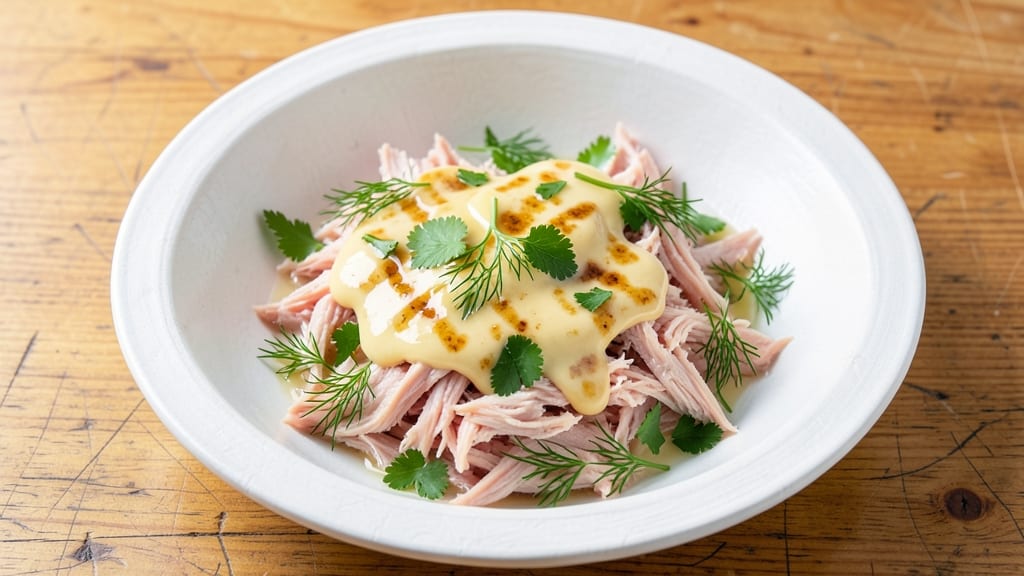
A tuna salad recipe no celery can be just as vibrant and flavorful with the right bright lemon and herb twist. The key lies in balancing creamy mayonnaise with zesty citrus and fresh herbs—no crunchy celery required.
I developed this version after realizing how often celery gets overlooked in favor of simpler, more accessible ingredients that still deliver big flavor. The result is a salad that's light, tangy, and packed with freshness without relying on traditional crunch.
What makes this recipe work is the combination of lemon juice, Dijon mustard, and finely chopped herbs like parsley and dill. These elements create a fresh, herbaceous base that pairs perfectly with the rich texture of tuna.
The salad comes together in just 10 minutes, making it ideal for quick lunches or easy appetizers. It’s also naturally pescatarian-friendly, offering a protein-rich option that’s both satisfying and versatile.
By the time you mix everything together, you’ll have a tuna salad that’s bright, creamy, and full of herbaceous depth. The lemon keeps it from feeling too heavy, while the herbs add a fresh, garden-like quality that makes every bite feel like a refreshing break.
This version works equally well on its own, stuffed into sandwiches, or served with crackers for a simple yet elegant dish.
The beauty of this recipe is its adaptability—swap in different herbs like chives or basil, or add a touch of capers for extra briny flavor. It’s the kind of tuna salad that proves you don’t need celery to create something truly special. Let’s get started!
Ingredients for tuna salad recipe no celery
Fresh herbs and zesty citrus transform simple tuna into a vibrant, no-celery salad.
| Ingredient | Amount | Notes |
|---|---|---|
| Canned Tuna in Water 🐟 | 2 cans | High-quality, drained well |
| Mayonnaise 🥛 | ¾ cup | Full-fat for creaminess |
| Fresh Lemon Juice 🍋 | 2 tbsp | Freshly squeezed, zesty |
| Dijon Mustard 🌶️ | 1 tbsp | For tangy depth |
| Fresh Flat-Leaf Parsley 🌿 | ¼ cup | Finely chopped, stems removed |
| Fresh Dill 🌿 | ¼ cup | Finely chopped, stems removed |
| Capers 🫒 | 1 tbsp | Optional, for briny flavor |
| Extra-Virgin Olive Oil 🫒 | 1 tbsp | For richness |
| Kosher Salt 🧂 | ½ tsp | To taste, adjust seasoning |
| Freshly Ground Black Pepper 🌶️ | ¼ tsp | For subtle heat |
| Red Wine Vinegar 🍷 | 1 tsp | For brightness |
| Green Onion 🧅 | 2 whole | Thinly sliced, optional garnish |
The tuna quality matters most here—opt for high-quality brands like Wild Planet or Starkist Select for cleaner flavor. Fresh herbs are non-negotiable: parsley and dill from the grocery store’s produce section should be bright green and firm, not wilted. For capers, Trader Joe’s or Whole Foods carry the best quality in small jars. The lemon juice should be freshly squeezed—bottled lemon juice lacks the bright acidity needed for balance. Store-bought mayonnaise works fine, but Duke’s or Hellmann’s are reliable choices that won’t overpower the delicate flavors.
No fresh dill? Substitute with 1 tsp dried dill, but reduce the amount by half. Out of capers? Pickle juice or a dash of soy sauce adds briny depth. For extra richness, stir in 1 tbsp crumbled feta or 1 tsp smoked paprika. The Dijon mustard can be swapped for whole-grain mustard if preferred, though it’ll add texture. If you’re using tuna in oil, drain it thoroughly and rinse with cold water to remove excess oil, which can make the salad too heavy.
This salad keeps beautifully in the fridge for 3-4 days, though the herbs will start to wilt after 2 days. Store in an airtight container with a thin layer of plastic wrap pressed directly on the surface to preserve freshness. For longer storage, freeze the base mixture (without herbs) for up to 3 months. When ready to serve, fold in fresh herbs and adjust seasoning with a squeeze of lemon or extra salt. It’s perfect for meal prep—just portion into small containers for quick lunches.
Why You'll Love This Recipe
- No Chopping Needed: Honestly, this is the first tuna salad I’ve made where I didn’t dread the celery chopping. Just flake the tuna, chop the herbs (and honestly, I use my hands for that—faster than a knife), and boom. Done. The fresh parsley and dill add that bright pop without any tedious prep.
- Bright & Tangy Kick: The lemon juice and red wine vinegar? Game-changer. It’s not just mayo and tuna—this has that zesty brightness that makes every bite feel intentional. The Dijon mustard and capers add a little complexity, so it’s never boring. Trust me, it’s the kind of salad you’ll want to eat straight from the bowl.
- Leftover Hero: I make this on Sundays, and by Wednesday, I’m still eating it. It keeps perfectly for 3-4 days, and honestly, the flavors get even better after a day or two. Freeze the base without the herbs if you’re prepping ahead, then just add fresh herbs when you’re ready to eat. Zero waste, zero stress.
- Budget-Friendly Luxe: Two cans of tuna, a few fresh herbs, and mayo? This is the kind of meal that doesn’t break the bank but still feels special. The full-fat mayo adds richness, and the extra-virgin olive oil makes it taste like you splurged. Plus, it’s cheap enough to make for lunch, dinner, or even a quick snack. Win-win.
Step-by-step instructions for tuna salad recipe no celery
Here's the method for a vibrant, herb-forward tuna salad that skips celery without losing texture or flavor.
Drain and Flake the Canned Tuna in Water
Open the two cans of canned tuna in water and drain them thoroughly over a fine-mesh strainer. I press down gently on the tuna with a rubber spatula to extract every last bit of moisture—this prevents a watery salad. Transfer the drained tuna to a large mixing bowl.
Using two forks, gently break apart the tuna into small, even flakes. Avoid overworking it, as this can make the texture coarse. The flakes should be about the size of small peas, creating a tender yet substantial base for your salad.
Mix the Wet Ingredients
In the same bowl with the flaked tuna, add the 0.75 cup mayonnaise, 2 tablespoons fresh lemon juice, 1 tablespoon Dijon mustard, 1 tablespoon extra-virgin olive oil, and 1 teaspoon red wine vinegar. Using a silicone spatula, fold these ingredients together until fully combined and smooth.
This is where the bright, tangy flavors come together. The lemon juice and red wine vinegar add a refreshing acidity, while the Dijon mustard and olive oil contribute depth. Mix until the mayonnaise and tuna are evenly distributed—no streaks should remain.
Incorporate the Fresh Herbs and Seasonings
Add the 0.25 cup finely chopped fresh flat-leaf parsley and 0.25 cup finely chopped fresh dill to the bowl. Fold them in gently to maintain their texture and prevent bruising. The herbs will add a fresh, vibrant quality that brightens the entire dish.
Next, stir in the 1 tablespoon capers, 0.5 teaspoon kosher salt, and 0.25 teaspoon freshly ground black pepper. The capers provide a briny contrast, while the salt and pepper balance the flavors. Taste the mixture now—this is your chance to adjust the seasoning before the final step.
Fold in the Green Onion and Chill
Thinly slice the 2 whole green onion and fold them into the tuna mixture. The green onion adds a subtle, fresh bite that complements the herbs and capers. Give everything one final stir to ensure all ingredients are evenly distributed.
Transfer the tuna salad to an airtight container and refrigerate for at least 30 minutes. This chilling time allows the flavors to meld together and the texture to firm up slightly. For best results, let it rest for up to 2 hours before serving—this ensures a perfectly balanced salad every time.
Pro Tips For Making Tuna Salad Recipe No Celery
- Press the Tuna Dry: I learned this the hard way—skipping this step means a watery salad. Drain the tuna thoroughly over a strainer, then press it gently with a spatula. The extra effort keeps your mix creamy, not soggy.
- Flake, Don’t Mash: Two forks are your best tool here—break the tuna into small, even flakes, not a paste. Overworking it turns the texture coarse, and you’ll end up with something closer to tuna mushy than salad.
- Taste Before Chilling: Season now, not later. After adding salt, pepper, and capers, take a bite—this is your last chance to adjust before the flavors meld. I’ve ruined batches by waiting, only to realize it needed more brightness.
- Chill the Full Time: Thirty minutes is the minimum, but give it 2 hours if you can. The flavors deepen, and the parsley and dill stay fresher longer. Skimping here means a salad that’s just… okay.
Health benefits of this tuna salad recipe no celery
Omega-3 Powerhouse
This tuna salad delivers a generous dose of omega-3 fatty acids from the canned tuna, which supports heart health and reduces inflammation. Just 2 cans of tuna provide about 1,500mg of omega-3s, helping lower triglycerides and supporting brain function.
The extra-virgin olive oil adds more monounsaturated fats, creating a balanced fat profile that keeps you satisfied. 💪
Protein-Packed Meal
With 30-40 grams of protein per serving (from the tuna alone), this salad is perfect for muscle maintenance and satiety. The full-fat mayonnaise adds healthy fats that slow digestion, helping you feel full longer.
This makes it an excellent choice for post-workout meals or a light dinner when you need sustained energy.
Vitamin Boost
The fresh lemon juice provides vitamin C, while the herbs contribute vitamin K and folate. Parsley and dill are particularly rich in these nutrients, supporting bone health and red blood cell production.
The red wine vinegar also adds a small dose of antioxidants, enhancing the overall nutritional profile. 🍋
Low-Calorie, High-Flavor
At just 250-300 calories per serving, this salad is surprisingly light yet packed with flavor. The herbs and lemon create a bright, refreshing taste without adding calories.
This makes it ideal for weight management or a lighter lunch option that still feels indulgent. The capers add briny depth without extra calories, keeping the dish satisfying.
Digestive Support
The combination of fiber from herbs and healthy fats promotes better digestion. The Dijon mustard contains enzymes that aid in breaking down fats, while the olive oil supports gut health.
This salad is gentle on the stomach but still rich enough to feel like a satisfying meal—perfect for those with sensitive digestion. 💫
Nutrition facts
Frequently asked questions
Why skip celery in tuna salad?
Celery isn’t necessary for flavor or texture in this version! The bright lemon juice and fresh herbs like parsley and dill create a vibrant, herbaceous base that stands on its own. This approach makes the salad lighter and more adaptable to dietary preferences without sacrificing freshness or depth.
Can I use tuna in oil instead of water?
Yes, but drain it thoroughly and rinse with cold water to remove excess oil. This prevents the salad from becoming too heavy. The extra-virgin olive oil in the recipe already adds richness, so you’ll want to balance it with a little less oil from the tuna. Over-draining can make the tuna dry, so press gently with a spoon to extract just the right amount of moisture.
How do I make this salad ahead of time?
Prepare the base mixture (tuna, mayo, lemon juice, and mustard) and refrigerate it for up to 2 hours. Add fresh herbs and capers just before serving to keep them vibrant. For longer storage, freeze the base without herbs for up to 3 months—thaw overnight in the fridge and fold in fresh herbs when ready to eat. This keeps the texture perfect!
What’s the best way to serve this tuna salad?
This salad shines on its own, but it also works beautifully in sandwiches, wraps, or with crusty bread for dipping. Top it with sliced green onions or a sprinkle of fresh dill for extra freshness. For a lighter option, serve it over a bed of mixed greens with a drizzle of olive oil. The bright flavors pair well with almost any accompaniment!
What if I don’t have fresh herbs?
Use 1 teaspoon dried dill or 1 teaspoon dried parsley per 0.25 cup fresh herb equivalent, but reduce the amount by half since dried herbs are more concentrated. A pinch of smoked paprika or a dash of soy sauce can also add depth if herbs are unavailable. The flavor will still be delicious—just slightly different!