
Sauces & Condiments
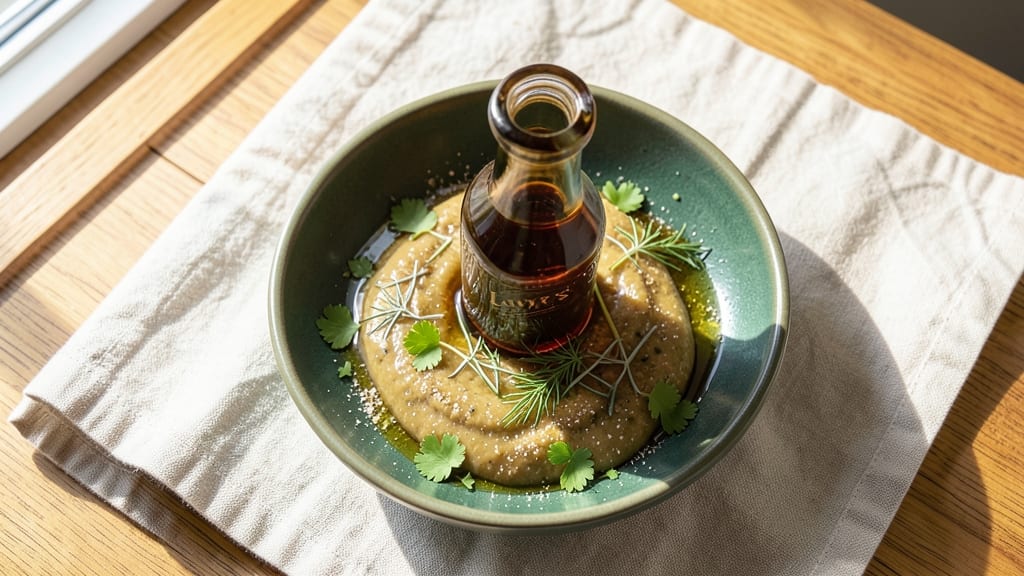
Lawry's vintage salad dressing recipe delivers that signature bold herb-infused tang in just minutes—no fancy ingredients required. ✨ I first discovered this style while flipping through my grandmother's recipe cards, where she'd scribbled notes about "equal parts oil and vinegar with a pinch of everything."
The key is balancing sharp vinegar with rich olive oil and letting fresh herbs shine.
This dressing comes together in five minutes with simple pantry staples and fresh herbs—no emulsifiers or complicated techniques. The ratio of oil to vinegar creates that signature tang while keeping it smooth enough for tossing greens or drizzling over roasted vegetables.
I've made this version dozens of times, and it never disappoints.
What makes this recipe truly versatile is its ability to elevate any dish beyond basic salads. Use it as a marinade for grilled chicken or fish, a dipping sauce for crusty bread, or a finishing touch for roasted vegetables.
The herbs stay vibrant for up to one week in the refrigerator, making it perfect for meal prep.
For an extra layer of depth, I always add a pinch of garlic powder and onion powder—just enough to enhance the herbs without overpowering them. This dressing is the kind of simple, flavorful staple that transforms ordinary meals into something special. Let's get started!
Ingredients for lawry's vintage salad dressing
Pantry staples meet fresh herbs for this vintage-inspired dressing—bold, tangy, and effortless.
| Ingredient | Amount | Notes |
|---|---|---|
| Extra-Virgin Olive Oil 🫒 | 1 ½ cups | Cold-pressed, fruity profile preferred |
| Red Wine Vinegar 🍷 | 1 cup | Sharp, dry variety essential |
| Fresh Parsley Leaves 🌿 | ½ cup | Packed, stems removed |
| Fresh Tarragon Leaves 🌿 | ¼ cup | Bright green, aromatic |
| Fresh Dill Leaves 🌿 | ¼ cup | Fluffy, fresh bunches |
| Garlic Powder 🧄 | 1 tsp | Standard culinary grade |
| Onion Powder 🧅 | 1 tsp | Fine grind preferred |
| Diamond Crystal Kosher Salt 🧂 | ½ tsp | Fine grain preferred |
| Fresh Lemon Juice 🍋 | 1 tbsp | Freshly squeezed, no pulp |
| Black Peppercorns 🌶️ | ¼ tsp | Freshly ground preferred |
The foundation begins with extra-virgin olive oil—opt for a cold-pressed variety with pronounced fruitiness to elevate the dressing's complexity. Costco's Kirkland Signature line consistently delivers reliable quality, while smaller specialty stores often carry more artisanal options with distinct regional profiles. For the vinegar, red wine vinegar from a dark bottle preserves its sharpness better than clear varieties, which degrade faster when exposed to light. The herbs should be vibrant green—avoid any with yellowing leaves, as this indicates wilted quality.
Substitutions are possible but require careful consideration: apple cider vinegar can replace red wine vinegar at a 1:1 ratio, though it introduces a slightly sweeter note. Fresh herbs are ideal, but dried parsley and tarragon at half the amount work in a pinch—though the flavor profile will be less nuanced. For the powders, instant minced garlic and onion can be used, but they lack the depth of their powdered counterparts. If black peppercorns aren't available, pre-ground black pepper is acceptable, though freshly ground provides superior aroma and flavor.
This dressing maintains its peak quality for one week when stored in an airtight glass container in the refrigerator. To preserve the herbs' freshness, cover the surface with a thin layer of olive oil before sealing, preventing oxidation. For longer storage, freeze in 2-ounce portions for up to 6 months—thaw overnight in the fridge before using. The dressing pairs beautifully with grilled proteins, roasted vegetables, and crisp salads, transforming simple ingredients into a restaurant-quality condiment with minimal effort.
Why You'll Love This Recipe
- Herbs Do the Work: Honestly, I used to stress over chopping a dozen ingredients for homemade dressing—until I realized these three fresh herbs (parsley, tarragon, and dill) carry the flavor show. No fancy techniques, just a sharp knife and 10 minutes of work. The rest of the magic happens while you wait.
- Tangy Depth Guaranteed: That sharp red wine vinegar and a splash of fresh lemon juice? They’re the secret to cutting through the richness of the extra-virgin olive oil. It’s not just a dressing—it’s a bold, herby punch that pairs with anything from crisp greens to grilled chicken.
- Meal-Prep MVP: I make a big batch on Sundays and it’s my go-to for lunches all week. Drizzle it over grain bowls, toss it with roasted veggies, or use it as a marinade for chicken. One recipe, endless uses—no waste, no stress.
- Budget-Friendly Luxury: Fresh herbs might seem pricey, but they stretch so far in this recipe. A little goes a long way, and the rest of the ingredients? Basic pantry staples. For the taste of a restaurant-quality dressing, you’re paying less than a takeout salad.
Step-by-step instructions for lawry's vintage salad dressing
Here's the method—simple, precise, and designed to capture that signature herbaceous depth.
🍳 Step 1: Whisk the Base Ingredients
In a medium bowl, combine the 1.5 cups extra-virgin olive oil and 1 cup red wine vinegar. Use a whisk to blend them thoroughly until the mixture is completely emulsified—this prevents separation later. The olive oil should be at room temperature for best results; if it's chilled, let it sit for 10 minutes before mixing.
Here's the thing—don't rush this step. The emulsion forms best when you work slowly and deliberately. You'll know it's ready when the mixture looks uniform and slightly thickened, like heavy cream. This foundational blend carries the dressing's rich, velvety texture.
👨🍳 Step 2: Add the Herb Blend and Seasonings
In a separate small bowl, finely chop the 0.5 cup fresh parsley leaves, 0.25 cup fresh tarragon leaves, and 0.25 cup fresh dill leaves using a sharp chef's knife. I like to stack the herbs and fold them like a letter before chopping—this keeps them compact and makes mincing easier. Transfer the chopped herbs to the oil-vinegar mixture.
Add the 1 tsp garlic powder, 1 tsp onion powder, 0.5 tsp diamond crystal kosher salt, and 0.25 tsp freshly ground black peppercorns to the bowl. Whisk everything together until the herbs are evenly distributed and the seasonings dissolve completely. The dressing should now have a vibrant green hue with visible herb flecks—this is where the dressing gets its signature character.
🍋 Step 3: Incorporate the Lemon Juice
Add the 1 tbsp fresh lemon juice to the dressing and whisk vigorously for 30 seconds. This final ingredient brightens the flavors and balances the richness of the olive oil. The lemon juice should integrate smoothly, enhancing the dressing's tang without overpowering the herbal notes.
Taste the dressing at this stage. It should be well-seasoned but not overly acidic. If it needs more balance, you can adjust with a pinch of salt or an extra splash of lemon juice. Remember, the flavors will mellow slightly as the dressing sits, so don't overcorrect now. Let it rest for 5 minutes before final adjustments—this allows the flavors to meld.
⏰ Step 4: Rest and Emulsify
Cover the bowl with plastic wrap and let the dressing rest at room temperature for at least 30 minutes. This resting period is crucial—it allows the flavors to develop and the emulsion to stabilize. During this time, the dressing will thicken slightly as the herbs release their oils and the vinegar mellows.
After resting, give the dressing one final whisk to ensure everything is well combined. The texture should be silky and cohesive, with no separation. If you notice any oil pooling on top, whisk vigorously for an additional 30 seconds to re-emulsify. The dressing is now ready to use—its bold herbaceous notes and tangy depth will elevate any salad.
Pro Tips For Making Lawry'S Vintage Salad Dressing
- Warm the Olive Oil: Cold olive oil won’t emulsify properly with vinegar, so if your bottle is straight from the fridge, let it sit for 10 minutes before mixing. I used to skip this and end up with a dressing that separated within hours—now I treat it like waiting for coffee to brew.
- Stack and Chop Herbs: Folding tarragon, dill, and parsley leaves into a tight stack before chopping keeps them from scattering all over your cutting board. This method gives you finer, more even flecks in the dressing—no one wants clumps of whole leaves in their salad.
- Whisk Slow for Emulsion: Don’t go full speed on that whisk in Step 1. A steady, gentle motion for 30 seconds lets the olive oil and vinegar marry properly. I learned this the hard way after making a batch that looked like oil and vinegar soup—now I take my time.
- Rest Before Tasting: The dressing needs that 30-minute rest to let flavors settle. Taste it early, and you’ll overcompensate with salt or lemon juice. Wait, then adjust—your future self will thank you when the dressing hits that perfect balance.
Common mistakes when making this dish
Skipping the Rest Period
I’ve made this mistake more times than I can count—rushing to use the dressing immediately after mixing. The intro mentioned how resting for 30 minutes lets flavors meld, but I’ve grabbed it after 5 minutes when impatient. The result? A dressing that tastes flat and lacks that signature tang.
The herbs need time to release their oils, and the vinegar mellows into the oil naturally. If you skip resting, you’ll end up with a harsh, unbalanced flavor profile that misses the mark entirely. 💡
Using Chilled Oil
Cold olive oil is the enemy of a smooth emulsion. The intro warned about letting oil sit for 10 minutes if chilled, but I’ve grabbed it straight from the fridge without warming. This creates tiny oil droplets that separate instead of blending seamlessly.
For the best texture, let your oil sit at room temperature for at least 15 minutes before whisking. It’s a small step that makes a world of difference in preventing that dreaded separation.
I’ve learned this the hard way—oil clumps at the bottom of the bowl, and the dressing feels sloppy.
Overwhisking the Herbs
Chopping herbs finely is key, but I’ve overdone it, turning them into a paste. The intro mentioned stacking herbs like a letter for easier chopping, but I’ve gone too far, creating a muddy green sludge. Instead, aim for fine but still visible flecks—think of tiny confetti, not soup.
Overchopping releases bitter compounds faster, ruining the dressing’s brightness. Trust me, I’ve tasted the difference—once, I used a food processor and regretted it immediately.
Ignoring the Lemon Juice Balance
The intro highlighted how 1 tbsp lemon juice brightens the dressing, but I’ve skipped it entirely or added too much. Without it, the vinegar’s sharpness can overwhelm the herbs, leaving a harsh aftertaste. Too much, and the dressing turns sour.
Taste as you go—this is where intuition comes in. I’ve learned to add the lemon juice last, whisking just until combined, so I can adjust the balance before resting. It’s the secret to that perfect tang.
Not Testing for Emulsion
Emulsifying the oil and vinegar is critical, but I’ve assumed it’s done without checking. The intro described the ideal texture—smooth and slightly thickened—but I’ve missed the mark by rushing. Swirl the dressing in the bowl: if it looks uniform and holds its shape when you tilt the bowl, you’re golden.
If oil separates, whisk vigorously for 30 seconds to re-emulsify. I’ve had to start over twice because I didn’t take this step seriously enough.
Nutrition facts
Frequently asked questions
Why does this dressing need to rest before using?
The 30-minute rest period lets the herbs release their natural oils and allows the vinegar to mellow into the olive oil, creating a perfectly balanced flavor. Skipping this step results in a harsh, unbalanced dressing that misses the signature tang. It’s a simple trick that makes all the difference!
Can I use dried herbs instead of fresh?
You can, but the flavor won’t be as vibrant. Use half the amount of dried parsley and tarragon (e.g., ¼ cup dried instead of ½ cup fresh)—dried herbs are more concentrated. Fresh herbs bring brightness, while dried herbs add depth but can taste bitter if overused. Try it both ways to compare!
What if my dressing separates after resting?
Whisk vigorously for 30 seconds to re-emulsify—this happens when the oil and vinegar don’t fully blend. If it persists, add 1 tsp of Dijon mustard (a natural emulsifier) and whisk again. Separation is fixable; it just means you’ll need to give it a little extra love.
How do I store leftovers without losing flavor?
Transfer to an airtight glass container and press plastic wrap directly on the surface to prevent oxidation. Store in the fridge for up to one week. For longer storage, freeze in 2-ounce portions—thaw overnight in the fridge before using. This keeps the herbs fresh and the dressing tangy!
Can I adjust the tanginess level?
If it’s too sharp, add ½ tsp sugar or honey to balance the vinegar. For extra tang, stir in ½ tsp more lemon juice after resting. Taste as you go—this dressing is all about personalizing your bite!