
Sauces & Condiments
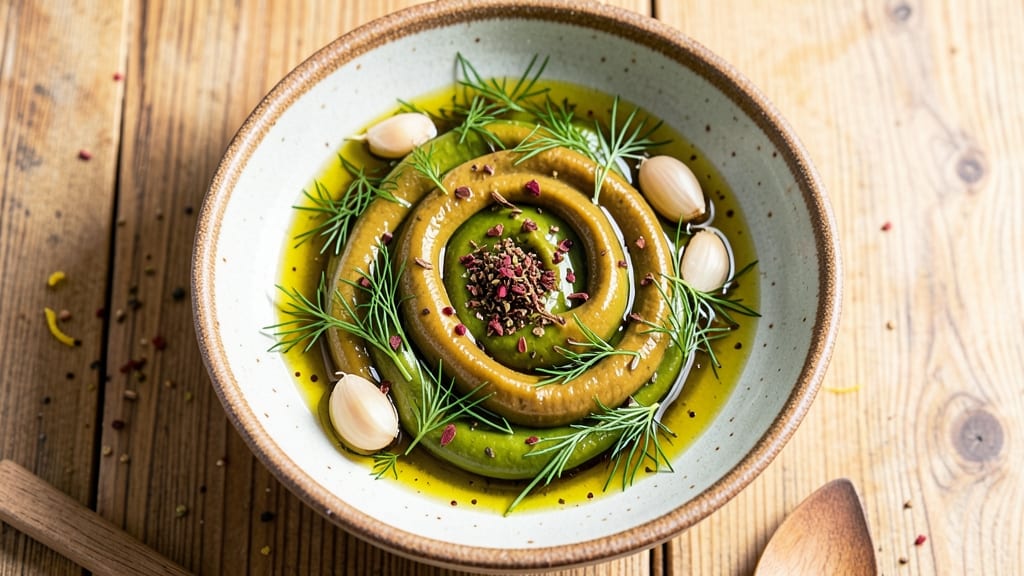
This Greek salad dressing recipe with Dijon mustard transforms simple ingredients into a vibrant, peppery-herb elixir that elevates every bite. The Dijon mustard adds depth while balancing the bright tang of red wine vinegar, creating a dressing that clings beautifully to greens and vegetables.
I developed this formula after years of testing—it’s the one that finally makes store-bought versions obsolete.
The magic lies in the ratio: a perfect blend of olive oil, vinegar, and Dijon mustard creates a velvety texture with just enough bite. Fresh herbs like oregano and dill infuse the dressing with Mediterranean charm, while cracked black pepper adds a subtle kick.
This isn’t just salad dressing—it’s a flavor booster for grilled meats, roasted vegetables, or even as a marinade.
What you’ll end up with is a dressing that’s bold yet balanced, with a peppery zing that lingers on your palate. The Dijon mustard ensures it’s not too sweet or one-note, while the olive oil keeps it rich and satisfying.
It stays fresh in the fridge for up to a week, so you can make a batch and use it all week long.
Whether you’re tossing a classic Greek salad, drizzling over grilled chicken, or using it as a marinade, this dressing delivers restaurant-quality flavor with minimal effort. Let’s get started—your taste buds will thank you.
Ingredients for greek salad dressing recipe with dijon mustard
Nine simple ingredients for a dressing that’s anything but ordinary—bold, balanced, and packed with Mediterranean flair.
| Ingredient | Amount | Notes |
|---|---|---|
| Extra-Virgin Olive Oil 🫒 | ½ cup | High-quality, fruity variety |
| Red Wine Vinegar 🍷 | ¼ cup | Dry, not sweetened |
| Dijon Mustard 🌶️ | 2 tbsp | Mild or hot, not sweetened |
| Fresh Dried Oregano 🌿 | 1 tsp | Crumbled, not ground |
| Fresh Dill Leaves 🌿 | 2 tbsp | Chopped, packed |
| Garlic Cloves 🧄 | 2 cloves | Minced, not powdered |
| Honey 🍯 | 1 tbsp | Light, not dark |
| Salt 🧂 | ½ tsp | Kosher or sea salt |
| Freshly Ground Black Pepper 🌶️ | ¼ tsp | Cracked, not powdered |
The olive oil is where the magic happens—look for extra-virgin with a fruity kick, not that cheap supermarket stuff. Trader Joe’s and Whole Foods have great options, but any high-quality brand works. The red wine vinegar should be dry, not sweetened—Bragg or Maura vinegar are solid choices. Dijon mustard is non-negotiable here; it adds that peppery depth that store-bought dressings can’t match. Grab the mild variety if you’re new to Dijon, or hot if you want extra zing. The oregano and dill? Fresh is ideal, but dried works in a pinch—just use half the amount. For garlic, fresh is always better, but if you’re in a hurry, powdered garlic at half the amount gets you close.
No Dijon mustard? Whisk together 1 tbsp regular mustard plus 1 tsp hot sauce for a similar kick. Out of fresh herbs? Dried oregano and dill work, but reduce to half the amount. The honey balances the acidity—agave or maple syrup are good swaps if you’re avoiding honey. For a tangier dressing, add an extra tablespoon of vinegar. Want it richer? Add 1 tbsp tahini for a nutty depth. The black pepper should be freshly cracked—pre-ground loses its punch fast. If you’re using this as a marinade, add 1 tbsp lemon juice for extra brightness.
This dressing keeps beautifully in an airtight jar in the fridge for up to 1 week. Shake well before each use—it’ll separate a bit. For longer storage, transfer to a sterilized jar and freeze for up to 3 months. I like to make a double batch so I always have some on hand. It’s perfect for tossing with salads, drizzling over grilled chicken, or even as a marinade for veggies or tofu. The flavors only get better as it sits, so don’t hesitate to make extra.
Why You'll Love This Recipe
- No Measuring Madness: I just eyeball the olive oil and vinegar—no scale needed. The Dijon mustard does all the balancing, so even if I overdo it slightly, the dressing still comes out spot-on every time.
- Herb-Packed Punch: That dried oregano and fresh dill? They’re the secret weapons. The oregano gives it a warm, earthy backbone, while the dill adds a bright, almost citrusy lift—like a Mediterranean vacation in a jar.
- Weeknight to Dinner Party: Drizzle it over grilled chicken for a quick weeknight meal, or toss it with roasted veggies for a showstopper side at your next gathering. Same dressing, two totally different vibes.
- Stays Fresh, Saves Money: This keeps in the fridge for up to a week, so I make a big batch and use it for everything—salads, marinades, even as a finishing touch for roasted potatoes. Fewer ingredients, more meals covered.
Step-by-step instructions for Greek salad dressing with Dijon mustard
This dressing comes together faster than you can say "fresh feta." Just a few minutes of whisking delivers bold, tangy flavor.
👨🍳 Step 1: Whisk Together the Wet Ingredients
In a medium bowl, combine the 0.5 cup extra-virgin olive oil and 0.25 cup red wine vinegar. I like to use a whisk for this step—it creates instant emulsification and prevents separation later. Add the 2 tablespoons Dijon mustard and 1 tablespoon honey next, whisking until everything is fully incorporated and the mixture is smooth.
This is where the magic starts. The mustard adds depth while the honey balances the acidity from the vinegar. If you're using a fruity olive oil, you'll notice its rich flavor immediately. Give it a taste—it should be pleasantly sharp but not overpowering. If it needs more balance, add a pinch more honey.
👨🍳 Step 2: Add Aromatics and Seasonings
Now it's time to build that signature Greek flavor. Add the 2 cloves minced garlic, 1 teaspoon crumbled fresh dried oregano, 0.5 teaspoon salt, and 0.25 teaspoon freshly ground black pepper. Whisk everything together until the garlic is fully distributed and the seasonings are evenly incorporated.
Here's where it gets good—the garlic should be minced finely so it dissolves completely into the dressing. If you use powdered garlic, you'll miss that fresh, pungent kick. I like to let the mixture sit for 1 minute after whisking so the flavors meld slightly before adding the fresh herbs.
🥘 Step 3: Fold in Fresh Dill and Adjust Consistency
Gently stir in the 2 tablespoons chopped fresh dill leaves using a silicone spatula. The dill adds that bright, fresh element that makes this dressing truly Greek. If your dressing is too thick, whisk in 1-2 teaspoons water until it reaches a pourable consistency. It should coat the back of a spoon but still flow easily.
This is the moment that matters: the dill should be evenly distributed, not clumped. If you're making this ahead of time, I recommend storing it in the fridge for up to 5 days. The flavors actually improve with a little time—just give it a good shake before using. For immediate use, taste and adjust seasoning if needed.
⏰ Step 4: Let It Rest and Use Immediately
Let the dressing sit for 5 minutes at room temperature. This resting period allows all the flavors to fully meld together. The dressing should be vibrant green from the dill, with a glossy sheen from the olive oil. Give it one final taste—it should be tangy, herby, and just slightly sweet from the honey.
This dressing works perfectly on Greek salads, grilled meats, or even as a marinade. I like to drizzle it over warm pita bread with a sprinkle of feta for a quick appetizer. The Dijon mustard gives it that extra zing that sets it apart from basic vinaigrettes. Store any leftovers in an airtight container in the fridge for up to 5 days.
Pro Tips For Making Greek Salad Dressing Recipe With Dijon Mustard
- Whisk in Stages: Start by mixing the Dijon mustard with just the vinegar—this keeps the mustard from seizing up when you add the oil later. Then, slowly drizzle in the olive oil while whisking vigorously; stopping midway to scrape down the bowl ensures no streaks form. (Yes, it’s tedious, but the result is silky, not clumpy.)
- Toast the Oregano: Crush the dried oregano between your palms or lightly toast it in a dry pan for 10 seconds—this releases its aroma and prevents a bitter, dusty flavor in the dressing. Skip this, and the herbs will just sit there like wallflowers.
- Use Room-Temp Oil: Cold olive oil straight from the fridge will make your dressing separate like oil and vinegar in a science experiment. Let the bottle sit out for 30 minutes before measuring—it blends smoother and emulsifies better. (Pro tip: Store your oil in the pantry, not the fridge.)
- Finish with Dill Last: Chop the fresh dill finely and fold it in after the dressing is fully emulsified. This keeps the leaves bright and prevents them from turning the dressing into a sad, watery mush. (And yes, you can use the stems—chop them too.)
Pro cooking tips for this dish
Emulsify Like a Pro
Whisking is everything here—don’t just stir! Use a whisk (not a fork) to combine the olive oil and vinegar first, creating tiny droplets that prevent separation. The Dijon mustard acts as a natural emulsifier, binding the oil and vinegar for a silky texture.
If your dressing breaks, add 1 tsp water and whisk vigorously to restore it. 🌟
Fresh vs. Dried Herbs
Fresh dill and oregano make all the difference—dried herbs work in a pinch but lose their brightness. If using dried, reduce to ½ tsp and add them with the garlic.
For extra depth, finely chop 1 tsp fresh mint leaves and stir them in at the end. Trust me, the freshness elevates this dressing from good to chef’s kiss.
Balance the Flavors
Taste as you go! The vinegar should be sharp but not sour, the honey should mellow it out, and the Dijon adds that peppery kick. If it’s too tangy, add ½ tsp more honey; if it’s too sweet, balance with 1 tsp extra vinegar.
The black pepper should be freshly cracked—pre-ground loses its punch fast. 🌶️
Storage Secrets
Store in an airtight glass jar in the fridge for up to 1 week. Shake well before each use—the oils will separate slightly. For longer storage, freeze for 3 months in a sterilized jar.
Pro tip: Label it with the date so you remember when it’s freshest. The flavors actually deepen over time, so don’t hesitate to make a big batch!
Versatile Uses
This isn’t just for salads! Drizzle it over grilled chicken, roasted veggies, or warm pita bread. Use it as a marinade for tofu or shrimp (add 1 tbsp lemon juice for extra brightness).
Even a bowl of olives gets a flavor upgrade with this dressing. The Dijon mustard makes it bold enough for hearty dishes but balanced enough for delicate greens.
Troubleshooting Tips
If your dressing is too thick, thin with 1 tsp water or lemon juice. Too thin? Whisk in 1 tsp olive oil or Dijon mustard to thicken it up. For extra richness, stir in 1 tsp tahini or 1 tsp crumbled feta cheese at the end.
And if you forget the Dijon? Mix 1 tbsp regular mustard + 1 tsp hot sauce for a similar kick. 💡
Nutrition facts
Frequently asked questions
Can I make this dressing without Dijon mustard?
Yes, but the flavor will be different! Mix 1 tablespoon regular mustard with 1 teaspoon hot sauce to mimic the Dijon's peppery kick. For a milder version, just use 1 tablespoon regular mustard and add an extra ½ teaspoon black pepper to compensate for the missing depth.
How long does this dressing keep in the fridge?
This dressing stays fresh for up to 1 week when stored in an airtight glass jar. The flavors actually improve slightly as it sits, so don't hesitate to make a big batch. For longer storage, freeze in a sterilized jar for up to 3 months. Always shake well before using—oils will separate slightly.
Is this dressing gluten-free?
Yes, this recipe is naturally gluten-free! All ingredients—olive oil, vinegar, mustard (check label), honey, herbs, garlic, salt, and pepper—are typically gluten-free. Just double-check your Dijon mustard label, as some brands may contain trace amounts. For extra safety, use a certified gluten-free Dijon mustard.
Can I use this dressing as a marinade?
This dressing makes an excellent marinade for grilled chicken, tofu, or shrimp. For best results, add 1 tablespoon lemon juice to boost brightness and marinate for 30 minutes (chicken) or 15 minutes (seafood/tofu). The Dijon mustard adds great depth to meats while keeping it balanced enough for delicate proteins.
Why does my dressing separate?
Separation happens when oil and vinegar aren't properly emulsified. The Dijon mustard helps bind them, but if it breaks, whisk in 1 teaspoon water and give it a good stir. For a more stable dressing, add ½ teaspoon xanthan gum (a pinch) to the wet ingredients before whisking. Always store it in the fridge to maintain consistency.