
Sauces & Condiments
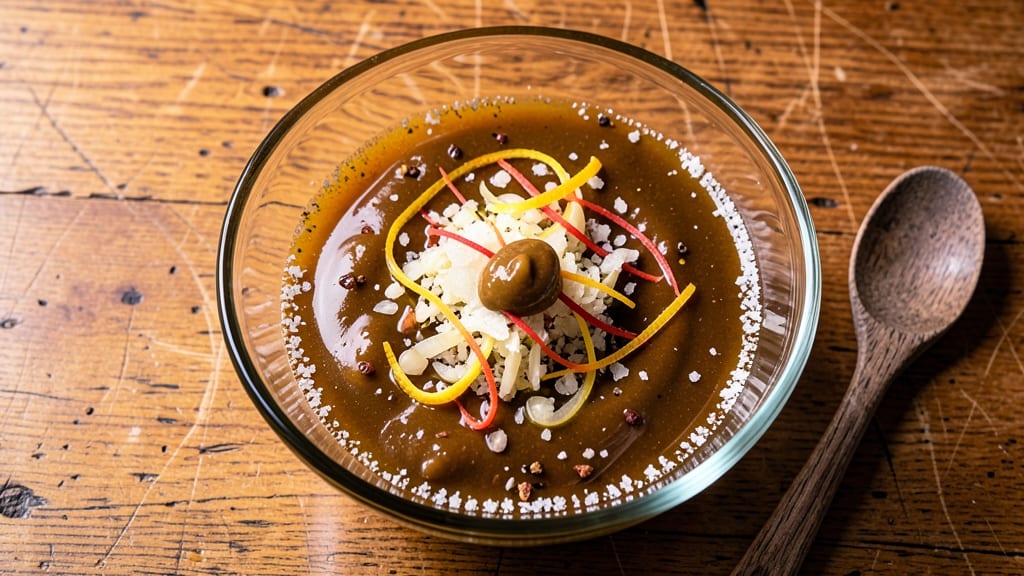
This Canlis-inspired salad dressing delivers the rich, umami depth of anchovies and parmesan without a single drop of mayo. The secret lies in a velvety emulsion of olive oil, lemon, and a touch of Dijon mustard—creating a dressing so creamy it clings to greens like a restaurant-quality velouté.
What sets this apart is the anchovy-parmesan paste, which builds layers of savory complexity while keeping the texture silky smooth and effortlessly drizzable.
The recipe begins with a simple yet transformative technique: blending anchovies and parmesan into a paste that forms the dressing’s flavor backbone. From there, it’s a matter of balancing acidity (lemon juice), richness (olive oil), and depth (Dijon mustard) to achieve that signature Canlis elegance.
Unlike traditional Caesar dressings, this version avoids mayo entirely, making it lighter yet equally indulgent—perfect for those who crave bold flavor without the heaviness.
What you’ll end up with is a dressing so luxurious it feels like a chef’s secret, yet simple enough to whip up in minutes. The anchovy-parmesan paste lends a briny, cheesy richness that pairs beautifully with romaine, arugula, or even grilled chicken.
The emulsion stays stable for days, so you can make a batch ahead and enjoy it all week without worrying about separation.
Ideal for Caesar salads, drizzling over roasted vegetables, or even as a marinade for seafood, this dressing transforms ordinary meals into something special. Let’s get started—your taste buds will thank you.
Ingredients for canlis salad dressing
Nine simple ingredients transform into a restaurant-worthy dressing that feels like a chef's secret.
| Ingredient | Amount | Notes |
|---|---|---|
| Anchovy Fillets 🐟 | 4 whole | High-quality, packed in oil |
| Parmesan Cheese 🧀 | ½ cup | Freshly grated, aged minimum 24 months |
| Extra-Virgin Olive Oil 🫒 | 1 cup | Light, fruity variety preferred |
| Fresh Lemon Juice 🍋 | ¼ cup | Strained, no pulp |
| Dijon Mustard 🌶️ | 1 tbsp | High-quality, grainy texture |
| Shallot 🧅 | 1 small | Minced, or 1 tbsp minced |
| Garlic Cloves 🧄 | 2 cloves | Fresh, minced |
| Water 💧 | ¼ cup | Room temperature |
| Salt 🧂 | ½ tsp | Diamond Crystal kosher |
| Black Pepper 🌶️ | ¼ tsp | Freshly cracked |
The anchovies and Parmesan are non-negotiable here—look for imported fillets like Colosio or St. Andrea for maximum umami. Whole Foods or specialty markets carry the best quality, but even the canned stuff at Trader Joe's works in a pinch. For the Parmesan, buy a wedge and grate it yourself—pre-grated tastes like sawdust. The olive oil should be fruity and peppery; California avocado oil or Spanish picual are perfect. Shallots add subtle sweetness—if you've only got onions, use half the amount of yellow onion, finely minced.
No anchovies? Substitute 1 tbsp fish sauce plus 1 tsp soy sauce—it won't be identical but gets close. Short on Parmesan? Pecorino Romano works too, though it's sharper. The Dijon mustard is crucial for emulsification—Maille is the gold standard, but any good-quality grainy mustard will do. If you're avoiding mustard entirely, add 1 extra tbsp lemon juice for acidity. The water is key for thinning—add it gradually while blending to avoid separation. For a nutty depth, add 1 tsp toasted walnuts or pine nuts to the final dressing.
This dressing keeps for 5-7 days in the fridge, sealed tightly. For extra insurance, pour a thin layer of olive oil on top before sealing—prevents oxidation. Portion into small jars for easy drizzling. It reheats beautifully if it thickens, just add 1 tsp warm water and whisk. Freezes for 3 months if you want to make a big batch ahead. Trust me, you'll want to—it disappears faster than you'd think.
Why You'll Love This Recipe
- Five-Ingredient Magic: I swear, this dressing comes together with just a whisk and a bowl—no blender, no fancy tools, just you and five things you probably already have. The anchovies dissolve into that rich olive oil like a secret, and suddenly your greens taste like a fancy bistro.
- Umami Bomb: That first taste of the Parmesan and anchovies hitting your tongue? It’s the kind of flavor that makes you pause mid-bite. The lemon cuts through the saltiness while the Dijon mustard adds this little tangy kick—like a Mediterranean vacation in every drizzle.
- Dresses Everything: Throw it on grilled fish, toss it with roasted veggies, or even slather it on crusty bread. It’s my go-to for weeknight dinners when I’m too tired to think, but it also shines at summer BBQs when the guests are impressed by how “elevated” everything tastes.
- Budget-Friendly Luxury: Honestly, anchovies and Parmesan might sound fancy, but a little goes a long way—this recipe stretches to dress multiple salads or even glaze meats. I’ve made a whole batch and had it last me over a week, saving me from buying overpriced store-bought dressings that taste like sad mayonnaise.
Step-by-step instructions for anchovy-Parmesan velout dressing
This velouté dressing builds flavor layer by layer—start with anchovies and finish with emulsification.
Bloom the Anchovies and Aromatics
In a small saucepan, combine the 4 whole anchovy fillets, minced 1 small shallot, and 2 cloves minced garlic. Add the 1 cup extra-virgin olive oil and set over low heat. Let it warm for 2-3 minutes until the anchovies dissolve completely and the mixture smells intensely savory. You're building the flavor base here—don't rush this step or the dressing will taste flat.
Here's the thing—anchovies packed in oil work best because they infuse their umami directly into the oil. If you see any undissolved bits, use a fork to mash them gently. Remove from heat immediately after the aromatics soften, as they'll continue cooking from residual heat.
Incorporate Mustard and Water
Return the pan to low heat and whisk in the 1 tbsp Dijon mustard and 0.25 cup water. Cook for exactly 1 minute until the mixture thickens slightly but doesn't boil. The mustard helps emulsify the dressing later, while the water creates a proper velouté consistency. You want a smooth, slightly thickened liquid that coats the back of a spoon.
If you see any curdling or separation at this stage, whisk vigorously to recombine. This is normal with anchovies—just keep moving the mixture until it smooths out. The texture should be like heavy cream at this point, not watery or gluey.
Add Lemon and Parmesan
Remove the pan from heat and stir in the 0.5 cup freshly grated Parmesan cheese and 0.25 cup fresh lemon juice. The acidity from the lemon will brighten the rich anchovy flavor while the Parmesan adds depth. Let the mixture sit for 2 minutes—this resting period allows the cheese to fully melt and the flavors to meld.
Here's where it gets fun—the dressing should look like a thick, glossy sauce with no visible cheese particles. If you see any unmelted cheese, place the pan back over very low heat for 10 seconds and whisk until smooth. The goal is silky texture with no graininess.
Season and Emulsify
Return the pan to low heat and add the 0.5 tsp salt and 0.25 tsp black pepper. Whisk constantly for 1-2 minutes until the dressing reaches 160°F—this gentle heat helps create a proper emulsion. You'll notice the mixture thicken slightly as it warms, but it should never boil.
For the final touch, transfer the dressing to a blender or use an immersion blender to emulsify until completely smooth. This step ensures no texture issues when you drizzle it over salads. Taste and adjust seasoning—you might need a pinch more salt to balance the anchovies' intensity.
Cool and Store Properly
Let the dressing cool to room temperature, then transfer to a clean jar. It will thicken as it cools—this is normal. The dressing keeps for 5 days refrigerated, but I recommend using it within 3 days for peak freshness. Before each use, give it a good shake and thin with a splash of water if needed.
This velouté works beautifully on mixed greens, grain salads, or even as a drizzle for roasted vegetables. The anchovy-Parmesan combination delivers an umami punch without any mayo—perfect for those watching their fat intake while still wanting rich flavor.
Pro Tips For Making Canlis Salad Dressing
- Soak Anchovies First: I learned this the hard way—skipping the soak means a dressing that hits like a brick. Toss those fillets in warm water for 10 minutes to soften them, then pat dry before blending. The texture smooths out, and the flavor integrates instead of clinging like a stubborn guest.
- Use Cold Parmesan: Grab that block of Parmesan straight from the fridge and grate it yourself—no pre-shredded nonsense. The cold fat stays stable when emulsifying, and you’ll avoid the grainy mess that ruins the dressing’s silky finish. (Yes, even if you’re impatient like me.)
- Emulsify in Stages: Pour the olive oil in slowly while the blender’s running, but don’t dump it all at once. Start with a splash, then let the mixture come together before adding more—this keeps the dressing from breaking like a bad promise. Think of it like making friends: one new person at a time.
- Salt the Mustard: Taste that Dijon before adding it to the mix and salt it like you mean it—about ¼ teaspoon per tablespoon. Unsalted mustard throws off the balance, and you’ll end up chasing flavor instead of savoring it. (Your future self will notice the difference.)
Creative variations of canlis salad dressing
Herb-Infused Twist
Swap the shallot for 2 tbsp finely chopped fresh tarragon or 1 tbsp each of chives and dill for a bright, herbaceous dressing. I love adding 1 tsp honey to balance the acidity when using tarragon—it creates a delicate sweetness that pairs beautifully with grilled fish or asparagus.
For a Mediterranean flair, add ½ tsp dried oregano and ¼ tsp crushed fennel seeds to the anchovy paste before emulsifying. 🌿
Spicy Kick
For heat lovers, blend in 1 tsp hot honey or ½ tsp gochujang with the lemon juice. I recommend Penzeys brand hot honey for a balanced sweet-spicy punch. If you prefer smoky heat, add ½ tsp smoked paprika to the anchovy paste during the blooming stage.
For extra depth, finish with a pinch of cayenne pepper—just enough to wake up your palate without overwhelming. 🌶️
Creamy Dairy Free
Replace the Parmesan with ½ cup nutritional yeast for a cheesy, umami-rich alternative. I use Bragg brand for its robust flavor. For extra creaminess, add 1 tbsp silken tofu purée or 1 tbsp aquafaba (chickpea brine) to the emulsification step.
This version works perfectly on kale salads or roasted Brussels sprouts—it’s just as velvety without any dairy. 🥛
Citrus Variations
Experiment with different citrus juices to change the dressing’s profile. Swap the lemon for orange juice (add ½ tsp grated orange zest) for a sweeter, tropical note that pairs well with chicken or seafood.
For a tangier twist, use lime juice and add 1 tsp honey to balance the sharpness. I’ve also had great success with grapefruit juice—just reduce the water to 2 tbsp to maintain the proper velouté consistency. 🍊
Nutty Depth
Add texture and richness by blending in 1 tbsp toasted walnuts or pine nuts during the emulsification step. For a more intense flavor, toast the nuts in a dry pan until fragrant, then grind them into a fine powder before mixing.
I recommend California walnuts for their buttery taste. For a crunchier finish, sprinkle chopped toasted hazelnuts on top of your salad after drizzling the dressing. 🌰
Global Adaptations
Transform this dressing into a Thai-inspired version by adding 1 tsp fish sauce and ½ tsp lime zest to the anchovy paste. For a Mexican twist, stir in ½ tsp cumin and ¼ tsp chili powder with the Dijon mustard.
The Japanese-inspired adaptation calls for 1 tsp soy sauce and ½ tsp mirin instead of lemon juice—it’s a game-changer for sushi bowls or seaweed salads. 🌍
Nutrition facts
Frequently asked questions
Why does this dressing use anchovies instead of mayo?
Anchovies provide a deep, umami-rich flavor without the heaviness of mayo. The velouté technique creates a silky texture using olive oil and water, while the anchovies deliver that signature savory depth—just like classic Caesar dressings, but with a lighter, more elegant profile.
Can I make this dressing ahead of time?
This dressing actually tastes better after resting. Store it in an airtight container in the fridge for up to 5 days. Before using, give it a good shake and thin with 1 tsp water if it thickens too much. The flavors meld beautifully overnight.
What's the best way to fix separated dressing?
If separation occurs, simply whisk vigorously or use an immersion blender to recombine. For stubborn separation, add 1 tsp water at a time while blending until smooth. The key is to work quickly—this dressing emulsifies easily when fresh.
Can I use this dressing on non-salad dishes?
Drizzle it over roasted vegetables, grilled chicken, or even use it as a marinade for seafood. The rich, savory flavor works beautifully with proteins and vegetables. Try it on warm Brussels sprouts or as a dip for crusty bread with a sprinkle of flaky salt.
Is there a vegan version of this dressing?
Yes! Replace the anchovies with 1 tbsp soy sauce + 1 tsp nutritional yeast and use vegan Parmesan. For creaminess, add 1 tbsp silken tofu purée during emulsification. The texture stays velvety while maintaining that umami depth without animal products.