
Sauces & Condiments
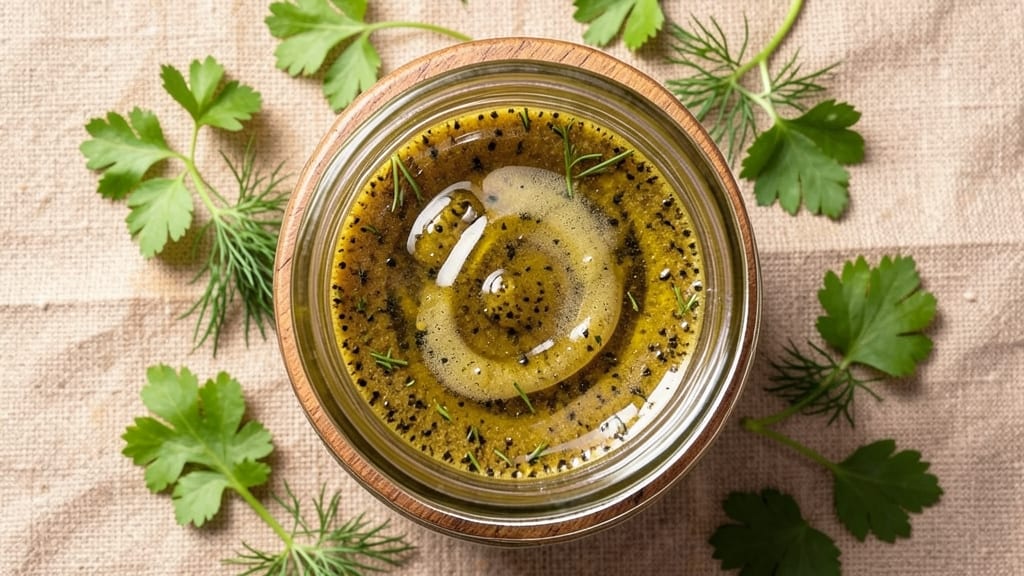
This creamy Candida salad dressing transforms your salads with gut-friendly ingredients that taste as good as they feel. Made with apple cider vinegar and olive oil, it avoids yeast and sugar while delivering rich, velvety texture and bright herbaceous flavor.
The secret lies in blending probiotic-rich elements with a smooth emulsion that coats every bite perfectly.
The dressing combines simple yet powerful ingredients: raw apple cider vinegar for tang, extra-virgin olive oil for creaminess, and fresh herbs for vibrant flavor. A touch of Dijon mustard acts as a natural emulsifier, ensuring the dressing stays smooth and clings to greens without separating.
This version skips traditional yeast-based ingredients, making it ideal for those managing gut health while still delivering restaurant-quality taste.
What sets this dressing apart is its ability to enhance any salad while supporting digestive wellness. The creamy texture comes from a blend of olive oil and a hint of coconut milk powder, creating a velouté-like consistency that's lighter than ranch but richer than vinaigrette.
It pairs beautifully with arugula, spinach, or mixed greens, turning simple salads into flavorful, nourishing meals.
Perfect for meal prep or last-minute dressings, this recipe keeps well in the fridge for up to 5 days. Use it on grain bowls, wraps, or as a dip for roasted vegetables.
The balance of acidity, creaminess, and herbal notes makes it versatile enough for any dish while staying true to its gut-friendly foundation.
Ingredients for candida salad dressing
Nine carefully selected ingredients create this velvety probiotic dressing without yeast or sugar.
| Ingredient | Amount | Notes |
|---|---|---|
| Extra-Virgin Olive Oil 🫒 | ¾ cup | Cold-pressed for optimal flavor retention |
| Raw Apple Cider Vinegar 🍏 | ⅓ cup | Unfiltered for probiotic benefits |
| Unflavored Coconut Milk Powder 🥥 | 2 tbsp | For creamy texture without dairy |
| Dijon Mustard 🌶️ | 1 tbsp | High-quality for proper emulsification |
| Fresh Dill Weeds 🌿 | ¼ cup | Finely chopped for bright herbal notes |
| Fresh Parsley Leaves 🌿 | ¼ cup | Chopped for vibrant green color |
| Garlic Cloves 🧄 | 2 cloves | Minced for subtle aromatic depth |
| Sea Salt 🧂 | ½ tsp | Diamond Crystal preferred |
| Black Peppercorns 🌶️ | ¼ tsp | Freshly cracked for robust flavor |
| Raw Honey 🍯 | 1 tbsp | Optional for subtle sweetness |
The olive oil and apple cider vinegar form the dressing's foundation—extra-virgin olive oil ensures rich flavor while the raw, unfiltered vinegar provides probiotic benefits. For the creamy texture, unflavored coconut milk powder from Trader Joe's or Bob's Red Mill works best, as it dissolves smoothly without graininess. Fresh herbs are non-negotiable here; Whole Foods Market or local farmers markets offer the brightest dill and parsley. The Dijon mustard serves as the emulsifier—Maille is ideal, but any high-quality brand will work.
No coconut milk powder? Silken tofu blended with lemon juice creates a similar creaminess. Substitute white balsamic vinegar for apple cider if needed, though the probiotic benefits will differ. Fresh herbs unavailable? Dried dill at one-third the amount works in a pinch, but texture will be less velvety. For a sugar-free version, omit the honey entirely—the dressing remains perfectly balanced. The garlic can be pre-minced from a jar (like Gourmet Garden), but fresh mincing adds superior depth.
This dressing keeps beautifully in an airtight glass jar for up to 5 days when refrigerated. The emulsion remains stable, though give it a quick shake before each use. For longer storage, freeze in ice cube trays—thaw and whisk back to perfection. The probiotic elements remain active for 3 months when frozen. Portion into small containers for meal prep, pairing perfectly with pre-washed salad greens or roasted vegetables.
Why You'll Love This Recipe
- Five-Ingredient Magic: I swear, this dressing comes together faster than I can say "candida protocol." Just whisk those five pantry staples—olive oil, vinegar, coconut powder, mustard, and dill—and boom. No measuring cups, no fancy techniques, just a jar, a spoon, and 60 seconds of your life.
- Tangy-Creamy Balance: That raw apple cider vinegar cuts through everything while the coconut milk powder adds this unexpected velvety richness. The dill? It’s like a little herbal hug in every bite—bright, fresh, and impossible to resist. Honestly, I’ve tried store-bought dressings that cost twice as much and still don’t hit this.
- Weeknight Superstar: This isn’t just for salads—drizzle it over roasted veggies, toss it with grilled chicken, or even use it as a marinade. I keep a jar in the fridge all week because it works everywhere. Even my picky teenage son asked for seconds on his plain lettuce wrap.
- Zero-Waste Money-Saver: A little goes a long way, and the ingredients? Most are already in my pantry. That coconut milk powder alone stretches this recipe into three jars, and the vinegar and oil last for months. Between us, I’ve spent less on dressing in a year than I did on one fancy bottle of balsamic. Plus, leftovers keep for weeks—no sad, wilted salad here.
Step-by-step instructions for Candida salad dressing
This probiotic-rich dressing delivers velvety texture and vibrant flavor without dairy.
Whisk Together the Base Ingredients
In a medium bowl, combine the 0.75 cup extra-virgin olive oil and 0.33 cup raw apple cider vinegar. This ratio creates a balanced acid-to-fat ratio that prevents separation while maintaining probiotic benefits from the unfiltered vinegar. Use a whisk and work in a circular motion for 1-2 minutes until the mixture begins to emulsify slightly—you should see tiny bubbles forming along the edges.
Next, add the 2 tablespoons unflavored coconut milk powder and 1 tablespoon Dijon mustard. The coconut powder acts as a natural emulsifier, replacing dairy while creating that signature creamy texture. The Dijon mustard adds depth and helps bind the ingredients together. Whisk vigorously for another 30 seconds until the powder fully dissolves and the mixture becomes smooth and homogeneous.
Incorporate Herbs and Aromatics
Finely chop the 0.25 cup fresh dill weeds and 0.25 cup fresh parsley leaves, removing any thick stems. The dill provides a bright, slightly tangy note while the parsley adds freshness and vibrant color. Add these to the bowl along with the 2 minced garlic cloves and 0.5 teaspoon sea salt. The garlic should be minced into tiny pieces—no visible flecks—to distribute flavor evenly throughout the dressing.
Whisk all ingredients together for 1 minute, ensuring the herbs are fully incorporated. You'll notice the mixture becoming more vibrant in color as the chlorophyll from the parsley and dill infuses the oil. The dressing should now have a thick, paste-like consistency—this is ideal for creating a velvety texture when thinned later.
Emulsify and Season
Gradually add 1 tablespoon raw honey while whisking continuously. The honey not only adds subtle sweetness but also helps stabilize the emulsion by reducing surface tension between the oil and vinegar. Whisk for an additional 30 seconds until the honey is fully incorporated and the dressing appears glossy.
Finally, add the 0.25 teaspoon freshly cracked black peppercorns and give the dressing one final whisk for 15 seconds. The peppercorns should be cracked—not ground—so they distribute tiny flecks of pepper throughout the dressing. Taste and adjust seasoning if needed, though this recipe's proportions are carefully balanced for optimal flavor.
Thin to Desired Consistency
Transfer the dressing to a clean jar with an airtight lid. If you prefer a thinner consistency for drizzling, add 1-2 tablespoons of water at a time while whisking vigorously between additions. The dressing should coat the back of a spoon but still pour smoothly. For a thicker dressing suitable for tossing, no additional liquid is needed—the coconut milk powder creates enough body.
Let the dressing rest for 5 minutes before using. This allows the flavors to meld and the emulsion to fully stabilize. The final product should be creamy with a velvety texture, vibrant green from the herbs, and a bright, tangy flavor profile. Store in the refrigerator for up to 1 week, shaking gently before each use to redistribute any settled ingredients.
Pro Tips For Making Candida Salad Dressing
- Whisk in Stages: Start with the vinegar and mustard—mix those first until smooth, then slowly drizzle in the olive oil. I learned this the hard way: dumping oil in all at once just makes a greasy sludge. The coconut milk powder goes last, whisked in with a splash of warm water to avoid clumping.
- Use Cold Vinegar: Chill the apple cider vinegar in the fridge for 10 minutes before mixing. Cold vinegar emulsifies better with the oil, and your dressing won’t separate like a sad, oily puddle in the bottom of the jar. Trust me, it’s worth the wait.
- Weigh the Coconut Powder: Don’t eyeball the unflavored coconut milk powder—measure it by weight (about 1 tablespoon per ¼ cup dressing). Too much turns your dressing into a thick, gluey mess, and too little makes it taste bland. A kitchen scale solves this forever.
- Pulse the Dill: Roughly chop the fresh dill and give it a quick pulse in a food processor before adding it to the dressing. This releases more flavor without turning it into dill dust. (Yes, I’ve made that mistake—it’s not pretty.)
Serving suggestions for this dish
Salad Pairings
This creamy dressing shines on arugula salads with its bright herbal notes and tangy depth. Toss 4 cups baby arugula with ½ cup cherry tomatoes and ¼ cup shaved fennel—the anise-like flavor of fennel complements the dressing's dill perfectly.
For a heartier option, add ½ cup toasted walnuts and ¼ cup crumbled goat cheese for texture contrast. 🥗
Grain Bowls
Elevate quinoa bowls with this dressing by mixing 1 cup cooked quinoa with ½ cup roasted sweet potatoes, ¼ cup avocado slices, and 2 tbsp pumpkin seeds.
The creamy texture balances the earthy quinoa while the herbs brighten the dish. For extra protein, top with 3 oz grilled chicken breast or ½ cup chickpeas.
Wraps & Sandwiches
Use this dressing as a wrap sauce for whole-grain tortillas filled with shredded rotisserie chicken, sliced cucumber, and thinly sliced radishes. The creamy base coats the filling beautifully, while the herbs add freshness.
For sandwiches, spread 1 tbsp dressing on sourdough bread with smoked turkey and watercress for a gut-friendly lunch.
Roasted Vegetables
Drizzle this dressing over roasted Brussels sprouts or asparagus after tossing them in 1 tbsp olive oil and roasting at 400°F for 15-20 minutes. The creamy texture clings to the crispy edges, while the herbs enhance the natural sweetness of the vegetables.
For a complete meal, serve alongside grilled shrimp or white beans.
Dipping Sauce
Transform this dressing into a dip for crudités like carrot sticks, celery, and bell pepper strips. The velvety texture makes it ideal for dipping, while the probiotic elements add a digestive-friendly twist. For extra flair, sprinkle with toasted sesame seeds or crumbled feta cheese before serving. 💫
Meal Prep Tips
Store dressing in a glass jar in the fridge for up to 5 days—shake well before each use. Pair it with pre-washed salad greens in mason jars for grab-and-go lunches.
For extra convenience, portion into small containers with roasted veggies or cooked grains in separate compartments. The dressing’s stable emulsion ensures it stays creamy even after refrigeration.
Nutrition facts
Frequently asked questions
Why use apple cider vinegar instead of regular vinegar?
The unfiltered raw apple cider vinegar in this recipe provides probiotic benefits that support gut health, making it ideal for a Candida-friendly dressing. Regular vinegar lacks these beneficial bacteria and enzymes, while the apple cider variety adds tangy depth and a slight sweetness that enhances the dressing's flavor profile.
Can I make this dressing without coconut milk powder?
Yes! For a creamy texture without coconut powder, blend ¼ cup silken tofu with 1 teaspoon lemon juice until smooth, then whisk it into the dressing. Alternatively, use 1 tablespoon tahini or 1-2 tablespoons Greek yogurt (if dairy isn't an issue). Each option adds richness while maintaining the velvety consistency.
How do I prevent the dressing from separating?
Emulsify properly by whisking the oil and vinegar vigorously for 1-2 minutes before adding other ingredients. The Dijon mustard and coconut milk powder act as natural emulsifiers, but if separation occurs, simply whisk again or add 1 teaspoon water at a time until smooth. Store in an airtight container to maintain stability.
Is this dressing safe for those with nut allergies?
Yes, this recipe is nut-free! The creamy texture comes from coconut milk powder (not tree nuts) and optional substitutions like silken tofu or tahini (if using sesame-free brands). Always check labels on coconut products if severe allergies are a concern—some brands process in nut facilities.
Can I use dried herbs instead of fresh?
Dried herbs work in a pinch, but reduce the amount to ⅓ of the fresh measurement (e.g., use 2 teaspoons dried dill instead of ¼ cup fresh). Dried herbs lack moisture, so they won't infuse the dressing as vibrantly. For best flavor, fresh herbs are ideal, but dried will still add herbal depth.