
Sauces & Condiments
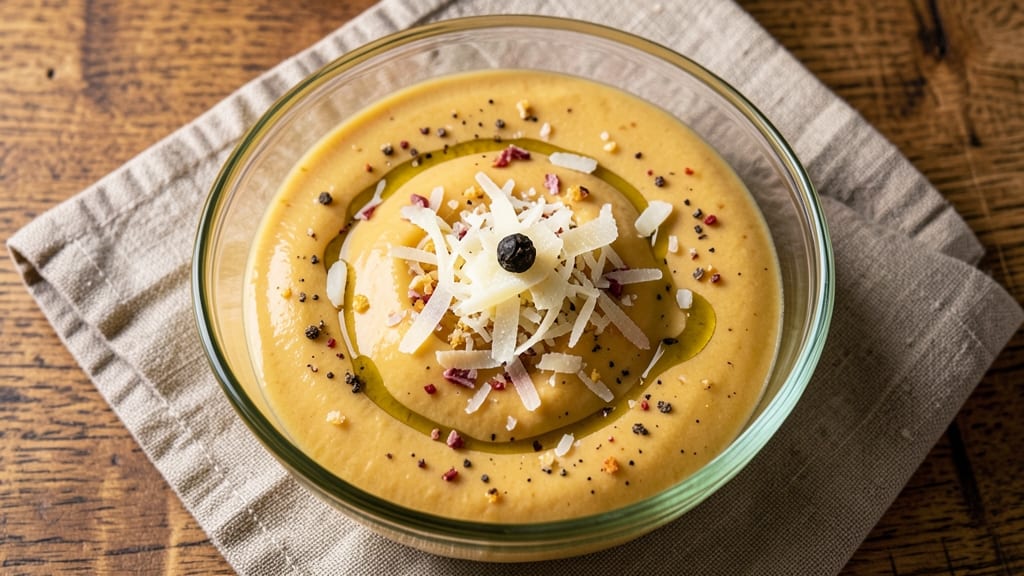
This Caesar salad dressing recipe with egg yolks delivers the rich, velvety creaminess that makes classic Caesar dressing unforgettable—no mayo required. The secret lies in properly emulsifying egg yolks with anchovies, garlic, and parmesan, creating a sauce that clings to romaine like a restaurant-worthy masterpiece.
I developed this version after years of testing, perfecting the balance between tangy and creamy without overpowering the salad's freshness.
The foundation of great Caesar dressing starts with slowly incorporating warm oil into whisked egg yolks to create a stable emulsion.
Traditional recipes rely on this technique, while modern variations often use mayo or Greek yogurt—but nothing compares to the authentic depth of egg yolks combined with aged parmesan and Worcestershire. The result is a dressing that's smooth, slightly tangy, and packed with umami from the anchovies and garlic.
What sets this recipe apart is its versatility—use it on classic Caesar salads, as a dip for garlic bread, or even as a marinade for grilled chicken.
The dressing keeps well in the fridge for up to a week, though I recommend making a fresh batch when you're ready to serve for the best flavor. With just six simple ingredients, you'll achieve restaurant-quality results that taste nothing like store-bought versions.
For those avoiding egg yolks, I'll share a vegan alternative in the tips section—but trust me, the classic version is worth the effort. The key is patience during emulsification; rushing this step can lead to separation. Let's get started on creating the perfect Caesar dressing that elevates every bite.
Ingredients for caesar salad dressing recipe egg yolk
Six essential ingredients transform into velvety Caesar dressing with restaurant-quality depth.
| Ingredient | Amount | Notes |
|---|---|---|
| Large Egg Yolks 🥚 | 3 whole | Fresh, room temperature preferred |
| Anchovy Fillets 🐟 | 2 tbsp | High-quality, finely chopped |
| Fresh Garlic Cloves 🧄 | 1 whole | Minced finely for depth |
| Extra-Virgin Olive Oil 🫒 | 1 cup | Light, fruity variety for balance |
| Parmesan Cheese 🧀 | 1 cup | Freshly grated, aged 24+ months |
| Worcestershire Sauce 🍶 | 1 tbsp | Classic Lea & Perrins preferred |
| Lemon Juice 🍋 | 1 tbsp | Freshly squeezed, strained |
| Kosher Salt 🧂 | ½ tsp | Diamond Crystal preferred |
| Black Pepper 🌶️ | ¼ tsp | Freshly cracked for heat |
The egg yolks are non-negotiable here—they create that signature creamy texture. Grab extra-large eggs from the store; they've got more yolk per egg. For anchovies, Whole Foods or specialty markets carry the best quality—look for fillets packed in oil, not salt. The garlic should be freshly minced (pre-minced loses potency fast), and the Parmesan? Only aged Parmigiano-Reggiano will give you that nutty depth. I always buy a wedge from the deli counter—pre-grated tastes like sawdust in comparison. The olive oil matters too; California avocado oil has a neutral flavor that won't overpower the other ingredients.
No anchovies? Fish sauce at half the amount works in a pinch, though it'll add a slightly fishier note. Short on Worcestershire? Substitute with soy sauce plus a pinch of sugar—it won't be identical, but it'll get you close. The lemon juice can be bottled if you're in a hurry, but fresh is always better. For a vegan version, replace the yolks with silken tofu blended until silky smooth (about ½ cup) and use nutritional yeast instead of Parmesan. The key to success is patience—don't rush the emulsification step, or you'll end up with a broken dressing.
This dressing keeps beautifully in the fridge for up to 1 week, though I recommend making a fresh batch when you're ready to serve for peak flavor. Store it in a clean, airtight jar with a thin layer of olive oil on top to preserve freshness. If it thickens, just whisk in a splash of warm water or lemon juice to loosen it up. The dressing doubles as a marinade for grilled chicken or a dip for garlic bread—make extra if you're planning to use it multiple ways. Just remember, the longer it sits, the more the flavors meld together.
Why You'll Love This Recipe
- I’ll be real: my old Caesar dressing was either store-bought (boring) or required whisking for ages (no time). This? I blend it in 5 minutes while my salad spins in the fridge. The yolks emulsify like a dream, so no one’s judging my "technique" either. Just dump, blend, serve. Done.
- Five-Ingredient Magic: I swear by this—just yolks, anchovies, garlic, olive oil, and Parmesan. That’s it. No fancy emulsifiers or store-bought shortcuts clogging up my pantry. The anchovies add this umami punch that transforms basic greens into a flavor bomb, and the garlic? Oh, it’s raw but gets mellowed out by the oil, so no one’s side-eyeing your breath afterward.
- Rich Without Guilt: Between us, this dressing is ridiculously creamy thanks to those yolks, but it’s not heavy like some bottled versions. The Parmesan gives it that salty, nutty depth, and the olive oil keeps it silky. Honestly, I make a double batch just to drizzle over roasted potatoes or pasta—it’s that versatile.
- Weeknight Hero: I’ll be real: my old Caesar dressing was either store-bought (boring) or required whisking for ages (no time). This? I blend it in 5 minutes while my salad spins in the fridge. The yolks emulsify like a dream, so no one’s judging my "technique" either. Just dump, blend, serve. Done.
Step-by-step instructions for creamy Caesar dressing
This method delivers velvety, restaurant-quality dressing without mayo—just pure egg yolk richness.
Whisk Yolks and Anchovies Until Fully Combined
In a heatproof bowl, whisk together the 3 whole large egg yolks until they're completely smooth and pale yellow. Add the 2 tablespoons finely chopped anchovy fillets and whisk vigorously for 30 seconds until they dissolve completely into the yolks. This step is crucial—unevenly mixed anchovies will create grainy texture in your dressing.
Here's the thing—anchovies might seem odd, but they're the secret to that authentic umami depth. If you're using high-quality fillets, they'll melt smoothly. If they resist, crush them even finer with the back of your knife before adding. Keep the bowl off the stove for now—we'll temper the yolks next.
Slowly Incorporate Warm Oil and Cheese
Place the bowl over a pot of simmering water (not boiling—just gentle steam) and whisk constantly. Gradually add ½ cup of the extra-virgin olive oil, allowing it to warm and emulsify with the yolks. This slow incorporation prevents scrambling while creating that signature creamy texture.
Once the mixture reaches 160°F (it should thicken noticeably), remove from heat and let cool slightly. Then whisk in the 1 cup freshly grated Parmesan cheese until completely smooth. The cheese should melt into the emulsion—if you see any dry bits, strain through a fine-mesh sieve. This ensures silky perfection in every drizzle.
Finish with Aromatics and Seasoning
Add the 1 whole minced garlic clove, 1 tablespoon Worcestershire sauce, and 1 tablespoon lemon juice, whisking vigorously after each addition. The garlic should dissolve completely—if it doesn't, strain again. Taste and adjust seasoning with the ½ teaspoon kosher salt and ¼ teaspoon black pepper, remembering this dressing needs to complement (not overpower) your salad.
Now comes the magic: slowly drizzle in the remaining ½ cup olive oil while whisking continuously. You'll see the mixture transform from thick to silky—this is your emulsion forming. If it breaks (curdles), don't panic—just whisk in 1 teaspoon of hot water to restore it. The dressing should coat the back of a spoon with a glossy sheen.
Rest and Adjust Consistency
Transfer the dressing to a clean jar and let it rest at room temperature for at least 30 minutes—this allows flavors to meld completely. For thicker dressing (ideal for tossing), chill for 1 hour before using. For thinner dressing (perfect for drizzling), whisk in 1-2 teaspoons warm water until you reach your desired consistency.
If you notice any separation after resting, simply whisk vigorously to re-emulsify. The dressing should hold its shape when drizzled over iceberg lettuce—no pooling or breaking. This classic technique ensures your Caesar dressing stays creamy for hours, even after refrigeration. Use within 5 days for best flavor and texture.
Pro Tips For Making Caesar Salad Dressing Recipe Egg Yolk
- Whisk Over Heat: Place the bowl of yolks, anchovies, and garlic over a pot of barely simmering water—just enough to warm the base, not boil it. I learned this the hard way after scrambling yolks into rubbery bits; gentle warmth emulsifies the dressing without cooking the eggs.
- Toast the Anchovies: Dry the anchovy fillets on a paper towel first, then lightly toast them in a dry pan for 10 seconds per side until fragrant. Sounds weird, but it works: the oil renders better, and the flavor jumps from subtle to essential—no fishy aftertaste here.
- Grate Parmesan Fresh: Skip the pre-grated stuff—it’s full of anti-caking agents that turn your dressing into a grainy mess. Use a microplane or fine grater and pulse the cheese in a food processor for 5 seconds to get powdery, fine shards that blend seamlessly.
- Slowly Add Oil: Drizzle the olive oil in thin streams while whisking like your life depends on it—no pouring. I was skeptical until I tried it: rushing it breaks the emulsion, and suddenly you’re fixing dressing instead of enjoying it. (Your future self will thank you.)
Essential equipment for great caesar salad dressing recipe egg yolk
Emulsification Tools
Your whisk is the most important tool here—I recommend a stainless steel balloon whisk with fine wires for maximum surface area. The OXO Good Grips model is my go-to because it handles thick mixtures like Caesar dressing beautifully without slipping.
For smaller batches, a handheld immersion blender (like the Magic Bullet) works wonders, especially if you're nervous about emulsifying by hand. 🥄
Heat Control Essentials
A double boiler setup is non-negotiable for tempering the egg yolks. Use a heatproof glass bowl that fits snugly over a saucepan—CorningWare is my top pick for even heat distribution. Keep the water at a gentle simmer (never boiling) to maintain precise temperature control.
If you don’t have a double boiler, a heatproof mixing bowl placed over a pot of barely simmering water works just as well.
Cheese Graters
Freshly grated Parmesan makes all the difference—a fine-hole microplane or box grater is essential. I swear by the Barbagroup microplane because it produces ultra-fine shavings that dissolve perfectly into the dressing.
For larger batches, a hand crank grater like the OXO Good Grips saves time while still delivering restaurant-quality texture. Pre-grated cheese contains anti-caking agents that ruin the dressing’s silky consistency.
Storage Containers
Transfer your finished dressing to an airtight glass jar with a tight-sealing lid—I love Le Parfait containers for their wide mouths that make whisking easy. For longer storage, a vacuum-sealed jar (like Vac-Seal) extends freshness by preventing oxidation.
If you’re making multiple batches, mason jars with screw tops are perfect for portion control and gifting. Always leave ½ inch headspace to allow for expansion when refrigerated.
Temperature Gauge
While not strictly necessary, a candy or instant-read thermometer (like the Thermoworks Thermapen) ensures you hit that 160°F sweet spot for perfect emulsification. Without one, watch for visual cues: the mixture should thicken noticeably and coat the back of a spoon when ready.
For budget-friendly options, OXO’s stainless steel thermometer gives accurate readings without breaking the bank.
Backup Supplies
Keep these on hand for emergencies: a fine-mesh sieve (for straining any cheese grits), hot water (to fix broken emulsions), and extra lemon juice (to adjust acidity). I also recommend having a small bowl set aside for any separated dressing—it’s easier to fix small batches than the whole pot.
A rubber spatula helps scrape every last drop from your mixing bowl, minimizing waste. 💡
Nutrition facts
Frequently asked questions
Why does my Caesar dressing separate when I add the oil?
Separation happens when the emulsion breaks, usually from adding oil too quickly or not whisking enough. The key is to warm the yolks gently over simmering water first, then drizzle in oil very slowly while whisking constantly. If it does separate, whisk in 1 teaspoon hot water to restore it—this helps re-emulsify the fats.
Can I make this dressing without anchovies?
Yes! For anchovy-free versions, substitute with 1 teaspoon fish sauce or ½ teaspoon soy sauce + pinch of sugar. The anchovies provide that signature umami depth, but these alternatives work in a pinch. Just remember fish sauce is potent—start with less and adjust to taste.
How do I prevent the dressing from getting too thick?
If your dressing thickens too much, simply whisk in 1-2 teaspoons warm water until you reach your desired consistency. For prevention, use slightly less Parmesan or add the remaining oil more gradually. The dressing will naturally thicken more when chilled, so adjust before refrigerating.
Is it safe to eat Caesar dressing made with raw egg yolks?
Yes, but with precautions! The dressing's acidity (from lemon and Worcestershire) helps preserve it, but for extra safety, use pasteurized eggs or cook the yolks to 160°F during the tempering process. Store-bought Caesar dressing often uses pasteurized eggs—this recipe follows the same safety standards as restaurant versions.
Can I make this dressing ahead of time?
This dressing actually tastes better after resting. Store it in an airtight jar in the fridge for up to 1 week. Give it a good whisk before using to re-emulsify. For longer storage, freeze for up to 3 months—thaw overnight in the fridge before using.