
Sauces & Condiments
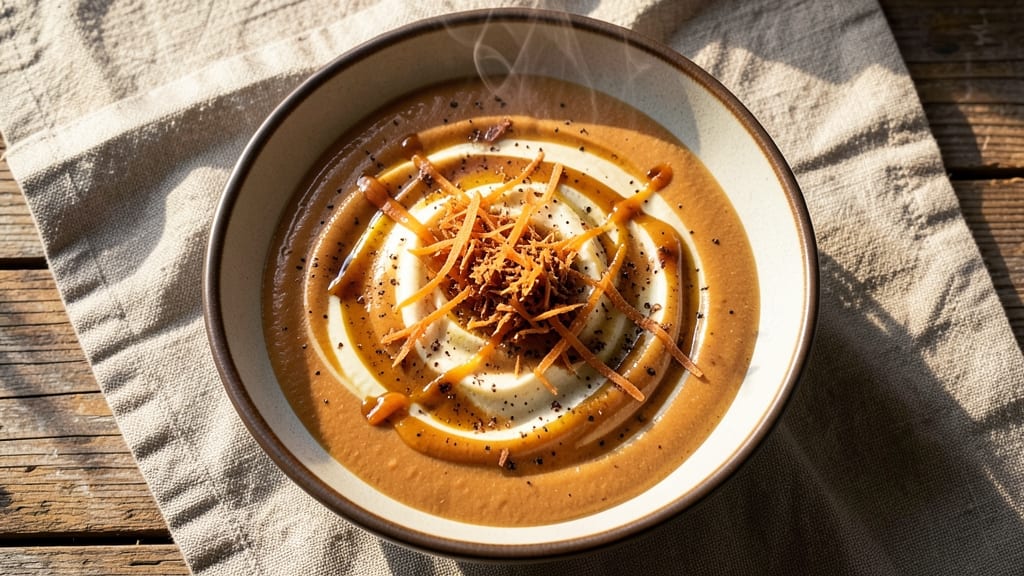
This butternut squash salad dressing recipe transforms humble ingredients into a velvety, warmly spiced sauce that elevates autumn dishes. 🍂 The secret lies in blending roasted squash purée with maple syrup and apple cider vinegar, creating a harmony of sweet, tangy, and earthy flavors that cling beautifully to greens or roasted vegetables.
Perfect for fall menus, this dressing stays fresh in the fridge for up to a week.
What sets this dressing apart is its versatility—it works as a vibrant drizzle over kale salads, a glaze for roasted chicken, or even a dip for crusty bread. The roasting process deepens the squash’s natural sweetness while caramelizing its edges, which infuses the dressing with rich, toasty notes.
No complicated techniques are needed—just a few simple ingredients combined in the right proportions.
The result is a smooth, well-balanced dressing with a silky texture and layers of flavor: the warmth of maple, the brightness of vinegar, and the subtle spice of cinnamon or nutmeg.
Each component plays a role—olive oil adds richness, while fresh herbs (like thyme or rosemary) bring a touch of freshness. This dressing is the kind of recipe that makes everyday meals feel special without extra effort.
Whether you're prepping for a holiday gathering or simply craving a cozy weeknight meal, this dressing delivers restaurant-quality results at home. Store it in an airtight container to preserve its freshness, and enjoy it over salads, drizzled on roasted dishes, or even as a marinade for meats.
Here’s how to make it effortlessly.
Ingredients for butternut squash salad dressing
Nine ingredients blend into a velvety dressing that transforms fall meals with warm, spiced harmony.
| Ingredient | Amount | Notes |
|---|---|---|
| Butternut Squash 🎃 | 2 cups | Roasted and puréed, skin removed |
| Pure Maple Syrup 🍁 | ½ cup | Grade B for deeper flavor |
| Apple Cider Vinegar 🍎 | ¼ cup | Raw and unfiltered preferred |
| Extra-Virgin Olive Oil 🫒 | ½ cup | Light fruity variety recommended |
| Ground Cinnamon 🌿 | 1 tsp | Freshly ground for best aroma |
| Ground Nutmeg 🌿 | ½ tsp | Freshly grated nutmeg preferred |
| Fresh Thyme Leaves 🌿 | 1 tbsp | Finely chopped, stems removed |
| Salt 🧂 | ½ tsp | Diamond Crystal kosher salt |
| Black Pepper 🌶️ | ¼ tsp | Freshly cracked for best flavor |
The butternut squash is the foundation—roast it until caramelized for maximum sweetness and depth. Trader Joe's and Whole Foods carry pre-cut squash for convenience, but a whole squash roasts more evenly. Look for vibrant orange flesh with no soft spots. Grade B maple syrup adds complexity, while raw apple cider vinegar brings bright acidity to balance the richness. Fresh thyme elevates the dressing beyond basic sweetness, so don't skip it if you can get it fresh—dried works in a pinch but lacks the same brightness.
No maple syrup? Agave nectar or date syrup works in a bind, though the flavor won't be identical. Substitute balsamic vinegar for apple cider if needed—it adds a deeper richness. For nutmeg, freshly grated is ideal, but pre-ground is fine if labeled as pure nutmeg. Olive oil quality matters: a light fruity variety keeps the dressing from becoming overpoweringly strong. If you prefer a smoother texture, blend the dressing until completely silky—no lumps should remain. The cinnamon and nutmeg can be adjusted to taste, but start with the measured amounts for a balanced base.
Store in an airtight glass jar in the fridge for up to 1 week, shaking gently before each use. The flavors meld beautifully over time, making it even more complex after a day or two. For longer storage, freeze in ice cube trays—perfect for single-use portions. This dressing reheats beautifully, making it ideal for drizzling over warm roasted vegetables or as a glaze for holiday dishes. The acidity from the vinegar helps preserve freshness, so don't worry about it spoiling quickly—just keep it sealed.
Why You'll Love This Recipe
- No Blender Needed: I swear by this trick—just roast the squash until it’s soft enough to scoop right off the skin. No pulsing, no straining, and zero cleanup. The caramelized bits? That’s the magic.
- Sweet-Savory Balance: The maple syrup and apple cider vinegar play tag-team here—rich and tangy, but never cloying. A pinch of cinnamon ties it all together like a warm hug in dressing form. (Yes, even on a Tuesday night.)
- Dresses Everything: Toss it with greens for a fall vibe, drizzle it over roasted chicken, or use it as a marinade for tofu. It’s the one pantry staple that turns “meh” meals into “I’ll have that again” moments.
- Budget Magic: Butternut squash is cheaper than avocados, and a little goes a long way. Stash it in the fridge for up to a week—perfect for when you’re low on cash but high on cravings. (Between us, it’s my secret for faking gourmet.)
Step-by-step instructions for warm spiced maple-vinegar dressing
This dressing transforms simple ingredients into a velvety, aromatic sauce perfect for autumn salads.
🍳 Step 1: Roast and Purée the Butternut Squash
Preheat your oven to 400°F and cut the butternut squash into 1-inch cubes, removing any seeds. Toss the cubes with 1 tablespoon olive oil (not the full amount from ingredients), ¼ teaspoon salt, and ¼ teaspoon black pepper. Spread them on a baking sheet in a single layer.
Roast for 25-30 minutes until the edges are deep golden brown and the squash yields slightly when pierced with a fork. Let it cool for 5 minutes, then transfer to a food processor or blender. Purée until completely smooth, scraping down the sides as needed. You should have about 2 cups of silky purée—this is your flavor foundation.
👨🍳 Step 2: Combine Wet Ingredients for Depth
In a medium saucepan, combine the 2 cups butternut squash purée, 0.5 cup pure maple syrup, and 0.25 cup apple cider vinegar. Place over medium heat and bring to a gentle simmer, stirring occasionally to prevent sticking. Let it cook for 8-10 minutes until the mixture thickens slightly and the maple aroma deepens—you'll notice the sweetness mellows as the vinegar integrates.
This step develops the dressing's complexity. The vinegar brightens the squash's natural sweetness while the maple syrup adds richness. If the mixture looks too thick, add 1-2 tablespoons water to reach a pourable consistency, but aim for a velvety texture that coats the back of a spoon.
🔥 Step 3: Infuse with Spices and Oil
Reduce heat to low and whisk in the 0.5 cup extra-virgin olive oil in a slow, steady stream. This prevents the oil from separating and creates an emulsified dressing. Next, add the 1 teaspoon ground cinnamon, 0.5 teaspoon ground nutmeg, 1 tablespoon fresh thyme leaves, 0.5 teaspoon salt, and 0.25 teaspoon black pepper. Stir constantly for 2-3 minutes until the spices bloom and the oil fully incorporates.
The spices should perfume the air with warm, earthy notes. Here's the thing—don't rush this step. The nutmeg and cinnamon need time to dissolve completely into the warm mixture. If you taste it now, you'll notice the balance between sweet, tart, and spiced flavors coming together. If the dressing tastes too sharp, add a pinch more maple syrup; if it's too sweet, stir in a splash more vinegar.
⏰ Step 4: Simmer and Finish to Perfection
Continue simmering on low heat for another 5-7 minutes, stirring occasionally, until the dressing reaches a glossy, syrupy consistency that coats a spoon. It should be thick enough to cling to greens but still pour smoothly. Taste and adjust seasoning—this is your final opportunity to balance the flavors before serving.
For the best results, remove from heat and let it cool for 5 minutes before using. The dressing will thicken slightly as it cools, which is ideal for tossing with hearty greens or drizzling over roasted vegetables. Store any leftovers in an airtight container in the refrigerator for up to 1 week, though it's best enjoyed fresh while the spices are at their peak.
Pro Tips For Making Butternut Squash Salad Dressing
- ROAST THE SQUASH FIRST: Cook the butternut squash until it’s fork-tender, not just soft—think of it like a caramelized mash, not mushy soup. I learned this the hard way: undercooked squash turns your dressing into a watery, flavorless glop, while overcooked squash makes it taste like pumpkin puree. Aim for 30-40 minutes at 400°F (200°C) with a drizzle of olive oil and salt, then let it cool before blending.
- USE ROASTED SQUASH, NOT RAW: Skip the raw squash—it’s a flavor disaster. Raw butternut squash tastes bitter and dulls the maple’s sweetness, while roasted squash deepens the caramel notes and balances the vinegar’s tang. Even if you’re in a rush, take 20 minutes to roast it—your dressing will thank you.
- TEMPER THE VINEGAR: Add the apple cider vinegar to the warm squash puree, not cold. Cold vinegar shocks the dressing and makes it separate, especially when you toss it with greens later. Stir it in while the squash is still hot, then let the whole thing cool before adding the olive oil—this keeps everything emulsified.
- SWEAT THE CINNAMON: Toast the cinnamon in a dry pan for 30 seconds until fragrant, then grind it fresh. Store-bought ground cinnamon loses its warmth fast, and skipping this step means your dressing tastes like a sad spice cabinet. A pinch of toasted cinnamon makes the maple’s sweetness sing—trust me, it’s worth the extra minute.
Regional styles of these flavors
New England Maple Glaze
In New England, maple syrup reigns supreme, so this version swaps apple cider vinegar for balsamic vinegar and doubles the maple syrup to 1 cup for a richer, stickier glaze.
Add ½ teaspoon ground cloves for warmth and a splash of heavy cream (just 1 tablespoon) to create a luxurious drizzle for roasted pork or Brussels sprouts. The result is a sweet-tart dressing with deep caramelized notes—perfect for Thanksgiving tables. 🍁
Southern Sweet Potato Twist
Down South, sweet potatoes often star in dressings alongside squash. Replace ½ cup of the butternut squash purée with ½ cup roasted sweet potato purée for a deeper, earthier flavor. Boost the spices with ½ teaspoon smoked paprika and ¼ teaspoon cayenne for a subtle kick.
This version pairs beautifully with collard greens or black-eyed pea salads. The smoky undertones make it a standout for Southern-style feasts. 🌶️
Pacific Northwest Citrus Bright
On the West Coast, citrus shines in dressings. Swap the apple cider vinegar for orange juice (just ¼ cup) and add 1 tablespoon fresh orange zest to the purée before blending.
Reduce the maple syrup to ¼ cup and add 1 teaspoon grated fresh ginger for a zesty, refreshing twist. This lighter dressing works perfectly with arugula salads or grilled salmon, balancing the richness of the squash with bright, tangy notes. 🍊
Midwest Apple Cider Classic
The Midwest loves its apple cider, so this version keeps the original recipe but adds 2 tablespoons finely chopped crisp apples (like Granny Smith) to the purée before blending. Stir in 1 teaspoon apple pie spice (a mix of cinnamon, nutmeg, and allspice) for a nostalgic, cozy flavor.
This dressing is ideal for hearty fall salads with apples, walnuts, and goat cheese. The apple chunks add texture and a subtle crunch. 🍎
Mexican-Inspired Pumpkin-Spice
For a Southwest-inspired twist, blend in ½ cup pumpkin purée (canned or roasted) with the butternut squash and add 1 teaspoon ground cumin and ½ teaspoon chili powder to the spices. Use lime juice (just 2 tablespoons) instead of vinegar for a tangy, spicy kick.
This dressing pairs wonderfully with black bean salads, roasted corn, or grilled chicken. The cumin and chili powder add an unexpected but delicious depth. 🌵
Nutrition facts
Frequently asked questions
Can I make this dressing without roasting the squash?
You can try using raw squash purée, but roasting deepens the flavor dramatically! The caramelization from roasting adds natural sweetness and rich, toasty notes that raw squash simply can't match. For a quick version, steam the squash first to soften it, but roasting at 400°F for 25-30 minutes is worth the effort for the best results.
How long will this dressing keep in the fridge?
This dressing stays fresh for up to 1 week when stored in an airtight glass jar in the refrigerator. The spices and vinegar actually enhance its flavor over time, making it even more complex after a day or two. For longer storage, freeze in ice cube trays—perfect for single-use portions that thaw quickly.
What can I use if I don't have fresh thyme?
Dried thyme works in a pinch, but use just ½ teaspoon (about ⅓ the amount of fresh). For extra depth, add a pinch of dried rosemary or dried oregano instead. The key is balancing the earthy notes—if using dried herbs, toast them lightly in a dry pan for 30 seconds to release their aroma before adding to the dressing.
Can I use this dressing on non-salad dishes?
This versatile dressing works beautifully as a glaze for roasted vegetables, a dip for crusty bread, or even a marinade for chicken or pork. The warm spices and sweet-tart balance make it perfect for drizzling over mashed sweet potatoes or as a sauce for Thanksgiving turkey. Just warm it gently before using on hot dishes.
Why did my dressing separate?
Separation usually happens when oil is added too quickly or the mixture isn't emulsified properly. To fix it, whisk vigorously or use an immersion blender to recombine the ingredients. For prevention, whisk the oil in slowly while the dressing is still warm, and stir constantly for 2-3 minutes after adding spices. A splash of cold water can also help bind the mixture.