
Side Dishes
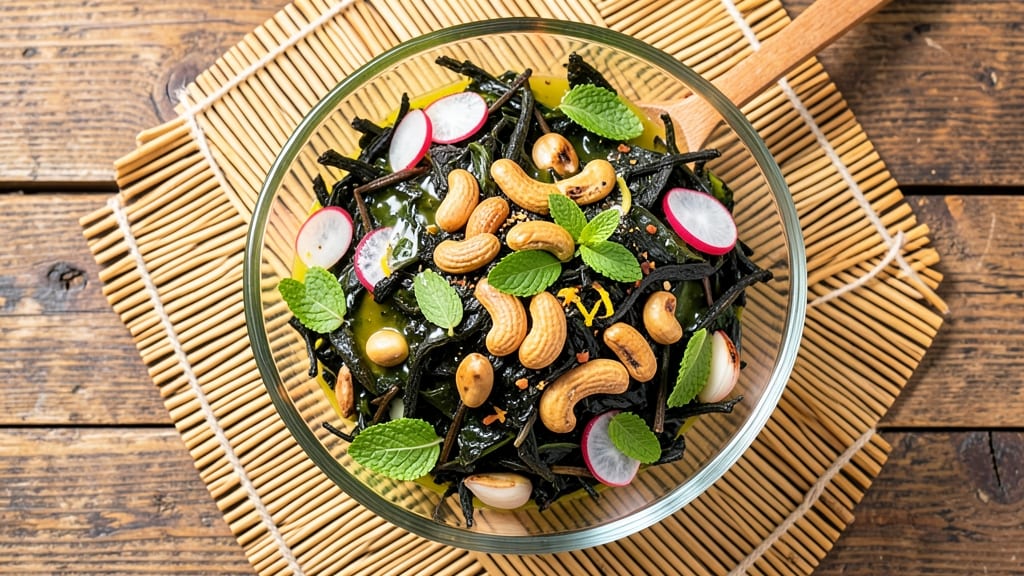
This Burmese green tea salad recipe delivers a refreshing, tangy balance that's both vibrant and deeply flavorful—perfect for pairing with rice or grilled fish.
The secret lies in fermented tea leaves, toasted peanuts, and a bright dressing of garlic, lime, and chili that creates a complex harmony of herbal, spicy, and umami notes. I first discovered this dish at a Myanmar street market, where vendors tossed together ingredients with effortless precision.
The salad's beauty comes from its simplicity: just seven key ingredients transform into a dish that's as visually striking as it is delicious. Fermented green tea leaves provide a tangy, slightly funky backbone, while toasted peanuts add crunch and richness.
The dressing—garlic, lime, chili, and fish sauce—cuts through the tea's intensity with bright acidity and heat.
What makes this recipe special is how it balances textures and flavors—crispy peanuts, tender herbs, and the tea's earthy bite all come together in every bite. The salad stays fresh for hours, making it ideal for meal prep or serving alongside heavier dishes like curries or grilled meats.
Traditionally served at room temperature, this dish highlights Myanmar's love for bold, fresh flavors. Whether you're exploring Burmese cuisine or simply craving a zesty salad, this recipe delivers a restaurant-quality experience at home.
Ingredients for burmese green tea salad
Seven vibrant ingredients create this Burmese street market classic with perfect tangy-herbal balance.
| Ingredient | Amount | Notes |
|---|---|---|
| Fermented Green Tea Leaves (Laphet Thoke) 🍃 | 4 oz | Burma-style, tangy and slightly funky |
| Raw Peanuts 🥜 | 1 cup | Unsalted, dry-roasted for crunch |
| Red Shallots 🧅 | ½ cup | Thinly sliced, vibrant color |
| Fresh Mint Leaves 🌿 | ½ cup | Finely chopped, bright aroma |
| Garlic Cloves 🧄 | 4 cloves | Minced, aromatic foundation |
| Lime Juice 🍋 | ½ cup | Freshly squeezed, high acidity |
| Fish Sauce 🍶 | 1 tbsp | Vegetarian-friendly alternative |
| Chili Flakes 🌶️ | 1 tsp | Adjust for heat preference |
| Sesame Oil 🫒 | 1 tbsp | Toasted, for nutty aroma |
| Vegetable Oil 🫒 | 1 tbsp | For roasting peanuts |
| Salt 🧂 | ½ tsp | Kosher or sea salt |
The fermented green tea leaves are the heart of this salad—look for Burma-style laphet thoke at specialty Asian markets or online retailers like Mekhala or Thai Spice. These leaves develop their signature tangy funk through fermentation, and their deep green color is a dead giveaway. If you can't find fermented tea, dried green tea leaves steeped in lime juice overnight work as a substitute. The peanuts should be raw and unsalted—roast them in a dry pan with a touch of vegetable oil until golden and fragrant. Fresh mint is non-negotiable here; avoid dried as it loses its bright aroma. For the shallots, red varieties provide the best color contrast and subtle sweetness.
No fish sauce? Vegetarian oyster sauce or coconut aminos bridge the umami gap, though the flavor will differ slightly. The chili flakes can be swapped for fresh Thai chilies (seeds removed for less heat), but adjust quantity carefully—this salad thrives on its spicy-tangy balance. For the dressing, lime juice from 2-3 limes ensures proper acidity; bottled juice lacks the same brightness. The sesame oil adds depth—toasted until fragrant but not smoking—so don't skip this step. If you're prepping ahead, store the dressing separately until ready to toss to maintain crispness in the peanuts and herbs.
This salad keeps beautifully for up to 3 days when stored in an airtight container in the fridge. The flavors actually develop more complexity over time, making it perfect for meal prep. For serving, toss everything together just before eating to preserve the peanuts' crunch and herbs' freshness. The dressing can be made 24 hours ahead, but add the sesame oil fresh for maximum aroma. Traditionally served at room temperature, this dish pairs wonderfully with steamed jasmine rice or grilled tofu—the contrast of textures and temperatures elevates every bite.
Why You'll Love This Recipe
- No-Fuss Assembly: I swear, this salad takes less effort than microwaving leftovers. Toss the fermented tea leaves, crushed peanuts, and shallots together—no cooking, no fancy techniques—just a quick chop and a shake. The garlic and mint do all the heavy lifting while you’re still debating what to eat for dinner.
- Umami-Packed Bite: That tangy, funky fermented tea? It’s like a tiny flavor explosion in every mouthful. The raw peanuts add crunch, the shallots bring sweetness, and the garlic? Oh, it’s the secret weapon—sharp enough to wake up your taste buds without overpowering. Honestly, the first time I tried it, I grabbed seconds before I even finished chewing.
- Party in a Bowl: Between us, this is my go-to for potlucks, picnics, or when friends drop by unannounced. It’s hearty enough to serve as a side or light main, pairs perfectly with rice or grilled meats, and—here’s the kicker—it actually tastes better the next day. (Yes, even on a Tuesday night.)
- Budget Magic: Fermented tea leaves last forever, peanuts are cheap, and shallots stretch farther than regular onions. I’ve made this for under $5 and fed four people—plus, the leftovers keep for days in the fridge. No sad, wilted salads here; this one just gets better with a little time. My wallet and my lunchbox thank me every time.
Step-by-step instructions for Burmese green tea salad
This vibrant salad balances earthy fermentation with bright citrus and herbal notes.
Roast the Peanuts for Crunch
Heat the 1 tablespoon vegetable oil in a dry skillet over medium heat until shimmering. Add the 1 cup raw peanuts and toast, stirring constantly, for 5-6 minutes until they turn a rich golden brown and release their nutty aroma. Remove from heat immediately and let cool for 2 minutes—this prevents overcooking and maintains their crisp texture.
Watch the color closely; peanuts burn quickly. Once cooled, transfer them to a cutting board and roughly chop half into smaller pieces. This creates visual contrast in the salad while preserving the satisfying crunch of whole peanuts. The roasting deepens their flavor and removes any raw taste, making them the perfect textural anchor for this dish.
Prepare the Fermented Tea Base
Rinse the 4 oz fermented green tea leaves (laphet thoke) under cold water to remove any debris, then drain thoroughly in a colander. Transfer them to a clean bowl and gently squeeze out excess moisture with your hands—this ensures the leaves won't make the dressing watery. Using a sharp knife, finely chop the leaves into small, even pieces, about 1/8-inch in size.
The fermentation process gives these leaves their signature tangy, slightly funky flavor. Chopping them finely distributes this flavor evenly throughout the salad. If your leaves are particularly dry, you may want to lightly crush them between your palms to release more of their aromatic oils before adding to the dressing.
Create the Dressing with Balanced Flavors
In a small bowl, whisk together the 0.5 cup lime juice, 1 tablespoon fish sauce, 1 tablespoon sesame oil, 1 teaspoon chili flakes, and 0.5 teaspoon salt until fully combined. Add the chopped fermented green tea leaves and mix well. Let the dressing sit for 5 minutes to allow the flavors to meld—you'll notice the tea leaves soften slightly and release their deep umami notes into the mixture.
This dressing is where the magic happens. The lime juice brightens the earthy tea, while the fish sauce adds depth. The sesame oil contributes a nutty aroma that complements the peanuts, and the chili flakes provide just enough heat to balance the salad's herbal notes. Taste and adjust seasoning if needed—you may want to add a splash more lime juice if the dressing tastes too salty from the fermented leaves.
Assemble the Salad with Fresh Components
In a large mixing bowl, combine the 0.5 cup thinly sliced red shallots and 0.5 cup finely chopped fresh mint leaves. Add the 4 cloves minced garlic cloves and toss gently to distribute. Pour the dressing over the vegetables and toss again, coating everything evenly. Let the salad marinate for 10 minutes at room temperature—this allows the flavors to fully integrate and the shallots to soften slightly while maintaining their vibrant color.
The red shallots should remain crisp with just a hint of bite, while the mint adds a refreshing herbal note that cuts through the richness of the peanuts and tea. The garlic provides aromatic depth without overpowering. Be gentle when tossing to avoid bruising the shallots, which would make them mushy. If you notice the shallots are wilting too quickly, add them to the salad just before serving to preserve their texture.
Finish and Serve with Proper Timing
Just before serving, fold in the roasted peanuts (both whole and chopped) and toss gently to distribute them evenly throughout the salad. The contrast between the warm peanuts and the cool dressing creates a delightful temperature play that enhances the overall experience. Divide the salad among serving plates and garnish with an additional sprinkle of chili flakes for a final pop of color and heat.
Serve immediately while the peanuts are still crisp and the dressing maintains its vibrant color. This salad pairs beautifully with grilled meats, steamed rice, or as a refreshing standalone dish. The combination of textures—crunchy peanuts, crisp shallots, tender mint—and flavors—tangy tea, bright citrus, umami fish sauce—makes this a truly satisfying dish that balances complexity with approachability.
Pro Tips For Making Burmese Green Tea Salad
- Toast Peanuts Lightly: Slap those raw peanuts in a dry pan over medium heat for just 2-3 minutes until they smell nutty but aren’t browned—burnt peanuts taste bitter, and you’ll regret it. Stir constantly, or they’ll stick like glue.
- Slice Shallots Thinly: Use a sharp knife and cut the red shallots paper-thin, almost translucent—this makes them sweeter and easier to eat. If you’re lazy, a mandoline does the job, but don’t skip this step; thick slices sit like rocks in the salad.
- Mince Garlic Fine: Pulse the garlic in a food processor for 10 seconds or mince it by hand into tiny specks—this prevents clumps that ruin the texture. I learned this the hard way when my first batch had garlic chunks that felt like chewing on gravel.
- Balance the Tea: Start with half the fermented tea leaves you think you need—it’s potent stuff. Taste as you go; you can always add more, but you can’t take it out. My first batch was overpoweringly funky, and I had to salvage it with extra mint.
Essential equipment for this recipe
Essential Tools
Start with a sharp chef's knife (I recommend Wüsthof's Ikon series) for cleanly slicing shallots and chopping mint—precision matters here. A fine-mesh strainer helps rinse fermented tea leaves thoroughly without losing their delicate texture. 🧂
Roasting Equipment
A nonstick skillet (like All-Clad Stainless) is perfect for toasting peanuts—it prevents sticking and ensures even browning. Keep a small bowl nearby to cool roasted peanuts immediately after removing from heat. For extra aroma, I sometimes use a lightweight spatula to press peanuts against the pan for even toasting.
Mixing Essentials
Use a large mixing bowl (I prefer Le Creuset stoneware) for assembling the salad—its depth helps distribute ingredients evenly. A small whisk (like OXO Good Grips) blends the dressing smoothly, while a wooden spoon prevents scratching bowls when tossing.
For measuring, a liquid measuring cup ensures accurate lime juice and fish sauce quantities.
Serving Presentation
Serve on wide, shallow plates (like Corelle stoneware) to showcase the salad's vibrant colors. A small serving spoon helps portion the dressing separately if you prefer to toss at the table.
For garnishing, keep chili flakes in a mini shaker (like Spicewalla's) for easy sprinkling. The right presentation makes this dish feel like a restaurant experience at home. ✨
Budget-Friendly Swaps
No specialty tools? Use a sharp paring knife for shallots and a fork for whisking. A microwave-safe bowl works for cooling peanuts (though pan-roasting gives better flavor).
For fermented tea leaves, steep regular green tea in lime juice overnight as a substitute—it won't be identical, but it captures the tangy essence. The key is focus on technique over equipment.
Nutrition facts
Frequently asked questions
What makes fermented green tea leaves essential in this recipe?
The fermented tea leaves (laphet thoke) provide the dish's signature tangy, umami-rich flavor that can't be replicated with regular tea. Their fermentation process creates a complex funkiness that balances the salad's bright citrus and herbal notes. Without them, you'd miss the authentic Burmese profile that makes this salad special.
Can I make this salad ahead of time?
Yes! Store the dressing and chopped vegetables separately in an airtight container for up to 3 days. The flavors actually improve as they meld. Just toss everything together with the peanuts right before serving to keep them crisp. For best results, add the sesame oil fresh when assembling—it's most aromatic when fresh.
How do I adjust the heat level?
Start with the 1 teaspoon chili flakes as written, then adjust to taste. For milder heat, reduce to ½ teaspoon and add more lime juice to compensate. For extra spice, add 1-2 fresh Thai chilies (seeds removed) to the dressing. Remember, the fermented tea leaves already add a subtle funk that enhances perceived heat.
What's the best way to substitute fish sauce?
Use 1 tablespoon vegetarian oyster sauce or 1½ teaspoons coconut aminos for umami depth. For a more traditional approach, try soy sauce (lightly salted) or miso paste (½ teaspoon dissolved in the lime juice). Note that these alternatives will slightly alter the flavor profile but still work well in a pinch.
Why does my salad taste too bitter?
Over-chopped shallots or under-ripe limes are common culprits. Try adding ½ teaspoon sugar to the dressing or more lime juice to brighten the flavors. Also ensure your fermented tea leaves are fresh—old leaves can develop more bitterness. If using regular green tea as a substitute, steep it for no more than 3 minutes to avoid bitterness.