
Salads
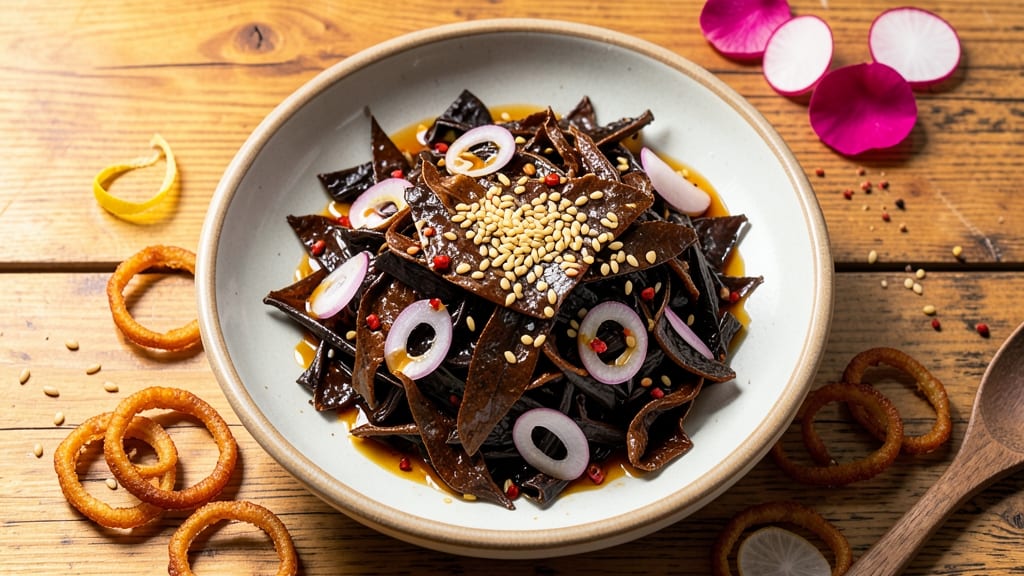
Burmese fermented tea leaf salad delivers a symphony of tangy, umami-rich flavors that balance crisp textures and probiotic zing. This traditional dish, known as laphet thoke, transforms simple ingredients into a complex, health-boosting salad that’s as nutritious as it is delicious. The fermentation process unlocks deep, earthy notes in the tea leaves, while garlic, chili, and toasted sesame add layers of heat and crunch.
The beauty of this recipe lies in its simplicity—just a handful of ingredients, but each plays a crucial role. Fermented tea leaves (or laphet) provide that signature tangy crunch, while lime juice brightens the dish, fish sauce adds depth, and garlic chili oil brings the heat.
The salad is naturally vegetarian but easily elevated with protein like shrimp, tofu, or fish for a more substantial meal.
What you’ll end up with is a vibrant, crunchy salad that’s packed with flavor and beneficial probiotics. The tea leaves stay crisp, the dressing clings perfectly, and every bite delivers a balance of tang, heat, and umami that’s impossible to resist.
It’s the kind of dish that feels both rustic and refined, perfect for a light lunch or a bold side.
Best served immediately after tossing, this salad shines when paired with steamed rice or grilled proteins. The fermentation process can be done ahead of time, so you can focus on assembling the salad just before eating. Let’s bring the bold flavors of Burma to your table!
Ingredients for burmese fermented tea leaf salad
Just a handful of ingredients transform into this vibrant, tangy salad packed with umami crunch.
| Ingredient | Amount | Notes |
|---|---|---|
| Fermented Tea Leaves (Laphet) 🍃 | 2 cups | Packed, rinsed before using |
| Fresh Lime Juice 🍋 | ¼ cup | Freshly squeezed, seeds removed |
| Fish Sauce 🐟 | 2 tbsp | Red Boat preferred for quality |
| Toasted Sesame Seeds 🌰 | 2 tbsp | Lightly toasted for nuttiness |
| Garlic Chili Oil 🌶️ | 2 tbsp | Homemade or store-bought |
| Shallots 🧅 | 3 whole | Thinly sliced, for freshness |
| Fresh Cilantro 🌿 | ¼ cup | Stems removed, chopped |
| Crushed Peanuts 🥜 | ¼ cup | Lightly toasted for crunch |
| Vegetable Oil 🫒 | 1 tbsp | For tossing, neutral flavor |
| Salt 🧂 | ½ tsp | Adjust to taste |
| Sugar 🍬 | 1 tsp | Balances tanginess |
| Tofu (optional) 🍱 | ½ lb | Firm, cubed for protein |
The fermented tea leaves are the heart of this dish—look for them at Asian markets or online if your local store doesn’t carry them. They should smell tangy and earthy, not musty. If you can’t find fermented laphet, dried black tea leaves fermented for 3-5 days in a jar with a little water will work in a pinch. The fish sauce here is non-negotiable—Red Boat is the gold standard, but any good-quality brand will do. Toast your sesame seeds in a dry pan for 2-3 minutes until fragrant—that nuttiness is everything.
No garlic chili oil? Mix 1 tbsp chili oil with 1 minced garlic clove and let it sit for 10 minutes. Shallots are key for freshness, but green onions work if you're in a hurry. The peanuts? Toast them lightly in a dry pan—don’t burn them, just until they smell amazing. For the tofu, if you’re using it, press it for 20 minutes to remove excess water before cubing. And yes, the lime juice needs to be fresh—bottled just won’t cut it.
This salad keeps best when stored in an airtight container in the fridge for up to 3 days, but the tea leaves get softer over time. For the best texture, toss it right before serving. The dressing clings perfectly, so you can even prep it a day ahead if you’re making the fermented tea leaves fresh. Pair it with steamed jasmine rice—the contrast is pure magic.
Why You'll Love This Recipe
- No-Chop Necessary: I swear by this one—just tear the tea leaves by hand (or buy them pre-shredded) and toss. No knife skills required, no fancy prep. The real work happens in the mixing, and honestly? That’s the fun part.
- Umami Bomb: That first bite of fermented tea leaves with the garlic chili oil? It’s like a wake-up call for your taste buds. The fish sauce and lime cut through the funk, but the toasted sesame seeds add this nutty crunch that makes it ridiculously addictive.
- Lunchbox Hero: Between us, this salad keeps for days in the fridge and tastes even better the next day. Pack it for work or school—it’s hearty enough to stand alone, but also works as a side for grilled meats or rice. My kids fight over it (yes, even on a Tuesday night).
- Pocketbook Friendly: Fermented tea leaves last months in the pantry, and fish sauce stretches far. You’re not just making a salad; you’re stocking up on ingredients that turn into multiple meals. Not the prettiest, but the taste makes up for it every time.
Step-by-step instructions for Burmese fermented tea leaf salad
Here's how to make this bright, tangy salad with perfect texture and balance.
Prepare the Fermented Tea Leaves
Rinse the 2 cups fermented tea leaves (laphet) thoroughly under cold water to remove any excess fermentation residue. I like to swirl them gently in a colander for about 30 seconds, then drain well. The leaves should be hydrated but not soggy—you want them to hold their shape while still releasing that deep umami flavor.
Transfer the rinsed leaves to a clean bowl. This is your base ingredient, so take your time here. The texture should be slightly crisp but pliable, almost like fresh spinach that's been gently massaged. If they feel too dry, give them a quick spritz with a little water and toss again. This prep step makes all the difference in the final salad's texture.
Make the Dressing
In a small bowl, whisk together the 0.25 cup fresh lime juice, 2 tbsp fish sauce, 1 tsp sugar, and 0.5 tsp salt until the sugar and salt dissolve completely. This dressing is the flavor bridge that ties everything together. The lime juice should be freshly squeezed—bottled juice lacks the bright acidity that cuts through the tea leaves' richness.
Next, add the 2 tbsp garlic chili oil and mix well. The oil should emulsify slightly with the other ingredients, creating a glossy dressing. Taste a small amount—it should be tangy, salty, and just slightly spicy. If it needs more balance, adjust with a pinch more salt or sugar. This is your chance to customize the flavor to your preference before combining with the other ingredients.
Add the Aromatics and Crunch
To the bowl with the tea leaves, add the 3 whole shallots (thinly sliced), 0.25 cup chopped fresh cilantro, and 0.25 cup crushed peanuts. Toss everything together gently but thoroughly. The shallots should be distributed evenly throughout the leaves, and the peanuts should be sprinkled throughout—not just clustered in one spot. This is where the salad gets its textural contrast and freshness.
Drizzle the dressing over the tea leaves and toss again, working the dressing into every nook. You want each leaf to be lightly coated but still maintain its individual texture. If the salad seems dry, add a splash of water or more lime juice—just enough to help the dressing cling without making it soggy. The ideal consistency should be like a fresh, vibrant slaw where each bite has both crunch and tenderness.
Incorporate the Tofu (Optional)
If using the 0.5 lb tofu, press it between paper towels for about 10 minutes to remove excess moisture. Cut into small cubes and heat in 1 tbsp vegetable oil over medium heat for 5-7 minutes until golden brown on all sides. This step adds protein and a nice contrast to the salad's textures.
Let the tofu cool slightly before adding it to the salad. Toss it in gently so it doesn't break apart. The tofu should be warm but not hot—you want it to meld with the other ingredients without wilting them. If you're skipping the tofu, this is also a good time to check the overall balance of flavors and textures. The salad should have a nice mix of crisp, tender, and crunchy elements.
Final Toss and Garnish
Give the salad one final toss to distribute all the ingredients evenly. Sprinkle with the 2 tbsp toasted sesame seeds right before serving. These seeds add a nutty depth and visual contrast that makes the salad look even more appealing. The seeds should be scattered throughout—not just on top—so each bite has that little crunchy surprise.
Let the salad sit for 5-10 minutes before serving to allow the flavors to meld together. This resting time lets the tea leaves soften slightly and absorb the dressing more evenly. Serve immediately while the tofu (if using) is still warm and the dressing is vibrant. The salad should be bright, tangy, and packed with layers of flavor—savory from the tea leaves, fresh from the lime and cilantro, and crunchy from the peanuts and shallots.
Pro Tips For Making Burmese Fermented Tea Leaf Salad
- Soak the Laphet: Drop those tea leaves in warm water for 10 minutes first—they’ll soften just enough to release their funky, umami punch without turning your salad into a soggy mess. I learned this the hard way after eating a batch where the leaves were still rock-hard and bitter.
- Toast Sesame Seeds Low: Toast your sesame seeds over low heat in a dry pan, stirring constantly—just until they’re golden and smell nutty. High heat burns them fast, and you’ll end up with bitter, acrid bits that ruin the whole dish. (Yes, even if you’re impatient like me.)
- Balance Fish Sauce Gradually: Start with half the fish sauce called for, taste, then add more—this salad’s flavor builds like a wave. Too much upfront, and you’ll need lime juice to fix it, which throws off the balance. (Your future self will curse you if you skip this step.)
- Use Aged Lime Juice: Let your lime juice sit for 10 minutes after juicing—it mellows the sharpness and deepens the tang. Fresh lime juice can overpower the laphet’s earthy notes, and you’ll end up with a salad that tastes like a punch to the face. (Trust me, it’s worth the wait.)
Dietary considerations for these flavors
Vegetarian Adaptations
Traditional Burmese tea leaf salad often includes fish or shrimp, but this dish is naturally vegetarian-friendly. Simply omit the fish sauce or replace it with 1 tbsp soy sauce and 1 tbsp coconut aminos for umami depth.
The fermented tea leaves and garlic chili oil provide enough savory punch without animal products. For extra protein, add ½ lb cubed tofu (pressed and pan-fried) or ½ cup edamame for a fresh, crunchy alternative. 🌱
Gluten-Free Considerations
This salad is already gluten-free, but double-check your ingredients: use tamari instead of regular soy sauce if substituting, and ensure your fish sauce is certified gluten-free (like Red Boat).
The fermented tea leaves, lime, and peanuts are naturally safe, but always verify labels for cross-contamination warnings. The dish’s bold flavors shine even without gluten-containing ingredients. ✨
Allergen Awareness
Peanuts are a common allergen in this recipe, so offer alternatives like ½ cup toasted pumpkin seeds or sunflower seeds for guests with nut allergies. Fish sauce is another potential concern—opt for a vegan fish sauce substitute (like Veganamics) if needed.
Always communicate ingredient details when serving to accommodate dietary restrictions. 💡
Probiotic Benefits
The fermented tea leaves are the star of this salad’s health benefits, packed with probiotics that support gut health. These microscopic organisms aid digestion and may boost immunity. For extra probiotic power, add ½ cup kimchi or pickled vegetables as a topping.
The lime and garlic also enhance nutrient absorption, making this salad a gut-friendly powerhouse. 💪
Low-Carb Options
This salad is naturally low in carbohydrates, but you can further reduce carbs by omitting the peanuts and using 2 tbsp toasted coconut flakes instead. The fermented tea leaves, lime, and sesame seeds provide fiber without spiking blood sugar.
For a protein boost, add ¼ cup crumbled feta cheese or ¼ cup shredded coconut to keep it satisfying and low-carb. 🥑
Spice Level Control
Adjust the heat to your preference by modifying the garlic chili oil. For milder heat, reduce the chili flakes to 1 tsp and add ½ tsp honey to balance. If you love spice, increase the chili oil to 3 tbsp and add ½ tsp cayenne pepper.
The lime juice naturally cools the palate, so don’t be afraid to go bold with the heat—just balance it with extra lime if needed. 🌶️
Nutrition facts
Frequently asked questions about Burmese fermented tea leaf salad
Where can I find fermented tea leaves (laphet) for this recipe?
Look for fermented tea leaves at well-stocked Asian grocery stores or online retailers specializing in Burmese ingredients. They're often sold in jars or bags labeled "laphet" or "fermented tea leaves." If unavailable, you can ferment black tea leaves yourself by soaking dried tea leaves in water with a pinch of salt for 3-5 days before using.
Can I make this salad ahead of time?
Yes, but prepare it in stages. Ferment the tea leaves 1-2 days ahead and store them in the fridge. Assemble the salad 1 hour before serving to maintain crispness. The dressing can be made 24 hours ahead and stored separately. Toss everything together right before eating for the best texture.
What if I can't find fish sauce? Can I substitute?
For authentic flavor, use soy sauce + coconut aminos (1:1 ratio) as a vegetarian substitute. For a meaty taste without fish, try mushroom sauce or anchovy-free fish sauce alternatives. Just remember these won't replicate fish sauce's exact umami depth. The salad will still taste great, just with slightly different complexity.
How do I adjust the spice level?
Control heat by modifying the garlic chili oil. For milder flavor, reduce chili flakes to 1 tsp and add ½ tsp honey. For extra spice, increase to 3 tbsp chili oil and add ½ tsp cayenne. The lime juice naturally balances heat, so adjust gradually. Taste as you go!
What's the best way to serve this salad?
This vibrant salad pairs perfectly with steamed jasmine rice or warm grilled proteins like chicken or shrimp. For a complete meal, serve with Burmese-style fried noodles or crispy spring rolls. The contrast of warm and cold components makes each bite more satisfying.