
Side Dishes
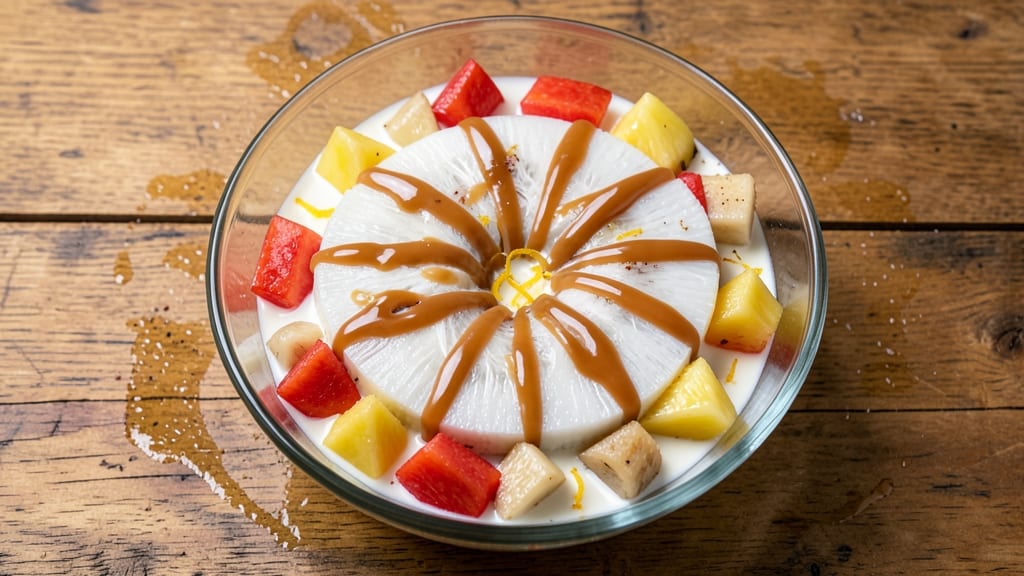
This buko salad recipe from Panlasang Pinoy delivers the perfect balance of creamy coconut gelata, chewy young coconut, and refreshing fruit—a dessert that feels like a tropical hug in every bite. The secret lies in layering textures: tender coconut shreds, velvety gelatin, and crisp fruit that cut through the richness.
I’ve perfected this version to ensure the coconut cream stays lusciously smooth without turning grainy, a common pitfall in homemade buko salad.
The magic begins with the coconut gelata—a silky mixture of sweetened condensed milk, coconut milk, and gelatin that sets into a cloud-like layer.
Unlike traditional recipes, this version incorporates a touch of vanilla and pandan extract for depth, while the fruit—typically pineapple, jackfruit, or mango—adds vibrant pops of color and acidity. The key to success is patience: letting each layer set properly ensures clean slices and that signature creamy texture.
What makes this buko salad truly special is how it captures the essence of Filipino desserts—comforting yet light, sweet yet balanced. The combination of chewy buko (young coconut), creamy gelata, and fresh fruit creates a harmony that’s impossible to resist.
It’s the kind of dessert that disappears quickly, leaving guests asking for seconds.
Perfect for gatherings, potlucks, or as a refreshing end to a Filipino feast, this recipe scales easily to feed a crowd. The layers stay distinct when chilled, making it ideal for make-ahead prep. Here’s how to create this creamy coconut masterpiece step by step.
Ingredients for buko salad recipe panlasang pinoy
Creamy coconut gelata meets tropical fruit in this perfect Filipino dessert.
| Ingredient | Amount | Notes |
|---|---|---|
| Young Coconut (Buko) 🥥 | 2 cups | Fresh, chewy, sliced into bite-sized pieces |
| Sweetened Condensed Milk 🥛 | 1 can | 14 oz can, full-fat preferred |
| Coconut Milk 🥥 | 1 can | 13.5 oz can, full-fat for creaminess |
| Unflavored Gelatin 🍫 | 2 tbsp | Powdered, bloom in cold water first |
| Pineapple Chunks 🍍 | 1 ½ cups | Fresh, small dice for texture contrast |
| Jackfruit 🌴 | 1 cup | Fresh or canned in syrup, diced |
| Vanilla Extract 🌸 | ½ tsp | Pure, for depth of flavor |
| Pandan Extract 🌿 | ¼ tsp | Optional, for authentic Filipino aroma |
| Granulated Sugar 🍚 | ½ cup | Adjust to taste, balances sweetness |
| Lime Juice 🍋 | 2 tbsp | Freshly squeezed, brightens flavors |
| Graham Crackers 🍪 | 1 cup | Crushed, for topping |
| Toasted Coconut Flakes 🥥 | ¼ cup | Lightly toasted for aroma |
The buko (young coconut) is the heart of this dessert—look for vibrant, firm pieces at Asian markets or the produce section. Filipino stores like 99 Ranch Market carry pre-sliced buko, but fresh is always better. For the coconut milk and condensed milk, full-fat versions create that signature luscious texture. If you can't find pandan extract, vanilla bean paste works as a substitute, though it won't be identical. The gelatin needs to bloom properly—sprinkle it over cold water and let it sit for 5 minutes before heating.
No pandan extract? Skip it—vanilla alone still delivers. Using canned jackfruit? Drain and rinse it well to remove excess syrup. For a quicker version, substitute 1 cup of diced mango for the jackfruit. The lime juice can be adjusted—add more if your fruit is very sweet. If you're making this ahead, prepare the gelata layer first and assemble the rest just before serving to keep the fruit crisp. The graham crackers should be crushed finely—a food processor works best—to avoid gritty texture.
This dessert stays fresh for 4-5 days in the fridge, though the texture is best within 2 days. For make-ahead prep, layer the gelata and fruit separately in airtight containers and assemble when ready to serve. The buko absorbs liquid, so add the lime juice just before serving to keep it chewy. Portion into individual cups for easy serving—glass containers show off the vibrant layers beautifully, perfect for gatherings or potlucks.
Why You'll Love This Recipe
- No Chopping Needed: I swear by this—just scoop the buko, drain it, and toss. No knives, no fuss, just that perfect creamy texture waiting for you.
- Sweet Creamy Magic: That first bite? Pure bliss—coconut milk and condensed milk swirled together with gelatin, making every spoonful feel like a hug in dessert form.
- Party-Ready Any Day: Honestly, it’s my go-to for birthdays, potlucks, or just because. The buko and pineapple chunks stay fresh, and the gelatin sets it up for easy serving.
- Leftovers? Better Than New: Between us, this salad actually tastes better the next day. The flavors meld, the gelatin firms up just right, and it’s still refreshing—no sad, soggy moments here.
Step-by-step instructions for creamy buko salad
A perfect balance of textures and flavors awaits—here's how to create that signature creamy coconut gelata.
Bloom the Gelatin for Perfect Texture
In a small bowl, sprinkle the 2 tablespoons unflavored gelatin evenly over ¼ cup cold water. Let it sit for 5 minutes until it forms a gel-like consistency. This blooming process activates the gelatin, ensuring your salad achieves that signature creamy, jiggly texture without being too stiff.
I always use cold water for blooming—hot water would dissolve the gelatin instantly, preventing proper activation. Once bloomed, you'll see the mixture thicken noticeably. Set this aside while you prepare the other components.
Prepare the Coconut Milk Mixture
In a medium saucepan, combine the 1 can coconut milk, 1 can sweetened condensed milk, ½ cup granulated sugar, ½ teaspoon vanilla extract, and ¼ teaspoon pandan extract (if using). Heat the mixture over medium-low heat for 5-7 minutes, stirring constantly until it reaches 160°F and begins to thicken slightly.
This gentle heating ensures the flavors meld together while preventing the condensed milk from curdling. You'll notice the mixture transform from a liquid state to a thicker, pudding-like consistency. Remove from heat immediately once it reaches temperature—overheating can cause separation.
Combine All Ingredients for Creamy Perfection
In a large mixing bowl, combine the 2 cups young coconut (buko), 1.5 cups pineapple chunks, and 1 cup jackfruit. Pour the warm coconut mixture over the fruit while stirring gently to coat everything evenly. Add the bloomed gelatin mixture and stir until fully incorporated, creating a smooth, creamy base.
The gelatin will begin to set as it cools, creating that signature wobbly texture. Fold in the 2 tablespoons lime juice last—this brightens the flavors and prevents the gelatin from setting too quickly. Let the mixture cool to room temperature while you prepare the topping.
Assemble and Chill for Ideal Consistency
Transfer the buko mixture to a serving dish or individual glasses. Sprinkle the 1 cup crushed graham crackers and ¼ cup toasted coconut flakes evenly over the top. Press down gently to help them adhere to the surface.
Cover the dish and refrigerate for at least 4 hours or until fully set. The longer it chills, the firmer the texture becomes—this is when the magic happens. For best results, let it set overnight. The gelatin will create that perfect balance between creamy and firm, making each bite irresistible.
Pro Tips For Making Buko Salad Recipe Panlasang Pinoy
- CHILL THE BUKO FIRST: Skip the ice bath if you’re in a hurry, but trust me—rinsing the buko under cold water for 10 minutes before slicing keeps it from turning to mush in your hands. The fibers stay firm, and the texture stays chewy, not slimy. (Yes, even if you’re impatient like me.)
- USE FULL-LENGTH GELATIN: That powdered gelatin? Skip it. Full-length sheets or unflavored block gelatin sets cleaner and holds its shape better in the heat. Cut it into tiny cubes first—this makes dissolving it in warm coconut milk way faster, and you won’t end up with clumps ruining your smooth sauce.
- DON’T OVERMIX THE LAYERS: The magic happens when the buko, pineapple, and gelatin mixture stay separate until the very last second. Stirring everything together too early turns your salad into a gloopy mess. Instead, pour the gelatin sauce over the buko-pineapple mix just before serving—let the layers marry in the bowl.
- SWAP PINEAPPLE FOR JUICE: Canned pineapple chunks? Drain them, then blend with a splash of their juice into the gelatin mix for a silkier texture. Or, if you’re lazy (or short on time), just stir in 2 tablespoons of extra pineapple juice—it cuts the thickness and keeps the salad from feeling like a single dense block. (Your future self will thank you.)
Troubleshooting great buko salad recipe panlasang pinoy
Gelatin Graininess Fix
If your buko salad turns out grainy, the issue is likely over-heating the gelatin mixture. I’ve found that heating the coconut milk mixture beyond 160°F can cause the gelatin to lose its smooth texture. To fix this, always remove the pan from heat immediately after reaching temperature.
For an extra-smooth result, strain the warm mixture through a fine-mesh sieve before combining with the fruit. This catches any gelatin particles that might cause texture issues. 💫
Fruit Too Watery
Fresh pineapple or jackfruit can release excess liquid, making your buko salad watery. To prevent this, pat the fruit dry with paper towels before adding it to the mixture. I also recommend using slightly underripe fruit—it holds its shape better and releases less juice.
If your salad still looks too wet after chilling, drain excess liquid by placing the mixture in a colander for 10-15 minutes before assembling.
Gelatin Not Setting
If your gelatin isn’t setting properly, it’s usually due to insufficient chilling time or improper blooming. First, ensure you bloomed the gelatin in cold water for at least 5 minutes before heating. Second, refrigerate the mixture for a full 4-6 hours—overnight is ideal.
For a quick fix, place the dish in the freezer for 30 minutes to speed up the setting process. Avoid opening the container while it’s chilling, as temperature fluctuations can prevent proper gel formation.
Buko Too Soft
Overly soft buko ruins the texture contrast in your salad. This happens when the coconut pieces absorb too much liquid. To keep them chewy, add the 2 tablespoons lime juice only after the gelatin has mostly set.
For extra firmness, soak the buko in cold water for 10 minutes before using, then drain well. I also recommend using younger coconut pieces—they’re naturally firmer and hold their shape better in the creamy mixture.
Separation in Cream Layer
The coconut milk mixture may separate if heated too vigorously or if the condensed milk curdles. To prevent this, always heat on medium-low heat and stir constantly. If separation occurs, whisk the mixture vigorously while warm to re-emulsify.
For a preventive measure, add 1 tablespoon cornstarch to the coconut milk before heating—this helps stabilize the mixture. Once cooled, the texture should be smooth and homogeneous.
Nutrition facts
Frequently asked questions
Can I use regular gelatin instead of unflavored gelatin?
Yes, but only if it's plain powdered gelatin without added flavors or colors. The recipe calls for unflavored to avoid any unintended tastes. If you use flavored gelatin, the pandan or vanilla notes might be overpowered. Always check the label to ensure it's pure gelatin powder.
How do I find young coconut (buko) if my store doesn't carry it?
Look for it in the produce section of Asian markets or specialty grocery stores. If unavailable, you can substitute with 1 cup diced fresh coconut (not sweetened) for texture, though it won't be as tender. Some Latin American markets also carry buko—ask for "coco joven" or "coconut water coconut." For convenience, canned young coconut (in water or syrup) works too, but drain and rinse it well.
Can I make this buko salad without gelatin?
You can try using agar-agar (a plant-based gelatin) as a substitute, but the texture will be firmer and less jiggly. For a gelatin-free version, blend the coconut milk with condensed milk and let it cool in the fridge for 4-6 hours—it will thicken naturally but won't have the same creamy, wobbly consistency. The salad will be more like a pudding than a traditional buko salad.
What's the best way to serve this buko salad?
This dessert is perfect for special occasions! Serve it chilled in individual glasses for elegant presentation, or in a large bowl for family-style sharing. Garnish with extra toasted coconut flakes or a sprinkle of crushed graham crackers. For a festive touch, add kaong (sugar palm fruit) or leche flan pieces—both are traditional Filipino dessert pairings. It pairs beautifully with hot coffee or strong Filipino brews like tsokolate or salabat.
How long can I keep leftover buko salad?
Store it in an airtight container in the fridge for up to 5 days, though the texture is best within 2-3 days. The gelatin layer may become slightly softer over time, but the flavors remain delicious. For longer storage, freeze individual portions for up to 1 month. To serve frozen portions, thaw in the fridge overnight. Avoid refreezing once thawed.