
Desserts
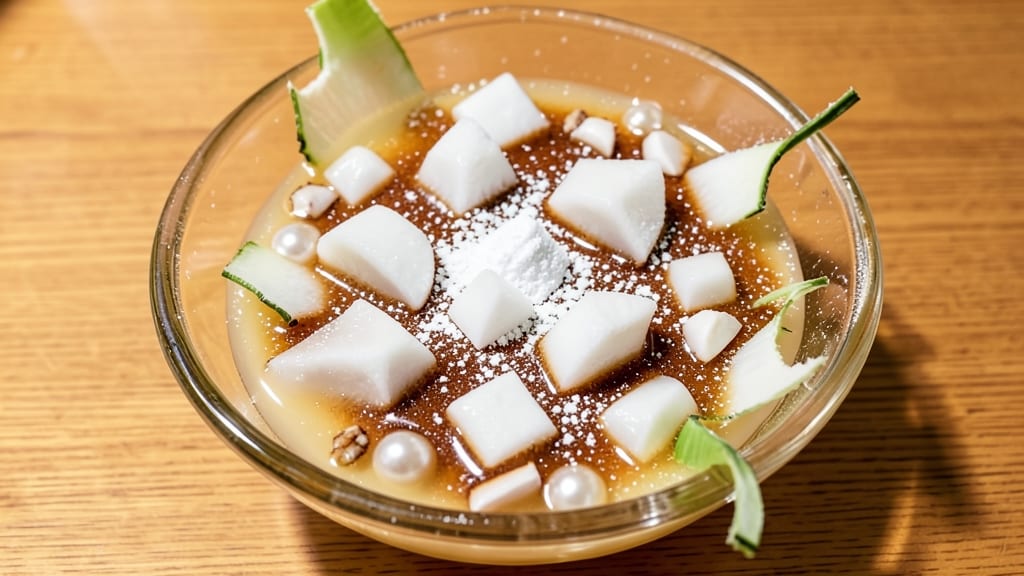
This buko salad ice candy recipe transforms a beloved Filipino dessert into an elegant, layered treat that melts in your mouth. The secret lies in balancing creamy coconut layers with the chewy texture of young coconut—each bite delivers a tropical escape.
I’ve refined this recipe over years to ensure perfect consistency, whether you’re using traditional gelatin or plant-based alternatives.
The process starts with preparing the buko salad base—young coconut, sweet syrup, and gelatin—then carefully layering it with evaporated milk and condensed milk for that signature creamy texture. Chilling overnight develops the ideal chewy yet smooth consistency, while the clear cup presentation makes it visually stunning.
This isn’t just dessert; it’s a showstopper for gatherings or a nostalgic treat for Filipino food lovers.
What sets this apart is the foolproof technique for texture control, whether you’re using agar-agar or gelatin. The result? A dessert that’s rich, refreshing, and effortlessly impressive—no baking required. Perfect for special occasions or a sweet indulgence any day, this recipe delivers restaurant-quality results at home.
For extra flair, garnish with toasted coconut flakes or a drizzle of caramelized syrup. The variations are endless: swap condensed milk for coconut cream, or add fruit like mango or lychee for a modern twist. Let’s create this tropical masterpiece together.
Ingredients for buko salad ice candy
Transforming Filipino nostalgia into restaurant-quality dessert requires just these 13 essential ingredients.
| Ingredient | Amount | Notes |
|---|---|---|
| Young Coconut (Buko) 🥥 | 2 cups | Freshly sliced, chewy texture |
| Unflavored Gelatin 🍬 | 2 tbsp | Or 1 tbsp agar-agar for vegan |
| Evaporated Milk 🥛 | 12 oz | Full-fat preferred for creaminess |
| Sweetened Condensed Milk 🥛 | 14 oz | Or coconut cream for dairy-free |
| White Granulated Sugar 🍚 | 1 cup | Fine grain preferred |
| Water 💧 | 1 cup | Room temperature |
| Toasted Coconut Flakes 🥥 | ¼ cup | For garnish, optional |
| Lemon Juice 🍋 | 1 tbsp | Freshly squeezed |
| Vanilla Extract 🌿 | 1 tsp | Pure vanilla preferred |
| Light Corn Syrup 🍯 | ½ cup | For smooth texture |
| Salt 🧂 | ¼ tsp | Fine sea salt |
| Mango Puree 🍈 | ½ cup | Optional for fruity variation |
| Lychee Puree 🍈 | ½ cup | Optional for fruity variation |
The young coconut is non-negotiable—look for vibrant, plump slices at Asian markets or specialty stores. Filipino grocery chains like 99 Ranch or H Mart carry the best quality. If you can't find fresh buko, canned young coconut in water works in a pinch, but drain and rinse thoroughly. For the gelatin, Knox brand is my go-to for reliable texture, though agar-agar from Bob's Red Mill delivers identical results when using the same ratios. The coconut flakes should be toasted to a golden brown—Trader Joe's sells pre-toasted for convenience, but toasting fresh at home intensifies the flavor.
No evaporated milk? Full-fat coconut milk creates a dairy-free version with similar richness, though the texture will be slightly lighter. Substituting condensed milk? Coconut cream or dulce de leche adds depth, but reduce the sugar slightly to avoid over-sweetness. Running short on corn syrup? Agave nectar or honey (for non-vegetarian versions) work, though they may alter the set slightly. The mango and lychee purees are optional but elevate this into a modern twist—Mangoes Inc. or lychee canned in syrup from Asian markets are ideal. Always strain the purees thoroughly to avoid graininess in the final layers.
This dessert requires precise layering and 12-16 hours of chilling for optimal texture. Store assembled cups in an airtight container with parchment between layers to prevent sticking. Keeps 5-7 days refrigerated, though the texture softens slightly after day 3. For longer storage, freeze individual portions for up to 3 months—thaw overnight in the fridge before serving. Garnish with toasted coconut flakes just before serving to maintain crispness. The syrup layer can be caramelized for a restaurant-quality finish, though this requires careful temperature control.
Why You'll Love This Recipe
- No Chopping Needed: I swear by this one—just slice the buko into bite-sized chunks, no dicing, no fuss. The gelatin and condensed milk do all the work while you sit back and let the flavors meld.
- Creamy Chew Magic: That perfect balance of jelly-like buko and silky milk? It’s like dessert and snack had a baby. The sugar caramelizes just enough to make every bite taste like a tropical hug.
- Party-Ready in Minutes: Serve it in cups for a crowd or scoop it into bowls for a casual gathering. Honestly, I’ve used it as a centerpiece at potlucks—no one leaves with leftovers, but I always do.
- Budget-Friendly Luxury: Sweetened condensed milk and evaporated milk stretch this recipe far. I make huge batches for under $5, and it keeps for days in the fridge—no waste, all satisfaction.
Step-by-step instructions for buko salad ice candy
Transforming buko salad into melt-in-your-mouth ice candy requires precision timing and texture control.
Bloom the Gelatin for Perfect Texture
In a medium mixing bowl, sprinkle the 2 tablespoons unflavored gelatin evenly over the 1 cup water. This prevents clumping and ensures even distribution throughout the mixture. Let it sit for 5 minutes while you prepare the other ingredients—you'll see the gelatin absorb the water and form a translucent gel.
I always use room-temperature water for this step because cold water won't fully activate the gelatin. The mixture should become thick and jelly-like, resembling clear pudding. If you're using agar-agar instead, skip this step and add it directly to the hot mixture later—it doesn't require blooming.
Create the Creamy Base Mixture
In a separate large bowl, combine the 12 ounces evaporated milk, 14 ounces sweetened condensed milk, 1 cup white granulated sugar, 0.5 cup light corn syrup, 0.25 teaspoon salt, 1 tablespoon lemon juice, 1 teaspoon vanilla extract, 0.5 cup mango puree, and 0.5 cup lychee puree. Whisk vigorously for 2 minutes until completely smooth and homogeneous.
The reason for whisking so thoroughly is to eliminate any lumps that could create texture inconsistencies in the final product. This mixture forms the creamy foundation that will encase the buko pieces. The combination of condensed milk and evaporated milk creates that signature buko salad creaminess, while the purees add subtle tropical fruit notes that complement the coconut.
Incorporate the Bloomed Gelatin
Gently fold the bloomed gelatin mixture into the creamy base using a rubber spatula. Work slowly and carefully to maintain air bubbles to a minimum—this will prevent ice crystals from forming during the freezing process. The mixture should thicken slightly as you incorporate the gelatin, becoming more cohesive and smooth.
Add the 2 cups young coconut (buko) pieces to the mixture and stir gently to coat them evenly. You want each buko piece to be fully enrobed in the creamy mixture without breaking them apart. The buko should float rather than sink, indicating proper distribution. If you notice any buko pieces sticking together, gently separate them with your fingers.
Assemble and Freeze the Ice Candy Molds
Pour the buko mixture into your prepared ice candy molds, filling them to about ¾ capacity. Tap the molds gently on the counter to remove any air bubbles that may have formed during pouring. Place the molds in the freezer and freeze for 4 hours or until completely solid.
For best results, use silicone molds designed for ice candy—they release cleanly without damaging the delicate texture. The freezing time may vary slightly depending on your freezer's temperature, but the candy should be firm enough to hold its shape when you gently press the top. If you're short on time, you can speed up the process by freezing for 2 hours then transferring to the refrigerator for an additional 2 hours.
Release and Serve the Ice Candy
Once fully frozen, run warm water over the outside of the molds for 10-15 seconds to loosen the ice candy. Immediately invert each mold onto a serving plate and gently tap to release. The ice candy should pop out cleanly, revealing a perfectly shaped dessert with buko pieces visible throughout.
Serve immediately while still slightly chilled. The texture should be firm yet melt quickly in your mouth, releasing the creamy coconut milk mixture and chewy buko pieces. For presentation, sprinkle with 0.25 cup toasted coconut flakes just before serving. These ice candies are best enjoyed within 24 hours of making for optimal texture and flavor.
Pro Tips For Making Buko Salad Ice Candy
- CHILL THE GELATIN MIX: Mix the gelatin with sugar and evaporated milk first, then refrigerate it for 15 minutes before adding the buko. This prevents clumping and ensures the buko stays evenly coated—no more lumpy surprises when you pour it into the mold.
- SCORE THE YOUNG COCONUT: Use a sharp knife to slice the buko into ½-inch thick half-moons, then score the cut sides in a crosshatch pattern. This keeps the texture tender and lets the gelatin syrup soak in evenly—no more rubbery bits in your dessert.
- STOP WHEN IT’S JIGGLY: The ice candy should set until it wobbles like a firm Jell-O but still holds its shape when tapped. Over-chilling turns it into a brick; under-chilling means it’ll melt in your hands. Test with a toothpick—if it comes out clean but the center resists, you’re golden.
- SWAP EVAPORATED MILK: If you’re fresh out, mix 1 cup whole milk with 1 tablespoon cornstarch, heat until thick, then cool it completely. It mimics the body of evaporated milk without altering the creamy texture—just don’t skip the cooling step, or your gelatin won’t set right.
Wine and beer pairings for this dish
Tropical Fruit Wines
Light, fruity wines like Moscato d'Asti or Riesling complement the buko salad ice candy’s tropical flavors beautifully. The Moscato d'Asti from Italy, with its delicate sweetness and bubbles, mirrors the dessert’s creamy texture and coconut notes.
A dry Riesling from Germany adds acidity that cuts through the richness, balancing the sweetness. Serve slightly chilled at 50-55°F for the best experience. 🍷
Creamy Dessert Beers
For beer lovers, opt for Belgian Witbier or American Cream Ale. The Hoegaarden witbier’s citrus and spice notes pair wonderfully with the mango and lychee purees in the dessert. Alternatively, a craft cream ale like Allagash White provides a smooth, slightly sweet profile that won’t overpower the tropical flavors.
Keep the beer at 45-50°F to enhance its refreshing qualities. 🍺
Coconut-Inspired Spirits
For a bolder pairing, try coconut rum like Malibu or Flor de Coco. Mix 1.5 oz rum with 2 oz coconut cream and a splash of pineapple juice for a signature cocktail that echoes the dessert’s flavors.
Serve over crushed ice in a hurricane glass for a tropical vibe. This pairing works especially well if your ice candy includes coconut cream instead of condensed milk. 🥥
Non-Alcoholic Pairings
For a refreshing non-alcoholic option, serve sparkling lychee juice or coconut water infused with lime and mint. The natural sweetness of lychee juice complements the dessert’s fruity layers, while the coconut water’s subtle nuttiness enhances the buko flavor.
For a festive touch, add edible coconut flowers or mint sprigs as garnishes. ✨
Caramelized Syrup Drizzle
Elevate your pairing with a homemade caramelized syrup drizzle made from ½ cup light corn syrup, 1 tbsp lemon juice, and a pinch of sea salt. Heat the mixture in a saucepan over medium-low heat for 8-10 minutes, stirring constantly, until it thickens slightly.
Drizzle over the ice candy just before serving to add a glossy finish and extra depth of flavor. This works beautifully with any wine or beer pairing. 🍯
Nutrition facts
Frequently asked questions
Can I make this dessert without gelatin?
For a vegan version, replace gelatin with 1 tbsp agar-agar powder dissolved in ½ cup hot water. Stir it into the warm creamy base mixture before adding the buko. The texture will be slightly firmer but equally delicious.
Why does my buko salad ice candy turn grainy?
Graininess usually happens from lumps in the milk mixture or improperly bloomed gelatin. Whisk the evaporated and condensed milk thoroughly for 2+ minutes to eliminate lumps, and always bloom gelatin in room-temperature water. For extra smoothness, strain the mixture through a fine-mesh sieve.
How long can I store the assembled ice candy?
Store in an airtight container with parchment between layers for up to 5-7 days in the fridge. For longer storage, freeze individual portions for 3 months. Thaw overnight in the fridge to preserve texture. The texture softens slightly after day 3, but it's still delicious!
Can I use canned young coconut instead of fresh?
Yes, but drain and rinse canned buko thoroughly to remove excess water. For best results, pat dry with a paper towel. Fresh buko has a superior chewy texture, but canned works well in a pinch. Look for brands with minimal additives for the cleanest flavor.
What's the secret to perfect buko distribution?
Gently stir the buko pieces just until fully coated in the creamy mixture—don't overmix or they'll break apart. The buko should float rather than sink, indicating even distribution. For extra presentation, arrange larger buko pieces decoratively on top before freezing.