
Sauces & Condiments
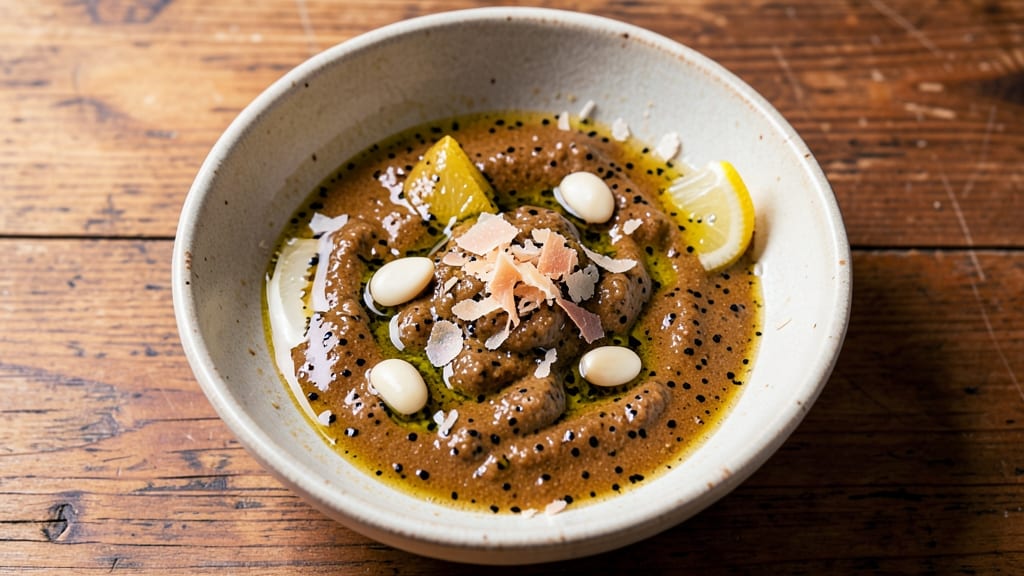
Buca di Beppo's antipasto salad dressing delivers that signature Italian restaurant tang and creaminess you crave—but with a secret anchovy depth that transforms ordinary salads. This isn't your basic vinaigrette; it's a rich, harmonious blend where sharp lemon meets umami anchovies and nutty parmesan, all bound together in a silky emulsion that clings to greens like a dream. The key? A precise balance of acidity, fat, and Italian herbs that recreates their signature flavor without the restaurant price tag.
What sets this dressing apart is the anchovy infusion—a mere 2 tablespoons transforms this into something restaurant-quality, adding that unmistakable savory punch that Buca di Beppo's version is famous for.
We're talking about a dressing that's creamy yet bright, with just the right amount of tang to cut through rich antipasto meats and fresh vegetables. The secret technique? Emulsifying properly so it doesn't separate, even after sitting in your fridge for days.
By the time you drizzle this over your antipasto platter, you'll taste that perfect harmony of flavors—the salty punch of anchovies, the nutty richness of parmesan, and the fresh herbal notes that make every bite taste like you're dining in their iconic restaurant.
The texture is velvety smooth, coating each ingredient perfectly without overpowering them. This isn't just dressing; it's the flavor experience that makes Italian salads unforgettable.
The best part? This recipe comes together in just 5 minutes with simple pantry staples, and makes enough to dress multiple salads or use as a marinade for grilled vegetables.
Store it in an airtight container for up to 1 week—though I guarantee it won't last that long. Let's recreate that signature Buca di Beppo flavor at home.
Ingredients for buca di beppo antipasto salad dressing
The secret to Buca di Beppo's signature dressing lies in these 10 ingredients—where anchovies meet creamy perfection.
| Ingredient | Amount | Notes |
|---|---|---|
| Anchovy Fillets in Oil 🐟 | 2 tbsp | High-quality, rinsed well |
| Extra-Virgin Olive Oil 🫒 | ¾ cup | Light, fruity variety preferred |
| Fresh Lemon Juice 🍋 | 2 tbsp | From 1 small lemon, strained |
| Dijon Mustard 🍯 | 1 tbsp | Mild or classic strength |
| Parmesan Cheese 🧀 | ½ cup | Freshly grated, fine texture |
| Garlic Cloves 🧄 | 2 cloves | Minced, not powdered |
| Fresh Basil Leaves 🌿 | ¼ cup | Finely chopped, stems removed |
| Fresh Oregano Leaves 🌿 | ¼ tsp | Chopped, not dried |
| Diamond Crystal Kosher Salt 🧂 | ½ tsp | Fine grain preferred |
| Black Peppercorns 🌶️ | ¼ tsp | Freshly cracked |
Anchovies are non-negotiable here—they deliver that signature umami punch that makes this dressing restaurant-quality. Goya or Branca fillets in oil are my go-to, but any high-quality brand works. Rinse them well to remove excess oil before mincing, or they'll make your dressing greasy. The Parmesan? Only freshly grated from a wedge—pre-grated tastes like sawdust and won't emulsify properly. For the olive oil, California avocado oil or Spanish picual adds that light, fruity brightness that balances the richness. Fresh herbs are essential too—farmers market basil and oregano have more flavor than grocery store containers, but use what you've got. The garlic? Freshly minced, not powdered—it makes all the difference in that Italian depth.
No anchovies? Two teaspoons of fish sauce plus a splash of soy sauce gets you close, though you'll lose some of that authentic umami complexity. Running short on fresh herbs? Dried basil and oregano at half the amount works in a pinch, but toast them first in a dry pan to wake up the flavors. The mustard is crucial for emulsification—Dijon is non-negotiable, but if you only have whole-grain, strain out the seeds. For a lighter dressing, reduce the Parmesan to one-third cup and add one tablespoon of lemon zest for brightness. The lemon juice? Freshly squeezed is a must—bottled juice lacks the complexity. Want it extra creamy? Add one tablespoon of crème fraîche or Greek yogurt at the end.
This dressing is a game-changer for salads, but it also works as a marinade for grilled vegetables or a dip for crusty bread. Store it in a clean, dry jar with a tight seal—it'll keep for up to 1 week in the fridge, though I've never had a jar last that long. For longer storage, divide it into ice cube trays and freeze for up to 3 months. The emulsion holds beautifully when thawed, but give it a quick whisk before using. Pro tip: If it separates, just whisk vigorously or blend for 10 seconds—it'll come back together like magic. The anchovy flavor intensifies slightly after chilling, so make a fresh batch when you're ready to serve for maximum impact.
Why You'll Love This Recipe
- Five-Ingredient Magic: This dressing comes together with just a whisk and a bowl—no fancy techniques, no stress. Honestly, I’ve made it while waiting for pasta to boil, and it still tastes like I spent hours.
- Umami Bomb: That first spoonful of anchovies and Parmesan? It’s like a flavor explosion—salty, rich, and bright all at once. The lemon cuts through the richness, so it’s never heavy, just ridiculously good.
- Salad Game-Changer: I use this on everything—warm caprese, crusty bread, even grilled chicken. It turns basic greens into a restaurant-worthy bite, and honestly? My lazy summer salads have never tasted this good.
- Budget-Friendly Luxury: A tiny jar of anchovies and a wedge of Parmesan stretch this dressing far. I’ve dressed three salads and still have leftovers—no waste, just flavor for days. (Yes, even on a Tuesday night.)
Step-by-step instructions for Buca di Beppo antipasto salad dressing
This dressing delivers restaurant-quality depth with anchovy's umami punch and Parmesan's nutty richness.
Infuse the Anchovies and Garlic
In a small bowl, combine the 2 tbsp Anchovy Fillets in Oil with the 2 cloves Garlic Cloves, minced. Let this mixture sit for 10 minutes at room temperature. This infusion extracts maximum flavor from the anchovies while allowing the garlic to soften slightly. The oil will become aromatic and slightly salty—this is your flavor foundation.
I like to use a small bowl for this step to concentrate the flavors. If you're using high-quality anchovies, you'll notice a deep, briny aroma developing. Don't rush this infusion—those 10 minutes are crucial for building the dressing's signature complexity. The anchovies will break down slightly, creating tiny flavor bombs throughout the dressing.
Whisk in the Mustard and Lemon
Transfer the anchovy-garlic mixture to a blender or food processor. Add the 1 tbsp Dijon Mustard and 2 tbsp Fresh Lemon Juice, then pulse until completely smooth. The mustard helps emulsify the dressing while adding a subtle tang that balances the richness. The lemon juice brightens the whole preparation and prevents the dressing from becoming too heavy.
Here's the thing—don't skip the blending step. The anchovies need to be fully incorporated to avoid any fishy aftertaste. You're looking for a completely smooth mixture at this stage. If you notice any separation or graininess, pulse again for another 5-10 seconds. This is your chance to create a velvety base that will carry all the other flavors.
Gradually Incorporate the Olive Oil
With the blender running on low speed, very slowly drizzle in the 0.75 cup Extra-Virgin Olive Oil. This gradual addition is key to creating a stable emulsion. The oil should be incorporated completely before adding more. You'll notice the mixture thicken slightly as the oil combines with the other ingredients. This is when the dressing starts to take on its signature creamy texture.
Real talk: this is where many homemade dressings fail. If you pour the oil too quickly, you'll end up with a separated dressing. Go slow, and trust the process. The final texture should be thick but pourable—like heavy cream. If it's too thick, you can thin it with a teaspoon of water or more lemon juice later. The dressing should coat the back of a spoon without being gluey.
Add the Cheese and Herbs
Remove the dressing from the blender and transfer it to a medium bowl. Stir in the 0.5 cup Parmesan Cheese, 0.25 cup Fresh Basil Leaves, and 0.25 tsp Fresh Oregano Leaves using a silicone spatula. The Parmesan should dissolve completely into the dressing, creating a rich, nutty depth. The herbs add freshness and visual appeal—those bright green flecks make the dressing look as good as it tastes.
I always use freshly grated Parmesan for this step. Pre-grated cheese often contains anti-caking agents that can make the dressing grainy. If you notice any cheese clumps, strain the dressing through a fine-mesh sieve to ensure a silky texture. The basil and oregano should be finely chopped—you want them distributed evenly throughout the dressing rather than in large chunks. Taste as you go and adjust the seasoning if needed.
Season and Rest for Maximum Flavor
Season the dressing with the 0.5 tsp Diamond Crystal Kosher Salt and 0.25 tsp Black Peppercorns, freshly cracked. Give it a thorough stir to distribute the seasoning evenly. Let the dressing rest at room temperature for 15-20 minutes before using. This resting period allows all the flavors to meld together and the dressing to reach its perfect consistency.
Don't skip the resting time—I learned the hard way that freshly made dressing can taste slightly raw. Those 15-20 minutes make all the difference in developing the complex flavor profile that makes this dressing so special. The anchovy flavor will become more integrated, the Parmesan will dissolve completely, and the dressing will achieve that perfect balance of creamy, tangy, and umami notes. When you're ready to use it, give it one final taste and adjust the seasoning if necessary. This dressing keeps well in the refrigerator for up to 5 days, so you can make it ahead for your next salad gathering.
Pro Tips For Making Buca Di Beppo Antipasto Salad Dressing
- Mash the Anchovies: The jarred anchovy fillets in oil are convenient, but don’t just dump them in whole—give them a good smash with the back of a spoon or fork first. This breaks them down into a paste, so they blend smoothly and distribute their salty, umami punch evenly. I used to skip this, and the dressing always tasted like it was hiding anchovies in the back.
- Use Cold Hard Cheese: Grate your Parmesan fresh and keep it cold while you work. Room-temperature cheese melts into the dressing instead of adding texture, and pre-shredded stuff has anti-caking agents that make the dressing grainy. If you’re in a pinch, use a microplane and store the grated cheese in the fridge until ready to use—it makes a real difference.
- Balance the Mustard Gradually: Start with just 1 teaspoon of Dijon and taste before adding more. The dressing can turn bitter fast if you overdo it, and you can’t easily fix it later. I learned this after ruining a batch where I followed a recipe’s "1 tablespoon" suggestion without tasting first—now I add it in tiny increments.
- Whisk in Lemon Slowly: Add the lemon juice a drop at a time while whisking constantly. The acidity cuts through the richness of the olive oil and anchovies, but too much too fast will curdle the dressing. If it looks separated, whisk in a splash of warm water or a pinch of sugar to re-emulsify—it’s not ruined, just needs a little help.
Dietary considerations for this dish
Gluten-Free Adaptations
This dressing is naturally gluten-free, thanks to its simple ingredients—but always double-check your anchovies and Dijon mustard labels. Some brands add gluten-containing fillers or processing aids. I recommend Goya or Branca anchovy fillets, which are certified gluten-free, and Annie's or Primal Kitchen Dijon mustard for safe options.
The rest of the ingredients (olive oil, lemon, herbs, etc.) are inherently gluten-free, so you're golden once you verify those two components. 🌱
Dairy-Free Options
For a dairy-free version, swap the ½ cup Parmesan cheese with ½ cup nutritional yeast for a nutty, umami-rich alternative. Nutritional yeast works surprisingly well in dressings, mimicking the depth of Parmesan.
If you want extra creaminess, add 1 tablespoon of cashew cream (soaked cashews blended with water) to replace the dairy richness. The texture will be slightly lighter, but the flavor remains bold and balanced.
Vegan-Friendly Swaps
To make this dressing fully vegan, replace the anchovies with 2 teaspoons of white miso paste or vegan fish sauce for umami depth. For the Parmesan, use ½ cup vegan Parmesan shreds (like Follow Your Heart brand) or additional nutritional yeast.
The mustard and olive oil remain the same, but ensure your Dijon is vegan-certified. The result is still rich and flavorful, though slightly less complex than the original anchovy version.
Low-Fat Version
For a lighter dressing, reduce the olive oil to ½ cup and replace the remaining ¼ cup with unsweetened almond milk or apple cider vinegar. This keeps the dressing emulsified while cutting calories and fat.
The texture will be slightly thinner, but the tangy, herby flavors still shine. I also recommend adding 1 extra tablespoon of lemon juice to compensate for the reduced fat and enhance brightness.
Allergy Considerations
If you're sensitive to anchovies, substitute with 2 teaspoons of soy sauce or coconut aminos for a salty, umami kick. For nut allergies, ensure your olive oil is refined (not cold-pressed) to avoid potential cross-contamination.
Always check labels on Dijon mustard for hidden allergens—some brands add garlic powder or other additives. When in doubt, opt for single-ingredient versions like Maille Dijon, which is typically cleaner.
Nutrition facts
Frequently asked questions about Buca di Beppo antipasto salad dressing
Why does this dressing have anchovies when most Italian dressings don't?
Anchovies are the secret weapon that recreates Buca di Beppo's signature restaurant flavor! Their umami depth transforms this into something beyond basic vinaigrette. The tiny amount (2 tbsp) dissolves completely, adding that unmistakable savory punch that makes it taste authentically Italian without being fishy. Think of them as the flavor bridge between the creamy Parmesan and bright lemon.
Can I make this dressing without a blender?
For a no-blender version, whisk the anchovy-garlic mixture with mustard and lemon until smooth, then slowly drizzle in the olive oil while whisking constantly. The key is patience—add oil drop by drop until fully emulsified. You'll need to whisk vigorously for 3-5 minutes total, but the result will be just as creamy. For extra insurance, add 1 tsp cornstarch to the mustard mixture first to help stabilize the emulsion.
What's the best way to store this dressing to prevent separation?
Store in a clean, dry airtight container with the lid sealed tightly. Keep it refrigerated and use within 5 days for best flavor. For longer storage, freeze in ice cube trays (up to 3 months)—thaw overnight in the fridge. The emulsion holds beautifully when properly sealed. If it does separate, just whisk or blend briefly before using. Pro tip: Add ½ tsp xanthan gum when making it if you want extra stability.
How can I make this dressing less creamy for a lighter version?
Reduce the olive oil to ½ cup and replace the remaining ¼ cup with lemon juice or apple cider vinegar. This maintains the emulsion while creating a lighter, tangier dressing. For extra brightness, add 1 tbsp lemon zest and reduce the Parmesan to ⅓ cup. The result will be more like a classic Italian vinaigrette with that signature anchovy depth—perfect for summer salads.
What can I use this dressing for besides salads?
This versatile dressing works as a marinade for grilled vegetables, a dip for crusty bread or bruschetta, or even a sauce for pasta. Try drizzling it over roasted Brussels sprouts or using it as a finishing sauce for grilled chicken. For extra richness, stir in 1 tbsp heavy cream when using as a pasta sauce. The anchovy flavor becomes even more pronounced when used as a cooking sauce rather than just a dressing.