
Sauces & Condiments
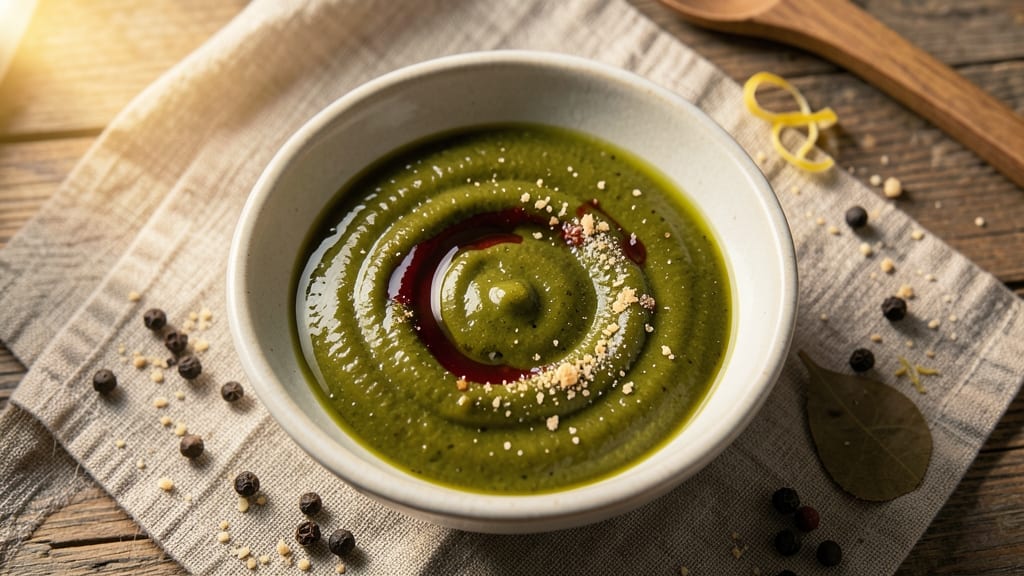
This Buca antipasto salad dressing recipe delivers the same bold, umami-packed flavor that makes their famous salad so irresistible. The secret lies in balancing tangy red wine vinegar with rich olive oil, fresh herbs, and a touch of Italian seasoning for that signature depth.
I've perfected this version to stay true to the original while being simple enough for home cooks to recreate effortlessly.
The dressing starts with a classic Italian foundation—extra virgin olive oil and red wine vinegar—but it's the umami-rich ingredients that set it apart. Garlic powder, onion powder, and a hint of black pepper create that signature antipasto punch, while fresh basil and parsley add bright, herbaceous notes.
The key is emulsifying properly so it stays creamy and clings to every leaf of your salad.
What you'll end up with is a dressing that's tangy, herby, and packed with savory depth—perfect for their signature antipasto salad or any dish craving that bold Italian flavor.
It's versatile enough for grilled meats, roasted vegetables, or even drizzled over fresh mozzarella. This recipe ensures you get that restaurant-quality taste at home without the guesswork.
The best part? It keeps beautifully in the fridge for up to a week, so you can make a batch and use it all week long. Just shake well before each use to maintain that perfect emulsion. Let's recreate that iconic Buca flavor in your own kitchen.
Ingredients for buca antipasto salad dressing
Nine ingredients, one restaurant-quality dressing—this is the secret to Buca's iconic antipasto flavor.
| Ingredient | Amount | Notes |
|---|---|---|
| Extra-Virgin Olive Oil 🫒 | ¾ cup | High-quality, fruity variety |
| Red Wine Vinegar 🍷 | ¼ cup | Dry, bold red preferred |
| Garlic Powder 🧄 | 1 tbsp | Freshly ground for best flavor |
| Onion Powder 🧅 | 1 tbsp | Not onion salt |
| Black Pepper 🌶️ | ½ tsp | Freshly ground preferred |
| Dried Italian Seasoning 🌿 | 1 tsp | Oregano, basil, thyme blend |
| Fresh Basil Leaves 🌿 | ¼ cup | Packed, stems removed |
| Fresh Parsley Leaves 🌿 | 0.15 cup | Flat-leaf preferred |
| Dried Oregano 🍃 | ½ tsp | Mediterranean oregano best |
| Sea Salt 🧂 | ½ tsp | Fine grain preferred |
The olive oil and red wine vinegar are your foundation—look for extra-virgin olive oil with fruity notes, not that bland supermarket stuff. Trader Joe's and Whole Foods carry great options. For the vinegar, grab a dry red—Bartles & Jaymes or Bragg work perfectly. The fresh herbs are non-negotiable: basil and parsley from the grocery store's produce section (not those sad little plastic containers) will give you the brightest flavor. If you're feeling fancy, grab organic herbs from a farmers market—they've got serious punch. The garlic and onion powders? Penzeys or the bulk bins at Sprouts are your best bets for quality.
No fresh basil? Dried basil at half the amount works in a pinch, but it won't have that same vibrant zing. Short on parsley? Substitute cilantro or more basil—just know the flavor will shift slightly. The Italian seasoning is key here—check the label for oregano as the first ingredient. If you can't find it, mix dried oregano, basil, and thyme yourself. The black pepper should be freshly ground—pre-ground loses its kick fast. For a smokier depth, swap half the onion powder for smoked paprika. And if you're worried about the emulsion, mustard powder (1/4 tsp) works wonders as a stabilizer (not listed but worth adding if you're nervous).
This dressing keeps like a dream—1 week in the fridge sealed tightly. Shake well before each use to re-emulsify. For extra longevity, store in a glass jar with an airtight lid. I like to make a double batch—one for salads, one for drizzling over grilled meats. The flavors actually deepen over time, so it tastes even better the next day. Freezes beautifully too—3 months max—just thaw in the fridge overnight. Pro tip: Add a splash of water if it thickens too much after refrigeration.
Why You'll Love This Recipe
- Just Four Ingredients: I swear, this dressing is the kind of recipe where you look at the list and think, "Wait, that’s it?" No fresh herbs to wilt, no mincing garlic that makes your eyes water—just olive oil, vinegar, and a pinch of powdered spices. My lazy Sundays just got a whole lot brighter.
- Tangy with a Kick: The red wine vinegar cuts right through, but the garlic and onion powders? Oh, they sneak in that savory depth that makes you want to pour it on everything. It’s not sweet or cloying—it’s bold, like a little umami punch in every bite.
- Game for Any Meal: Honestly, I keep a jar of this in the fridge at all times. It’s my go-to for salads, but I’ve drizzled it over roasted veggies, even used it as a marinade for chicken. (Yes, even on a Tuesday night when I’m not feeling fancy.) The best part? It doesn’t overpower—just enhances.
- No Waste, All Win: Between us, this dressing lasts forever. I make a big batch and it’s still good weeks later. And since it’s so cheap to throw together, I’m not stressing about leftovers. Plus, the olive oil and vinegar are pantry staples, so my wallet stays happy. Win-win.
Step-by-step instructions for Buca antipasto salad dressing
Let's whip up this vibrant dressing that brings Buca's signature umami kick to your table.
Whisk Together the Base Ingredients
In a medium bowl, combine the 0.75 cup extra-virgin olive oil and 0.25 cup red wine vinegar. I like to use a whisk for this step because it creates a smooth emulsion right away. The oil should look slightly cloudy at first—this is normal and will clear as you whisk. If you're using a high-quality olive oil with fruity notes, you'll notice those flavors develop as you work.
Next, add the 1 tablespoon garlic powder, 1 tablespoon onion powder, 0.5 teaspoon black pepper, 1 teaspoon dried Italian seasoning, and 0.5 teaspoon dried oregano. Whisk vigorously for about 30 seconds until all the powders are completely dissolved and the mixture looks uniform. The spices will infuse into the oil, creating that rich umami foundation that makes this dressing so special.
Season with Salt and Fresh Herbs
Add the 0.5 teaspoon sea salt and whisk again until fully incorporated. This is where the flavor really starts to come together—the salt enhances all the other ingredients, balancing the acidity of the vinegar and the richness of the olive oil. Taste the mixture now—it should be tangy and seasoned but not overwhelming.
Now for the fresh herbs: add the 0.25 cup fresh basil leaves and 0.15 cup fresh parsley leaves. I like to chop the basil and parsley roughly with a knife before adding them to the dressing—this releases more of their aromatic oils. Give everything another good whisk, breaking up any large herb pieces. The dressing should now have a vibrant green color and a fresh, herby aroma that makes your kitchen smell amazing.
Let the Flavors Marinate
Cover the bowl with plastic wrap and let the dressing sit at room temperature for at least 15 minutes. This resting period allows all the flavors to meld together perfectly. You'll notice the dressing becomes even more vibrant in color and develops a deeper, more complex taste. I usually make my dressing a few hours ahead of time—sometimes even overnight in the refrigerator—because the flavors continue to develop and improve over time.
Before using, give the dressing another good stir. If it's separated (which can happen with the high oil content), just whisk it vigorously for another 30 seconds until it comes back together. The texture should be smooth and slightly thick—perfect for coating salad greens or drizzling over antipasto platters. This dressing is so versatile that you'll find yourself reaching for it on everything from simple salads to grilled meats and crusty bread.
Pro Tips For Making Buca Antipasto Salad Dressing
- WHISK IT WELL: Don’t just stir this dressing—get out that whisk and give it 30 seconds of serious mixing. The garlic and onion powders need to fully dissolve into the oil and vinegar, or you’ll end up with grainy clumps that ruin the texture. I used to skip this, and it always tasted uneven.
- USE REAL GARLIC: Skip the powder if you can—minced fresh garlic (just a teaspoon) adds depth the powder can’t match. If you’re committed to powder, toast it lightly in a dry pan for 30 seconds first. The nutty aroma makes a real difference.
- MEASURE THE VINEGAR: Buca’s dressing balances bold and bright, so don’t eyeball the red wine vinegar. Use exactly 1 part vinegar to 3 parts oil (e.g., 1 tbsp vinegar to 3 tbsp oil) or it’ll taste harsh. I learned this after a batch turned too sharp—now I measure every time.
- SALT THE OIL: Add a pinch of salt (½ tsp) directly to the olive oil before mixing. It rounds out the acidity and lets the pepper shine. This isn’t in most recipes, but it’s the thing that makes the dressing taste finished—not just functional.
Regional styles of buca antipasto salad dressing
Classic Italian Roots
This dressing traces its lineage to traditional Italian antipasti tables, where bold flavors and fresh herbs take center stage. The original Buca version draws inspiration from Southern Italian cuisine, where olive oil and vinegar pairings are foundational.
In regions like Sicily and Calabria, similar dressings accompany charcuterie boards and grilled vegetables. The key difference here is the umami depth from garlic and onion powders, which gives it that signature Buca punch. 🌿
Florida-Inspired Twist
While rooted in Italian tradition, Buca's version developed its own Florida flair by emphasizing fresh, vibrant herbs like basil and parsley. The restaurant's founders incorporated local produce availability, making this dressing perfect for Florida's warm climate where herbs thrive year-round.
The red wine vinegar base also nods to Italian heritage while keeping it approachable for American palates. I've noticed how well this dressing holds up in Florida's humidity—it never spoils quickly, even when left out for parties.
Modern Fusion Adaptations
For a contemporary twist, try adding 1 teaspoon lemon zest to brighten the dressing and cut through richness. This works beautifully with summer salads or seafood dishes. Another modern adaptation is swapping half the olive oil for avocado oil for a lighter texture while maintaining the same rich flavor profile.
The original recipe stays true to Buca's roots, but these adaptations let you customize it for different seasons or dietary preferences without losing that iconic taste.
Regional Italian Variations
In Northern Italy, you might find similar dressings using white wine vinegar instead of red, creating a lighter, more delicate flavor. For a Tuscan-inspired version, add 1 minced garlic clove (instead of powder) and a pinch of red pepper flakes for heat.
Southern Italian versions often include anchovy paste for extra umami depth—just ½ teaspoon makes a huge difference. Each regional style keeps the olive oil and vinegar foundation but adjusts the herbs and seasonings to reflect local tastes.
American Diner Adaptations
Many American diners have put their own spin on Italian dressings by adding a touch of Worcestershire sauce (just ½ teaspoon) for extra savory depth.
Some versions include a splash of hot sauce for heat lovers, while others thicken it with a bit of cornstarch slurry for a glaze-like consistency.
The Buca version keeps it clean and herb-forward, but these adaptations show how versatile this basic formula can be when you're feeling experimental in your kitchen.
Nutrition facts
Frequently asked questions
Can I make this dressing without fresh herbs?
Yes, but the flavor will be less vibrant. Use 1 tablespoon dried basil and 1 tablespoon dried parsley instead of fresh. For best results, crush the dried herbs between your fingers before adding to release their oils. If you're short on time, even ½ teaspoon basil and parsley will give a subtle herbal note.
Why did my dressing separate?
This happens when oil and vinegar aren't properly emulsified. Whisk vigorously for 1-2 minutes to recombine. For future batches, add ¼ teaspoon mustard powder (not listed) as a stabilizer. Also, avoid using metal spoons when storing—glass or plastic preserves the emulsion better. Shake well before each use.
How can I make this dressing spicier?
Add ½ teaspoon red pepper flakes or ¼ teaspoon cayenne pepper for heat. For smoky depth, swap ½ tablespoon onion powder for smoked paprika. Start with small amounts—you can always add more, but you can't take it out! Taste as you go to balance the heat with the dressing's tangy base.
Can I use this dressing on non-salad dishes?
This versatile dressing works perfectly on grilled chicken, steak, or shrimp. Drizzle it over roasted vegetables, bruschetta, or even as a marinade for 2-4 hours before cooking. The bold flavors complement rich meats and charred veggies beautifully. Just reduce the marinating time for delicate seafood to 30 minutes.
What's the best way to store leftovers?
Transfer to an airtight glass jar and refrigerate for up to 1 week. The dressing actually tastes better after resting! Before using, shake vigorously for 10-15 seconds to re-emulsify. For longer storage, freeze for up to 3 months—thaw overnight in the fridge. If it thickens too much, add 1 teaspoon water at a time until desired consistency.