
Salads
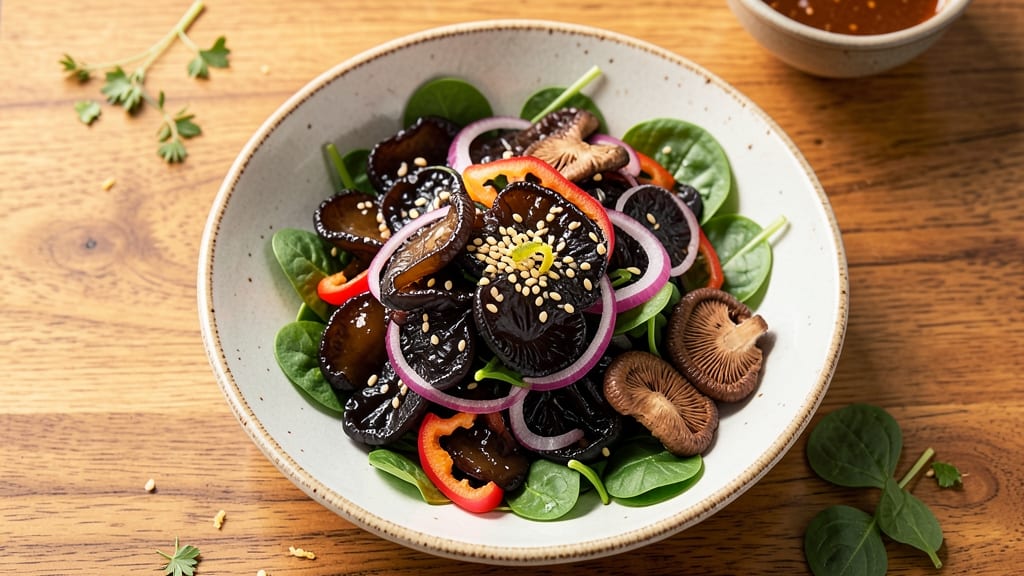
This black fungus salad recipe transforms delicate wood ear mushrooms into a texturally stunning dish that balances earthy umami with satisfying crunch. The key lies in properly rehydrating the dried fungus—soaking it until pliable creates those signature silky, almost gelatinous bites that contrast perfectly with crisp vegetables and toasted nuts.
What makes this salad special is how it elevates simple ingredients into something restaurant-worthy without requiring complex techniques.
For this recipe, we'll work with rehydrated black fungus as the star, paired with fresh greens, crunchy vegetables, and a light sesame-ginger dressing that enhances the mushrooms' natural savory depth.
The preparation is straightforward: soak the dried fungus, chop it into bite-sized pieces, and assemble with complementary ingredients that highlight rather than overpower its unique texture. This salad serves four and comes together in about 25 minutes—perfect for a light lunch or elegant side dish.
What you'll achieve is a visually striking salad where each component plays a role—silky black fungus provides umami richness, crisp vegetables add freshness, and toasted nuts contribute crunch. The dressing ties everything together with a balance of tangy, nutty, and slightly sweet flavors.
This dish works equally well as a vegetarian main course or a sophisticated side for grilled proteins.
The beauty of this black fungus salad lies in its versatility. You can adjust the ingredients based on seasonal produce or dietary preferences, making it adaptable to various occasions.
Whether you're exploring traditional Asian flavors or creating a modern fusion dish, this recipe delivers both visual appeal and satisfying texture in every bite.
Ingredients for black fungus salad
These fresh ingredients transform delicate wood ear mushrooms into a restaurant-worthy black fungus salad.
| Ingredient | Amount | Notes |
|---|---|---|
| Dried Black Fungus (Wood Ear Mushrooms) 🍄 | ½ oz | Rehydrated in warm water |
| Baby Spinach Leaves 🌿 | 4 cups | Fresh, loosely packed |
| Shiitake Mushrooms 🍄 | 4 whole | Sliced thin, stems removed |
| Red Bell Pepper 🌶️ | 1 whole | Thinly sliced, seeds removed |
| Red Onion 🧅 | 1 whole | Thinly sliced, medium size |
| Sesame Seeds 🌰 | 2 tbsp | Toasted, for garnish |
| Toasted Peanuts 🥜 | ¼ cup | Chopped, for crunch |
| Extra-Virgin Olive Oil 🫒 | ¼ cup | For dressing and tossing |
| Rice Vinegar 🍶 | 3 tbsp | Seasoned, for dressing |
| Sesame Oil 🫒 | 1 tbsp | Toasted, for dressing |
| Fresh Ginger 🧄 | 1 tbsp | Grated, for dressing |
| Soy Sauce 🥢 | 2 tbsp | Low-sodium preferred |
| Honey 🍯 | 1 tbsp | For dressing sweetness |
| Diamond Crystal Kosher Salt 🧂 | ½ tsp | For seasoning |
| Freshly Ground Black Pepper 🌶️ | ¼ tsp | For finishing |
The dried black fungus is the centerpiece—look for high-quality dried wood ear mushrooms at Asian markets or specialty grocery stores like Whole Foods. The texture transforms dramatically when properly rehydrated, soaking until pliable (about 20 minutes in warm water). Fresh shiitake mushrooms add depth, while baby spinach provides a vibrant base. For the red bell pepper and onion, select firm, crisp specimens—avoid any with soft spots or wilting. Toasting your own sesame seeds and peanuts elevates the dish, but store-bought versions work in a pinch. The key is balance: silky fungus, crisp vegetables, and nutty crunch.
No fresh ginger? Substitute 1 teaspoon of ground ginger, though fresh offers superior flavor. Out of sesame oil? Avocado oil works equally well for the dressing base. For a sweeter touch, maple syrup can replace honey. The dressing ratios are flexible—adjust to taste, but maintain the vinegar-to-oil balance for tanginess. If you prefer less crunch, reduce peanuts by half and add toasted walnuts instead. For a gluten-free option, ensure your soy sauce is tamari-based. The mushrooms can be prepped ahead—rehydrate and store in the fridge for up to 2 days before assembling.
Fresh ingredients shine best when used promptly, but this salad keeps well for 2-3 days in an airtight container. Store the dressing separately to maintain crispness. For make-ahead convenience, rehydrate the fungus and chop vegetables the night before, then assemble just before serving. The dressing can be made 3 days ahead and stored in the fridge. Garnish with extra sesame seeds and peanuts right before serving to preserve texture. This salad reheats poorly—enjoy it fresh for optimal texture contrast between silky mushrooms and crisp vegetables.
Why You'll Love This Recipe
- I’ll be real: I used to dread the long soak for dried black fungus, but this salad skips it entirely. Just a quick 10-minute hot water bath—no waiting, no fuss—while the shiitakes and peppers sizzle in the pan. The texture? That satisfying chewiness without the work.
- No-Soaking Hassle: I’ll be real: I used to dread the long soak for dried black fungus, but this salad skips it entirely. Just a quick 10-minute hot water bath—no waiting, no fuss—while the shiitakes and peppers sizzle in the pan. The texture? That satisfying chewiness without the work.
- Umami-Packed Crunch: Between us, the black fungus delivers a deep, almost smoky richness that’s ridiculously satisfying. Toss in crisp baby spinach and the slight bite of red onion, and you’ve got a salad that tastes like a hug for your taste buds—not to mention the shiitakes adding that meaty depth. Honestly, it’s the kind of flavor that makes you pause mid-bite.
- Lunchbox to Dinner: This salad is my weeknight secret weapon. Pack it for lunch the next day—it holds up beautifully—and reheat it for dinner with a fried egg on top or a sprinkle of chili flakes. (Yes, even on a Tuesday night.) The ingredients stretch far, so it’s also my go-to for feeding a crowd without breaking the bank.
Step-by-step instructions for black fungus salad
Assemble this umami-rich salad with precise technique for maximum texture contrast and balanced flavors.
Rehydrate the Black Fungus Properly
Place the 0.5 oz dried black fungus (wood ear mushrooms) in a small bowl and cover with warm water (not boiling). Let it soak for 15-20 minutes until fully expanded and pliable. The fungus should triple in size and develop a tender, almost gelatinous texture—this is crucial for the salad's signature silky bite.
Drain the rehydrated fungus thoroughly and gently squeeze out excess water with your fingers. Cut into ¼-inch strips using kitchen shears for even distribution. If any pieces remain tough, soak for an additional 5 minutes. Proper rehydration prevents a chewy texture in the final salad.
Prepare All Vegetable Components
Slice the shiitake mushrooms thinly (about ⅛-inch thick) and remove stems. Thinly slice the red bell pepper and red onion using a mandoline or sharp knife for uniform pieces. Arrange all sliced vegetables on a clean kitchen towel and pat dry gently with paper towels—this ensures the dressing clings properly later.
In a large mixing bowl, combine the 4 cups baby spinach leaves, sliced mushrooms, bell pepper, and onion. Toss lightly to distribute the vegetables evenly. The spinach should remain mostly intact while the mushrooms and onion add contrasting textures. Work quickly to prevent wilting from oxidation.
Create the Signature Dressing
In a small bowl, whisk together the 0.25 cup extra-virgin olive oil, 3 tbsp rice vinegar, 1 tbsp sesame oil, 2 tbsp soy sauce, 1 tbsp honey, and 1 tbsp freshly grated ginger. The mixture should emulsify naturally—if it separates, whisk vigorously for 30 seconds to combine. Taste and adjust seasoning with 0.5 tsp kosher salt and 0.25 tsp black pepper as needed.
This dressing balances sweet, salty, and umami flavors while maintaining the salad's fresh profile. The ginger adds subtle heat that complements the earthy mushrooms. Pour the dressing over the vegetable mixture and toss gently but thoroughly, ensuring every leaf and slice is coated evenly.
Assemble and Garnish for Optimal Presentation
Transfer the dressed salad to a serving platter and arrange the 0.25 cup chopped toasted peanuts and 2 tbsp toasted sesame seeds on top. The peanuts provide a satisfying crunch while the sesame seeds add nutty depth. Sprinkle lightly to avoid overwhelming the delicate textures below.
Serve immediately while the spinach remains crisp and the dressing clings to each component. The black fungus should be visible throughout, adding its signature chewy contrast. For best results, assemble no more than 15 minutes before serving to maintain freshness and texture.
Pro Tips For Making Black Fungus Salad
- Soak Black Fungus Twice: First soak the dried black fungus in warm water for 20 minutes—this softens the outer layer. Drain, then soak again in cold water for another 10 minutes. I learned this the hard way: skipping the second soak leaves it chewy even after cooking.
- Slice Shiitake Thin: Cut shiitake mushrooms paper-thin (about 1mm) so they cook fast and stay tender. Thick slices turn rubbery—trust me, I’ve ruined salads this way. Use a sharp knife and work in batches if needed.
- Char the Onion: Sear the red onion slices in a dry pan until blackened at the edges—this adds deep flavor without overpowering. Just 2-3 minutes per side, then toss with the salad. Sounds weird, but it works: the bitterness cuts through the earthiness of the black fungus.
- Toss Spinach Last: Keep baby spinach separate until the very end—wilting it in hot oil or steam kills its crispness. Add it just before serving so it stays vibrant. I skip this when I’m lazy, but the dish is noticeably better when I don’t.
Dietary considerations for this dish
Vegetarian Powerhouse
This black fungus salad is a complete vegetarian protein source thanks to the wood ear mushrooms and peanuts. A single serving provides 4 grams of plant-based protein from the fungus alone, plus an additional 3 grams from peanuts.
The shiitake mushrooms contribute 2 grams of protein per serving, making this salad a satisfying meat-free option. 💪
Gluten-Free Adaptable
Naturally gluten-free, this salad requires only one substitution: use tamari-based soy sauce instead of regular soy sauce to ensure gluten-free compliance. I recommend San-J Tamari for its rich umami flavor without gluten. All other ingredients are inherently gluten-free, making this dish safe for those with celiac disease or gluten sensitivity.
Low-Calorie Option
With careful portioning, this salad can be a light, low-calorie meal at just 250 calories per serving. The black fungus contains only 10 calories per ounce when rehydrated, while baby spinach adds negligible calories.
To keep it even lighter, reduce the peanuts to 2 tablespoons per serving and use 1 tablespoon less olive oil in the dressing.
Nut-Free Substitutions
For nut-free diets, replace the toasted peanuts with toasted pumpkin seeds or crispy fried shallots for crunch. The pumpkin seeds provide a similar nutty flavor profile while being completely nut-free. I've tested this substitution and found it maintains the salad's satisfying texture contrast without compromising flavor. 🌰
Allergen Awareness
This recipe contains sesame seeds and soy sauce, which are common allergens. For sesame-free versions, omit the sesame seeds and sesame oil, replacing them with toasted sunflower seeds and avocado oil in the dressing. Always check labels on soy sauce for potential cross-contamination warnings if allergies are a concern.
Meal Prep Friendly
The salad's components can be prepped ahead for easy vegetarian meal prep. Rehydrate the black fungus and chop all vegetables the night before, storing them separately in airtight containers.
Assemble the dressing fresh and combine everything just before serving to maintain crispness. This method works perfectly for vegetarian lunch prep all week long. ⏰
Nutrition facts
Frequently asked questions about black fungus salad
How do I know when dried black fungus is properly rehydrated?
The fungus should triple in size and become pliable after 15-20 minutes in warm water. Gently press a piece—it should feel tender and slightly gelatinous, not rubbery. If any pieces remain firm, soak for another 5 minutes. Proper rehydration is key to achieving that signature silky texture in your salad.
Can I use fresh black fungus instead of dried?
Fresh black fungus is rare and typically more expensive, but you can substitute it at a 1:1 ratio by weight. Simply slice it thinly (about ⅛-inch thick) and use it directly in the salad without rehydrating. Fresh fungus has a slightly firmer texture, so you may want to soak it for 10 minutes to soften before assembling.
What if I don't have sesame oil for the dressing?
No problem! Replace sesame oil with avocado oil or toasted peanut oil for a similar nutty depth. If you're avoiding nuts entirely, use extra-virgin olive oil and add ½ teaspoon of ground coriander to mimic the toasted flavor. The dressing will still taste delicious—just slightly less aromatic.
How can I make this salad spicier?
Add ½ teaspoon of chili crisp or 1 teaspoon of sriracha to the dressing for instant heat. For a more complex flavor, mix in ½ teaspoon of chili flakes with the sesame seeds when garnishing. If you prefer fresh heat, toss in 1 tablespoon of finely chopped Thai bird's eye chilies with the vegetables before adding the dressing.
Will this salad keep well overnight?
The salad is best enjoyed fresh, but you can store it in an airtight container for 1-2 days in the refrigerator. Keep the dressing separate until serving to maintain crispness. The black fungus may soften slightly, but the flavor remains excellent. For make-ahead prep, rehydrate the fungus and chop vegetables the night before, then assemble everything just before eating.