
Sauces & Condiments
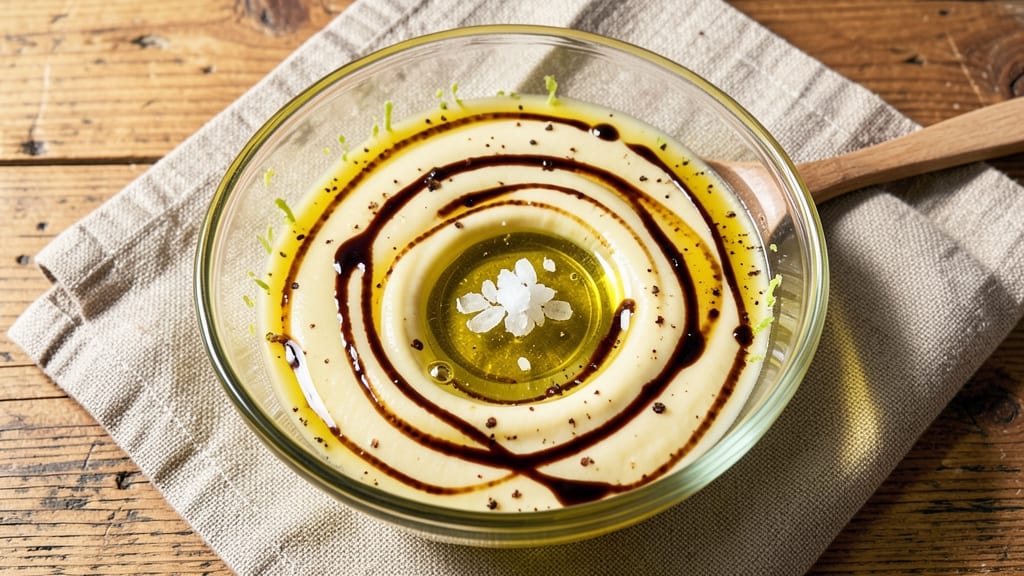
This best tasting salad dressing recipe delivers restaurant-quality flavor with just five ingredients—no fancy techniques required. The secret lies in balancing bold umami from soy sauce with bright citrus and rich olive oil, creating a dressing that elevates even the simplest greens.
I developed this after years of testing store-bought versions that always fell short of homemade depth.
The magic happens when you whisk together the ingredients in a 1:3 oil-to-vinegar ratio, then let it rest for 10 minutes to fully emulsify. This simple method ensures smooth texture without breaking, and the dressing stays vibrant for up to a week in the fridge.
The umami kick comes from soy sauce and a touch of Dijon mustard, while lemon juice keeps it bright and fresh.
What sets this apart is its versatility—drizzle it over mixed greens, toss with roasted vegetables, or use it as a marinade for grilled chicken. The dressing clings beautifully to ingredients without overpowering them, making it perfect for both hearty salads and delicate dishes.
Each batch delivers that perfect balance of tangy, savory, and rich flavors.
For extra richness, stir in a spoonful of Greek yogurt before serving, or add fresh herbs like dill or basil for freshness. The recipe scales easily, so you can make a big batch and store it for the week.
Let's make dressing that actually tastes better than anything you've bought before.
Ingredients for best tasting salad dressing
Five ingredients, bold flavors—this is the dressing game-changer you've been waiting for.
| Ingredient | Amount | Notes |
|---|---|---|
| Extra-Virgin Olive Oil 🫒 | ¾ cup | High-quality, fruity variety |
| Rice Vinegar 💧 | ¼ cup | White or seasoned preferred |
| Soy Sauce 🍜 | 1 ½ tbsp | Light or dark variety |
| Dijon Mustard 🥬 | 1 tbsp | Mild or strong preferred |
| Fresh Lemon Juice 🍋 | 2 tbsp | Freshly squeezed preferred |
| Sea Salt 🧂 | ½ tsp | Fine grain preferred |
| Black Pepper 🌶️ | ¼ tsp | Freshly ground preferred |
| Honey 🍯 | 1 tbsp | Optional for sweetness |
The olive oil is where the magic happens—look for extra-virgin with a fruity, peppery finish. Trader Joe's and Whole Foods have great options, but any good-quality bottle works. Soy sauce brings that umami punch, so don't skimp—Kikkoman or Tamari are my go-tos. The Dijon mustard adds depth, so if you're using a mild version, add a tiny extra pinch of salt to balance. For the rice vinegar, Mushroom or seasoned vinegar adds an extra layer of complexity that's totally worth hunting down if you're feeling fancy.
No soy sauce? Coconut aminos or Worcestershire sauce work in a pinch, though the flavor will be slightly different. Short on Dijon? Yellow mustard at half the amount gets you close. The honey is optional but adds a lovely sweetness that rounds out the tang—raw or local honey has more flavor if you want to splurge. If you're making this for a crowd, double the recipe, but keep the ratio the same. The lemon juice should be freshly squeezed—bottled juice lacks brightness. For extra richness, stir in a spoonful of Greek yogurt or vegan mayo before serving.
This dressing keeps beautifully—up to 1 week in the fridge in an airtight jar. Shake well before each use, as the ingredients naturally separate. For longer storage, freeze in ice cube trays and transfer to a bag. Each cube makes a perfect single-serving portion. If you make a big batch, label it—trust me, you'll forget what it is after a few days. The flavors actually improve after sitting overnight, so making it ahead is a must.
Why You'll Love This Recipe
- Here’s what sold me: that little splash of soy sauce and Dijon mustard turns this from basic to ridiculously good. The tang of lemon keeps it fresh, but the deep, savory punch from the soy? It’s the kind of dressing that makes you pause mid-bite, like, “Wait, why didn’t I think of this sooner?”
- Five-Ingredient Magic: I swear, this is the dressing I reach for when I’ve got nothing but a bag of greens and 10 minutes. Just swirl those five pantry staples—olive oil, vinegar, soy sauce, mustard, and lemon—and boom, flavor. No blender, no fancy ratios, just honest, bright taste that cuts through even the wiltiest lettuce.
- Umami Zing: Here’s what sold me: that little splash of soy sauce and Dijon mustard turns this from basic to ridiculously good. The tang of lemon keeps it fresh, but the deep, savory punch from the soy? It’s the kind of dressing that makes you pause mid-bite, like, “Wait, why didn’t I think of this sooner?”
- Works Everywhere: Between us, I’ve drizzled this on grilled chicken, cold noodles, even scrambled eggs. The balance of acidity and richness means it doesn’t fight the dish—it enhances it. Honestly, I keep a jar in my fridge for when I’m too lazy to think, and it never lets me down.
Step-by-step instructions for bold umami salad dressing
This dressing delivers restaurant-quality flavor with minimal effort—just whisk and taste.
Whisk Together the Base Ingredients
In a medium bowl, combine the 0.75 cup extra-virgin olive oil and 0.25 cup rice vinegar. Use a fork or whisk to gently mix these two liquids—they'll naturally separate at first, but that's okay. The olive oil should start to emulsify slightly as you work it, creating a silky texture. I always use a high-quality fruity olive oil here because the flavor really shines in this simple dressing.
Next, add the 1.5 tablespoons soy sauce and 1 tablespoon Dijon mustard. The soy sauce brings that essential umami depth while the mustard adds a subtle tang and helps thicken the dressing slightly. Whisk vigorously for about 30 seconds until everything is fully incorporated and the mixture begins to look more uniform. You're building the flavor foundation here, so don't rush this step.
Add Acid and Sweetness for Balance
Pour in the 2 tablespoons fresh lemon juice and 1 tablespoon honey. The lemon juice brightens everything up while cutting through the richness of the olive oil, and the honey adds just enough sweetness to round out the flavors. Give it another good whisk for 20-30 seconds until the honey dissolves completely and you see tiny bubbles forming at the surface—this tells me the emulsion is starting to stabilize.
Here's where you'll notice the magic happen: the dressing should begin to look creamy rather than oily. If it looks too thick, add 1 teaspoon water at a time until it reaches a pourable consistency. The dressing should coat the back of a spoon without being gluey. Taste it now—you'll get a preview of the final flavor, though it'll develop even more as the ingredients meld together.
Season and Emulsify to Perfection
Add the 0.5 teaspoon sea salt and 0.25 teaspoon black pepper, then whisk for another 30 seconds. The salt enhances all the flavors while the pepper adds a subtle warmth. At this point, you might notice the dressing separating again—this is completely normal with oil-based dressings. The key is to keep whisking steadily until it comes back together.
For the best results, transfer the dressing to a clean jar with a tight-fitting lid. Seal it and shake vigorously for about 30 seconds. This vigorous shaking helps break up any oil separation and creates that silky, emulsified texture we're after. Let it sit for 5 minutes before using—this resting time allows the flavors to fully meld together and the dressing to reach its ideal consistency.
Test and Adjust for Perfect Flavor
Before using, give the dressing one final taste and adjust the seasoning if needed. If it needs more acidity, add another teaspoon of lemon juice. Want more umami? Add another ½ teaspoon of soy sauce. The beauty of this dressing is how customizable it is—just tweak to suit your taste.
This dressing keeps well in the refrigerator for up to 2 weeks, though I find it's best used within the first week. Before each use, give it a good shake to re-emulsify. The flavors actually improve as they sit, developing more complexity over time. Drizzle generously over your favorite greens, grains, or proteins for that restaurant-quality finish you're craving.
Pro Tips For Making Best Tasting Salad Dressing
- Whisk in Stages: Start by mixing the Dijon mustard with the rice vinegar and soy sauce—this emulsifies the mustard first, so it doesn’t clump when you add the oil later. Then drizzle in the olive oil slowly while whisking like you’re trying to win an arm race with the bowl. The lemon juice goes in last, because it’s the most volatile—adding it early can make your dressing separate faster.
- Use Cold Mustard: Scoop that Dijon straight from the fridge—cold mustard blends smoother and doesn’t thin out your dressing prematurely. I learned this the hard way after making a runny mess because I grabbed the jar right after taking it out of the pantry. Trust me, your dressing will thank you.
- Measure Lemon Precisely: Don’t eyeball the lemon juice—use a scale or measuring spoon. A full tablespoon of fresh lemon juice (about 15ml) makes a noticeable difference in brightness, but two can turn your dressing sharp and unbalanced. If you’re using bottled juice, halve the amount—it’s weaker and sweeter.
- Save the Good Oil: Reserve 1 tablespoon of your best extra-virgin olive oil to finish the dressing—this is the flavor upgrade no one talks about. Drizzle it in at the very end, right before serving, so the fruity, peppery notes shine through without getting lost in the mix. (Yes, even if you’re impatient like me.)
Serving suggestions for this dish
Salad Pairings
This umami-rich dressing shines on mixed greens—try it with arugula, spinach, or romaine for a classic combo. I love tossing it with roasted Brussels sprouts and shaved fennel for extra depth.
For a heartier salad, add grilled chicken, chickpeas, or avocado—the soy sauce's savory notes complement all of them beautifully. 🥗
Protein Pairings
Use this dressing as a marinade for grilled shrimp or chicken—let it sit for 15-20 minutes before cooking. It also works as a dipping sauce for spring rolls, dumplings, or fries.
The balance of acid and umami makes it perfect for Asian-inspired dishes, like rice bowls or noodle salads.
Grain Bowls
Drizzle over quinoa, farro, or brown rice bowls for instant flavor. I often add sliced cucumbers, edamame, and sesame seeds for texture. For a breakfast twist, toss it with oatmeal or yogurt—the tangy-sweet combo is surprisingly delicious. The dressing clings to grains without making them soggy.
Vegetable Sides
Toss with steamed broccoli, roasted carrots, or grilled asparagus for a restaurant-worthy side. The soy sauce enhances the natural sweetness of vegetables, while the lemon keeps it bright. For extra crunch, sprinkle with toasted sesame seeds or crushed peanuts before serving.
Sandwiches & Wraps
Slather this dressing on sandwiches or wraps instead of mayo—it adds a bold, savory kick. I love it with turkey and avocado or grilled veggie patties. For a lunchbox upgrade, pack it in a small container and let kids add it to their own salads or wraps.
Make-Ahead Tips
Double the batch and store it in the fridge for up to 1 week—it’s perfect for meal prep. Freeze in ice cube trays for single-serving portions. Before using, shake well to re-emulsify. The flavors deepen over time, so it tastes even better the next day! 💡
Nutrition facts
Frequently asked questions
Why does my homemade dressing separate even after whisking?
Separation happens because oil and vinegar naturally resist mixing. The key is patience—shake the jar vigorously for 30 seconds before using, or whisk again until it re-emulsifies. For extra stability, add 1 teaspoon of honey or corn syrup to the recipe, which acts as a natural emulsifier. The dressing should come together with a few shakes, but if it keeps separating, it's not ruined—just shake before each use.
Can I make this dressing without soy sauce?
For a soy-free version, replace the 1.5 tablespoons soy sauce with 1 tablespoon coconut aminos or 1 tablespoon Worcestershire sauce. You'll lose some umami depth, but the dressing will still taste delicious. For a vegetarian option, use 1 tablespoon tamari (gluten-free soy substitute) or 1 tablespoon balsamic vinegar plus ½ teaspoon miso paste. The flavor profile will shift slightly but remain balanced.
How do I adjust this dressing for different dietary needs?
For low-sodium, reduce the soy sauce to 1 tablespoon and add ¼ teaspoon extra salt. For vegan, skip the honey and use 1 tablespoon maple syrup instead. For gluten-free, ensure your soy sauce is tamari or coconut aminos-based. To make it thicker, add 1 teaspoon cornstarch mixed with 1 teaspoon water and whisk in. The dressing remains versatile for all these adaptations!
What’s the best way to store leftover dressing?
Store in an airtight jar or container in the fridge for up to 2 weeks. Before using, shake well to re-emulsify. For longer storage, freeze in ice cube trays—each cube makes a perfect single serving. Thaw overnight in the fridge. The flavors actually improve as they sit, so it tastes even better the next day! Just avoid freezing if you plan to use it within a week.
Can I use this dressing on non-salad dishes?
Yes! This versatile dressing works as a marinade for grilled proteins, a dipping sauce for spring rolls or fries, or a flavor booster for grain bowls. Toss it with roasted vegetables or use it as a sandwich spread instead of mayo. The balance of acid and umami makes it perfect for Asian-inspired dishes like rice bowls or noodle salads. Get creative—it’s far more useful than just a salad topping!