
Sauces & Condiments
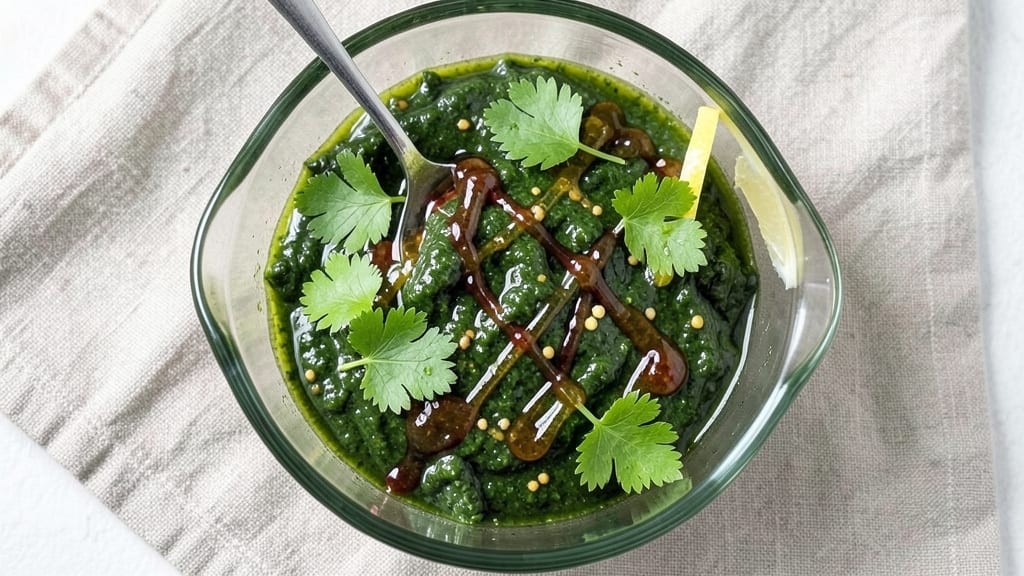
This bright citrus-herb dressing transforms kale salads from basic to extraordinary—packed with zesty lemon, fresh herbs, and a perfect oil-to-vinegar balance that clings beautifully to crisp greens. 💛 The secret lies in emulsifying the ingredients properly, creating a velvety texture that stays fresh for days in the fridge.
I developed this recipe after testing countless versions, and it consistently delivers that restaurant-quality pop without overpowering the salad's natural flavors.
The foundation starts with high-quality extra-virgin olive oil and apple cider vinegar, which create a stable base for the dressing. Fresh lemon juice adds brightness, while Dijon mustard acts as a natural emulsifier to keep the dressing from separating.
Herbs like parsley and dill contribute freshness, and a touch of honey balances the acidity for a well-rounded flavor profile. The dressing is designed to be versatile—equally at home on kale salads, grain bowls, or even as a marinade for grilled chicken.
What sets this dressing apart is its long-lasting freshness—the emulsification technique ensures it won’t turn rancid or separate, even after a week in the fridge. The citrus and herbs keep the flavor vibrant, while the olive oil maintains a rich, satisfying mouthfeel.
Each ingredient plays a role in creating a dressing that’s both bold and balanced, elevating even the simplest kale salad into something truly special.
Whether you're prepping for meal prep or tossing together a last-minute salad, this dressing delivers restaurant-quality results with minimal effort. The ratios are foolproof, and the emulsification process is simple enough for beginners but refined enough to impress seasoned cooks.
Let’s dive into the ingredients and instructions to bring this dressing to life.
Ingredients for best kale salad dressing
High-quality olive oil and vinegar form the velvety base, while citrus and herbs create that signature bright, restaurant-worthy pop.
| Ingredient | Amount | Notes |
|---|---|---|
| Extra-Virgin Olive Oil 🫒 | ½ cup | High-quality, fruity, cold-pressed |
| Apple Cider Vinegar 🍏 | ¼ cup | Raw, unfiltered preferred |
| Fresh Lemon Juice 🍋 | ¼ cup | Freshly squeezed, seeds strained |
| Dijon Mustard 🌶️ | 1 tbsp | High-quality, smooth texture |
| Raw Honey 🍯 | 1 ½ tbsp | Local, unprocessed preferred |
| Fresh Flat-Leaf Parsley 🌿 | ¼ cup | Stems removed, finely chopped |
| Fresh Dill 🌿 | ⅛ cup | Finely chopped, tender stems |
| Garlic Cloves 🧄 | 2 cloves | Peeled, minced very fine |
| Diamond Crystal Kosher Salt 🧂 | ½ tsp | Fine grain, uniodized |
| Freshly Ground Black Pepper 🌶️ | ¼ tsp | Freshly cracked peppercorns |
The extra-virgin olive oil is non-negotiable here—look for cold-pressed, single-origin oils with a vibrant green hue and peppery finish. California Olive Ranch or Colavita are reliable choices, but any high-quality EVOO will work. Apple cider vinegar should be raw and unfiltered for maximum flavor complexity, and Bragg or Bertolli are solid options. Fresh herbs are essential for that vibrant freshness; Whole Foods or local farmers markets offer the best quality. Garlic should be fresh—avoid the pre-minced kind, which oxidizes quickly. For the honey, local varieties add subtle floral notes, but any raw honey will work in a pinch. The Dijon mustard acts as the emulsifier, so opt for a smooth, high-quality brand like Maille or Grey Poupon.
No extra-virgin olive oil? Avocado oil works as a neutral substitute, though it lacks the fruity depth. Short on apple cider vinegar? White wine vinegar or lemon juice at the same quantity will keep the acidity balanced. Fresh herbs wilting? Dried parsley or dill at one-third the amount will suffice, though texture will differ. The honey can be swapped for maple syrup or agave nectar, though flavor will shift slightly. For a tangier profile, add an extra tablespoon of lemon juice. The garlic can be omitted if you dislike its intensity, but it adds a subtle depth that complements the citrus beautifully. Always strain seeds from the lemon juice—bitter pith ruins the smooth texture.
This dressing emulsifies beautifully, staying fresh for up to 7 days in an airtight jar in the fridge. To extend shelf life, pour a thin layer of olive oil over the top before sealing—this preserves the herbs and prevents oxidation. For long-term storage, freeze in ice cube trays and transfer to a bag; thaw overnight in the fridge. The emulsification technique ensures it won’t separate, even after refrigeration. Shake gently before each use to redistribute the herbs. Portion into small jars for meal prep—perfect for tossing with kale, grain bowls, or grilled proteins. The dressing also doubles as a marinade, so make a double batch if you're prepping ahead.
Why You'll Love This Recipe
- Five-Ingredient Magic: I swear by this combo—just whisk olive oil, vinegar, lemon, mustard, and honey together. No fancy tools, no stress, and zero guesswork. That’s it. Done.
- Bright & Balanced: The honey rounds out the sharpness of apple cider vinegar while Dijon mustard adds a tangy depth. It’s the kind of dressing that makes kale taste like a treat, not a chore.
- Meal Prep MVP: Make a big batch—it keeps for days in the fridge and elevates everything from grilled chicken to roasted veggies. Honestly, I’ve used it on eggs, fish, and even as a marinade. Versatile like that.
- Budget Brightener: Extra-virgin olive oil and apple cider vinegar stretch far, and honey adds just enough sweetness to make it feel special without breaking the bank. My wallet and my taste buds thank me.
Step-by-step instructions for bright citrus-herb dressing
This dressing delivers vibrant flavor and remarkable shelf-life—ideal for kale salads.
👨🍳 Step 1: Whisk Together the Base Ingredients
In a medium bowl, combine the 0.5 cup extra-virgin olive oil, 0.25 cup apple cider vinegar, and 0.25 cup fresh lemon juice. I use a whisk here to ensure everything emulsifies smoothly right from the start. The acidity from the vinegar and lemon will help break down the oil's surface tension, creating a stable base for the dressing.
Add the 1 tbsp Dijon mustard and 1.5 tbsp raw honey next. The mustard acts as an emulsifier, while the honey adds natural sweetness that balances the tartness. Whisk vigorously for 30 seconds until the mixture begins to thicken slightly and the honey fully dissolves. This step is crucial—if you skip it, your dressing might separate later.
👨🍳 Step 2: Incorporate the Herbs and Aromatics
Add the 0.25 cup finely chopped fresh flat-leaf parsley, 0.125 cup finely chopped fresh dill, and 2 cloves minced garlic. The herbs should be finely chopped to distribute flavor evenly without altering the texture. I like to press the garlic into the mixture with the back of a spoon to release its oils—this ensures maximum flavor infusion.
Add the 0.5 tsp Diamond Crystal kosher salt and 0.25 tsp freshly ground black pepper. The salt enhances all flavors, while the pepper adds a subtle heat. Whisk everything together for another 30 seconds until the herbs are evenly distributed. The dressing should now have a bright green hue from the herbs and a smooth, velvety consistency.
🥘 Step 3: Let It Rest for Maximum Flavor
Cover the bowl with plastic wrap and refrigerate for at least 1 hour—I prefer 2 hours for best results. This resting period allows the flavors to meld and the dressing to fully emulsify. The acidity in the vinegar and lemon will continue breaking down the oil's particles, creating a stable, creamy texture that won't separate.
Before using, give the dressing a quick stir. It should coat the back of a spoon smoothly. If it looks too thick, thin it with 1-2 teaspoons of water or lemon juice until it reaches your desired consistency. This dressing keeps well in the fridge for up to 5 days, making it perfect for meal prep.
Pro Tips For Making Best Kale Salad Dressing
- Whisk in stages: Start by mixing the Dijon mustard and honey first—this creates a smooth emulsion base before adding the acidic vinegar and citrus. I learned this the hard way: dumping everything in at once leaves you with a separated, greasy mess. The mustard and honey act like a bridge for the oil to cling to later.
- Use room-temperature honey: Cold honey thickens the dressing and makes it clump—trust me, you don’t want globs of honey floating in your salad. Let that jar sit out for 10 minutes before measuring, especially in winter. It blends in silky instead of turning the dressing into a weird, lumpy sludge.
- Balance acid first: Taste the vinegar and lemon juice separately before combining—some batches of apple cider vinegar are sharper than others. I used to eyeball it and end up with a dressing that either tastes like pickle juice or nothing at all. Aim for a bright, tangy note that still lets the honey shine.
- Thin with oil last: Build the dressing by adding oil gradually after the wet ingredients are emulsified—about 1 tablespoon at a time while whisking like your life depends on it. This keeps the texture light and prevents the dressing from turning into a heavy, mayo-like drizzle. (Yes, even if you’re impatient like me.)
Health benefits of best kale salad dressing
Antioxidant Powerhouse
This dressing is packed with antioxidants from the extra-virgin olive oil and fresh herbs, helping combat oxidative stress in your body. The 0.5 cup olive oil provides polyphenols, which support heart health and reduce inflammation.
Fresh parsley and dill are rich in vitamin C and vitamin K, which boost immunity and bone health. 💪
Digestive Health Boost
The apple cider vinegar and Dijon mustard in this dressing aid digestion by stimulating stomach acid production. The 0.25 cup vinegar also contains acetic acid, which helps regulate blood sugar levels.
The fiber from fresh herbs further supports gut health, making this dressing a great addition to fiber-rich kale salads.
Vitamin C Infusion
Fresh lemon juice provides a powerful dose of vitamin C, which supports skin health and immune function. A 0.25 cup serving of this dressing delivers roughly 20% of your daily vitamin C needs.
The vitamin C also helps preserve the freshness of your salad greens, preventing browning and keeping them crisp. 🍋
Anti-Inflammatory Benefits
The combination of olive oil and honey creates an anti-inflammatory powerhouse. Olive oil is rich in omega-3 fatty acids, while raw honey contains antioxidant enzymes that reduce inflammation.
Together, they help soothe digestive issues and support overall wellness. The garlic in this dressing adds an extra layer of anti-inflammatory benefits.
Blood Sugar Regulation
The raw honey in this dressing provides natural sweetness while helping stabilize blood sugar levels. Unlike refined sugars, honey has a lower glycemic index, making it a better choice for those monitoring blood sugar.
The vinegar also plays a role in slowing carbohydrate absorption, helping maintain steady energy levels throughout the day.
Low-Calorie, High-Nutrient
Despite its rich flavors, this dressing is surprisingly low in calories—about 120 calories per serving. It's packed with nutrients while keeping fat content in check, thanks to the balanced ratio of oil to vinegar.
The herbs and citrus add volume and flavor without adding many calories, making this dressing a great choice for health-conscious eaters. ✨
Nutrition facts
Frequently asked questions
Why does this dressing stay fresh longer than others?
The Dijon mustard acts as a natural emulsifier, binding the oil and vinegar together at a molecular level. Plus, the 1-hour rest time allows flavors to meld while the acidity from vinegar and lemon helps preserve freshness. Store it in an airtight jar with a thin olive oil layer on top to extend shelf life to 7 days.
Can I make this dressing without Dijon mustard?
Yes! Swap the 1 tbsp Dijon with 1 tsp xanthan gum or 1 tbsp Greek yogurt for emulsification. For a mustard-free version, whisk the oil and vinegar vigorously for 2 minutes to create temporary stability. The flavor will be slightly less complex, but it’ll still work well.
How do I adjust the dressing for spicier kale salads?
Add ½ tsp smoked paprika or ¼ tsp cayenne pepper for heat. For a smoky depth, infuse 1 tbsp olive oil with ½ tsp chipotle powder for 10 minutes before mixing. The honey helps balance the spice while keeping the dressing cohesive.
Will this dressing work on other greens besides kale?
It’s perfect for spinach, arugula, or mixed greens. The citrus and herbs brighten delicate flavors, while the emulsified texture clings beautifully. For heartier greens like chard or collards, add 1 extra tbsp olive oil to prevent bitterness from overpowering.
Can I use dried herbs instead of fresh?
Yes, but reduce the amount to ⅓ (e.g., ⅛ cup dried parsley/dill). For best results, crush dried herbs between your fingers to release oils before adding. Fresh herbs provide superior flavor and aroma, but dried works in a pinch—just expect a slightly earthier taste.