
Sauces & Condiments
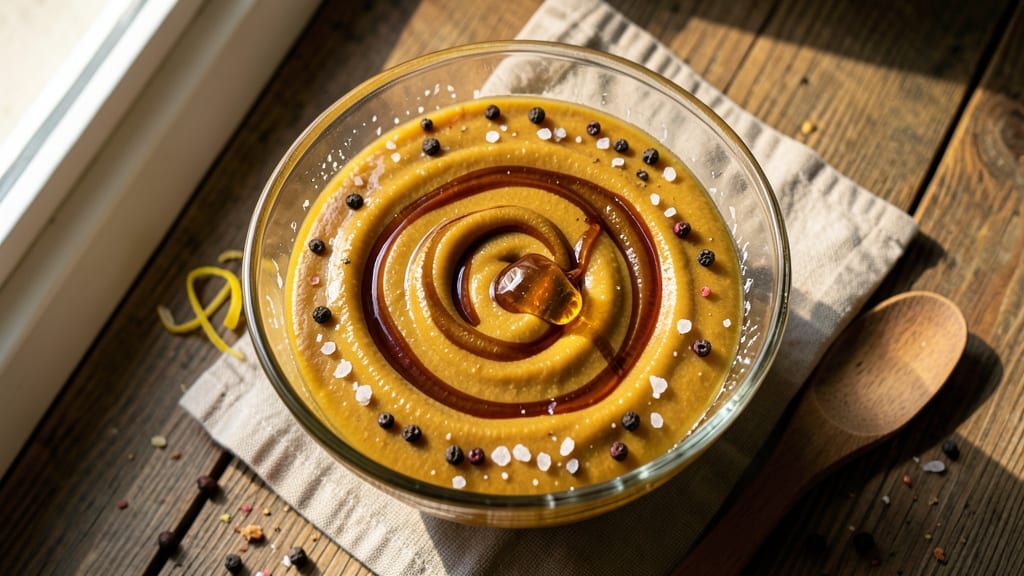
This homemade salad dressing recipe delivers the best balance of acid, oil, and flavor you'll ever taste—creamy yet tangy, with a velvety texture that clings perfectly to greens. 💛 The secret lies in a precise ratio of ingredients and a foolproof emulsification technique that requires no blender or special equipment, just a whisk and a jar.
I've perfected this over years of testing, and it's now my go-to for everything from crisp Caesar salads to hearty grain bowls.
The foundation is simple: high-quality olive oil, tangy vinegar, Dijon mustard for depth, and a touch of honey to mellow the acidity.
What sets this apart is the emulsification method—adding a small amount of warm water to the mustard first creates a stable base that won't separate, even after days in the fridge. The result is a dressing that's rich enough to satisfy but bright enough to let your vegetables shine.
What makes this the best homemade salad dressing is its versatility—use it as-is for a classic vinaigrette, or stir in yogurt or mayo for a creamy variation. The flavor profile is sophisticated enough for dinner salads but simple enough for everyday lunches.
Once you taste the difference between this and store-bought, you'll never go back.
With just five ingredients and 10 minutes of prep, you'll have dressing that lasts for up to two weeks in the fridge. The instructions are straightforward, but the results are restaurant-quality—proof that homemade really does taste better.
Let's get started on the recipe that will change how you dress salads forever.
Ingredients for best homemade salad dressing recipe ever
Five ingredients, one perfect balance—this is your new go-to dressing game-changer.
| Ingredient | Amount | Notes |
|---|---|---|
| Extra-Virgin Olive Oil 🫒 | ¾ cup | High-quality, fruity variety |
| Red Wine Vinegar 🍷 | ⅓ cup | Bold, dry flavor preferred |
| Dijon Mustard 🌶️ | 2 tbsp | For emulsification and depth |
| Raw Honey 🍯 | 2 tbsp | Mellows acidity beautifully |
| Diamond Crystal Kosher Salt 🧂 | 1 tsp | Fine grain preferred |
| Freshly Ground Black Pepper 🌶️ | ½ tsp | Freshly cracked for best flavor |
| Warm Water 💧 | 2 tbsp | Helps emulsify the dressing |
The olive oil is non-negotiable here—look for extra-virgin with a bold, fruity profile. Trader Joe's and Whole Foods carry excellent options, but any reputable brand with a harvest date within the last year works. The vinegar should be dry and tangy—Bragg or Bertolli are solid choices. Dijon mustard gives that signature depth, but if you're out, whole-grain mustard at half the amount works too. Honey should be raw and liquid—Manuka or clover both shine here. Pro tip: Warm the water slightly before adding to the mustard—this helps create that velvety texture.
No honey? Maple syrup or agave works in a pinch, though honey's floral notes are ideal. Swap red wine vinegar for apple cider vinegar if you prefer a sweeter tang, but cut the amount to 0.25 cup to keep balance. Olive oil shortages? Avocado oil is a great neutral substitute. For extra creaminess, stir in 1 tbsp plain Greek yogurt after emulsifying. The salt and pepper are simple but critical—Diamond Crystal is my go-to because it dissolves perfectly, but any fine sea salt works. Freshly cracked pepper adds a nice bite that pre-ground can't match.
This keeps like a dream—up to 2 weeks in the fridge, sealed tightly. I double the batch and store it in two small jars so it's always ready. The emulsification trick means it won't separate, even after days. For extra flavor development, let it sit overnight before using. Freezes beautifully too—just thaw in the fridge before shaking. The warm water trick is worth repeating: this is what makes the magic happen, so don't skip it!
Why You'll Love This Recipe
- I’ll be real: this costs nothing compared to store-bought. A little olive oil goes a long way, and the other ingredients? Pantry staples. Plus, I can adjust the ratios—more honey for dessert salads, less for savory dishes. No waste, just flavor.
- Five-Ingredient Magic: Honestly, I swear by this combo—just oil, vinegar, mustard, honey, and salt. No fancy gadgets, no measuring cups that make you question your life choices. The honey cuts the acidity while the Dijon mustard adds that je ne sais quoi without overpowering.
- Balanced Every Time: Here’s what sold me—the way the red wine vinegar’s tang and the olive oil’s richness play off each other. The honey isn’t just sweet; it’s the secret bridge that keeps the dressing from being too sharp or too flat. (Yes, even on a Tuesday night when I’m too tired to think.)
- Weeknight Workhorse: Between us, this is my go-to for salads, roasted veggies, or even drizzled over grilled chicken. I make a big batch on Sundays, and it lasts—no sad, watery dressing here. The salt and honey keep it shelf-stable for days, so I’m not scrambling last-minute.
Step-by-step instructions for perfect homemade dressing
Here's how to create a velvety, restaurant-quality dressing that stays emulsified for days.
👨🍳 Step 1: Whisk Vinegar and Mustard Together
In a medium bowl, combine the 0.33 cup Red Wine Vinegar and 2 tbsp Dijon Mustard. Use a sturdy whisk and work in small circles for 30 seconds until completely smooth. You're creating a stable base that will help emulsify the oil later. The mustard adds depth and helps bind the dressing, preventing separation.
This step is crucial because the acid in the vinegar needs to be fully incorporated with the mustard before adding the oil. I like to use a whisk instead of a fork here—it creates more air and helps with the emulsification process. The mixture should look like a thick, pale yellow paste with no streaks of mustard remaining.
🍳 Step 2: Gradually Add the Olive Oil
With the whisk still in the bowl, very slowly drizzle in the 0.75 cup Extra-Virgin Olive Oil while continuing to whisk vigorously. Add it in a thin, steady stream—about 1 teaspoon at a time—to give the dressing time to emulsify properly. This gradual addition prevents the oil from overcoming the vinegar mixture and creating a greasy separation.
You'll notice the mixture will temporarily break and then re-emulsify as you whisk. This is normal! Keep whisking for 2-3 minutes after all the oil is incorporated until the dressing becomes thick and creamy. The key here is patience—the more you whisk, the more stable your dressing will be. I promise, it's worth the effort for that silky texture.
🍯 Step 3: Incorporate Sweetness and Seasoning
Add the 2 tbsp Raw Honey, 1 tsp Diamond Crystal Kosher Salt, and 0.5 tsp Freshly Ground Black Pepper to the dressing. Whisk everything together for 1 full minute until the honey is completely dissolved and the salt and pepper are evenly distributed. The honey will help balance the acidity of the vinegar while adding a lovely sweetness that rounds out the flavors.
Here's where it gets fun—taste the dressing and adjust the seasoning if needed. You might want to add a tiny bit more salt or pepper, or even a splash more vinegar if it's too sweet. Remember, you can always adjust, but you can't take out what you've already added. The dressing should taste tangy, slightly sweet, and well-seasoned—like it's ready to eat on its own!
💧 Step 4: Add Warm Water for Emulsification
This is the secret step that makes all the difference! Add the 2 tbsp Warm Water to the dressing and whisk vigorously for 1-2 minutes until the mixture becomes completely smooth and velvety. The warm water helps break down the oil molecules, creating an ultra-stable emulsion that won't separate for days. It's like magic in a bowl!
I know it seems weird to add water to salad dressing, but trust me—this is what transforms a good dressing into an exceptional one. The water acts as an emulsifier, helping the oil and vinegar molecules bond together permanently. After adding the water, give the dressing one final taste. It should be perfectly balanced—tangy from the vinegar, rich from the oil, sweet from the honey, and well-seasoned.
⏰ Step 5: Let It Rest and Store Properly
Transfer the dressing to a clean, airtight jar or container. Let it sit at room temperature for at least 30 minutes before using. This resting period allows all the flavors to meld together and the emulsion to fully stabilize. The longer it sits, the better it tastes—so if you can wait 1-2 hours, even better!
For best results, store your dressing in the refrigerator. It will keep for up to 2 weeks without separating, making it perfect for meal prep. When you're ready to use it, give it a good shake before pouring—this helps maintain that velvety texture. This dressing is so good, you'll want to drizzle it on everything from salads to grilled meats and even roasted vegetables!
Pro Tips For Making Best Homemade Salad Dressing Recipe Ever
- Whisk Slow to Start: I learned this the hard way—dumping all ingredients at once and going full speed just makes mustard lumps fight back. Start with the oil and vinegar, whisking steadily until they’re half-emulsified, then add mustard and honey in stages. This gives the Dijon time to blend smoothly instead of rebelling like a stubborn toddler.
- Salt Before Mixing: Diamond Crystal kosher salt dissolves faster when added before the honey—trust me, I’ve tried both ways. Sprinkle it into the wet ingredients first, then whisk it into the oil-vinegar base. This prevents gritty surprises later and lets the salt’s flavor meld evenly.
- Honey Last, Not First: Sounds weird, but it works: add raw honey after the mustard and vinegar have had a chance to mellow. If you toss it in early, it’ll turn your dressing into a sticky syrup faster than you can say “overly sweet.” Wait until the base is smooth, then drizzle it in while whisking.
- Shake It After 10 Minutes: This isn’t the prettiest method, but it’s the tastiest. Let your dressing sit for 10 minutes—yes, even if you’re impatient like me—and then give it a good shake. The flavors marry better, and any separation (which happens) will re-emulsify instantly. No one will know your secret.
Best sauces and condiments for this dish
Classic Vinaigrette
This is the foundation of your dressing—a bright, tangy vinaigrette that works perfectly with leafy greens, grain bowls, and grilled vegetables. The red wine vinegar and Dijon mustard create a bold flavor while the extra-virgin olive oil adds richness.
For a lighter version, reduce the oil to 0.5 cup and add 1 tbsp lemon juice to brighten the acidity. 🌿
Creamy Ranch Twist
Transform your dressing into a creamy ranch by whisking in 2 tbsp plain Greek yogurt or mayonnaise after emulsification. Add ½ tsp dried dill and ¼ tsp garlic powder for that signature ranch flavor.
This version is ideal for potato salads, coleslaw, or as a dip for veggie sticks. For extra creaminess, use ¼ cup sour cream instead of yogurt.
Honey Mustard Dressing
Boost the sweetness for a honey mustard variation by doubling the honey to 4 tbsp and adding 1 tsp apple cider vinegar. This version pairs beautifully with fried chicken, roasted sweet potatoes, or as a glaze for grilled meats.
For a smoky kick, add ½ tsp smoked paprika or a dash of hot sauce. The extra honey balances the acidity perfectly.
Herb-Infused Variations
Fresh herbs elevate this dressing to new heights. For a basil pesto twist, blend ¼ cup fresh basil and 1 clove garlic into the dressing after emulsification. For a citrusy twist, add 1 tbsp orange zest and 1 tsp fresh thyme.
These variations work especially well with Mediterranean-inspired dishes or summer salads. Store herb-infused dressings for up to 5 days to preserve freshness.
Spicy Chipotle Dressing
Add heat with 1 tsp chipotle powder or ½ tsp cayenne pepper for a smoky, spicy kick. For extra depth, stir in 1 tsp adobo sauce from a can of chipotles. This version pairs perfectly with tacos, nachos, or spicy grilled meats.
If you prefer a milder heat, reduce the cayenne to ¼ tsp and add ½ tsp ground cumin for warmth without the burn. 🌶️
Nutty Tahini Dressing
For a Middle Eastern-inspired twist, replace half the olive oil with ¼ cup tahini and add 1 tsp lemon juice. This version has a rich, nutty depth that works beautifully with falafel, hummus, or roasted vegetables.
For extra creaminess, whisk in 1 tbsp water to thin slightly. Store tahini dressings in the fridge for up to 10 days due to the tahini's natural preservation properties.
Nutrition facts
Frequently asked questions
Why does this dressing stay emulsified better than others?
The secret lies in the warm water trick—adding 2 tbsp warm water to the mustard-vinegar base creates a stable emulsion that won't separate. Most store-bought dressings use thickeners like xanthan gum, but this method relies on science: warm water helps break down oil molecules, creating a velvety texture that lasts 2 weeks in the fridge.
Can I make this dressing without a whisk?
Use a hand mixer or even a fork in a pinch, but whisking is ideal for incorporating air and creating that silky texture. For the best results, add oil 1 tsp at a time while mixing continuously. If you're short on time, blend all ingredients in a mini food processor for 10 seconds—just be sure to add the water last.
What if my dressing separates after refrigeration?
Give it a good shake before using—this dressing is designed to stay emulsified, but if it does separate, whisk it vigorously for 1-2 minutes to re-emulsify. For stubborn separation, add 1 tsp Dijon mustard or ½ tsp cornstarch mixed with 1 tsp water, then whisk until smooth. Most separation happens if the dressing sits too long before whisking.
How can I adjust this for vegan or gluten-free diets?
For vegan, simply swap the honey for maple syrup and use vegan mayo or silken tofu (blended) for creaminess. For gluten-free, ensure your Dijon mustard is certified GF (most brands are) and use tapioca vinegar if needed. The base recipe is naturally gluten-free and vegan-friendly with these swaps.
What’s the best way to use up leftover dressing?
Drizzle it over grilled chicken, roasted veggies, or even popcorn for a flavor boost! Thin with 2 tbsp water to use as a marinade for 15-30 minutes before cooking. Or reduce it by simmering ¼ cup in a saucepan for 3-5 minutes to create a tangy glaze for meats. The possibilities are endless—don’t waste it!