
Sauces & Condiments
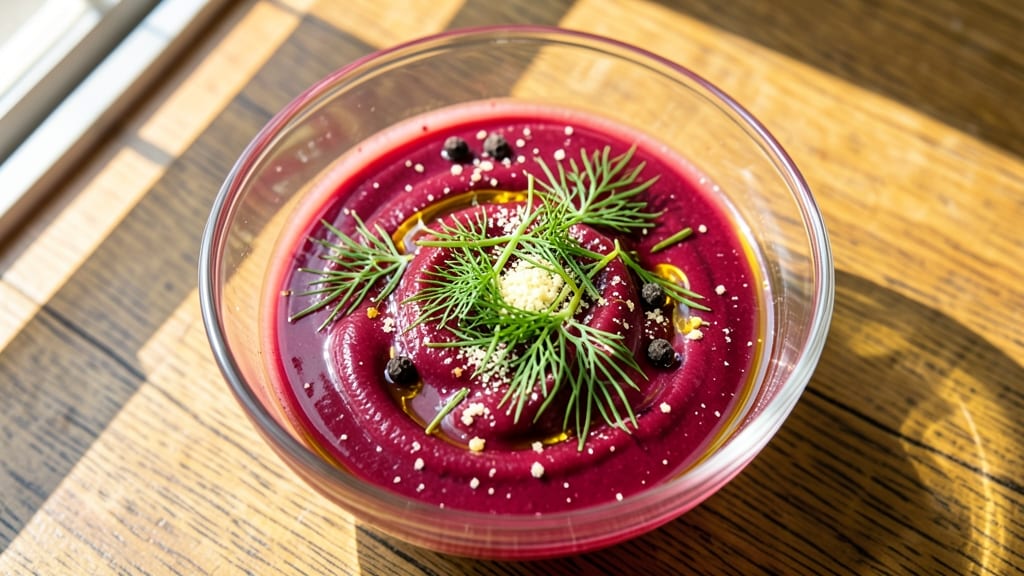
This beet juice salad dressing recipe transforms simple ingredients into a vibrant, earthy-sweet condiment that elevates every dish. The deep pink hue and balanced flavors—where tangy apple cider vinegar meets the natural sweetness of beets—make it a standout for salads, grains, and roasted vegetables.
What sets this apart is how the beet juice infuses the dressing with nutrients while maintaining a clean, bright profile that doesn’t overpower.
The recipe relies on a simple base of beet juice, olive oil, and vinegar, but it’s the herbs and seasonings that create depth. Fresh dill and a pinch of black pepper add brightness, while a touch of garlic powder enhances complexity.
Unlike store-bought dressings, this version stays fresh for up to a week in the fridge, making it perfect for meal prep.
What you’ll end up with is a dressing that’s rich in color and flavor, with a texture that clings beautifully to greens, grains, and proteins.
The earthy sweetness of the beets pairs perfectly with sharp vinegar, creating a balance that works equally well on arugula salads or as a drizzle over roasted sweet potatoes. It’s a versatile, nutrient-packed addition to any meal.
For best results, whisk the ingredients together just before serving to preserve the vibrant color and freshness. Store any leftovers in an airtight container, and use within five to seven days.
This dressing isn’t just a condiment—it’s a way to add a pop of color and nutrition to your dishes effortlessly.
Ingredients for beet juice salad dressing
Eight simple ingredients transform into a nutrient-rich dressing with vibrant color and balanced flavor.
| Ingredient | Amount | Notes |
|---|---|---|
| Beet Juice 🍠 | ½ cup | Freshly bottled, no added sugar |
| Extra-Virgin Olive Oil 🫒 | ½ cup | Light or fruity variety preferred |
| Apple Cider Vinegar 🍎 | ¼ cup | Raw and unfiltered for depth |
| Fresh Dill 🌿 | ¼ cup | Chopped, stems removed |
| Garlic Powder 🧄 | ½ tsp | Freshly ground preferred |
| Black Pepper 🌶️ | ¼ tsp | Freshly cracked for intensity |
| Maple Syrup 🍁 | 1 tbsp | Pure, Grade B for richness |
| Sea Salt 🧂 | ½ tsp | Diamond Crystal preferred |
The beet juice is the heart of this recipe, so opt for high-quality bottled juice—avoid anything with added sugar or preservatives. Trader Joe's and Whole Foods carry excellent options, or make your own by juicing fresh beets. The apple cider vinegar should be raw and unfiltered for that tangy depth. Fresh dill is ideal, but if you're using dried, reduce to one-quarter the amount. For garlic powder, Penzeys or bulk bins at natural grocery stores offer the best quality. The olive oil matters too—use a light or fruity variety to complement the earthy beets without overpowering.
No beet juice? Freshly juiced carrots or red cabbage work in a pinch, though the color won't be as vibrant. Swap maple syrup for agave or date syrup if preferred, but maple adds a subtle caramel note. Short on fresh dill? Fresh parsley at half the amount gives a milder brightness. The black pepper should be freshly cracked—pre-ground loses potency quickly. For a smoother texture, blend the dressing briefly after whisking. If you prefer a thinner consistency, add 1-2 tbsp water or vegan broth to taste.
Store the dressing in an airtight glass jar in the fridge, where it'll keep for 5-7 days. The color may darken slightly over time, but the flavor stays bright. For best results, whisk before each use to redistribute the herbs and oil. This dressing pairs beautifully with roasted vegetables, grains like quinoa, and leafy greens—just drizzle and enjoy. Freezing isn't recommended, as the texture may separate.
Why You'll Love This Recipe
- No-Fuss Whisking: I swear by this recipe because it’s literally three ingredients plus herbs—no blender, no straining, just a quick shake in a jar. The beet juice adds color instantly, and the vinegar cuts through the richness of the olive oil without any fuss.
- Earthy Garlicky Magic: That first tangy bite? The garlic powder and dill turn this into something way more exciting than basic vinaigrette. The beet juice gives it this deep, almost smoky sweetness, and the vinegar keeps it bright—like a fancy salad dressing without the pretension.
- Weeknight Superstar: I keep a bottle of this in the fridge for lazy nights when I toss it on anything: roasted veggies, grilled chicken, even scrambled eggs. It’s the kind of dressing that makes a simple meal feel intentional, and it’s ready in under five minutes.
- Budget Brightener: Between us, beet juice is cheap—way cheaper than store-bought dressings with weird additives. A little goes a long way, and the leftovers? They last for days. Honestly, it’s my secret for making salads feel special without breaking the bank.
Step-by-step instructions for earthy beet-inspired dressing
This vibrant dressing comes together in minutes with no cooking required.
Whisk Together the Wet Ingredients
In a medium bowl, combine the 0.5 cup beet juice, 0.5 cup extra-virgin olive oil, and 0.25 cup apple cider vinegar. I like to use a whisk for this step—it creates a smooth emulsion right away. The beet juice will start to deepen in color as you mix, which is your first visual cue that everything is coming together.
Add the 1 tablespoon maple syrup and 0.5 teaspoon sea salt to the mixture. The maple syrup helps balance the earthiness of the beets with subtle sweetness, while the salt enhances all the flavors. Stir well until the syrup and salt dissolve completely—you should see a uniform, slightly thickened liquid. This is the base of your dressing, and it should have a rich, ruby-red hue from the beet juice.
Incorporate the Fresh Dill and Seasonings
Next, add the 0.25 cup chopped fresh dill, 0.5 teaspoon garlic powder, and 0.25 teaspoon black pepper to the bowl. The fresh dill brings a bright, herbal note that cuts through the richness of the olive oil, while the garlic powder and black pepper add depth and warmth. Use a fork or small whisk to gently fold these ingredients into the dressing—you don’t want to overmix, as this could break down the dill too much and make the texture coarse.
Taste the dressing at this stage. It should be tangy from the vinegar, slightly sweet from the maple syrup, and earthy from the beet juice. If it needs more acidity, add a splash of extra apple cider vinegar. If it feels too thick, thin it with a teaspoon of water or a bit more beet juice. The dressing should coat the back of a spoon smoothly but still have a vibrant, almost syrupy consistency.
Let the Flavors Marinate (Optional but Recommended)
For the best flavor, let the dressing sit at room temperature for at least 10 minutes before using. This allows the beet juice to fully infuse with the olive oil and the garlic powder to mellow slightly. I often make this dressing a day ahead—it actually tastes even better after resting, as the flavors meld together more deeply. If you’re short on time, you can use it immediately, but the longer it sits, the more complex and balanced it becomes.
Before serving, give the dressing one final stir to ensure all the ingredients are evenly distributed. The color should be a stunning deep pink or ruby red, and the texture should be silky and smooth. If you notice any separation, simply whisk it vigorously for another 30 seconds to re-emulsify. This dressing is incredibly versatile—drizzle it over greens, toss it with roasted vegetables, or use it as a dip for crusty bread.
Pro Tips For Making Beet Juice Salad Dressing
- STRAIN THE BEET JUICE: That gritty sediment in store-bought beet juice? It turns your dressing into a textured mess. Strain it through a fine-mesh sieve or cheesecloth—even if it’s "pre-made," take 30 seconds to do this. I learned this the hard way after serving a dressing that looked like it had sand in it.
- SALT THE GARLIC POWDER: Garlic powder loses its punch over time. Before mixing, sprinkle a pinch of fine sea salt directly into it—this wakes up the flavor and balances the dressing. (Yes, even if your recipe doesn’t call for extra salt.) I was skeptical until I tried it; now I do it automatically.
- WHISK IN STAGES: Dump all ingredients in at once, and you’ll end up with a separated dressing. Start with the beet juice and vinegar, whisk until smooth, then slowly drizzle in the olive oil while whisking continuously. This isn’t the prettiest method, but it’s the tastiest—no breaking later.
- USE COLD DILL STEMS: Toss the dill stems into the dressing instead of just the leaves. They’re packed with flavor and stay crisp longer than the leaves. Chop them finely—no one will notice, but your dressing will taste deeper. I skip this when I’m lazy, but the dish is noticeably better when I don’t.
Essential equipment for this dish
Basic Mixing Tools
You don’t need fancy equipment—just a medium-sized mixing bowl and a whisk or fork. I prefer a glass bowl because it lets you see the vibrant color develop as you mix.
A small glass jar with a tight-sealing lid works perfectly for storage too. For the fresh dill, a sharp chef’s knife and cutting board are essential for clean, even chopping. 🌿
Precision Measuring
Accurate measurements make all the difference. Use a liquid measuring cup for the beet juice, olive oil, and vinegar to ensure consistency. For the dry ingredients like garlic powder and black pepper, a small measuring spoon set keeps things precise.
I swear by OXO Good Grips for their ergonomic design—no more spills or guesswork. A fine-mesh strainer comes in handy if you’re using fresh dill with stems.
Storage Containers
Store your dressing in an airtight glass jar to preserve freshness and prevent oxidation. Mason jars are ideal—they’re sturdy, stackable, and keep light out. Avoid plastic containers, as they can absorb flavors and odors over time.
Label your jar with the date to track freshness. For portability, a small glass squeeze bottle lets you drizzle directly over salads without mess. ❄️
Optional Blender
If you prefer a smoother texture, a small immersion blender or countertop blender works wonders. Pulse briefly to emulsify the ingredients without over-blending, which can turn the dressing too thin.
I use my Ninja Mini Blender for quick, effortless blending. For a more rustic texture, skip blending entirely—just whisk vigorously. The choice depends on your preferred consistency!
Flavor Testing Tools
Taste as you go! A small spoon or tasting spoon is perfect for sampling. Keep a small bowl of water nearby to rinse your spoon between tastes—this keeps flavors clean. For adjusting seasoning, a tiny squeeze bottle with extra vinegar or maple syrup on hand saves time.
I also keep a pinch bowl with sea salt nearby for quick tweaks. 💡
Nutrition facts
Frequently asked questions
Can I substitute beet juice with another ingredient?
Yes! If you can't find beet juice, try 1/4 cup fresh carrot juice or 2 tablespoons red cabbage juice for a milder color. For flavor, swap in 1 tablespoon pomegranate molasses—it adds depth without the same vibrant hue. The dressing will still taste delicious but won't have the signature pink color.
How do I adjust the thickness of this dressing?
Start with the recipe as written, then thin it with 1-2 teaspoons water or vegan broth for a lighter drizzle. For extra thickness, add 1 teaspoon ground flaxseed mixed with 3 teaspoons water (let it sit for 5 minutes to gel). Always whisk after adjustments to re-emulsify.
What's the best way to store leftovers?
Transfer to an airtight glass jar and refrigerate for up to 5-7 days. The color may darken slightly, but flavor stays bright. For best texture, whisk before each use. Freezing isn't recommended—the beet juice can separate when thawed.
Can I make this dressing nut-free?
This recipe is already nut-free, but double-check your olive oil label if you have severe allergies. For extra safety, use a dedicated nut-free oil like avocado or sunflower oil. The dressing's flavor remains unchanged.
What are the best salads to pair with this dressing?
This dressing shines on bitter greens like arugula or kale, roasted beets, or quinoa bowls. It also works beautifully with shaved fennel and citrus segments. The earthy sweetness balances spicy dishes too—try it with jicama slaw or grilled tofu.