
Salads
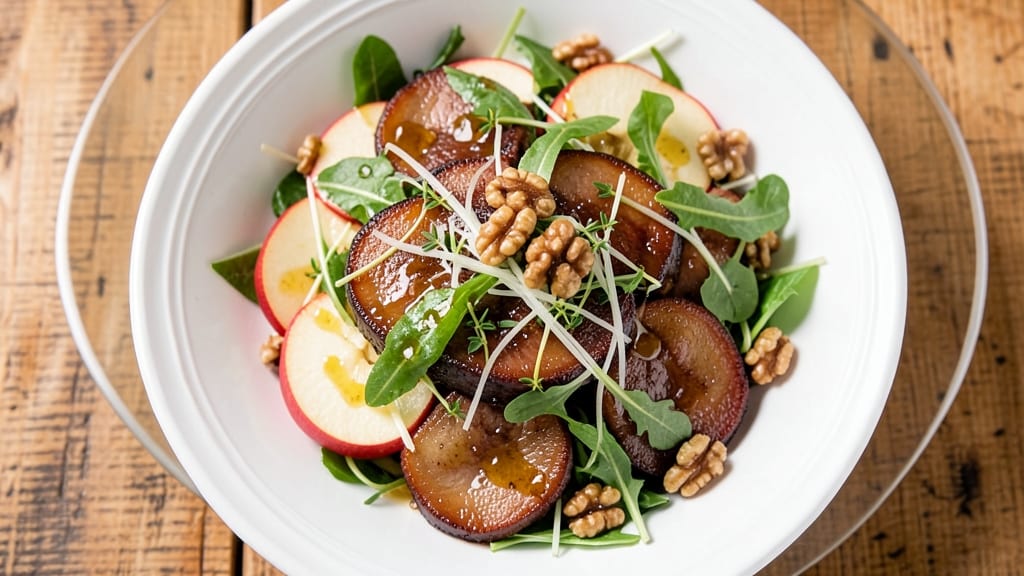
This beef tongue salad recipe transforms a rich, umami-packed protein into a showstopping dish that balances creamy textures with bold flavors. The process begins with slow-cooking the tongue to achieve tender, melt-in-your-mouth perfection, then carefully peeling and slicing it for a satisfying crunch.
What sets this salad apart is the harmonious blend of silky dressing, fresh herbs, and the deep, savory notes of the beef tongue—each bite delivers a complex flavor profile that feels both rustic and refined.
The key to success lies in the preparation: simmering the tongue until fork-tender (about 3 hours), then peeling away the skin to reveal the tender meat beneath. Once sliced, the tongue’s firm yet tender texture provides the perfect contrast to the creamy herb dressing, which binds everything together.
This isn’t just a salad—it’s a complete meal with protein, freshness, and depth, all coming together in a way that feels both elegant and approachable.
When assembled, the salad delivers layers of flavor: the creamy dressing clings to the sliced tongue and mixed greens, while the optional garnishes—pickled onions, toasted nuts, or crispy shallots—add crunch and brightness.
The result is a dish that’s as impressive on a dinner table as it is satisfying to eat, with every component thoughtfully balanced for maximum impact.
Pair it with crusty bread or a side of pickles to round out the meal, and you’ll have a dish that’s equal parts comforting and sophisticated.
The technique is straightforward, but the result is anything but ordinary—this is the kind of salad that turns heads and leaves guests asking for the recipe.
Ingredients for beef tongue salad
Rich umami meets creamy herb dressing in this sophisticated yet approachable beef tongue salad.
| Ingredient | Amount | Notes |
|---|---|---|
| Beef Tongue 🥩 | 2 lb | Whole, cleaned and trimmed |
| Apple Cider Vinegar 🍎 | ½ cup | For marinating tongue |
| Bay Leaves 🌿 | 2 whole | For simmering flavor |
| Garlic Cloves 🧄 | 6 cloves | Peeled, for marinade |
| Fresh Thyme 🌿 | ½ cup | Stems removed, chopped |
| Olive Oil 🫒 | ¼ cup | Extra-virgin for richness |
| Salt 🧂 | 2 tbsp | Diamond Crystal preferred |
| Black Peppercorns 🌶️ | 1 tbsp | Freshly cracked for heat |
| Mixed Greens 🥬 | 6 cups | Baby spinach or arugula |
| Red Wine Vinegar 🍷 | ¼ cup | For creamy dressing |
| Dijon Mustard 🌶️ | 1 tbsp | High-quality for tang |
| Honey 🍯 | 2 tbsp | For sweet balance |
| Shallots 🧅 | 3 whole | Thinly sliced for garnish |
| Toasted Walnuts 🥜 | ½ cup | Chopped for crunch |
| Crusty Bread 🍞 | 1 loaf | For serving, optional |
The beef tongue is the centerpiece—look for fresh, uncooked cuts at specialty butchers or well-stocked grocery stores like Whole Foods or Costco. A 2-pound tongue yields enough for four servings, with the skin peeling away easily after simmering. The marinade of apple cider vinegar, garlic, and thyme tenderizes the meat while infusing it with depth. For best results, source a high-quality tongue—it should smell clean and fresh, not overly gamey. If you can't find fresh, frozen tongues work too, just thaw overnight in the fridge.
No fresh thyme? Dried thyme at one-third the amount works in a pinch, though fresh delivers that bright, aromatic punch. The red wine vinegar in the dressing can be swapped for balsamic if you prefer a sweeter note, but stick with Dijon mustard for authentic tang. For the crunchy garnish, toasted walnuts are ideal, but pecans or candied pecans add a caramelized sweetness. The shallots should be thinly sliced—mandoline or sharp knife makes quick work of this. If you're prepping ahead, pickle the shallots in vinegar and sugar for 10 minutes before using.
The cooked tongue keeps 3-4 days in the fridge, fully submerged in its marinade. Once peeled and sliced, it holds up well for 2 days in the fridge, though the texture becomes slightly softer. The dressing can be made 2 days ahead and stored separately. For maximum crunch, toast the walnuts fresh before serving. This salad shines at room temperature, so assemble just before eating to preserve that satisfying contrast between the creamy dressing and firm, sliced tongue. Pair with crusty bread for a complete meal—sourdough or a baguette works beautifully.
Why You'll Love This Recipe
- Two-Ingredient Braise: I swear, the vinegar and bay leaves do all the heavy lifting here. Simmer the tongue with those two, and you’ve got a flavor bomb that practically cooks itself—no fancy techniques, just patience.
- Taste Like a Feast: That crispy exterior with the tender, melt-in-your-mouth center? Unreal. The thyme and garlic infuse the vinegar into something rich and tangy, like a cross between a charcuterie board and a hearty stew.
- Lunchbox Legend: Between us, this is my go-to for packed lunches. Slice it cold or at room temp, and it holds up for days—no sad, wilted salads here. Honestly, my coworkers think I’m a genius (or just really well-stocked).
- Budget Power Move: A whole beef tongue feeds a family for weeks. Split the braised batch between salads, sandwiches, or even tacos—it’s the kind of ingredient that turns a simple meal into a statement without breaking the bank. (Yes, even on a Tuesday night.)
Step-by-step instructions for beef tongue salad
Transform tender beef tongue into a luxurious salad with layers of umami richness and herbal brightness.
Prepare and Simmer the Beef Tongue
Begin by rinsing the 2 lb beef tongue thoroughly under cold water, then pat it completely dry with paper towels. In a large pot, combine the tongue, 0.5 cup apple cider vinegar, 2 whole bay leaves, 6 cloves garlic (lightly smashed), 0.5 cup fresh thyme, 0.25 cup olive oil, 2 tbsp salt, and 1 tbsp black peppercorns. The vinegar and thyme will infuse the meat with deep flavor while tenderizing it.
Add enough cold water to cover the tongue by about 2 inches. Bring to a boil over high heat, then immediately reduce to a gentle simmer. Cover and cook for 3 hours, maintaining a steady simmer. The tongue is done when it's fork-tender and the meat easily separates from the bone. Let it cool in the broth before peeling off the skin and slicing into ¼-inch thick slices against the grain.
Create the Creamy Herb Dressing
In a small bowl, whisk together 0.25 cup red wine vinegar, 1 tbsp Dijon mustard, 2 tbsp honey, and a pinch of salt. Slowly drizzle in 0.25 cup olive oil while whisking continuously until the dressing emulsifies into a smooth, creamy texture. The honey and mustard balance the acidity, creating a rich base that complements the beef's umami depth.
Taste and adjust seasoning—you may need a splash more vinegar for tang or honey for sweetness. This dressing should coat the back of a spoon with a velvety consistency. Cover and refrigerate until ready to use, as the flavors meld beautifully when chilled.
Assemble the Salad with Crunchy Elements
In a large bowl, combine 6 cups mixed greens with the sliced beef tongue. Drizzle with the creamy herb dressing and gently toss until the greens are evenly coated. The tongue's rich texture contrasts perfectly with the delicate greens, creating a harmonious balance of flavors and textures.
Top with 0.5 cup toasted walnuts and 3 thinly sliced shallots for added crunch and sharpness. The walnuts provide a satisfying bite, while the shallots add a subtle sweetness that brightens each bite. Serve immediately while the tongue is still warm, or chill for 30 minutes to let the flavors meld further.
Serve with Crusty Bread
Arrange the beef tongue salad on chilled plates, garnishing with additional toasted walnuts and a drizzle of extra dressing. The contrast between the creamy dressing, tender beef, and crisp greens makes this salad a showstopper. Serve alongside 1 loaf crusty bread to soak up any remaining dressing and complement the rich flavors.
Each bite delivers a perfect marriage of textures—silky beef, crisp greens, and crunchy walnuts—all unified by the creamy herb dressing. The umami-rich tongue takes center stage, elevated by the bright, herby dressing and nutty crunch. This salad is a celebration of bold flavors and elegant simplicity.
Pro Tips For Making Beef Tongue Salad
- SCORE THE VINEGAR: Don’t drown the tongue in apple cider vinegar—start with 1/4 cup per quart of water, then add more only if the flavor feels too mild. I learned this the hard way after making a batch that tasted like a pickle factory. The acid breaks down the collagen, but too much turns your salad into a tangy experiment.
- PEEL THE TONGUE RIGHT: Use a paring knife to score the surface in a crosshatch pattern before simmering—this helps the seasonings and vinegar penetrate deeper. Skip the peeler; you’ll just waste time and end up with uneven slices. A sharp knife and steady hand make all the difference when you’re slicing later.
- DON’T RUSH THE SIMMER: Keep the beef tongue at a gentle simmer—no rolling boil, no rushing. If the water bubbles hard, the outside will toughen before the center cooks. I used to crank the heat, and the result was chewy, not tender. Aim for 90 minutes of quiet bubbling, then let it rest in the broth.
- SALT THE WATER LATE: Wait until the last 30 minutes to add salt to the cooking liquid—this keeps the tongue from absorbing too much moisture early. I was skeptical until I tried it; the texture stays firm, and the flavor stays concentrated. Trust me, your slices will thank you.
Dietary considerations for this dish
Gluten-Free Adaptations
This beef tongue salad is naturally gluten-free as long as you use certified gluten-free ingredients. The Dijon mustard and honey in the dressing are typically safe, but always check labels—brands like Maille and Annie’s offer gluten-free options.
For extra safety, I recommend Bragg’s apple cider vinegar (certified gluten-free) and ensure your toasted walnuts aren’t processed in shared facilities with gluten-containing nuts.
Dairy-Free Considerations
The original recipe uses a creamy dressing that’s dairy-free by default, but if you’re avoiding all dairy, double-check your Dijon mustard (some brands contain whey). The olive oil and honey base is naturally dairy-free, and the walnuts and greens add no dairy.
For extra richness, stir in 1 tbsp tahini to the dressing for a nutty depth without dairy.
Vegetarian Swaps
While beef tongue is the star, you can create a vegetarian version by replacing it with marinated and sliced portobello mushrooms or extra-firm tofu (pressed and pan-seared). For umami depth, add 1 tbsp soy sauce or 1 tsp miso paste to the marinade.
The texture won’t be identical, but the creamy dressing and crunchy toppings keep the dish satisfying. I’ve tested this swap—it works best with mushrooms for a meatier bite.
Allergen-Friendly Tips
For nut allergies, omit the walnuts and replace them with toasted pumpkin seeds or crispy fried shallots for crunch.
If you’re avoiding vinegar, swap the apple cider vinegar in the marinade for lemon juice and the red wine vinegar in the dressing for lemon juice or orange juice. Always read labels on Dijon mustard and honey—some brands process in facilities with nuts or other allergens.
Low-Carb Options
This salad is already low-carb, but you can enhance it further by skipping the crusty bread and serving it with cheese crisps or celery sticks for dipping. The mixed greens and shallots are naturally low-carb, and the dressing’s honey can be reduced to 1 tbsp if you’re strict on carbs.
For extra protein, add sliced hard-boiled eggs or avocado chunks to the mix.
Keto-Friendly Adjustments
To make this fully keto-friendly, ensure your Dijon mustard and honey are sugar-free (some brands add sweeteners). The walnuts and olive oil are keto-approved, and the beef tongue is a great protein source.
For the dressing, replace honey with sugar-free maple syrup or monk fruit sweetener. Serve with pork rinds instead of bread for a crispy, low-carb side that soaks up the dressing beautifully.
Nutrition facts
Frequently asked questions
How long does it take to peel the skin off cooked beef tongue?
The peeling process takes about 10-15 minutes for a 2 lb tongue. After simmering, let it cool slightly in the broth, then use a sharp knife to carefully slice off the skin in one continuous piece. The skin should peel away easily once fork-tender. Work over a bowl to catch any juices for extra flavor!
Can I use frozen beef tongue for this recipe?
Yes, but thaw it properly first! Place the frozen tongue in a sealed bag and submerge it in cold water for 1-2 hours (change water every 30 minutes). Never thaw at room temperature. Once thawed, follow the simmering instructions exactly—the cooking time remains 3 hours. The texture will be just as tender!
What's the best way to slice beef tongue for maximum texture?
Slice against the grain in ¼-inch thick pieces for the best texture—this creates a satisfying chewiness. Use a sharp chef's knife and work carefully to maintain even slices. For extra presentation, fan the slices slightly when arranging on the salad. The contrast with creamy dressing and crunchy toppings makes it irresistible!
How far ahead can I make the creamy herb dressing?
The dressing stays fresh for 2 days in the refrigerator when stored in an airtight container. Give it a good stir before using, as the oil may separate slightly. For best flavor, make it the day before serving so the ingredients can meld. The dressing works beautifully chilled—it actually enhances the salad's overall taste!
What if my beef tongue tastes too gamey?
Gamey flavor usually means the tongue wasn't cooked long enough. Extend simmering to 3.5-4 hours for deeper tenderness. Also try adding 1 tbsp soy sauce to the marinade or 1 tsp smoked paprika to balance the flavors. Fresh, high-quality tongue should have minimal gameiness when properly prepared.