
Sauces & Condiments
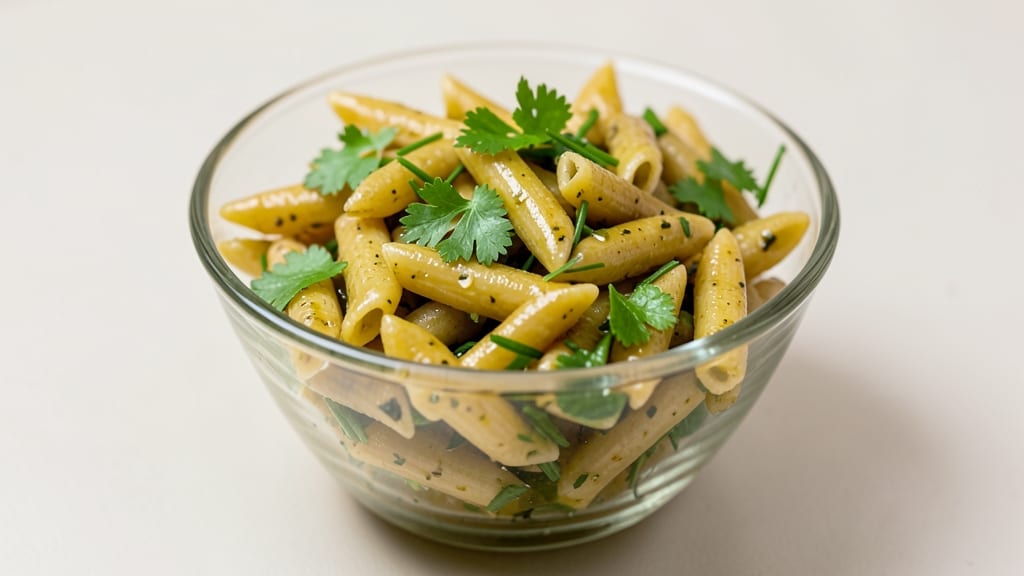
This basic pasta salad dressing recipe transforms ordinary pasta into a vibrant, herb-infused masterpiece without relying on mayo. The secret lies in a bright, balanced blend of olive oil, vinegar, and fresh herbs that clings to every noodle and ingredient, enhancing—rather than overwhelming—their natural flavors.
Professional chefs and home cooks alike swear by this method for its simplicity, versatility, and ability to elevate even the simplest pasta salad into something restaurant-worthy.
The foundation of this dressing starts with high-quality extra-virgin olive oil, which provides richness without heaviness, paired with a sharp vinegar—white wine or apple cider—to create the perfect acidity balance.
Fresh herbs like parsley, basil, and chives add layers of aromatic complexity, while garlic and mustard contribute depth and a subtle tang. What makes this recipe truly special is its adaptability: it works with traditional Italian pasta salads, modern grain bowls, or even as a drizzle for grilled vegetables.
What you’ll achieve is a dressing that’s light yet flavorful, with a texture that coats each strand of pasta without making it soggy. The herbs remain vibrant and fresh-tasting, and the dressing stays stable for days in the refrigerator, making it ideal for meal prep.
Unlike creamy dressings that can turn greasy or separate, this herb-infused oil-based version maintains its integrity and enhances the dish’s overall freshness.
Perfect for picnics, potlucks, or quick weeknight meals, this dressing is a game-changer for anyone looking to add a bright, herby note to their pasta dishes. The ingredients are simple, the technique is foolproof, and the results are consistently impressive.
Let’s get started on creating a dressing that will make your pasta salad the star of the table.
Ingredients for basic pasta salad dressing
Nine simple ingredients create a restaurant-worthy herb-infused oil dressing that elevates any pasta salad.
| Ingredient | Amount | Notes |
|---|---|---|
| Extra-Virgin Olive Oil 🫒 | ¾ cup | High-quality, fruity variety preferred |
| White Wine Vinegar 🍷 | ¼ cup | Sharp, dry vinegar recommended |
| Fresh Flat-Leaf Parsley 🌿 | ½ cup | Chopped finely, stems removed |
| Fresh Basil Leaves 🌿 | ¼ cup | Chopped, stems removed |
| Fresh Chives 🌿 | ¼ cup | Chopped finely, mild flavor |
| Garlic Cloves 🧄 | 3 cloves | Minced finely for depth |
| Dijon Mustard 🌶️ | 1 tbsp | For subtle tang and thickness |
| Sea Salt 🧂 | 1 tsp | Diamond Crystal preferred |
| Black Pepper 🌶️ | ½ tsp | Freshly ground for best flavor |
The olive oil is the star—look for extra-virgin with a fruity, peppery finish at stores like Whole Foods or Trader Joe's. Their bulk section often has excellent options at reasonable prices. Vinegar should be sharp and dry; Bartles & Jaymes white wine vinegar is a reliable choice. Fresh herbs make all the difference: parsley for brightness, basil for sweetness, and chives for mild onion notes. If you're using dried herbs, reduce to one-third the amount and toast them lightly in a dry pan first for deeper flavor.
No white wine vinegar? Apple cider vinegar or lemon juice works well—just increase to 3 tablespoons for similar acidity. Fresh herbs unavailable? Dried oregano or thyme can substitute at half the quantity, but the texture and vibrancy won't be the same. For a smoother dressing, blend the garlic and herbs before mixing with oil. If you prefer a stronger garlic flavor, add an extra clove and let it infuse for 10 minutes before blending. The mustard is key—Dijon adds complexity without overpowering, while regular yellow mustard can make the dressing too thick.
This dressing stays fresh for up to 1 week in an airtight jar in the refrigerator. For longer storage, transfer to a clean, sterilized jar and keep it submerged in oil to preserve the herbs. Portion into small containers for easy use—perfect for meal prep. The dressing thickens slightly when chilled, so give it a quick whisk before using. If it separates, simply stir vigorously to recombine. Trust me, the first time you drizzle this over warm pasta, you'll never go back to mayo-based dressings.
Why You'll Love This Recipe
- No-Chop Needed: I swear by this trick—just roughly tear the parsley, basil, and chives by hand. No knife skills required, and it still packs that bright, herby punch that makes every bite taste fresh.
- Bright & Tangy: The white wine vinegar cuts through the richness of the olive oil like a summer breeze, while the parsley and basil add that just-picked-from-the-garden freshness. Honestly, it’s the kind of dressing that makes you want to eat pasta salad for breakfast.
- Meal Prep MVP: This dressing stays vibrant in the fridge for up to a week, so I toss it with cold pasta, veggies, or grilled chicken whenever I’m short on time. It’s my secret weapon for stress-free lunches—no last-minute dressing disasters.
- Budget-Friendly Luxury: Extra-virgin olive oil and fresh herbs might sound fancy, but a little goes a long way. Between us, this is the most cost-effective way to make your pasta salad feel like a restaurant dish without breaking the bank.
Step-by-step instructions for herb-infused pasta salad dressing
This light, vibrant dressing delivers bright herb flavor without heavy mayo.
Finely Chop All Fresh Herbs
Place the 0.5 cup fresh flat-leaf parsley, 0.25 cup fresh basil leaves, and 0.25 cup fresh chives on a cutting board. Use a sharp chef's knife to chop each herb separately—parsley first, then basil, and finally chives. For parsley and basil, remove stems completely before chopping. The chives should be cut into tiny pieces, almost like confetti, to distribute their mild onion flavor evenly. This step ensures every bite of your pasta salad gets that fresh herb punch.
I like to work in batches: chop half the parsley, then half the basil, then all the chives together. This prevents the herbs from wilting while you finish chopping. The final mixture should be about 1 cup of finely chopped herbs combined. Set these aside in a small bowl while you prepare the other ingredients.
Mince the Garlic and Mix with Mustard
Peel the 3 cloves garlic and mince them into a fine paste using the flat side of your knife. The goal is to create a smooth, almost unrecognizable garlic texture—this prevents any harsh garlic bits in your dressing. Transfer the minced garlic to a small mixing bowl and add the 1 tbsp Dijon mustard. Stir these together until fully combined. The mustard helps emulsify the dressing later and adds a subtle tang that balances the richness of the olive oil.
Here's the thing—don't skip the mincing. Pre-minced garlic from a jar lacks freshness and can make your dressing taste bitter. Freshly minced garlic releases its sweet, mellow flavor perfectly. Let this mixture sit for 2-3 minutes while you prepare the remaining ingredients. This gives the garlic time to mellow slightly and prevents a sharp garlic taste in the final dressing.
Whisk Together Wet Ingredients
In a medium bowl, combine the 0.75 cup extra-virgin olive oil and 0.25 cup white wine vinegar. Add the garlic-mustard mixture and whisk vigorously for 1 minute. The vinegar should cut through the oil slightly, creating a light, tangy base. This is where the magic happens—the acid from the vinegar helps emulsify the oil later when combined with the herbs.
Taste the mixture at this stage. It should be pleasantly sharp with a clean, bright acidity. If it tastes too harsh, add ½ tsp more olive oil to mellow it out. If it's too mild, add ½ tsp more vinegar. The balance here sets the foundation for your dressing, so don't rush this step. The mixture should coat the back of a spoon smoothly without separating.
Fold in Herbs and Season
Add the chopped herbs to the oil-vinegar mixture and stir gently with a wooden spoon. Avoid whisking too vigorously at this stage—you want to keep the herbs intact for texture and color. Sprinkle in the 1 tsp sea salt and 0.5 tsp black pepper, then stir again until everything is evenly distributed. The dressing should now have a vibrant green color with visible herb flecks.
Let the dressing sit for 5 minutes at room temperature. This resting period allows all the flavors to meld together. Taste again and adjust seasoning if needed—most dressings benefit from a final pinch of salt or a crack of pepper. The dressing should be bright, herbaceous, and perfectly balanced between the richness of the olive oil and the acidity of the vinegar.
Store and Use
Transfer the dressing to a clean glass jar or airtight container. It will keep in the refrigerator for up to 5 days, though I find it's best used within 3 days for maximum freshness. When ready to use, give it a good stir—herbs tend to settle at the bottom. This dressing works beautifully on warm or cold pasta salads, grain bowls, or even as a drizzle for roasted vegetables.
For extra flavor, let the dressing sit at room temperature for 10 minutes before using it on warm dishes. The slight warmth brings out the herbal notes and makes the dressing more vibrant. And here's a pro tip: if your dressing separates slightly after refrigeration, just give it a good shake before using—it'll come together perfectly when combined with the pasta or vegetables.
Pro Tips For Making Basic Pasta Salad Dressing
- Measure Vinegar First: Pour the white wine vinegar into your bowl before adding oil—this way, you’ll see exactly how much you’re using and can adjust the ratio to taste. I learned this the hard way by eyeballing it and ending up with something either too sharp or too bland.
- Pulse Herbs, Don’t Chop: Use a knife to smash the flat-leaf parsley and basil leaves against the cutting board instead of finely chopping them—this releases more flavor without turning the dressing into a green paste. (Yes, it looks uneven, but it tastes better.)
- Let It Sit 10 Minutes: Whisk the dressing together, then walk away for 10 minutes before tasting. The flavors meld faster when you give them time, and you’ll avoid the urge to overcorrect with more vinegar or oil.
- Swap Chives for Garlic: If you’re short on chives, finely mince 1 small garlic clove and let it infuse in the oil for 5 minutes before mixing—it adds depth without overpowering. (Skip this if you’re serving to garlic-averse guests.)
Regional styles of this basic pasta salad dressing
Italian Herb Classic
This is my go-to dressing for traditional Italian-inspired pasta salads, especially when paired with penne pasta, cherry tomatoes, and mozzarella balls. The basil takes center stage here, giving it that classic Italian flavor profile.
I often add ½ tsp red pepper flakes for a subtle heat that complements the richness of the olive oil beautifully. For extra authenticity, use Balsamic vinegar instead of white wine vinegar—just reduce the amount to 2 tbsp and add 1 tsp honey to balance the sweetness. 🌿
Mediterranean Lemon Twist
Inspired by Greek flavors, this variation swaps white wine vinegar for lemon juice (about ¼ cup) and adds 1 tbsp finely chopped oregano along with the original herbs.
A pinch of ground coriander (about ¼ tsp) adds an earthy depth that pairs wonderfully with couscous or orzo instead of pasta. This version works perfectly with grilled vegetables and feta cheese in summer salads.
Southern American Vinegar
For a tangier profile, Southern cooks often use apple cider vinegar and add a touch of smoked paprika (about ¼ tsp) to this dressing. I like to include ½ tsp onion powder and ½ tsp celery salt for that classic Southern flavor.
This version pairs beautifully with rotini pasta, black-eyed peas, and corn in a summer potluck-style salad. The smoky notes add a nice contrast to the fresh herbs. 🍗
French Herb Garden
French chefs often create herb-infused oil dressings with a lighter touch. For this variation, reduce the olive oil to ½ cup and add 1 tbsp chopped tarragon along with the original herbs.
A splash of dry vermouth (about 1 tbsp) replaces the vinegar, giving it a sophisticated, slightly boozy note. This dressing shines with butterfly pasta, asparagus, and goat cheese crumbles. The tarragon adds a unique anise-like flavor that elevates the dish to restaurant quality.
Spicy Asian Fusion
For a bold twist, add 1 tbsp rice vinegar, 1 tsp grated fresh ginger, and ½ tsp sriracha to the base recipe. Swap the chives for thinly sliced green onions and add 1 tsp toasted sesame seeds for crunch.
This version pairs beautifully with udon noodles, shredded carrots, and edamame in an Asian-inspired salad. The ginger and sriracha add a refreshing kick that balances the richness of the olive oil. 🌶️
Classic French Vinaigrette
This is a more traditional French-style vinaigrette that skips the mustard and adds 1 tsp honey to the vinegar mixture. I use 1 tbsp finely chopped shallots instead of garlic for a milder onion flavor. This version works perfectly with farfalle pasta, roasted bell peppers, and goat cheese.
The honey adds a subtle sweetness that rounds out the acidity, making it ideal for heartier pasta salads. The texture is lighter and more fluid, perfect for drizzling over the top of salads rather than tossing.
Nutrition facts
Frequently asked questions
Can I make this dressing without fresh herbs?
Yes, but the flavor will be less vibrant. Use 1 tbsp dried parsley, 1 tsp dried basil, and 1 tsp dried chives instead. Toast the dried herbs in a dry pan for 1 minute before adding to deepen their flavor. For best results, store-bought dried herbs should be finely ground to mimic fresh texture.
How do I adjust the dressing for a larger batch?
Double all ingredients for 2 cups of dressing (1.5 cups oil, 0.5 cup vinegar, etc.). For even larger batches, use a food processor to blend the herbs and garlic with the wet ingredients, then whisk in the oil. Store in airtight containers and shake well before each use to redistribute settled herbs.
Why does my dressing separate when refrigerated?
This is normal! The oil and vinegar naturally separate when chilled. Simply shake or whisk vigorously before using. For a more stable dressing, add 1 extra tbsp Dijon mustard or 1 tsp honey to the original recipe. The dressing will still separate slightly but will recombine more easily when shaken.
Can I use this dressing on hot pasta?
Let the dressing sit at room temperature for 10 minutes before drizzling to enhance the herbal aromas. The warm pasta will help the dressing cling better and amplify its bright flavors. For extra richness, toss the hot pasta with 1 tbsp olive oil first, then add the dressing.
What's the best pasta shape for this dressing?
Short pasta shapes like penne, farfalle, or rotini work best—they trap the dressing beautifully. For extra texture, try fusilli or gemelli. Avoid long, slippery noodles like spaghetti unless you're serving it cold, as they won't hold the dressing as well.