
Sauces & Condiments
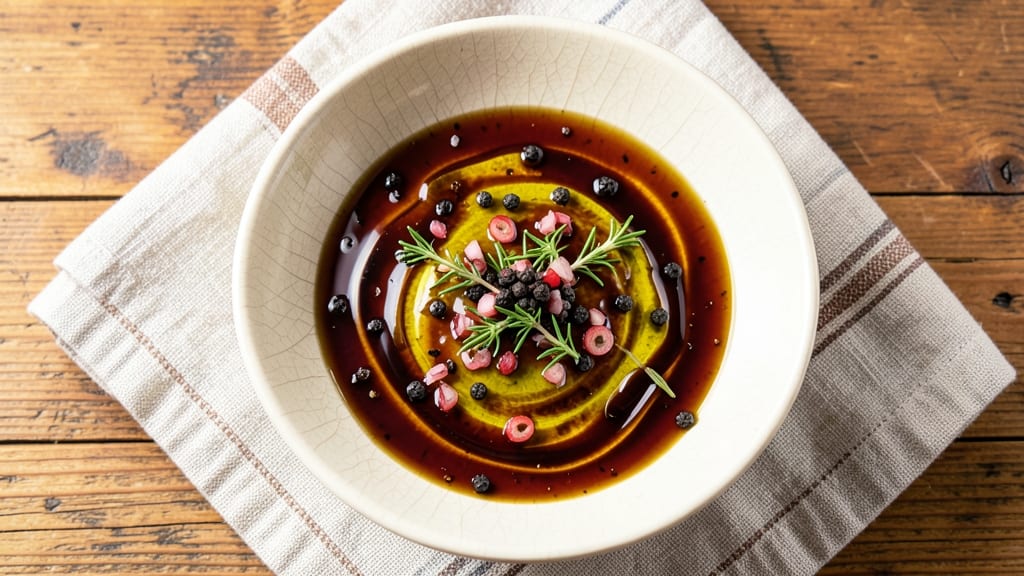
This balsamic reduction salad dressing recipe transforms simple ingredients into a luxurious, glossy sauce with layers of umami depth and caramelized richness. The key lies in simmering balsamic vinegar until it thickens into a syrupy, concentrated form—reducing both acidity and sweetness for a balanced, restaurant-quality finish.
I developed this version after years of testing, ensuring the perfect harmony of tangy, sweet, and savory notes that elevate any salad from ordinary to extraordinary.
The process is straightforward but requires patience: simmering vinegar with sugar until it darkens and thickens creates that signature glossy sheen. This reduction isn’t just for salads—it’s a versatile condiment that enhances grilled proteins, roasted vegetables, or even drizzled over fresh mozzarella.
The texture remains silky and clings beautifully to greens, while its deep flavor profile cuts through rich ingredients like creamy avocados or crispy bacon.
What sets this dressing apart is its foolproof technique—no emulsifiers needed, just chemistry. The sugar helps stabilize the reduction, preventing separation while adding subtle caramel notes. Once cooled, it keeps for weeks in the fridge, making it ideal for meal prep.
Store it in a sealed container, and you’ll have a pantry staple that transforms even the simplest greens into a gourmet experience.
Pair this dressing with arugula and pear salad for a classic combination, or use it as a marinade for chicken before grilling. The possibilities are endless, but the method remains the same: reduce, balance, and let the flavors develop. Ready to elevate your salads? Let’s make this dressing.
Ingredients for balsamic reduction salad dressing
Eight essential ingredients crafting a restaurant-quality dressing with silky texture and layered umami.
| Ingredient | Amount | Notes |
|---|---|---|
| Balsamic Vinegar 🍷 | 1 cup | High-quality aged balsamic preferred |
| Granulated Sugar 🍚 | ½ cup | White or raw sugar for balance |
| Extra-Virgin Olive Oil 🫒 | ¼ cup | Light fruity variety for harmony |
| Shallots 🧅 | 2 whole | Minced for aromatic depth |
| Fresh Thyme Leaves 🌿 | ¼ cup | Or 1 tsp dried thyme |
| Black Peppercorns 🌶️ | ½ tsp | Freshly cracked for texture |
| Diamond Crystal Kosher Salt 🧂 | ¼ tsp | Adjust to taste |
| Red Wine Vinegar 🍷 | 1 tbsp | For acidity balance |
The aged balsamic vinegar is non-negotiable here—look for 25-year or older at specialty stores like Whole Foods or Trader Joe's for that deep, complex flavor. San Marzano tomatoes aren't required, but their sweetness enhances the reduction. Fresh thyme adds herbal brightness, so grab a small bunch and use half now, half later for garnish. Shallots provide subtle sweetness without overpowering the balsamic's tang, and avoid onions—they can introduce bitterness during reduction. For the olive oil, avoid cheap supermarket brands—California Olive Ranch or Colavita deliver consistent quality.
No aged balsamic? Aged red wine vinegar works in a pinch, though the flavor won't be identical. Substitute maple syrup for sugar (use 0.375 cup) for a vegan option, though it alters the caramelization slightly. Fresh thyme unavailable? Dried works at one-third the amount, but toast it first in a dry pan for 30 seconds to enhance aroma. The red wine vinegar can be swapped for white wine vinegar, though it lacks the same depth. For a gluten-free version, ensure your vinegars are certified—some contain additives. Patience is key during reduction; don't rush the process or the dressing will remain thin and acidic.
Store the finished reduction in a sterilized glass jar with an airtight seal—it keeps for up to 3 months in the fridge. For long-term storage, freeze in ice cube trays and transfer to a bag; thaw in the fridge before use. The dressing thickens as it cools, so reheat gently if it becomes too viscous. Double the batch if you'll use it frequently—it disappears fast. Never boil vigorously during reduction; simmer gently to preserve the glossy sheen and prevent bitterness. Use within 2 weeks of opening for peak flavor, though it remains safe indefinitely when properly stored.
Why You'll Love This Recipe
- No-Fuss Simplicity: I swear by this recipe because it’s the kind of thing I can make while scrolling through emails—just simmer vinegar, sugar, and shallots until it thickens, then drizzle in the olive oil. No blender, no straining, no fuss.
- Sweet-Savory Magic: That perfect balance of caramelized sugar and tangy balsamic? It’s like a flavor bomb that works on everything—crisp greens, grilled chicken, even roasted potatoes. The thyme leaves add this bright, herbal whisper that makes it feel gourmet without trying.
- Weeknight Workhorse: I keep a jar of this in my fridge because it’s my go-to for quick lunches, charcuterie boards, or even a fancy-ish dinner. Drizzle it over a simple caprese salad, toss it with roasted veggies, or use it as a marinade. It never lets me down.
- Budget-Friendly Luxury: Honestly, this costs me pennies to make but tastes like I spent hours in the kitchen. A little balsamic, a pinch of sugar, and a handful of thyme stretch to dress multiple meals. Plus, the leftovers keep for weeks—no waste, all flavor.
Step-by-step instructions for balsamic reduction salad dressing
This reduction delivers a velvety, glossy finish with layers of umami and balanced acidity—perfect for elevating any salad.
Combine Vinegars and Sugar for Initial Reduction
In a heavy-bottomed saucepan, combine the 1 cup balsamic vinegar, 0.5 cup granulated sugar, and 1 tablespoon red wine vinegar. Bring to a simmer over medium-high heat, then reduce heat to medium-low to maintain a gentle bubble. Stir occasionally to dissolve the sugar completely—this should take about 5 minutes.
The sugar will caramelize as it reduces, deepening the balsamic's natural complexity. Watch closely as the mixture darkens to a rich amber color—this is when the umami flavors begin to develop. If sugar crystals form on the sides, gently swirl the pan to redistribute the liquid. This foundational step builds the dressing's signature depth.
Simmer Until Thick and Syrupy
Continue simmering uncovered for 20-25 minutes, stirring occasionally, until the mixture reduces to about ¼ cup and coats the back of a spoon with a glossy sheen. The aroma should be intense—like concentrated balsamic with hints of caramel. If it reduces too quickly, lower the heat slightly to prevent burning.
This is where patience pays off. The longer you simmer, the more complex the flavors become, but don't let it darken to black—stop when it reaches a deep mahogany color. The texture should be syrupy but still pourable, not sticky. If it thickens too much, add 1 teaspoon water to adjust consistency.
Incorporate Shallots and Thyme for Aromatic Depth
While the reduction simmers, finely mince the 2 whole shallots and measure out the 0.25 cup fresh thyme leaves. Once the balsamic mixture reaches ¼ cup, remove it from heat and let it cool for 2 minutes. Add the minced shallots and thyme, stirring to combine. Return the pan to low heat and simmer for an additional 3-4 minutes to infuse the flavors.
The shallots should soften slightly but retain their texture, adding a subtle sweetness. The thyme will release its earthy aroma, creating a nuanced herbal note. Avoid boiling this mixture—gentle heat is key to preserving the delicate flavors. If you prefer a smoother texture, strain out the thyme leaves after infusion, but I recommend leaving them in for added dimension.
Finish with Olive Oil and Seasoning
Remove the pan from heat and let the mixture cool for 5 minutes. Slowly whisk in the 0.25 cup extra-virgin olive oil to emulsify the dressing. The oil should blend smoothly, creating a silky texture. Add the 0.5 teaspoon cracked black peppercorns and 0.25 teaspoon kosher salt, stirring well to distribute evenly.
The olive oil balances the acidity and adds richness, while the pepper and salt harmonize the flavors. Taste and adjust seasoning—you may need a pinch more salt or a splash of water if the dressing is too thick. For best results, let the dressing rest at room temperature for at least 1 hour before using, allowing the flavors to meld fully.
Store and Use for Maximum Flavor
Transfer the dressing to a clean glass jar and refrigerate for up to 2 weeks. Before using, give it a gentle shake to re-emulsify. This dressing shines on arugula salads, grilled vegetable platters, or as a drizzle over roasted meats. Its glossy sheen and deep umami profile elevate even the simplest dishes.
For an extra touch, garnish salads with a few fresh thyme sprigs or a sprinkle of cracked peppercorns. The dressing's complexity makes it versatile—use it as a finishing drizzle or as the base for a vinaigrette by thinning with a splash of water or olive oil as needed.
Pro Tips For Making Balsamic Reduction Salad Dressing
- Simmer Slow and Steady: Start your balsamic reduction on medium-high heat, but as soon as it bubbles, drop it to a gentle simmer—no splattering, no rushing. I used to blast it on high, and half the time, I’d end up with a thin, vinegary glaze instead of a rich, syrupy dressing. This isn’t a race; let it reduce for 10-15 minutes, stirring occasionally, until it thickens to coat the back of a spoon.
- Sweat the Shallots First: Don’t just toss raw shallots into the pan with the vinegar—sweat them in olive oil for 2-3 minutes until soft and translucent. This mellows their sharpness and deepens their flavor, so they don’t overpower the dressing later. (Yes, even if you’re impatient like me, resist the urge to skip this.)
- Skip the Granulated Sugar: Honey or maple syrup works better here—it adds subtle sweetness without the grainy texture that can settle at the bottom. Use about half the amount (1 tablespoon instead of 2) and stir it in early, before the reduction gets too thick. Trust me, your dressing will taste smoother and more balanced.
- Finish with Cold Oil: Let the balsamic reduction cool slightly before drizzling in the olive oil—this prevents the heat from turning it into soap. If you’re in a hurry, chill the mixture in the fridge for 10 minutes first. The oil should emulsify the dressing, giving it that silky, restaurant-quality finish. (Pro move: use a high-quality EVOO here—it makes a real difference.)
Creative variations of balsamic reduction salad dressing
Herbal Infusions
Swap the thyme for rosemary or basil to create a Mediterranean-inspired variation. Use 2 tablespoons fresh rosemary needles (finely chopped) for a piney, aromatic depth that pairs beautifully with roasted lamb or grilled vegetables.
For a brighter twist, add ¼ cup fresh basil leaves—simmer them directly in the reduction for 5 minutes before removing. This variation works especially well with tomato-based salads or caprese dishes. 🌿
Spiced Variations
Add warmth by infusing ½ teaspoon ground cinnamon or ¼ teaspoon cayenne pepper during the final simmer. The cinnamon creates a subtle sweet-spice harmony that complements fruit salads or goat cheese pairings.
For heat lovers, a pinch of cayenne adds a smoky kick—balance it with an extra ½ teaspoon sugar to maintain equilibrium. These spiced versions elevate hearty salads with roasted squash or spiced nuts. 🌶️
Citrus Brightness
Finish with 1 tablespoon fresh lemon juice and 1 teaspoon lemon zest after removing the pan from heat. The citrus cuts through the richness, creating a refreshing contrast that works perfectly with seafood salads or grilled shrimp.
For a tropical twist, use lime juice and zest instead—this variation shines on mango-avocado salads or ceviche-inspired dishes. Adjust the acidity by adding 1 extra teaspoon of sugar if needed. 🍋
Nutty Depth
Stir in 1 tablespoon toasted walnut or hazelnut oil during the final step for a nutty richness. The toasted nuts add crunch and earthy notes that complement arugula, pears, or butternut squash.
For extra texture, sprinkle 1 tablespoon chopped toasted walnuts directly into the dressing before serving. This variation works exceptionally well with autumnal salads or as a drizzle over roasted Brussels sprouts. 🌰
Cheesy Twist
Whisk in 2 tablespoons crumbled goat cheese or 1 tablespoon mascarpone after adding the olive oil. The creaminess balances the tangy reduction, creating a luxurious dressing perfect for hearty greens like kale or spinach.
For a vegan option, use 2 tablespoons silken tofu blended until smooth. This variation elevates grain bowls or rustic bread plates with roasted vegetables. 🧀
Smoky Char
Infuse the reduction with 1 teaspoon liquid smoke or ½ teaspoon smoked paprika during the final simmer. This adds a subtle smokiness that pairs beautifully with grilled meats or charred vegetables. For a bolder flavor, char 1 shallot directly over a gas flame before mincing and adding to the reduction.
This smoky variation works exceptionally well with BBQ-inspired salads or grilled corn dishes. 🔥
Nutrition facts
Frequently asked questions
Can I make this balsamic reduction without sugar?
The sugar plays a crucial role in balancing acidity and creating that signature glossy sheen. For a sugar-free version, try 1 tablespoon honey or 1 teaspoon maple syrup instead, but expect a slightly different texture and flavor profile. The reduction will still work, though it may be less stable when mixed with olive oil.
How do I know when the reduction is ready?
Your reduction is done when it reaches about ¼ cup and coats the back of a spoon with a glossy sheen. The color should be a deep mahogany, not black, and it should smell intensely like concentrated balsamic with caramel notes. If it thickens too quickly, lower the heat to prevent burning.
Can I use this reduction on non-salad dishes?
This versatile dressing elevates grilled meats, roasted vegetables, and even desserts like vanilla ice cream or pound cake. Drizzle it over warm bruschetta, toss it with cooked pasta, or use it as a marinade for chicken. Its rich umami depth makes it a fantastic all-purpose condiment.
Why did my dressing separate after storing?
Separation often happens when the oil and vinegar reduction aren't properly emulsified. To fix it, gently whisk or shake the jar before using. For future batches, let the dressing rest at room temperature for 1 hour after making to help the flavors and textures fully blend. If it still separates, add 1 teaspoon Dijon mustard to help stabilize the emulsion.
Can I make this reduction ahead of time?
Yes! This dressing keeps beautifully in the fridge for up to 2 weeks in an airtight container. For longer storage, freeze it in ice cube trays, then transfer to a bag. Thaw in the fridge overnight before using. The flavors actually deepen as it sits, making it perfect for meal prep.