
Sauces & Condiments
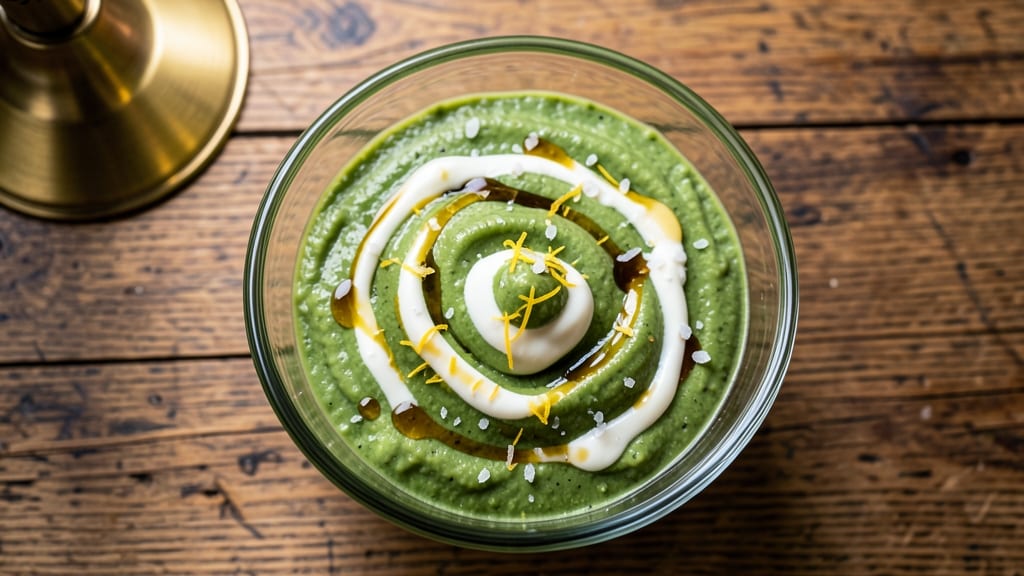
This creamy avocado yogurt salad dressing transforms your salads from bland to bold with just five ingredients and a blender. The secret lies in blending ripe avocado with tangy yogurt and a touch of mustard to create an emulsified, velvety texture that clings perfectly to greens.
I developed this recipe after craving a dressing that was both rich and light—no heavy oils or artificial thickeners needed.
The magic happens when you combine silky avocado with probiotic-rich yogurt, creating a dressing that's not only delicious but packed with protein and healthy fats. A splash of lemon juice or vinegar acts as a natural emulsifier, ensuring the dressing stays smooth and creamy rather than separating.
This version is naturally vegan-friendly when using plant-based yogurt, making it versatile for any dietary preference.
What sets this dressing apart is its crunchy texture—thanks to a pinch of salt and optional add-ins like garlic, herbs, or lime zest. It's perfect for grain bowls, wraps, or fresh salads, adding a creamy contrast to crisp vegetables.
The best part? It keeps beautifully in the fridge for up to 5 days, so you can make a batch ahead and enjoy it all week.
For extra depth, try swapping in lime juice for lemon or adding a dash of hot sauce for a tangy kick. Whether you're prepping meals for the week or dressing up a quick lunch, this recipe delivers restaurant-quality flavor with minimal effort. Let's blend it up!
Ingredients for avocado yogurt salad dressing
Five simple ingredients blend into a velvety, protein-packed dressing that sticks to salads like magic.
| Ingredient | Amount | Notes |
|---|---|---|
| Ripe Avocados 🥑 | 2 whole | Pitted, flesh scooped |
| Plain Vegan Yogurt 🥛 | 1 cup | Unsweetened, full-fat preferred |
| Extra-Virgin Olive Oil 🫒 | ¼ cup | For creaminess and richness |
| Lemon Juice 🍋 | 2 tbsp | Freshly squeezed, strained |
| Dijon Mustard 🌶️ | 1 tbsp | For tangy emulsification |
| Sea Salt 🧂 | ½ tsp | Adjust to taste |
| Garlic Cloves 🧄 | 1 whole | Optional, minced for depth |
| Fresh Cilantro 🌿 | ¼ cup | Chopped, for freshness |
| Lime Zest 🍋 | 1 tsp | Optional, for bright finish |
| Water 💧 | 1 tbsp | Adjust for desired consistency |
Avocados are the star here—pick ones that yield slightly to gentle pressure. Trader Joe's and Whole Foods usually have the ripest ones, but any grocery store works if you give them a squeeze test. The yogurt should be thick and tangy—Silk or Kite Hill are my go-tos for vegan versions. Olive oil adds richness, but if you're watching calories, avocado oil works too. The lemon juice is non-negotiable for that fresh tang, so don't use bottled—freshly squeezed makes all the difference. Garlic and cilantro are optional but totally worth it for that restaurant-quality flavor.
No avocados? Silken tofu blended until smooth works in a pinch, though the texture won't be identical. Out of Dijon mustard? Yellow mustard at half the amount gets you close. The dressing can get thick after blending—just add a splash of water to loosen it up. For extra crunch, toss in toasted pumpkin seeds or sunflower seeds after blending. And if you're feeling adventurous, a dash of hot sauce or smoked paprika adds a kick. The lime zest is optional but brightens everything up—zest it fresh for the best flavor.
This dressing keeps beautifully for 5 days in the fridge, sealed in a jar with a thin layer of olive oil on top to prevent browning. I like to make a big batch on Sundays so I have it ready for the week. If it separates, just give it a quick blend before using—it'll come back together like new. For extra protein, stir in a spoonful of nutritional yeast or hemp seeds. It's perfect for grain bowls, wraps, or drizzled over roasted veggies.
Why You'll Love This Recipe
- I’ll be real: this dressing comes together with a fork in minutes—no pulsing, no straining, just mash and mix. That creamy avocado-yogurt combo? You’re getting it without the fuss of emulsifying.
- No Blender Needed: I’ll be real: this dressing comes together with a fork in minutes—no pulsing, no straining, just mash and mix. That creamy avocado-yogurt combo? You’re getting it without the fuss of emulsifying.
- Tangy Creamy Magic: The lemon juice brightens every bite while the Dijon mustard adds that sharp little kick—like a hug for your taste buds. Honestly, I’ve never met a salad that didn’t improve with this zingy, velvety drizzle.
- Salad’s Best Friend: Dress greens, toss with grains, or slather it on sandwiches—this stuff works everywhere. I keep a jar in my fridge for lazy nights when I just want flavor without the effort.
Step-by-step instructions for avocado yogurt salad dressing
Here's how to blend this velvety, protein-rich dressing that stays fresh for days.
Prepare the Avocado Base
Cut the 2 whole ripe avocados in half, remove the pits, and scoop the flesh directly into a food processor or high-speed blender. I like to press the avocado against the sides of the bowl to extract every bit of creamy goodness—this ensures maximum yield and texture. The avocado should be completely smooth with no visible chunks at this stage.
Add the 1 cup plain vegan yogurt and 0.25 cup extra-virgin olive oil to the processor. Pulse a few times to combine these ingredients before proceeding. This initial blending creates a smooth foundation that prevents the dressing from separating later. The olive oil adds richness while the yogurt contributes that signature tangy creaminess we're after.
Add Acidic and Seasoning Components
Pour in the 2 tablespoons lemon juice and 1 tablespoon Dijon mustard. The lemon juice brightens the flavor while the Dijon mustard acts as an emulsifier, helping to bind all the ingredients together. Add the 0.5 teaspoon sea salt and 1 minced garlic clove if using—this is where the dressing starts to develop its complex flavor profile.
Pulse the mixture again until everything is fully incorporated. You should notice the dressing beginning to take on a thicker, more cohesive consistency. If the mixture looks too thick at this point, that's normal—we'll adjust the texture in the next step. The key here is to let all the flavors meld before adding any liquid adjustments.
Blend to Creamy Perfection
With the processor running, slowly drizzle in the 1 tablespoon water while scraping down the sides of the bowl with a spatula. This gradual addition prevents the dressing from becoming watery. Continue blending until completely smooth, about 1-2 minutes total. You're looking for a thick, pourable consistency similar to Greek yogurt—it should coat the back of a spoon without being gluey.
The dressing should have a vibrant green color with no visible flecks. If it's still too thick, add 1 more teaspoon of water at a time until it reaches your desired consistency. Remember, you can always thin it later if needed, but you can't thicken it once it's too thin. Taste and adjust the seasoning—you might need a bit more salt or lemon juice to balance the flavors.
Fold in Fresh Herbs and Garnish
Transfer the blended dressing to a mixing bowl and gently fold in the 0.25 cup chopped fresh cilantro and 1 teaspoon lime zest. I use a silicone spatula for this step to avoid overmixing. The cilantro adds a fresh, bright note that cuts through the richness, while the lime zest provides a citrusy finish that elevates the dressing to restaurant-quality level.
Give everything one final taste and adjust seasoning if needed. The dressing should be creamy yet light enough to drizzle easily. For best results, use immediately or transfer to an airtight container and refrigerate for up to 3 days. The lime zest will keep the dressing fresh longer and prevent browning of the avocado.
Store and Use Properly
Divide the dressing into small containers if you plan to use it over several days. The avocado will oxidize and turn brown at the surface, but this doesn't affect the flavor. Simply stir before using. This dressing works beautifully on mixed greens, grain bowls, or as a dip for crudités. For maximum freshness, consume within 2 days of making.
If the dressing thickens in the fridge, simply stir in 1 teaspoon of water at a time until it reaches your desired consistency. The beauty of this recipe is its versatility—you can make it thicker for dipping or thinner for drizzling. The creamy texture comes from the avocado and yogurt combination, while the acidity from the lemon and lime keeps it from being too heavy.
Pro Tips For Making Avocado Yogurt Salad Dressing
- MASH IT RIGHT: Use a fork and the back of a spoon to press the avocado flesh through a fine-mesh strainer—this removes excess water and gives you that ultra-smooth texture without fighting lumps. (Yes, it’s messy, but trust me, your dressing will thank you.)
- PICK THE RIGHT YOGURT: Thick, tangy vegan yogurt (like coconut or almond-based) works best—skip anything too watery, or your dressing will turn into soup. If yours is thin, strain it for 10 minutes first.
- LEMON JUICE FIRST: Add the lemon juice before the olive oil—this prevents the avocado from browning prematurely. Stir it in immediately after mashing, then add the oil last to keep the color bright.
- SALT THE AVOCADO: Sprinkle a pinch of salt directly on the avocado before mashing—it draws out moisture and enhances flavor. (I learned this the hard way after making a bland batch.)
Essential equipment for great avocado yogurt salad dressing
Blender Essentials
You’ll need a high-speed blender or food processor to achieve that ultra-smooth, velvety texture. I swear by my Ninja BN601 for this recipe—its powerful motor handles avocado and yogurt effortlessly. A Vitamix is another great option if you’re investing in premium equipment.
For budget-friendly choices, a Cuisinart Mini-Prep Plus works well for small batches. Avoid regular countertop blenders—they struggle with thick ingredients like avocado. 💫
Emulsification Tools
While your blender handles most of the work, a silicone spatula is my secret weapon for scraping down the sides during blending. This ensures even emulsification and prevents any separation.
I also keep a small whisk nearby to gently fold in fresh herbs like cilantro at the end—it preserves their texture better than blending. For measuring liquids precisely, a glass measuring cup with markings is indispensable, especially for the water adjustments.
Storage Containers
Transfer your finished dressing to airtight glass containers with lids to preserve freshness. I prefer Le Parfait glass jars (8 oz or 16 oz) because they’re leak-proof and stackable in the fridge.
For portion control, use small mason jars—they’re perfect for single servings and make it easy to grab what you need. If you’re meal prepping, consider silicone lids to prevent oxidation and keep the avocado vibrant longer. Label your containers with the date to track freshness.
Optional Garnish Kit
Elevate your dressing with a microplane for fresh lime zest and a sharp chef’s knife for mincing garlic. A small bowl for holding chopped herbs keeps everything organized, and tweezers help pick out any herb stems before folding.
For extra flair, keep toasted seeds (like pumpkin or sunflower) in a small jar—just sprinkle them on top before serving. These tools might seem minor, but they make the final presentation look restaurant-worthy. ✨
Cleanup Must-Haves
Avocado stains are notorious, so keep hot, soapy water and a scrub brush (like the OXO Good Grips) handy for immediate cleanup. A paper towel roll within reach catches drips during blending.
For the blender itself, I recommend white vinegar to remove any lingering avocado residue—just soak the parts for 10 minutes before washing. A small colander comes in handy for rinsing fresh herbs like cilantro before chopping. Trust me, these tools save time and frustration during (and after) cooking. 🧼
Nutrition facts
Frequently asked questions
Can I make this dressing without a blender?
You can try using a food processor or even a hand mixer with a whisk attachment, but the texture won't be as smooth. For the creamiest results, a high-speed blender is ideal. If you're in a pinch, mash the avocado with a fork first, then whisk vigorously with the yogurt and other ingredients—just expect some slight graininess.
How do I prevent the dressing from separating?
The key is proper emulsification! Always blend the avocado, yogurt, and oil first, then slowly add lemon juice and mustard while blending. If it starts separating in storage, just give it a quick stir or blend again before using. Adding a pinch more mustard (up to ½ teaspoon) can help stabilize it too.
What's the best way to store leftovers?
Transfer to an airtight glass container and press a thin layer of olive oil on top to prevent browning. Store in the fridge for up to 5 days. For longer storage, freeze in ice cube trays—thaw overnight in the fridge and stir in a splash of water to restore consistency.
Can I make this dressing spicier? Add ½ teaspoon of hot sauce, a pinch of cayenne, or diced jalapeños for heat. For smoky flavor, stir in ¼ teaspoon smoked paprika.
What are the best salads to pair with this?
This creamy dressing shines on mixed greens, quinoa bowls, or roasted veggie salads. It also works beautifully as a dip for crudités or as a spread for wraps and sandwiches. Try it with hearty toppings like grilled chicken, chickpeas, or avocado slices for extra protein.