
Side Dishes
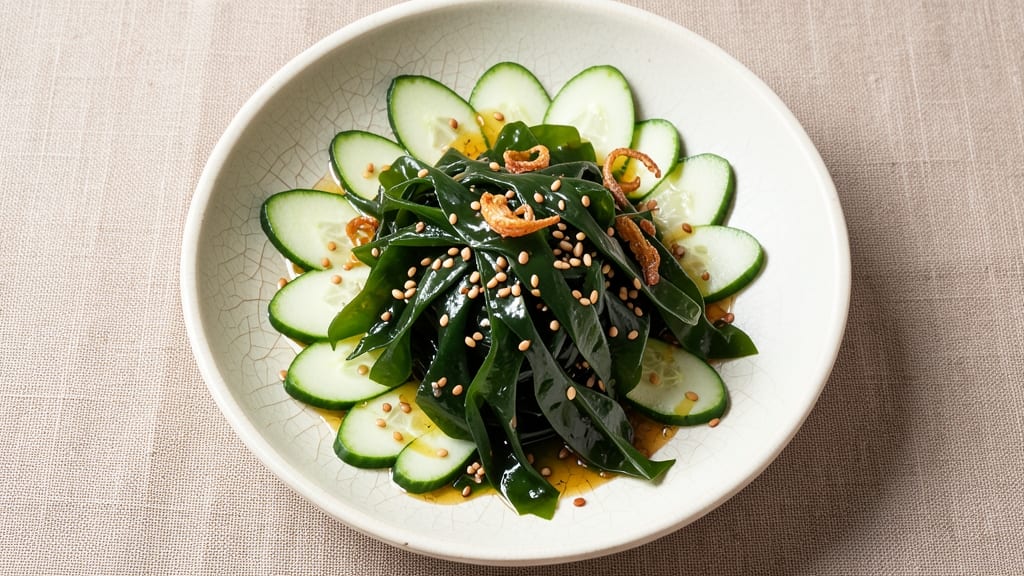
This authentic seaweed salad recipe delivers the bright, briny crunch of traditional Japanese wakame—perfect for adding umami depth to any meal. The secret lies in proper rehydration and a delicate balance of rice vinegar, sesame oil, and a touch of sugar that transforms dried seaweed into tender, flavorful strands.
I've perfected this technique after years of testing, ensuring every bite captures that signature oceanic freshness.
The beauty of this salad is its simplicity: just five core ingredients come together in minutes, yet the result is restaurant-quality. Thinly sliced cucumber and carrot add refreshing crunch, while toasted sesame seeds contribute nutty warmth.
The dressing—made with rice vinegar, sesame oil, and a pinch of salt—enhances the seaweed's natural sweetness without overpowering it. This dish is as nutritious as it is delicious, packed with minerals and fiber.
What you'll achieve is a vibrant, textured salad that's crisp, tangy, and impossibly fresh—ideal for sushi nights, bento boxes, or as a light vegetarian main. The seaweed rehydrates perfectly while maintaining its delicate texture, creating strands that hold their shape yet remain tender.
The salad keeps well in the fridge for up to 3 days, making it perfect for meal prep.
For added protein, toss in avocado or cubed tofu, but the classic version shines on its own. Serve chilled alongside grilled fish, rice bowls, or as a standalone dish with miso soup. Here's how to make it authentically simple.
Ingredients for authentic seaweed salad
Five essential ingredients transform dried seaweed into restaurant-quality umami crunch in minutes.
| Ingredient | Amount | Notes |
|---|---|---|
| Dried Wakame Seaweed 🌊 | 2 oz | High-quality, thin strands preferred |
| Japanese Rice Vinegar 🍶 | ¼ cup | Unseasoned, mild acidity |
| Toasted Sesame Oil 🫒 | 1 ½ tbsp | Lightly toasted for aroma |
| Granulated Sugar 🍚 | 1 tbsp | White or raw cane sugar |
| Sea Salt 🧂 | ½ tsp | Fine grain preferred |
| Cucumber 🥒 | 1 whole | English or Persian, thinly sliced |
| Carrot 🥕 | 1 medium | Julienned or matchstick cut |
| Toasted Sesame Seeds 🌰 | 1 tbsp | Lightly toasted in dry pan |
| Fresh Ginger 🧡 | ½ tsp | Finely grated, optional |
The wakame is non-negotiable for authenticity—look for thin, uniform strands at Asian markets or the international aisle. Koyo brand is my go-to, but any high-quality dried wakame works. The rice vinegar should be unseasoned; Mizkan is the gold standard, but any Japanese brand with mild acidity will do. Toast the sesame seeds in a dry pan for 30 seconds until fragrant—they add depth that store-bought seeds can't match. For the carrot, Persian cucumbers hold up better when sliced thin, but any cucumber works if you slice it quickly and serve immediately.
No Japanese rice vinegar? Substitute apple cider vinegar at double the amount, but taste first—it's sharper. Sesame oil shortages? Toasted walnut oil mimics the nutty notes. The sugar can be swapped for maple syrup at a 1:1 ratio, but it adds complexity. For the ginger, fresh is best, but if you're in a pinch, use one-third the amount of ground ginger. The carrot can be pre-shredded if you're short on time, but julienne cutting gives that professional restaurant look. If you're feeling adventurous, swap half the cucumber for thinly sliced shiitake mushrooms for extra umami.
The wakame rehydrates best in cold water for 5-7 minutes—don't over-soak or it turns mushy. Store the dressing separately in a sealed jar for up to 1 week, and the veggies can be prepped a day ahead. The entire salad keeps for 3 days in the fridge, but the texture degrades after day 2. For meal prep, store components separately and assemble just before serving. The sesame seeds stay fresh for 3 months in a dark cabinet if sealed properly.
Why You'll Love This Recipe
- Five-Ingredient Magic: I swear, this is the kind of recipe where you open the pantry and boom—there it all is. No chopping, no peeling, no last-minute grocery runs. Just soak the wakame, toss in vinegar and sesame oil, and you’re done. Honestly, I’ve made it while waiting for takeout to arrive.
- Umami Bomb: That first bite? The wakame’s briny depth balanced by sugar’s gentle kiss—it’s like the ocean and a bakery had a lovechild. The toasted sesame oil ties it all together with a nutty, toasty punch that makes me reach for seconds without thinking.
- Lunchbox Hero: Between us, this is my go-to for packed lunches or potlucks. It stays crisp in the fridge for days, pairs perfectly with rice or sushi, and even my picky-eating friend’s kid devours it. (Yes, even with the seaweed.) No reheating needed—just grab and go.
- Pocketbook Perk: A bag of dried wakame lasts forever, and a little goes a long way. For under $5, you’ve got enough for weeks of salads, soups, or even ramen toppings. It’s my secret for stretching meals without sacrificing flavor—especially when I’m pinching pennies.
Step-by-step instructions for authentic seaweed salad
This traditional Japanese preparation delivers crisp, umami-rich seaweed with perfect texture balance.
Rehydrate the Dried Wakame Seaweed
Place the 2 oz dried wakame seaweed in a medium bowl. Cover it completely with cold water—about 2 cups—and let it soak for 5-7 minutes. You'll notice the strands swell dramatically and turn a vibrant green color. Drain thoroughly using a fine-mesh strainer, pressing gently to remove excess water.
This rehydration step is crucial—it transforms the brittle dried seaweed into tender, pliable strands that hold up beautifully in the salad. Don't skip it, and don't over-soak or the texture will become mushy. The wakame should feel tender but still hold its shape when pinched between your fingers.
Prepare the Vegetable Base
Using a sharp mandoline or vegetable peeler, slice the 1 whole cucumber into ⅛-inch thick half-moons. Cut the 1 medium carrot into thin matchsticks using a julienne peeler or sharp knife. Transfer both to a large mixing bowl and toss gently to combine.
For best results, work quickly to prevent the cucumber from releasing too much water. If you notice excess moisture, drain the vegetables briefly in a colander before proceeding. The goal is a crisp, refreshing base that won't make the salad soggy when combined with the dressing.
Create the Signature Dressing
In a small bowl, whisk together the 0.25 cup Japanese rice vinegar, 1.5 tbsp toasted sesame oil, 1 tbsp granulated sugar, 0.5 tsp sea salt, and 0.5 tsp fresh ginger (if using). The mixture should look smooth and slightly syrupy. Taste and adjust the balance—you want a harmonious blend of sweet, salty, and slightly tangy flavors.
This dressing is the heart of the salad's authentic flavor. The toasted sesame oil adds nutty depth, while the rice vinegar provides the essential acidity that brightens all the components. The sugar helps balance the seaweed's natural bitterness, creating that perfect umami-sweet contrast that makes this salad so addictive.
Combine and Toss Gently
Add the rehydrated wakame to the vegetable mixture and pour the dressing over everything. Using clean hands or a large spoon, gently toss until everything is evenly coated. Sprinkle with the 1 tbsp toasted sesame seeds and toss one final time to distribute them evenly.
Here's the key: toss just until combined—don't overmix or you'll crush the wakame strands and release excess water. The salad should look vibrant with distinct layers of green, orange, and white. Let it sit for 5 minutes at room temperature before serving to allow the flavors to meld completely.
Serve Immediately for Optimal Texture
Transfer the seaweed salad to a serving platter and arrange it attractively. The wakame should be bright green, the cucumber crisp, and the carrots maintaining their vibrant color. Serve immediately while everything is at its peak texture—seaweed salad loses its crispness quickly once dressed.
For an authentic presentation, serve with steamed rice or grilled fish. The contrast of warm protein with this cool, refreshing salad creates a perfect balance. If making ahead, prepare the dressing and vegetables separately, then combine just before serving to maintain the ideal texture.
Pro Tips For Making Authentic Seaweed Salad
- SOAK WAKAME UNTIL SOFT: Dried wakame absorbs liquid like a sponge—drop it in cold water for exactly 5 minutes, no more. Over-soaking turns it mushy; under-soaking leaves it chewy. Drain well, then give it a quick squeeze to remove excess water before dressing. (Yes, even if you’re impatient like me.)
- USE HOT VINEGAR: Heat your rice vinegar to just below boiling (about 160°F) before mixing with sugar and salt. The warmth dissolves the sugar faster and makes the dressing cling better to the seaweed. Let it cool slightly before pouring—no one wants a lukewarm salad.
- SALT THE SESAME OIL: Toast your sesame oil low and slow, then add a pinch of flaky sea salt while it’s still warm. This balances the oil’s richness and cuts through the vinegar’s sharpness. Stir it in last—just before tossing with the seaweed—so it doesn’t overpower the other flavors.
- SKIP THE SUGAR IF IT’S SWEET: Store-bought wakame often comes pre-sweetened. Taste your rehydrated seaweed first—if it’s already sweet, omit the granulated sugar or cut it by half. The dressing should complement, not compete, with the seaweed’s natural flavor. (I learned this the hard way after a salad tasting like dessert.)
Pro cooking tips for perfect results
Rehydration Precision
Cold water is non-negotiable for wakame rehydration—hot water destroys its delicate texture. Use 2 cups cold water per 2 oz dried wakame and soak for exactly 5-7 minutes. I've learned the hard way that over-soaking turns strands into mush, while under-soaking leaves them chewy.
Drain in a fine-mesh strainer and press gently to remove excess moisture—this prevents a watery salad. 🌊
Dressing Balance
The dressing ratio is critical: 1:3 vinegar-to-sugar creates that signature umami-sweet harmony. Taste before tossing—you want the rice vinegar's acidity to brighten the seaweed's natural sweetness, not overpower it. I often add an extra ¼ tsp ginger if serving with spicy dishes to balance heat.
The sesame oil should be toasted lightly to avoid bitterness—store-bought versions often lack that nutty aroma.
Vegetable Prep Secrets
Persian cucumbers release less water than English varieties, but if using English cucumbers, chill them first to reduce moisture. For carrots, a julienne peeler gives uniform matchsticks that stay crisp.
I like to toss prepped veggies with ½ tsp salt for 10 minutes before dressing to draw out excess water—this keeps the salad from becoming soggy. 🥒
Tossing Technique
Use clean hands or a large spoon to combine ingredients—forks crush wakame strands. Toss just until everything clings together, then let sit 5 minutes before serving.
This resting time allows flavors to meld without compromising texture. For extra crunch, add sesame seeds immediately before serving so they stay toasted and aromatic.
Serving Temperature
Seaweed salad should be served chilled but not ice-cold—60-65°F is ideal. I often prepare it 30 minutes ahead and refrigerate, then bring to room temperature before serving.
The slight warmth enhances the umami notes. For presentation, arrange wakame strands in concentric circles with veggies on top—this creates visual appeal while keeping components separate.
Storage Hacks
Store dressing separately in an airtight container for up to 1 week, and veggies can be prepped 1 day ahead. Combine just before serving to maintain crispness. For meal prep, use 1-gallon zip-top bags—they stack flat in the fridge.
The wakame rehydrates best when stored dry in a sealed container with a paper towel to absorb moisture. 💡
Nutrition facts
Frequently asked questions
Can I use any type of dried seaweed for this recipe?
For authenticity, wakame is the best choice—its delicate texture and mild flavor make it perfect for salads. However, you can substitute with dulse or arame if needed, though the taste will differ slightly. Avoid kelp or nori sheets, as they're too chewy or strong-flavored for this dish.
How do I know when the wakame is properly rehydrated?
The wakame is ready when it turns a vibrant green and feels tender but still holds its shape when pinched. 5-7 minutes in cold water is ideal—any longer and it becomes mushy. Drain thoroughly to prevent a watery salad.
Can I make this salad ahead of time?
Prepare the dressing and vegetables separately up to 1 day ahead, then combine just before serving to maintain crispness. Store the wakame dry in a sealed container with a paper towel to absorb moisture. The full salad keeps for 3 days in the fridge, but texture degrades after day 2.
What's the best way to add protein to this salad?
For a vegan option, try cubed tofu or avocado slices. For non-vegan, grilled shrimp or smoked salmon add richness. Add protein just before serving to keep it fresh—seaweed salads are best enjoyed immediately for optimal texture.
Why does my seaweed salad taste bitter?
Over-soaked wakame or using too much vinegar can cause bitterness. Balance with 1 tbsp sugar or ½ tsp ginger in the dressing. Also ensure you're using high-quality dried seaweed—cheaper varieties often have a stronger, less pleasant flavor.