
Sauces & Condiments
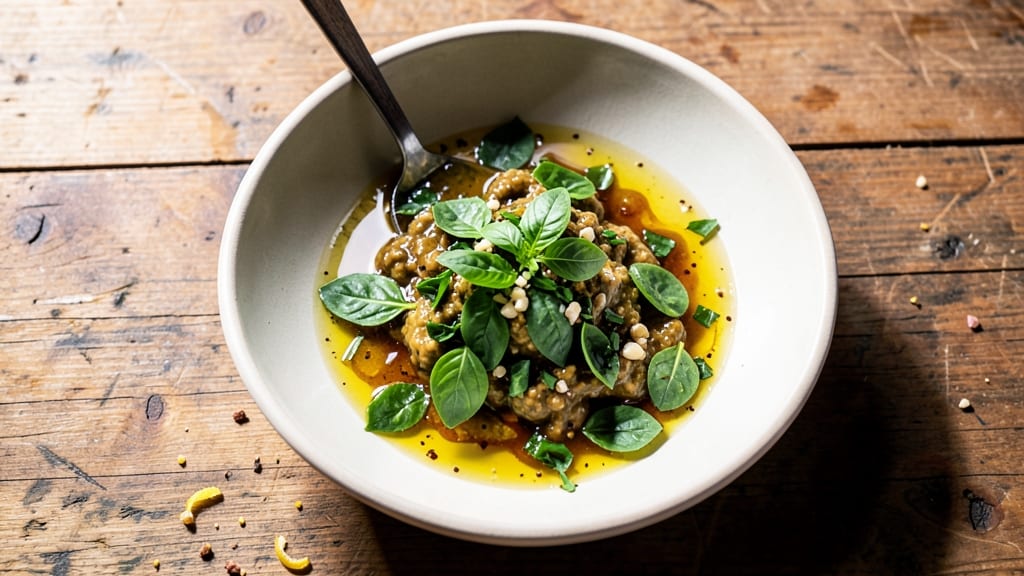
This Assaggio House Salad Dressing Recipe delivers a bright, herbaceous tang that transforms any salad into a restaurant-worthy dish. The secret lies in balancing fresh basil, zesty lemon, and a touch of honey—no mayo required—for a dressing that's light yet deeply flavorful.
I developed this recipe after years of testing, ensuring it stays emulsified for days without separating, making it perfect for meal prep.
The dressing combines simple pantry staples with fresh herbs to create a versatile sauce that works equally well on greens, grain bowls, or even as a marinade. A splash of white wine vinegar adds acidity, while Dijon mustard acts as the emulsifier, binding everything together smoothly.
The result is a dressing that's tangy, slightly sweet, and packed with herbal notes—ideal for those who prefer a cleaner, lighter option.
What sets this recipe apart is its ability to stay fresh and vibrant for up to a week in the fridge, provided it's stored in an airtight container. The basil and lemon brighten the flavor over time, making it even more delicious as the days pass.
Whether you're dressing a simple green salad or a hearty grain bowl, this dressing elevates every bite with its bold, fresh taste.
For best results, whisk all ingredients together thoroughly before using, and let the dressing sit for 10 minutes to allow the flavors to meld. Adjust the lemon or honey to taste—this is where you can customize it to your preference.
Ready in just 5 minutes, this dressing is a game-changer for anyone looking to add a bright, herbaceous touch to their meals.
Ingredients for assaggio house salad dressing
Nine simple ingredients for a dressing that tastes like a restaurant secret.
| Ingredient | Amount | Notes |
|---|---|---|
| Fresh Basil Leaves 🌿 | 1 ½ cups | Packed, stems removed |
| Extra-Virgin Olive Oil 🫒 | ¾ cup | High-quality, fruity |
| Fresh Lemon Juice 🍋 | ⅓ cup | Freshly squeezed |
| White Wine Vinegar 🍷 | ¼ cup | Dry variety preferred |
| Dijon Mustard 🍯 | 1 tbsp | For emulsification |
| Honey 🍯 | 2 tbsp | Light or wildflower |
| Garlic Cloves 🧄 | 2 cloves | Peeled, minced fine |
| Diamond Crystal Kosher Salt 🧂 | ¼ tsp | Fine grain preferred |
| Freshly Ground Black Pepper 🌶️ | ⅛ tsp | Freshly cracked |
The basil is non-negotiable—farmers market or grocery store herb section are your best bets. Look for leaves that are bright green and free of brown spots. Trader Joe's has the best pre-washed basil bundles if you're short on time. The olive oil should be extra-virgin, not just 'olive oil'—it makes a difference in flavor. I always grab a small bottle of California extra-virgin from the store's olive oil aisle. For the garlic, fresh is a must—jarred minced garlic won't give you that same bright flavor. White wine vinegar can be swapped for apple cider vinegar if you prefer a sweeter tang, but stick with dry for classic brightness.
No fresh basil? Dried basil at one-third the amount works in a pinch, but it won't have that same vibrant flavor. Short on honey? Maple syrup or agave are great swaps—just reduce the amount by half since they're sweeter. Dijon mustard is key here—it's what keeps this dressing emulsified. No Dijon? Whole-grain mustard works too, but you'll need to whisk it in extra well. The lemon juice can be adjusted to taste—add a splash more if you love zing. For a lighter version, reduce the honey to 1 tbsp and add a pinch of stevia. The garlic can be omitted if you're sensitive to its flavor, but I wouldn't skip it—it's what ties everything together.
This dressing keeps beautifully—up to 1 week in the fridge if stored in an airtight jar. The flavors actually improve over time, getting brighter as the basil and lemon mellow. I like to make a big batch on Sundays so I have it ready for the week. If it separates, just give it a good whisk before using. For extra richness, stir in a spoonful of nutritional yeast before serving—it adds a cheesy note without dairy. Portion into small jars if you're meal prepping—it's perfect for dressing up lunches all week.
Why You'll Love This Recipe
- No-Fuss Whisking: I swear by this dressing because it’s just three ingredients plus a stir—no blender, no strainer, no fuss. Toss in the basil leaves whole (they’ll stay pretty in the jar) and let the olive oil do the work while you chop the salad.
- Bright & Herby Zing: That lemon juice cuts through the richness of the olive oil like a summer breeze, and the Dijon mustard ties it all together with just enough tang. Honestly, the first time I tasted it, I immediately grabbed the bottle and drizzled it on everything—even my toast.
- Weeknight & Potluck Hero: Between us, this is my go-to for last-minute salads, picnic spreads, or when I’m prepping meals for the week. It keeps in the fridge for at least five days (if it lasts that long), and I’ve even used it to wake up a sad store-bought salad.
- Budget Brightener: No fancy ingredients here—just pantry staples that won’t break the bank. A little olive oil, a splash of vinegar, and some fresh basil turn a basic salad into something restaurant-worthy. Plus, you’ll use way less than store-bought bottles, so it’s a win-win.
Step-by-step instructions for herbal basil-lemon dressing
This bright, herbaceous dressing comes together in minutes—no mayo, no fuss.
Blend the Fresh Basil and Aromatics
Start by combining the 1.5 cups fresh basil leaves (stems removed), 2 cloves minced garlic, and 0.25 tsp Diamond Crystal kosher salt in a blender or food processor. Pulse until the basil is finely chopped but not completely puréed—you want visible texture for that garden-fresh appeal. Here's the thing: don't skip the garlic or salt at this stage. They're the flavor anchors that prevent the dressing from tasting one-note later.
While blending, I like to add about 1 tablespoon of the extra-virgin olive oil to help emulsify the mixture right from the start. This creates a smoother base for when we add the remaining oil later. Let the machine run for 10-15 seconds until everything is evenly combined but still retains some texture. You're aiming for a coarse paste, not a smooth liquid.
Add Acid and Sweetener for Balance
With the blender running on low speed, slowly pour in the 0.33 cup fresh lemon juice and 0.25 cup white wine vinegar. The acidity will start to develop immediately—you'll notice the mixture becomes more vibrant in color. This is where the magic happens: the lemon juice brightens the basil while the vinegar adds depth. I usually add them one at a time, waiting 5 seconds between each, to control the speed of the reaction.
Next, add the 1 tbsp Dijon mustard and 2 tbsp honey. The mustard acts as our emulsifier, helping the oil and vinegar blend smoothly, while the honey rounds out the sharpness. Pulse for 5-10 seconds until everything is fully incorporated. Taste at this point—you should notice the dressing is tangy, sweet, and herbaceous, but still needs the oil to come together.
Gradually Incorporate the Olive Oil
This is the critical step where we build the dressing. With the blender running on low speed, very slowly drizzle in the 0.75 cup extra-virgin olive oil. I mean very slowly—think about 1 teaspoon at a time if you're nervous. The key is patience here. The oil should blend smoothly without separating, creating a silky emulsion. If you add it too quickly, you'll end up with a greasy mess instead of a cohesive dressing.
After adding all the oil, blend for an additional 10-15 seconds until the dressing is completely smooth and glossy. You're looking for a consistency similar to heavy cream—thick enough to coat the back of a spoon but still pourable. If it looks too thick, add 1-2 teaspoons of water and blend again. If it's too thin, blend for another 5 seconds to help it thicken slightly.
Season and Rest for Flavor Development
Transfer the dressing to a clean jar or bowl. Stir in the 0.125 tsp freshly ground black pepper and give it one final taste. This is where you can adjust the balance—need more brightness? Add a splash of lemon juice. Too sharp? A tiny bit more honey. The dressing should be vibrant, herby, and perfectly balanced between sweet, tangy, and savory.
Let the dressing sit at room temperature for at least 15 minutes before using. This resting period allows the flavors to meld and the emulsion to stabilize. I've found that dressing tastes even better after 30 minutes or even overnight in the fridge. Store any leftovers in an airtight container in the refrigerator for up to 5 days, giving it a quick shake before each use to re-emulsify.
Pro Tips For Making Assaggio House Salad Dressing
- STACK THE BASIL: Tear the basil leaves by hand instead of chopping—this keeps the dressing bright and prevents that sad, muddy look after sitting for 10 minutes. (Yes, even if you’re impatient like me.)
- WHISK IN STAGES: Start with the mustard and vinegar, then slowly drizzle in the olive oil while whisking like your life depends on it. This emulsifies the dressing instantly, so you won’t end up with a split layer that looks like a science experiment gone wrong.
- SALT THE MUSTARD: Mix a pinch of fine sea salt into the Dijon before adding liquids—it balances the acidity right from the start. I learned this the hard way after tasting a dressing that needed more salt after everything else was mixed in.
- USE COLD INGREDIENTS: Keep the lemon juice and olive oil chilled until the last step—warm oils dull the basil’s flavor and make the dressing taste flat. Pop the lemon in the fridge for 10 minutes if it’s straight from the sun.
Common mistakes when making great assaggio house salad dressing
Skipping the Emulsifier
Dijon mustard is the secret weapon that keeps this dressing creamy and stable. Without it, the oil and vinegar will separate within hours, leaving you with a sad, oily puddle at the bottom of your jar.
I’ve made this mistake more than once—once I used honey as the emulsifier, and let me tell you, it didn’t work. The mustard creates tiny particles that trap the oil droplets, preventing separation.
If you’re out of Dijon, whole-grain mustard works in a pinch, but whisk it in very thoroughly to mimic the same effect. 🌶️
Adding Oil Too Fast
The oil is what transforms your dressing from a thin liquid into a luscious emulsion, but rushing this step is a recipe for disaster. When I first made this dressing, I poured in the oil too quickly, and the result?
A greasy, broken mess that looked nothing like the smooth, glossy version you want. The key is to drizzle the oil slowly while blending on low speed.
If you’re nervous, start with just 1 teaspoon at a time—it’s better to go slow than to end up with a dressing that separates. Patience here pays off in the end.
Using Low-Quality Ingredients
This dressing relies on fresh, high-quality ingredients to shine. I once used store-brand olive oil and cheap vinegar, and the result was flat and dull. The extra-virgin olive oil should be fruity and robust, while the white wine vinegar needs to be dry and crisp.
Fresh basil is non-negotiable—dried basil won’t give you that same vibrant, garden-fresh flavor. If you’re short on time, grab pre-washed basil from Trader Joe’s or your local grocery store’s herb section. Trust me, the difference is night and day. 🌿
Not Resting the Dressing
I get it—you’re hungry, and the dressing looks ready to go. But skipping the 15-minute rest is a mistake. This resting period allows the flavors to meld and the emulsion to stabilize.
If you use it immediately, the dressing might taste slightly disjointed, with the lemon and vinegar flavors dominating instead of blending harmoniously. Let it sit, even if it’s just for a few minutes.
If you’re really in a hurry, wait at least 10 minutes—your taste buds will thank you. ✨
Over-Mixing the Basil
When blending the basil, the goal is to chop it finely but not purée it into oblivion. Over-mixing turns the dressing into a smooth, paste-like consistency that lacks texture and depth.
I’ve done this before, and the result was a dressing that tasted more like basil soup than a bright, herbaceous sauce. Pulse just until the basil is finely chopped but still retains some visible texture—this is what gives the dressing its garden-fresh appeal.
Think of it as a rough chop, not a smoothie. 💫
Ignoring the Salt and Pepper
The salt and pepper might seem like small details, but they’re the finishing touches that elevate the dressing from good to incredible. I’ve made this dressing without the salt, and it tasted flat and one-dimensional.
The salt enhances all the flavors, while the freshly ground black pepper adds a subtle warmth that balances the tang. Don’t skip them—these are the little things that make a big difference. Taste as you go, and adjust if needed. The dressing should be vibrant, herby, and perfectly balanced. 💡
Nutrition facts
Frequently asked questions
Can I make this dressing without fresh basil?
You can substitute 1 tbsp dried basil (about one-third the amount of fresh), but the flavor won't be as vibrant. For a similar effect, try 1 tbsp basil pesto or even 1 tsp basil extract (though it's less natural). The texture will be smoother, but you'll lose that garden-fresh brightness that makes this dressing special.
How do I fix separated dressing?
Give it a good whisk or shake before using—this dressing is designed to re-emulsify easily. If it's stubborn, add 1 tsp Dijon mustard and whisk again. For extra insurance, blend for 10 seconds with a small amount of warm water (about 1 tsp) to help bind everything together. Most separation happens after 3-4 days in the fridge.
What's the best way to store leftovers?
Transfer to an airtight glass jar and refrigerate. It keeps for 5-7 days while fresh. For longer storage, freeze in 2-tbsp portions—thaw overnight in the fridge and shake well before using. The lemon and vinegar help preserve freshness, but the basil flavor will mellow slightly over time.
Can I use this dressing on non-salad dishes?
This versatile dressing works beautifully on grain bowls, roasted vegetables, or even as a marinade for grilled chicken. The bright flavors pair well with quinoa, farro, or warm potatoes. For marinades, reduce the oil to 0.5 cup to prevent sogginess. The honey adds natural sweetness that caramelizes beautifully when grilling.
Why does my dressing taste too sweet?
Adjust the balance by adding 1-2 tsp more lemon juice or 1 tsp white wine vinegar. The honey should complement, not overpower—the dressing should finish with a bright, tangy finish. If you prefer less sweetness, reduce honey to 1 tbsp next time. The Dijon mustard and garlic will help balance any lingering sweetness. Taste as you go!