
Side Dishes
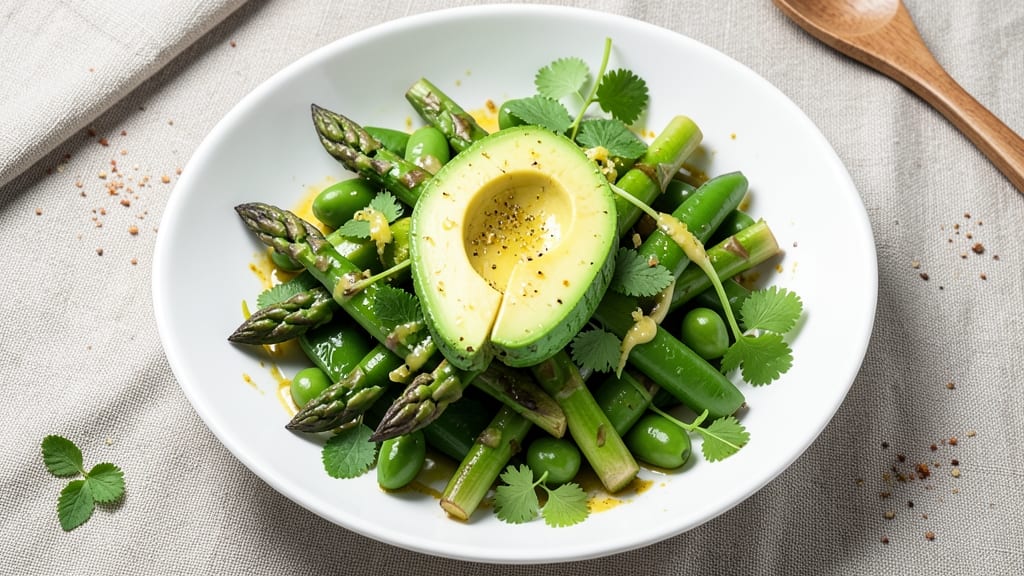
This asparagus and snow pea salad delivers crisp-tender bites that balance freshness and depth in every forkful. The secret lies in quick blanching to preserve texture while building layers of flavor through a bright citrus dressing and toasted sesame seeds.
I developed this recipe after years of testing spring vegetable salads—this one consistently delivers restaurant-quality results at home.
The foundation is simple: blanched asparagus and snow peas maintain their vibrant color and satisfying crunch, while a zesty dressing ties everything together. Fresh herbs like mint and cilantro add brightness, and a touch of ginger elevates the flavor profile beyond basic vinaigrettes.
The salad comes together in just 15 minutes, making it perfect for weeknight dinners or elegant gatherings.
What makes this salad special is the perfect balance of textures—crisp-tender vegetables, creamy avocado, and nutty sesame seeds—all coated in a dressing that's tangy yet balanced. The citrus notes cut through the earthiness of the asparagus, while the sesame adds a satisfying crunch.
This isn't just a side dish; it's a complete, satisfying meal that shines on its own.
Serve it as a light lunch, a refreshing side for grilled proteins, or as a standalone vegetarian dish. The recipe scales easily for parties or meal prep, and the flavors only improve when left to marinate for 30 minutes before serving.
Here's how to create this bright, vibrant salad that's as beautiful as it is delicious.
Ingredients for asparagus and snow pea salad
Bright vegetables and citrus dressing create this restaurant-quality spring salad in minutes.
| Ingredient | Amount | Notes |
|---|---|---|
| Asparagus Spears 🌱 | 1 lb | Trimmed, medium thickness |
| Snow Peas 🌿 | 1 cup | Fresh, trimmed ends |
| Avocado 🥑 | 1 whole | Ripe, pitted, diced |
| Fresh Mint Leaves 🌿 | ½ cup | Chopped, stems removed |
| Fresh Cilantro Leaves 🌿 | ¼ cup | Chopped, stems removed |
| Lime Juice 🍋 | ½ cup | Freshly squeezed |
| Extra-Virgin Olive Oil 🫒 | ¼ cup | High-quality, fruity |
| Sesame Seeds 🌰 | 2 tbsp | Toasted, for garnish |
| Fresh Ginger 🌿 | 1 tbsp | Grated, finely minced |
| Diamond Crystal Kosher Salt 🧂 | ½ tsp | Fine grain preferred |
| Black Peppercorns 🌶️ | ¼ tsp | Freshly ground |
| Sesame Oil 🫒 | 1 tsp | For toasted flavor |
| Red Wine Vinegar 🍷 | 1 tbsp | Dry variety preferred |
The asparagus and snow peas are the stars here, so prioritize freshness. Whole Foods Market and local farmers markets offer the best quality, with vibrant green asparagus and plump snow peas. Look for spears that snap easily when bent—this indicates tenderness. Snow peas should be bright, not yellowing. For the dressing, Whole Foods' 365 brand lime juice delivers consistent quality, but fresh is always better. The avocado should yield slightly to gentle pressure, ensuring perfect ripeness for a creamy texture without browning.
No fresh mint? Dried mint at half the amount works in a pinch, though the flavor will be less vibrant. Substitute cilantro with parsley if needed, though it lacks the citrusy brightness. For the dressing, rice vinegar can replace red wine vinegar if you prefer a milder tang. The sesame seeds can be omitted if you're avoiding nuts, but the toasted flavor is essential. If you can't find snow peas, sugar snap peas work well as a substitute. The ginger should be peeled before grating—organic ginger is ideal, as it's easier to clean.
Store the dressing separately in an airtight container for up to 5 days in the fridge, while the vegetables should be kept dry and refrigerated for 3-4 days. The avocado will brown quickly, so add lemon juice to the cut sides immediately. For meal prep, toss the blanched vegetables with a little dressing, store them separately, and combine just before serving. This salad tastes even better after 30 minutes of marination, allowing flavors to meld perfectly.
Why You'll Love This Recipe
- No-Cook Magic: I swear by this one—just snap those asparagus spears, trim the ends, and toss. No boiling, no fuss. The snow peas stay crisp, the avocado adds creaminess without cooking, and the mint and cilantro brighten it all up in minutes.
- Umami-Packed Crunch: Between the snow peas’ sweet snap, the asparagus’ earthy bite, and that avocado melting into everything, it’s a flavor party. Honestly, the lime dressing ties it all together—tangy, herby, and impossible to stop eating.
- Lunchbox Hero: This salad holds up perfectly for work lunches—pack it the night before, and it’s still fresh by noon. My kids grab it for school picnics, and I bring it to potlucks because it’s always a crowd-pleaser (no one skips seconds).
- Budget Brightener: Asparagus and snow peas are often cheaper than greens, and avocado stretches further than you’d think. I’ll be real: it’s my go-to when I’m trying to use up veggies before they go bad—no waste, all flavor.
Step-by-step instructions for asparagus and snow pea salad
Transform fresh vegetables into a vibrant, textured salad with perfect crisp-tenderness.
Blanch the Vegetables for Perfect Texture
Fill a medium saucepan with 3 quarts of water and bring to a rolling boil. Add ½ teaspoon of the Diamond Crystal Kosher Salt to the water. Working in batches if needed, blanch the 1 pound of asparagus spears for 1 minute and 30 seconds—they should be bright green but still slightly crisp. Immediately transfer them to a bowl of ice water to stop the cooking process and preserve their vibrant color.
Drain the asparagus well, then repeat the blanching process with the 1 cup of snow peas for 1 minute. The peas should remain bright green and maintain their crunch. Once blanched, drain and rinse them with cold water to remove any excess starch. This blanching technique ensures both vegetables achieve that ideal crisp-tenderness without becoming mushy. Pat them dry thoroughly with a clean kitchen towel before proceeding.
Prepare the Citrus Dressing
In a medium bowl, whisk together the ½ cup of lime juice, ¼ cup of extra-virgin olive oil, 1 tablespoon of red wine vinegar, 1 teaspoon of sesame oil, and 1 tablespoon of finely minced fresh ginger. The mixture should be smooth and well combined. Gradually add the ½ teaspoon of Diamond Crystal Kosher Salt and ¼ teaspoon of freshly ground black peppercorns, tasting as you go to balance the flavors.
This dressing should have a bright, tangy profile with a subtle sweetness from the ginger. If the lime juice is particularly acidic, you may need to adjust the ratio slightly—add an extra teaspoon of olive oil to mellow the sharpness if needed. The dressing should coat the back of a spoon but still be pourable. Set it aside while you prepare the remaining ingredients.
Assemble the Salad with Fresh Herbs
In a large mixing bowl, combine the blanched asparagus spears and snow peas. Gently fold in the 1 whole avocado diced into ½-inch pieces, ½ cup of chopped fresh mint leaves, and ¼ cup of chopped fresh cilantro leaves. The herbs add a fresh, aromatic layer that complements the bright citrus dressing. Toss everything together lightly to avoid bruising the avocado or crushing the vegetables.
Here's the thing—don't overmix. You want the ingredients to remain distinct and visible, creating a visually appealing salad with contrasting textures. The avocado should be evenly distributed but still recognizable as individual pieces. If the avocado starts to oxidize (turn brown), sprinkle a pinch of the remaining salt over it to slow the process while you finish assembling the salad.
Toss with Dressing and Garnish
Pour the prepared dressing over the salad and toss gently to coat all the ingredients evenly. The dressing should cling to the vegetables and avocado without making the salad soggy. If the salad seems too dry, add a splash of water or a drizzle of olive oil to help the dressing adhere. Taste and adjust seasoning if needed—you may want to add a pinch more salt or a squeeze of lime juice to enhance the flavors.
Transfer the salad to a serving platter and sprinkle the 2 tablespoons of toasted sesame seeds evenly over the top. The sesame seeds add a nutty crunch and visual contrast to the vibrant green vegetables. Serve immediately while the avocado is still fresh and the vegetables retain their crisp-tenderness. This salad is best enjoyed within 2 hours of preparation to maintain optimal texture and flavor.
Pro Tips For Making Asparagus And Snow Pea Salad
- Blanch Asparagus First: Skip the raw crunch—give those asparagus spears a quick 90-second blanch in boiling water, then ice bath. This softens them just enough to hold up in the salad without turning mushy later (yes, even if you're impatient like me). The snow peas stay crisp, but the asparagus gets that perfect bite—no one will guess it was cooked.
- Trim Snow Peas Fast: Hold a pea pod by its stem and slice the flat side against a sharp knife blade in one motion—no snipping each pod individually. You’ll save 5 minutes and avoid the frustration of tiny, uneven cuts that look messy. (Pro move: Do this right after rinsing, while they’re still damp.)
- Add Avocado Last: I learned this the hard way—avocado turns brown in minutes, even with lemon juice. Toss the salad without it, then slice the avocado and fold it in right before serving. If you’re prepping ahead, keep the avocado separate and add it 10 minutes before eating. Trust me, the texture difference is night and day.
- Toast the Herbs: Dry the mint and cilantro leaves thoroughly, then lightly toast them in a hot pan for 10 seconds—just until fragrant. This deepens their flavor without wilting them, and the aroma makes the whole salad sing. (Sounds weird, but it works: the heat releases their oils.)
Pro cooking tips for this dish
Blanching Perfection
The key to crisp-tender asparagus and snow peas is precise blanching. Use a large pot with 3 quarts of water and bring to a rolling boil—this ensures even cooking. For asparagus, blanch for 1 minute 30 seconds (medium thickness), then immediately shock in ice water.
Snow peas only need 1 minute—overcooking turns them mushy. I use a slotted spoon to transfer them directly to ice water, which stops cooking instantly. 🌿
Pro tip: Pat the vegetables completely dry with a clean kitchen towel before assembling the salad. Any moisture will dilute your dressing and make the salad soggy. For extra crispness, I like to spread them on a wire rack for 5 minutes before tossing with dressing.
Dressing Balance
The citrus dressing is where the magic happens. Whisk together ½ cup lime juice, ¼ cup olive oil, and 1 tbsp red wine vinegar first—this creates the base. Then add 1 tsp sesame oil and 1 tbsp grated ginger for depth.
Taste as you go: if it's too sharp, add ½ tsp honey; if it's flat, squeeze in ½ tsp more lime. The dressing should coat the back of a spoon but remain pourable.
For extra brightness, I like to add 1 tsp fish sauce (trust me, it balances the acidity beautifully) or a pinch of chili flakes for heat.
Store any extra dressing in an airtight container for up to 5 days—it keeps well and tastes even better the next day as flavors meld. 🍋
Avocado Handling
Avocado is the star of this salad, but it browns fast. Cut it right before serving and toss the pieces with 1 tsp lime juice immediately to slow oxidation.
For maximum creaminess, I use a microplane to grate the avocado instead of dicing—it creates a velvety texture while keeping it intact. If prepping ahead, store the avocado separately and add it just before tossing with dressing.
Another trick: chill the avocado pieces for 10 minutes before adding to the salad. This firms them up slightly, preventing them from turning to mush when mixed with other ingredients. For a smoky twist, I sometimes add ¼ tsp smoked paprika to the dressing when using avocado. 🥑
Herb Freshness
Fresh herbs make or break this salad. For mint and cilantro, I wash them thoroughly and pat dry before chopping—any moisture makes the salad watery. Use a sharp chef's knife and rock-chopping technique for even, fine pieces.
If you don't have fresh herbs, dried mint (½ the amount) works in a pinch, but it lacks the vibrant punch. For cilantro, parsley is the best substitute, though it's less citrusy.
Pro move: Toast the sesame seeds in a dry skillet over medium heat for 1-2 minutes until golden and fragrant. This adds a nutty depth that raw seeds can't match. Sprinkle them over the salad just before serving to keep them crisp. 🌱
Texture Control
This salad thrives on textural contrast: crisp veggies, creamy avocado, and crunchy sesame seeds. To maintain that, don't over-toss after adding dressing. Use a gentle folding motion with tongs to distribute the dressing evenly without bruising ingredients.
If the salad seems dry, add 1 tsp more olive oil or a splash of ice water to help the dressing cling.
For extra crunch, I sometimes add ¼ cup thinly sliced red onion or toasted almonds (¼ cup). The onion adds a sharp bite, while almonds provide a buttery contrast. Serve immediately for the best texture—waiting too long makes the avocado mushy and the veggies limp. ⏱️
Nutrition facts
Frequently asked questions
Why blanch the vegetables instead of eating them raw?
Blanching preserves the vibrant color and crisp-tenderness that raw asparagus and snow peas can't match. The quick heat treatment softens them just enough to be palatable while maintaining structure. Raw asparagus can be tough and bitter, while blanched spears offer a perfect bite. Snow peas benefit from blanching too—they stay bright green and crisp rather than becoming limp.
Can I make this salad ahead of time?
but with smart prep! Store the blanched vegetables and dressing separately in airtight containers for up to 3 days. Combine them just before serving to maintain crispness. For the avocado, add it last—cut it right before serving and toss with lime juice immediately to prevent browning. The flavors actually improve when marinated for 30 minutes before eating.
What's the best way to store leftover dressing?
Transfer any unused dressing to an airtight container and refrigerate for up to 5 days. The flavors develop beautifully overnight! If you notice separation, simply whisk before using. For longer storage, freeze the dressing in ice cube trays—thaw and whisk as needed. The sesame oil may solidify slightly when cold, but it re-emulsifies easily when warmed.
How can I make this salad more substantial?
Add protein to turn it into a complete meal! Try ½ cup cooked quinoa or ¼ cup crumbled feta cheese for a Mediterranean twist. For Asian-inspired flavor, stir-fry 2 oz shrimp with a pinch of garlic and ginger, then fold into the salad. The dressing's bright acidity will complement all these additions perfectly while keeping the dish light.
What if my asparagus turns out mushy?
Overblanching is the most common mistake! For perfect texture, stick to 1 minute 30 seconds for asparagus and 1 minute for snow peas. If it happens, try this fix: Toss the mushy veggies with 1 teaspoon lemon juice and ½ teaspoon sugar, then let sit for 10 minutes to restore some crispness. The acidity helps tighten the fibers slightly, while the sugar balances any bitterness.