
Sauces & Condiments
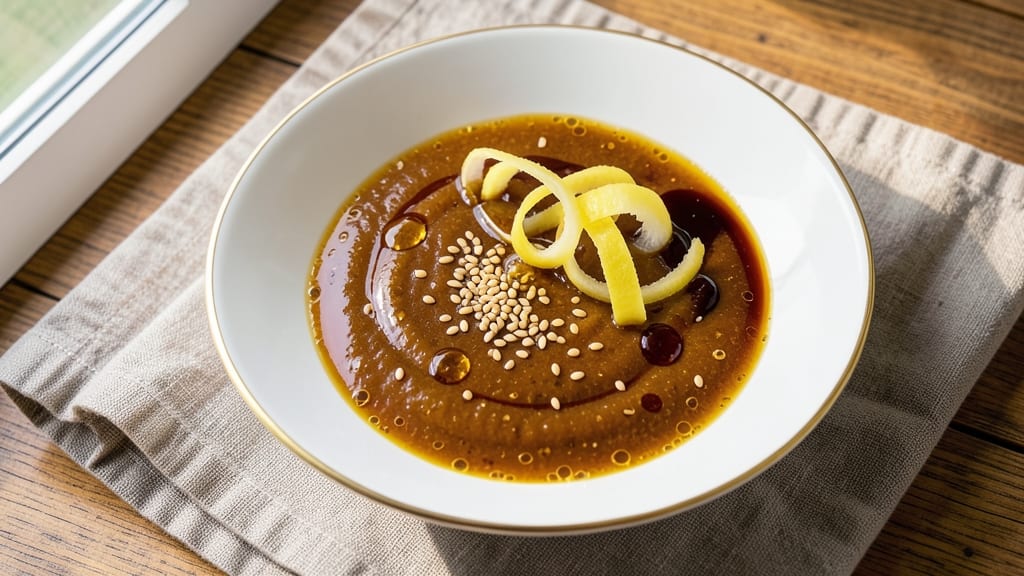
This Asian vinaigrette salad dressing recipe transforms ordinary salads into vibrant, umami-rich dishes with just 5 minutes of prep. The secret lies in balancing sweet, tangy, and savory notes—sesame oil adds nutty depth, rice vinegar brightens, and a touch of honey rounds out the complexity. I developed this version after craving restaurant-quality flavor without the fuss of emulsifiers or complicated techniques.
The dressing comes together with simple pantry staples: neutral oil, rice vinegar, soy sauce, sesame oil, and a pinch of ginger for warmth. What makes it special is the emulsification method—whisking the oil into the vinegar mixture slowly creates a silky, clingy texture that coats greens perfectly.
No blender required, just a bowl and determination (about 2 minutes of whisking).
Use it immediately on Asian-inspired salads with shredded cabbage, edamame, and sesame seeds, or let it marinate proteins for extra flavor. The dressing keeps for up to 1 week in the fridge, with flavors deepening over time.
For variations, add chili oil for heat, extra honey for sweetness, or fresh herbs like cilantro or Thai basil for brightness.
This isn't just another salad dressing—it's a flavor multiplier that elevates every dish it touches. The balance of sweet, tang, and umami makes it versatile enough for both quick lunches and elegant dinners. Let's make it.
Ingredients for asian vinaigrette salad dressing
These simple pantry staples create a restaurant-quality dressing with perfect umami balance.
| Ingredient | Amount | Notes |
|---|---|---|
| Neutral Oil (like Avocado or Light Olive Oil) 🫒 | ½ cup | High smoke point preferred |
| Rice Vinegar 🍶 | ¼ cup | Seasoned preferred for depth |
| Low-Sodium Soy Sauce 🍜 | 1 ½ tbsp | For umami balance |
| Toasted Sesame Oil 🌰 | 1 tbsp | Not cooking oil |
| Honey 🍯 | 1 tbsp | Light variety preferred |
| Fresh Ginger 🧄 | ½ tsp | Finely grated |
| Garlic Cloves 🧄 | 1 clove | Minced for flavor |
| Sesame Seeds 🌰 | 1 tsp | Toasted for garnish |
| Diamond Crystal Kosher Salt 🧂 | ¼ tsp | Adjust to taste |
| Black Pepper 🌶️ | ⅛ tsp | Freshly ground |
The sesame oil is where the magic happens—Kikkoman or La Choy brands work best for that nutty depth. Grab the lightest olive oil you can find (like a mild Spanish variety) to avoid overpowering flavors. For rice vinegar, Mushroom or Seasoned adds subtle umami without extra effort. Fresh ginger and garlic? Walmart or Trader Joe's usually have pre-grated ginger in the refrigerated section, but fresh is ideal if you're already there. The honey should be light amber—avoid dark varieties that can taste bitter.
No sesame oil? Toasted peanut oil at half the amount works in a pinch. Short on honey? Agave nectar or maple syrup are direct swaps. The soy sauce can be regular, but low-sodium is better for balance. If you're making a bigger batch, double the garlic and ginger—they're the flavor anchors. The sesame seeds are purely decorative, but toasting them in a dry pan for 30 seconds before adding amplifies their aroma. For extra depth, a dash of fish sauce (if not vegetarian) or vegetable bouillon powder works wonders.
This dressing peaks after 24 hours in the fridge—give it time to marry. Store in an airtight jar, and it'll keep for 1 week. For longer storage, portion into ice cube trays and freeze for up to 3 months. The texture will separate slightly after refrigeration—just whisk vigorously before using. If it gets too thick, add a splash of water or vinegar to loosen it up.
Why You'll Love This Recipe
- Five-Ingredient Magic: I swear by this combo—just oil, vinegar, soy sauce, sesame oil, and honey. No fancy tools, no waiting for anything to bloom, just stir and taste. Honestly, it’s the kind of recipe that makes me feel like a chef without the hassle.
- Umami Bomb: That low-sodium soy sauce and toasted sesame oil? They punch way above their weight. The balance of tangy, salty, and nutty hits every time—like a little flavor explosion in your jar, and it’s so much better than bottled dressings.
- Works Everywhere: Drizzle it over greens, toss it with cold noodles, or even use it as a marinade for grilled chicken. I’ve even dumped it into a mason jar and called it a “dressing dip” for spring rolls—because why not? It’s my secret weapon for lazy nights and fancy dinners.
- Lasts All Week: Make a big batch (it keeps for days in the fridge) and forget about salad boredom. The rice vinegar stays bright, the honey keeps it from separating, and I’m always reaching for it—whether it’s for a quick lunch or a last-minute dinner guest. Budget-friendly? Absolutely. Stress-free? Even better.
Step-by-step instructions for Asian vinaigrette salad dressing
This dressing delivers perfect balance—bright, tangy, and umami-rich with every pour.
Toast Sesame Seeds for Depth of Flavor
Heat a dry skillet over medium heat and add the 1 teaspoon sesame seeds. Toast them for 1-2 minutes until they turn a rich golden brown and release their nutty aroma. Watch closely—they burn quickly. Transfer immediately to a small plate to cool completely.
These toasted seeds add crunch and complexity to your dressing. If you skip toasting, they'll remain raw-tasting and won't contribute their full flavor profile. Let them cool completely before grinding—warm seeds will release oils that can make your dressing too greasy.
Grate Ginger and Mince Garlic Precisely
Using a fine grater, grate the 0.5 teaspoon fresh ginger until you have about 1 teaspoon of finely textured ginger. For the 1 clove garlic, mince it into tiny pieces—you want it almost paste-like. Both ingredients should be finely incorporated to avoid graininess in your dressing.
The reason for such fine grating is that these aromatics need to fully dissolve into the oil. If you use a coarse texture, you'll get unpleasant bits in every bite. I like to press the ginger against the grater with my fingers for even pressure—this ensures consistent texture throughout.
Whisk Wet Ingredients Together
In a medium bowl, combine the 0.25 cup rice vinegar, 1.5 tablespoons low-sodium soy sauce, 1 tablespoon honey, 0.5 teaspoon grated ginger, 1 clove minced garlic, 0.25 teaspoon kosher salt, and 0.125 teaspoon black pepper. Whisk vigorously for 30 seconds until the honey fully dissolves and the mixture becomes uniform.
This step builds the flavor foundation. The vinegar and soy sauce create the tangy-umami base, while the honey balances with sweetness. Whisking thoroughly ensures all ingredients integrate completely—no clumps of honey or undissolved salt. Taste at this stage: it should be noticeably tangy with a touch of sweetness and garlicky depth.
Gradually Emulsify with Neutral Oil
With the whisk still in the bowl, slowly drizzle in the 0.5 cup neutral oil while whisking continuously. Start with a few drops, then increase to a steady stream. Keep whisking for 2-3 minutes after all oil is added until the dressing thickens slightly and becomes glossy.
The key here is patience. Adding oil too quickly creates a broken emulsion that separates. The slow incorporation allows the oil to properly bind with the vinegar mixture. You'll know it's working when the dressing takes on a satiny sheen and coats the back of a spoon.
Finish with Toasted Sesame Oil and Seeds
Remove the dressing from the heat (if you were using a warm bowl) and stir in the 1 tablespoon toasted sesame oil and 1 teaspoon toasted sesame seeds. Let it sit for 5 minutes to allow the flavors to meld completely. Taste and adjust seasoning if needed—you may want to add a pinch more salt or a splash of vinegar.
This final step adds the signature nutty aroma and rich finish. The sesame oil enhances the umami while the seeds provide textural contrast. Store in an airtight container in the refrigerator for up to 1 week, shaking well before each use to re-emulsify if needed.
Pro Tips For Making Asian Vinaigrette Salad Dressing
- Whisk in stages: Start by mixing the rice vinegar, soy sauce, and honey first—this lets the honey dissolve smoothly. Only add the oils last, then whisk hard for 10 seconds to emulsify properly. I used to dump everything in at once, and the dressing always separated like a sad soup.
- Use cold sesame oil: Toasted sesame oil loses its aroma when heated, so add it last and stir it in gently. A few drops (½ teaspoon) is enough—too much makes the dressing taste like a gas station snack. I learned this after burning through a bottle trying to "fix" a bland dressing.
- Balance the vinegar: Taste before adding honey—rice vinegar can vary in sharpness. If it’s too tangy, add honey gradually (½ teaspoon at a time). I once dumped in a whole tablespoon and ended up with a dessert dressing instead of a salad one.
- Shake before measuring: Honey thickens over time, so give the bottle a good shake before scooping. A smooth, runny honey blends better than clumpy globs. I skipped this once and ended up with a dressing that looked like it had sand in it.
Creative variations of this asian vinaigrette salad dressing
Spicy Chili-Lime Twist
For a bold kick, stir in 1 teaspoon chili oil (like La Choy Chili Crisp) and ½ teaspoon lime zest after adding the sesame oil.
This variation works beautifully with shredded cabbage, jicama, and cilantro for a refreshing spicy salad. I love this version with grilled shrimp or chicken. 🌶️
Sweet Mango-Herb Fusion
Swap the honey for 2 tablespoons mango puree (or ½ cup diced fresh mango) and add 1 tablespoon chopped Thai basil or mint. This tropical-inspired dressing pairs perfectly with mixed greens, shredded carrots, and edamame. The natural sweetness of mango balances the tangy vinegar beautifully. 🍉
Nutty Peanut Variation
Replace the sesame oil with 1 tablespoon peanut oil and add 1 teaspoon creamy peanut butter to the wet ingredients. Stir in ½ teaspoon sriracha for depth.
This rich, peanut-forward dressing elevates Asian-inspired bowls with rice, tofu, and crunchy veggies. For extra texture, top with crushed peanuts instead of sesame seeds. 🥜
Herb-Infused Brightness
Add 1 tablespoon chopped fresh cilantro or Thai basil directly to the dressing after whisking in the oil. For a more robust flavor, use 1 teaspoon dried shiso leaves (if available).
This herbaceous version shines on cucumber, avocado, and bell pepper salads. The fresh herbs add a bright, almost citrusy note that cuts through the richness. 🌿
Smoky Gochujang Depth
For a Korean-inspired twist, reduce the honey to ½ tablespoon and add 1 teaspoon gochujang paste (like Maesil Gochujang) along with ½ teaspoon toasted sesame seeds.
This smoky, slightly spicy dressing pairs wonderfully with kimchi, bean sprouts, and grilled meats. The gochujang adds a deep, fermented complexity that elevates the umami profile. 🔥
Citrusy Yuzu Zing
Replace the rice vinegar with ¼ cup yuzu juice (or sub 2 tablespoons lemon juice + 1 teaspoon orange zest). Add ½ teaspoon grated yuzu peel (if available) for an extra bright, citrusy punch.
This version works beautifully with seafood salads, shredded napa cabbage, and edamame. The yuzu adds a delicate floral note that’s lighter than traditional vinegar. 🍋
Nutrition facts
Frequently asked questions
Can I make this dressing without sesame oil?
Yes! For a similar nutty depth, substitute with 1 tablespoon toasted peanut oil or ½ tablespoon walnut oil. If you're avoiding nut oils entirely, reduce the garlic to ½ clove and add ½ teaspoon toasted cumin seeds for warmth. The flavor will be different but still delicious—just less distinctly "Asian."
Why did my dressing separate after refrigerating?
This happens when oil and vinegar aren't properly emulsified. Whisk vigorously for 30 seconds before storing, and give it a good shake before using. For extra stability, add ½ teaspoon xanthan gum (mixed with the wet ingredients) or use 1 tablespoon Dijon mustard as a natural emulsifier. The dressing should re-emulsify completely with a few shakes.
What's the best way to use this dressing beyond salads?
This versatile dressing works as a marinade for chicken, tofu, or shrimp (use ¼ cup per pound of protein). It also elevates rice bowls, noodle dishes, or even as a dipping sauce for spring rolls or dumplings. For extra flavor, let the protein marinate for 15-20 minutes before cooking. The sweet and tangy notes caramelize beautifully on the grill!
Can I make this dressing spicier?
Add ½ teaspoon gochugaru (Korean chili flakes) or ½ teaspoon sriracha when whisking the wet ingredients. For heat with depth, stir in 1 teaspoon chili crisp or ½ teaspoon cayenne pepper after adding the sesame oil. Start with small amounts—you can always add more, but you can't take it out!
How do I adjust the sweetness level?
If you prefer less sweetness, reduce the honey to ½ tablespoon or swap it for 1 teaspoon maple syrup. For extra sweetness, add ½ teaspoon vanilla extract or 1 teaspoon orange juice to complement the flavors. Taste as you go—the dressing should balance tangy, sweet, and savory notes. A pinch of salt can also enhance perceived sweetness!