
Sauces & Condiments
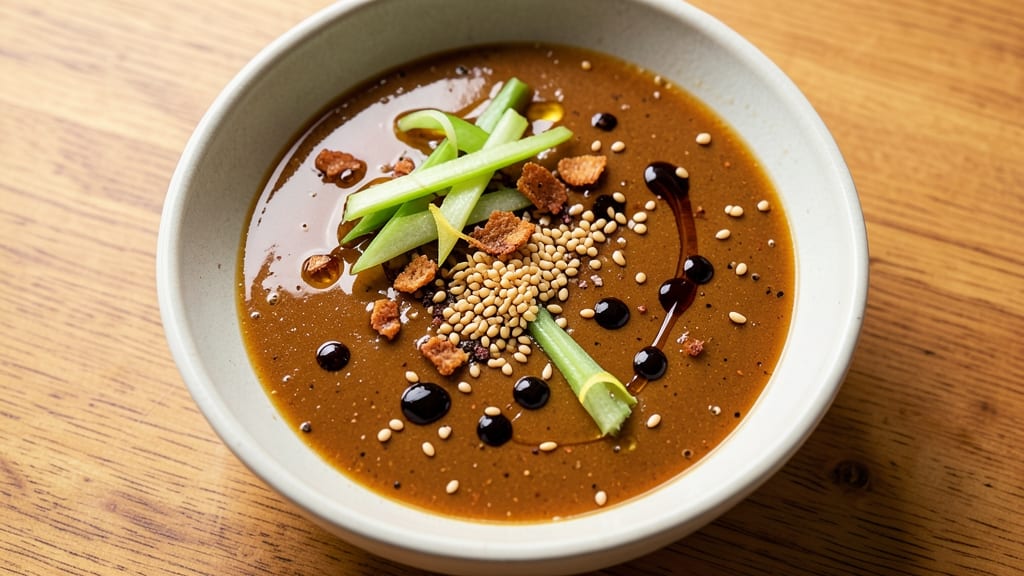
This Asian toasted sesame salad dressing recipe transforms simple ingredients into a nutty, umami-rich sauce that elevates every dish. The secret lies in properly toasting sesame seeds until they release their deep, toasty aroma—this step alone makes the difference between ordinary and extraordinary.
I developed this recipe after years of searching for a dressing that balanced tangy, sweet, and savory notes without overpowering fresh greens or delicate proteins.
The magic happens in the blend: toasted sesame seeds, sesame oil, rice vinegar, and a touch of maple syrup create a smooth, velvety dressing with layers of flavor. Unlike store-bought versions, this one delivers authentic Asian depth while remaining vegan-friendly and easy to customize.
The texture is perfect—thick enough to cling to noodles or grilled chicken but light enough to drizzle over crisp salads.
What you’ll end up with is a dressing that transforms ordinary meals into restaurant-quality dishes. The nutty sesame flavor pairs beautifully with fresh greens, soba noodles, or marinated tofu, while the subtle sweetness and tang keep every bite balanced.
Best of all, it keeps for up to two weeks in the fridge, making it a pantry staple for quick meals.
Use it as a marinade, dipping sauce, or salad dressing—this versatile condiment will become your go-to for adding complex, umami-rich flavor to any dish. Let’s get started on creating your perfect batch.
Ingredients for asian toasted sesame salad dressing
Nine simple ingredients unlocking restaurant-quality umami in minutes—no exotic finds required.
| Ingredient | Amount | Notes |
|---|---|---|
| Toasted Sesame Seeds 🌰 | ½ cup | Lightly toasted until aromatic |
| Sesame Oil 🫒 | ½ cup | Toasted sesame oil preferred |
| White Rice Vinegar 🍶 | ⅓ cup | Mild, good quality preferred |
| Pure Maple Syrup 🍯 | ¼ cup | Grade B for deeper flavor |
| Soy Sauce 🍜 | ¼ cup | Organic tamari for gluten-free |
| Fresh Ginger Root 🧅 | 1 tbsp | Finely grated, fresh preferred |
| Garlic Cloves 🧄 | 2 cloves | Minced, fresh preferred |
| Sesame Paste 🌰 | 2 tbsp | For extra depth and texture |
| Water 💧 | ¼ cup | For thinning consistency |
| Sea Salt 🧂 | ½ tsp | Fine grain for balance |
The sesame seeds are where the magic happens. Toast them in a dry pan over medium heat until they turn golden and smell deeply nutty—about 3-4 minutes. Trader Joe's and Asian markets carry the best quality, but any store's sesame seeds will work if toasted properly. Skip the pre-toasted seeds; they lack that fresh aroma. The sesame oil should be toasted sesame oil—look for brands like Kikkoman or La Choy in the Asian aisle. If you can't find it, regular sesame oil will work, but the flavor will be milder. Fresh ginger and garlic are non-negotiable here—they bring the bright, zesty kick that balances the richness of the sesame.
No sesame seeds? Double the sesame oil and sesame paste to compensate, though the texture will be slightly smoother. Running out of rice vinegar? Apple cider vinegar works in a pinch, but it'll have a slightly sharper tang. For a gluten-free version, swap soy sauce for tamari or coconut aminos. The maple syrup can be swapped for agave nectar or date syrup if you prefer a different sweetness profile. If your dressing ends up too thick, add more water 1 tbsp at a time—it should coat the back of a spoon but still drizzle easily. For extra depth, add a dash of miso paste (white or red) if you're feeling adventurous.
This dressing keeps beautifully—2 weeks in the fridge in an airtight jar. The flavors actually improve over time as everything melds together. For best results, store it in a dark glass jar to protect the sesame oil from light. If you make a big batch, portion it into smaller jars so you can grab just what you need without transferring. It also freezes well for up to 6 months, though the texture may separate slightly when thawed—just give it a good stir before using. Always taste before serving; you can adjust sweetness with more maple syrup or saltiness with a pinch of soy sauce.
Why You'll Love This Recipe
- Five-Ingredient Magic: Honestly, I can’t believe how little stands between me and flavor—just whisk these five things together. Toasted sesame seeds add that nutty crunch, while the maple syrup cuts the tang of rice vinegar in the most satisfying way. No fancy techniques, no stress—just a quick stir and you’re done.
- Umami Bomb: That first drizzle of sesame oil? Pure flavor payday. The soy sauce brings the savory depth, the maple syrup balances with just enough sweetness, and the toasted sesame seeds add a toasty, almost caramelized bite. It’s the kind of dressing that makes you pause mid-bite to appreciate how good it is.
- Dresses Everything: Between us, this is my go-to for salads, grilled chicken, or even drizzled over sushi bowls. I keep a jar in the fridge because it’s that reliable—works for weeknight dinners, potlucks, or when I’m too tired to think. The rice vinegar keeps it bright, so it never feels heavy.
- Makes Leftovers Shine: I double the batch every time because it lasts forever and costs almost nothing. A little goes a long way, and the flavors only get better as it sits. Plus, the soy sauce and maple syrup combo means it’s budget-friendly without sacrificing taste. Win-win for lazy nights and smart shopping.
Step-by-step instructions for Asian toasted sesame dressing
This dressing delivers bold, nutty umami that transforms any salad or bowl into a flavor sensation.
Toast the Sesame Seeds for Maximum Flavor
Heat a dry skillet over medium-low heat and add the 0.5 cup toasted sesame seeds. Toast them for 3-4 minutes, stirring constantly, until they turn a deeper golden brown and release their rich aroma. You'll know they're ready when they smell intensely nutty and toasty—this is the foundation of your dressing's depth.
Remove the seeds immediately and let them cool for 5 minutes before grinding. Toasting enhances their flavor dramatically, but be careful not to burn them—they should be golden, not dark brown. Transfer the toasted seeds to a clean bowl once cooled.
Grind the Sesame Seeds and Mix with Paste
Using a high-powered spice grinder or mortar and pestle, grind the toasted sesame seeds into a fine powder. You're aiming for a consistency similar to coarse sand—this will create texture in your dressing. Add the 2 tablespoons sesame paste and mix well to combine.
Here's where the magic happens: the sesame paste adds an extra layer of nutty richness that you won't get from seeds alone. Set this mixture aside temporarily—it's about to become the star of your dressing. The paste should be fully incorporated, with no visible dry spots remaining.
Combine Wet Ingredients for Perfect Balance
In a medium bowl, whisk together the 0.5 cup sesame oil, 0.33 cup white rice vinegar, 0.25 cup pure maple syrup, and 0.25 cup soy sauce. The vinegar should cut through the richness of the oil and syrup, while the soy sauce adds that essential umami punch. Stir until completely smooth—this is your base flavor profile.
Add the 1 tablespoon finely grated fresh ginger root and 2 cloves minced garlic cloves to the wet mixture. Let these aromatics steep for 5 minutes while you prepare the remaining ingredients. This brief infusion allows their bright flavors to meld with the other components, creating a more complex base.
Blend All Components to Creamy Perfection
Add the ground sesame seed mixture to the wet ingredients and stir vigorously with a whisk or fork. The texture should begin to thicken as the seeds absorb the liquid. Pour in the 0.25 cup water gradually, whisking continuously to prevent clumping. This step is crucial—you want a dressing that's thick enough to coat but still pours smoothly.
Finally, add the 0.5 teaspoon sea salt and taste immediately. Adjust the balance if needed—you might want to add a touch more vinegar for acidity or a splash of water if it's too thick. The dressing should be glossy, with a rich nutty aroma and perfect balance between sweet, salty, and umami flavors.
Rest and Adjust for Ultimate Freshness
Let the dressing rest for 10-15 minutes at room temperature. This resting period allows all the flavors to fully meld together, creating a more cohesive taste profile. Give it a final taste test before using—sometimes resting reveals if additional adjustments are needed.
The dressing should now coat the back of a spoon with a velvety texture while maintaining its ability to drizzle beautifully over salads. Store any leftovers in an airtight container in the refrigerator for up to 1 week, though I guarantee you'll use it all immediately—it's that good!
Pro Tips For Making Asian Toasted Sesame Salad Dressing
- Toast the Seeds Properly: Skip the microwave—dry-toast your sesame seeds in a small, uncrowded skillet over medium-low heat for 3-4 minutes, stirring constantly. They’ll darken just enough to smell nutty and rich, not burn. I learned this the hard way after inhaling smoke from a rushed batch.
- Whisk in Stages: Don’t dump everything in at once. Start with the soy sauce and maple syrup, whisking until smooth, then slowly drizzle in the sesame oil while whisking like your life depends on it. This keeps the dressing emulsified and prevents that dreaded oil separation later.
- Use Cold Vinegar: Chill your white rice vinegar in the fridge for 10 minutes before mixing—it balances the sweetness better and cuts through the richness. I was skeptical until I tried it; now I swear by the tangier finish.
- Balance the Soy Sauce: If your dressing tastes too salty, it’s not the soy sauce—it’s the vinegar. Reduce the soy by ½ teaspoon and add a splash more vinegar (even just ¼ teaspoon) to brighten the flavor. Trust me, your taste buds will notice.
Best sauces and condiments for this asian toasted sesame salad dressing
Sesame Oil Variations
For an extra-rich texture, swap ½ cup regular sesame oil with ¼ cup toasted sesame oil and ¼ cup neutral oil like avocado or light olive oil. The toasted oil adds depth, while the neutral oil prevents overpowering bitterness.
I love using Kikkoman Toasted Sesame Oil—it has that perfect balance of nutty and slightly smoky notes. 🌰
If you can't find toasted sesame oil, toast 1 tbsp extra sesame seeds in the same pan as your initial batch, then grind them into a fine powder. Mix this into your dressing for a similar flavor boost. The key is toasting—it unlocks the sesame's full potential.
Sweetness Adjustments
Maple syrup gives this dressing its natural sweetness, but you can tweak it based on preference. For a more refined sweetness, use agave nectar—it has a neutral flavor that won't compete with the sesame notes.
If you prefer a deeper caramel flavor, try date syrup instead. Start with 2 tbsp and adjust to taste.
For a savory-only version, reduce the maple syrup to 1 tbsp and add 1 tsp honey (or agave for vegan) to balance the acidity. This works beautifully with spicy dishes like sushi or kimchi bowls. The honey adds a subtle floral note that complements the umami.
Umami Boosters
To intensify the umami flavor, add 1 tsp white miso paste or 1 tsp fish sauce (for non-vegan versions). The miso adds a fermented depth that pairs perfectly with the toasted sesame.
I recommend Miyoko’s Creamy White Miso—it blends smoothly without graininess. For a vegetarian option, coconut aminos work well too.
For extra richness, stir in 1 tbsp tahini after blending. Tahini’s creamy texture thickens the dressing while adding another layer of nutty flavor. This works especially well with hearty dishes like grain bowls or grilled meats. Just whisk it in until fully combined.
Spicy Kick Options
Add heat with ½ tsp gochujang (Korean chili paste) or ¼ tsp sriracha for a subtle spicy note. The gochujang brings fermented depth and a gentle heat, while sriracha adds a tangy kick.
For a smoky-spicy twist, mix in ¼ tsp smoked paprika with the garlic and ginger before steeping. 🌶️
If you love chili oil, drizzle 1 tsp chili crisp (like Lao Gan Ma) over the finished dressing. The crispy texture and fiery heat contrast beautifully with the smooth sesame base. This works especially well with noodle dishes or as a dipping sauce for spring rolls.
Nutrition facts
Frequently asked questions
Can I make this dressing without sesame seeds?
Yes, but the texture and flavor will change. Replace the 0.5 cup sesame seeds with 0.6 cup sesame paste and add 1 extra tablespoon toasted sesame oil for depth. The result will be smoother but still nutty—just less textured. For extra richness, stir in 1 tablespoon tahini after blending.
How do I fix dressing that's too thick or too thin?
For thick dressing, thin with 1 teaspoon water at a time until it reaches a pourable consistency. If too thin, whisk in 1 teaspoon sesame paste or 1 teaspoon ground toasted sesame seeds to thicken. Always adjust gradually—you can always add more, but you can't remove excess liquid.
What's the best way to store leftover dressing?
Transfer to an airtight glass jar and store in the fridge for up to 2 weeks. The flavors actually improve with time! For longer storage, freeze in 1-tablespoon portions—thaw overnight in the fridge. The sesame oil may separate slightly when frozen, but whisking restores the texture perfectly.
Can I use this dressing on non-salad dishes?
It's perfect for marinating grilled chicken or tofu, as a dipping sauce for spring rolls or dumplings, or drizzled over ramen, pho, or grain bowls. The nutty umami flavor works beautifully with both proteins and vegetables. Try it as a finishing sauce for sushi rolls or cold noodle salads too!
Why does my dressing taste bitter?
Over-toasted sesame seeds or using regular (not toasted) sesame oil are common culprits. For the best flavor, toast seeds until golden (not dark brown) and use toasted sesame oil. If bitterness persists, balance it with 1 extra teaspoon maple syrup or 1 teaspoon rice vinegar to cut through the harshness.