
Salads
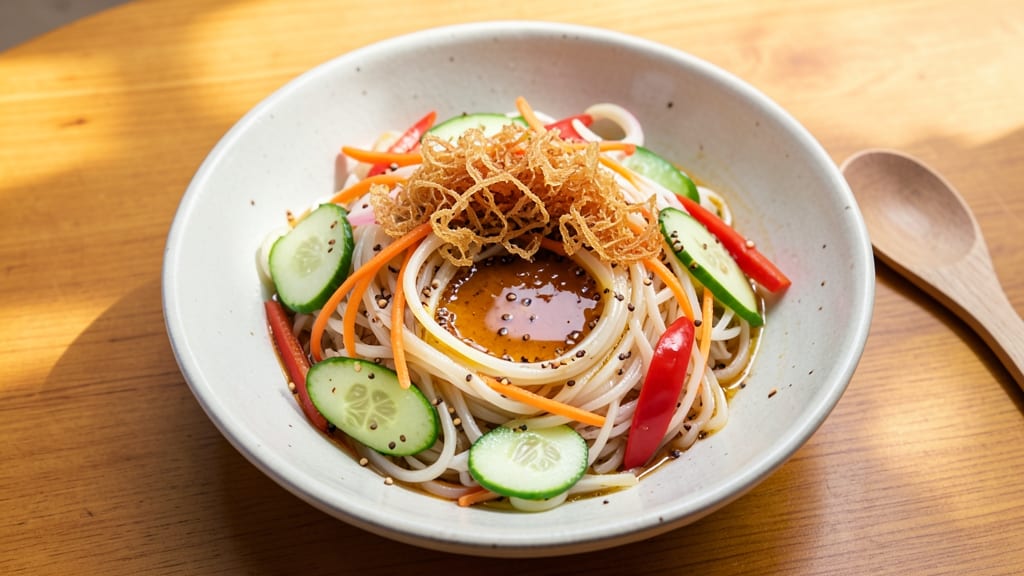
This Asian sesame noodle salad recipe delivers restaurant-quality flavors with a nutty-sesame gloss that coats every strand of noodle. The secret lies in balancing tangy, sweet, and umami elements—just like my favorite takeout dish, but made with fresh, wholesome ingredients you can feel good about.
I’ve perfected this version to be vegetarian-friendly while still packing bold, satisfying flavor.
The foundation starts with chewy, cold noodles tossed in a silky sesame dressing that’s rich with toasted sesame oil, ginger, and garlic. Fresh vegetables like shredded carrots, cucumber, and bell peppers add crunch and brightness, while optional protein like crispy tofu or edamame keeps it hearty.
The key? Tossing everything while the dressing is still warm—this ensures maximum flavor absorption for that signature glossy finish.
What you’ll end up with is a harmonious, vibrant salad that’s perfect for meal prep or a light lunch.
The dressing’s depth comes from a mix of soy sauce, rice vinegar, and a touch of honey (or maple syrup for vegan), creating a balance that’s both savory and subtly sweet.
The salad tastes even better after chilling for 30 minutes—flavors meld beautifully, and the noodles soften just enough for the ideal texture.
This recipe is endlessly adaptable—swap in your favorite veggies, add sesame seeds for crunch, or drizzle with chili oil for heat. Whether you’re serving it as a main dish or a side, the nutty, aromatic dressing will make it the star of any meal. Let’s get started!
Ingredients for asian sesame noodle salad
Chewy noodles, nutty dressing, and crisp veggies—this salad delivers restaurant-quality flavor at home.
| Ingredient | Amount | Notes |
|---|---|---|
| Rice Noodles 🍜 | 12 oz | Thin or medium width preferred |
| Toasted Sesame Oil 🫒 | ⅓ cup | High-quality, nutty aroma |
| Fresh Ginger 🌿 | 2 tbsp | Finely grated, aromatic |
| Garlic Cloves 🧄 | 4 cloves | Minced, fresh preferred |
| Soy Sauce 🥢 | ¼ cup | Low-sodium preferred |
| Rice Vinegar 🍶 | ¼ cup | Seasoned preferred for balance |
| Honey 🍯 | 2 tbsp | Or maple syrup for vegan |
| Carrots 🥕 | 2 medium | Shredded, about 1 cup |
| Cucumber 🥒 | 1 medium | Seedless, sliced thin |
| Red Bell Pepper 🌶️ | 1 whole | Thinly sliced, any color |
| Sesame Seeds 🥜 | 2 tbsp | Toasted, for garnish |
| Fresh Cilantro 🌿 | ¼ cup | Chopped, optional garnish |
| Crispy Tofu 🥬 | 8 oz | Extra-firm, cubed (optional) |
| Salt 🧂 | 1 tsp | Kosher or sea salt |
| Black Pepper 🌶️ | ½ tsp | Freshly ground |
The sesame oil is non-negotiable here. Kadoya or La Choy are solid grocery store brands, but if you can find toasted sesame oil at an Asian market, grab it—it’s a game-changer. Fresh ginger and garlic should smell vibrant, not dusty. I always buy ginger in small jars from Whole Foods or the produce section—their pre-grated ginger is convenient but lacks punch. For the noodles, rice noodles are ideal, but if you can’t find them, egg noodles work in a pinch. Just be sure to rinse them with cold water after cooking to stop the cooking process and keep them chewy.
No sesame seeds? Toasted sunflower seeds add a similar crunch. Short on tofu? Edamame or marinated baked tofu are great swaps. The honey can be swapped for maple syrup or agave for a vegan version—just reduce by 10% since it’s sweeter. If you’re using pre-shredded carrots, give them a quick rinse to remove excess starch. The bell pepper can be any color—red, yellow, or orange all work beautifully. For extra umami, add a dash of fish sauce (if not vegetarian) or a splash of vegetable bouillon to the dressing.
This salad tastes even better the next day—flavors meld beautifully when chilled. Store the dressing separately in a small jar and toss with noodles before serving. The crispy tofu stays crunchy for 2 days in the fridge if stored in an airtight container. For meal prep, portion the dressing into small containers and keep the veggies separate until ready to serve. The noodles soften over time, so I like to make this fresh and enjoy it within 3 days for the best texture.
Why You'll Love This Recipe
- I’ll be real: this recipe won’t break the bank. Rice noodles, soy sauce, and a knob of ginger? You’re looking at under $5 for a week’s worth of meals. Plus, it’s the kind of dish that turns random leftovers (think: extra chicken or veggies) into something actually exciting.
- No Boil, No Stress: I’ll admit it—this is the first noodle salad I’ve made where I don’t have to babysit the stove. Toss those rice noodles in hot water for 3 minutes, drain, and you’re done. The sesame oil and ginger do all the heavy lifting from there.
- Umami Bomb: That first bite? Chef’s kiss. The toasted sesame oil hits like a warm hug, while the fresh ginger and garlic cloves bring the heat in the best way—bright, tangy, and impossible to resist. Honestly, I’ve made it three times this week already.
- Lunchbox Hero: Between us, this is my go-to for packed lunches. It stays fresh for days in the fridge, and I swear, the flavors get better overnight. Add some shredded carrots or edamame for crunch, and it’s a full meal—no sad desk salads here.
Step-by-step instructions for Asian sesame noodle salad
Here's how to create a vibrant, nutty-sesame dressed salad with perfectly balanced textures.
Prepare the Noodles and Crispy Components
Bring a large pot of water to a rolling boil and add the 12 oz rice noodles. Cook for 4-5 minutes until they're tender but still retain a slight bite—you want them al dente so they don't turn mushy. Drain immediately and rinse under cold water to stop the cooking process. This prevents the noodles from becoming gummy when mixed with the dressing later.
While the noodles cook, prepare the crispy elements. If using the 8 oz crispy tofu, simply drain it on paper towels to remove any excess oil. For extra crunch, you could lightly toast the 2 tbsp sesame seeds in a dry skillet over medium heat for 1-2 minutes until golden and fragrant. Set both aside—the tofu adds protein while the sesame seeds provide texture contrast.
Create the Signature Sesame Dressing
In a medium bowl, whisk together the 0.33 cup toasted sesame oil, 0.25 cup soy sauce, 0.25 cup rice vinegar, and 2 tbsp honey until fully combined. The mixture should be smooth and glossy. Add the 2 tbsp finely grated fresh ginger and 4 cloves minced garlic cloves, stirring well to incorporate. Let this sit for 5 minutes—this allows the flavors to meld and the ginger's heat to mellow slightly.
Taste the dressing before proceeding. You might find it needs a touch more balance—if it's too sharp, add another ½ teaspoon of honey; if it's too sweet, a splash of rice vinegar will help. The dressing should coat the back of a spoon with a silky, nutty finish. This is the heart of your dish, so don't rush this step.
Shred and Slice the Fresh Vegetables
Using a mandoline or sharp knife, shred the 2 medium carrots into thin, even strips—about 1 cup total. For the 1 medium cucumber, slice it into ¼-inch thick half-moons and sprinkle immediately with ½ teaspoon of salt. Let it sit for 10 minutes, then pat dry with paper towels to remove excess moisture. This prevents a watery salad.
Next, slice the 1 whole red bell pepper into thin strips—about ¼-inch wide. The goal is to create a mix of textures: the crisp carrots, the cool cucumber, and the slightly sweet pepper. Keep all your vegetables separate until you're ready to combine them with the noodles and dressing. This organized approach ensures everything stays fresh and vibrant.
Assemble and Toss the Salad
In a large mixing bowl, combine the drained rice noodles, shredded carrots, cucumber slices, and bell pepper strips. Pour the dressing over the vegetables and noodles, tossing gently but thoroughly to coat everything evenly. The noodles should glisten with the sesame oil, and the vegetables should be lightly dressed but still retain their texture.
If using the 8 oz crispy tofu, add it now and toss one final time. Sprinkle with the remaining ½ teaspoon black pepper and the 2 tbsp toasted sesame seeds. The tofu adds a satisfying crunch that contrasts beautifully with the soft noodles. For extra freshness, scatter the 0.25 cup chopped fresh cilantro over the top—this adds a bright, herbal note that cuts through the richness of the sesame dressing.
Serve Immediately for Maximum Freshness
Transfer the salad to serving plates and serve immediately while everything is still crisp and vibrant. The dressing will continue to meld with the noodles and vegetables, but serving right away ensures the best texture contrast. This dish is best enjoyed fresh, so don't let it sit too long before eating—it's designed to be a quick, refreshing meal that comes together in minutes.
For an extra touch, you could serve this salad with a side of steamed edamame or grilled shrimp to add more protein. The balance of textures and flavors in this dish makes it perfect for a light lunch or a refreshing side dish for any meal. Enjoy the nutty-sesame gloss and crisp vegetables in every bite!
Pro Tips For Making Asian Sesame Noodle Salad
- SOAK NOODLES SEPARATELY: If you’re using dry rice noodles, split them into batches and soak in warm (not boiling) water for 8-10 minutes—no more, no less. Over-soaking turns them mushy, and under-soaking leaves them chewy. I learned this the hard way after serving a salad where half the noodles were still rock-hard.
- MINCE GINGER THINLY: Skip the coarse grating—finely mince the ginger with a knife until it’s almost paste-like. This ensures it blends smoothly into the dressing without clumps. I used to grate it, and those little strings of fiber always ruined the texture.
- COOL NOODLES BEFORE DRESSING: Drain the noodles and rinse them under cold water immediately, then spread them on a tray to cool completely. Hot noodles absorb the sesame oil dressing unevenly, making some strands greasy while others stay dry. (Yes, it’s an extra step, but it’s worth it.)
- USE GARLIC PASTE: Instead of raw minced garlic, mix 1-2 cloves into a paste with a splash of water before adding it to the dressing. This prevents the garlic from burning when you heat the oil and gives a smoother, more integrated flavor. I was skeptical until I tried it—now I won’t go back.
Regional styles of this asian sesame noodle salad
Japanese-Inspired Style
In Japan, this salad takes on a lighter, more delicate form with a focus on freshness. Replace the soy sauce with tamari (a gluten-free soy sauce alternative) and add 1 tbsp mirin to the dressing for a subtle sweetness.
Swap the honey for agave syrup and include 1 tsp grated daikon radish for a crisp, refreshing bite. Garnish with toasted white sesame seeds and thinly sliced green onions for an elegant finish. Serve with pickled ginger on the side for a traditional touch. 🌿
Thai-Inspired Heat
For a Thai-inspired twist, amp up the heat with 1 tbsp chili garlic sauce or 1 tsp sambal oelek in the dressing. Add 1 tbsp fish sauce (or soy sauce for vegetarian) and 1 tsp lime juice to brighten the flavors.
Include thinly sliced Thai basil and crushed peanuts for texture. Serve with a side of sweet chili sauce for dipping. The balance of spicy, sweet, and nutty makes this version a crowd-pleaser. 🌶️
Korean-Inspired Crunch
Infuse the dressing with 1 tbsp gochujang (Korean chili paste) and 1 tsp toasted sesame seeds for depth. Add shredded purple cabbage and thinly sliced scallions for extra crunch. Top with crispy fried shallots and a sprinkle of black sesame seeds for a nutty contrast.
Serve with a side of kimchi to complement the bold flavors. This version is hearty and packed with umami. 🥬
Vietnamese-Inspired Freshness
For a Vietnamese-inspired salad, use rice vinegar and fish sauce (or soy sauce) in the dressing, along with 1 tsp lime zest and 1 tsp sugar. Add thinly sliced mint leaves and cilantro for freshness.
Include shredded jicama and thinly sliced cucumber for a crisp texture. Garnish with crushed peanuts and a drizzle of hoisin sauce for a sweet-savory finish. This version is light, refreshing, and perfect for warm days. 🥒
Chinese-Inspired Umami
To give this salad a Chinese-inspired twist, use dark soy sauce in the dressing and add 1 tsp oyster sauce (or vegetarian oyster sauce) for umami depth. Include thinly sliced water chestnuts and shredded bok choy for texture.
Garnish with toasted sesame seeds and thinly sliced green onions. Serve with a side of steamed dumplings or spring rolls for a complete meal. The rich, savory flavors make this version hearty and satisfying. 🥢
Nutrition facts
Frequently asked questions
Can I use regular pasta instead of rice noodles?
While rice noodles are ideal for their chewy texture, you can substitute with egg noodles or udon noodles for a heartier version. Just reduce cooking time by 1-2 minutes to avoid mushiness. Avoid al dente pasta—it won't absorb the dressing the same way. For best results, rinse cooked pasta thoroughly with cold water to remove excess starch.
How do I make this vegan?
Swap the honey for maple syrup or agave, use vegetable bouillon instead of fish sauce, and ensure your tofu is vegan. For extra depth, add 1 tsp miso paste to the dressing. All other ingredients in this recipe are naturally vegan-friendly!
Why does my dressing taste too strong or bitter?
This usually happens from over-toasting the sesame oil or using too much soy sauce. Start with 0.25 cup soy sauce and adjust gradually. If the oil tastes bitter, use a lighter variety or reduce to 0.25 cup. For balance, add another ½ teaspoon of honey or a splash of rice vinegar. Let the dressing sit for 5 minutes before tasting—flavors mellow over time.
Can I meal prep this salad?
Yes, but store components separately! Keep the dressing in a small jar and the noodles/veggies in another container. Toss everything together right before serving to maintain crispness. The salad keeps well for 2-3 days in the fridge, though the tofu may lose crunch after 1 day. For best texture, make it fresh and enjoy within 24 hours.
What's the best way to add protein?
Beyond crispy tofu, try grilled shrimp, chicken breast, or steamed edamame for plant-based options. For extra crunch, add fried wonton strips or crumbled tempeh. Always add protein after tossing the salad to prevent sogginess. Cook proteins separately and add them last for maximum texture contrast!