
Salads
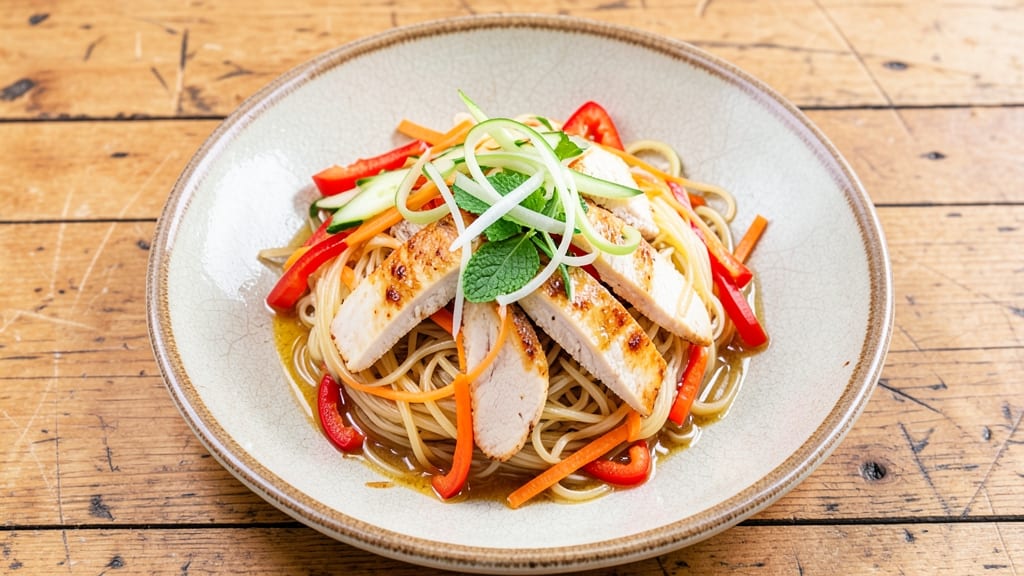
This Asian Oriental salad recipe transforms simple ingredients into a vibrant, crunchy bowl that balances sweet, tangy, and umami flavors in every bite. The foundation is chewy rice noodles tossed with fresh vegetables, protein of choice, and a zesty sesame dressing that ties everything together.
I developed this recipe after years of experimenting with Asian-inspired dishes, and it's become a staple in my meal rotation—equally at home on weeknight dinners or elegant gatherings.
The beauty of this salad lies in its adaptability. Swap in grilled chicken for a protein-packed meal, use tofu for a vegetarian version, or keep it simple with just fresh veggies.
The dressing, made with sesame oil, rice vinegar, soy sauce, and a touch of honey, is the secret weapon—it cuts through the crunch while adding layers of flavor that keep you reaching for another bite.
What makes this recipe stand out is how effortlessly it comes together in just 20 minutes, yet tastes like it was prepared with hours of care.
What you'll end up with is a visually stunning dish that's as satisfying to eat as it is to look at: crisp rice noodles, fresh greens, crunchy vegetables, and protein all coated in that irresistible sesame dressing.
The textures play beautifully together—creamy from the dressing, crunchy from the veggies, and chewy from the noodles—while the flavors dance between sweet, tangy, and savory. This salad is the kind of dish that makes healthy eating feel indulgent.
Perfect for meal prep, potlucks, or a light lunch, this recipe scales easily to serve a crowd or just one. The components keep well in the fridge for up to 3 days, making it an ideal make-ahead option.
Whether you're a seasoned home cook or just starting out, this Asian Oriental salad delivers restaurant-quality results without the fuss. Let's get started!
Ingredients for asian oriental salad
Chewy rice noodles, fresh vegetables, and a tangy sesame dressing create this vibrant salad.
| Ingredient | Amount | Notes |
|---|---|---|
| Rice Noodles 🍜 | 8 oz | Flat, wide variety preferred |
| Cooked Chicken Breast 🍗 | 1 lb | Diced, skinless, boneless |
| Red Bell Pepper 🌶️ | 1 whole | Thinly sliced lengthwise |
| Carrot 🥕 | 1 whole | Julienned or matchstick cut |
| Cucumber 🥒 | 1 whole | Seedless, thinly sliced |
| Green Onion 🧅 | 3 whole | Thinly sliced, white and green |
| Fresh Cilantro 🌿 | ¼ cup | Chopped, stems removed |
| Sesame Seeds 🌱 | 1 tbsp | Toasted for garnish |
| Sesame Oil 🫒 | 2 tbsp | Toasted, for dressing |
| Rice Vinegar 💧 | 3 tbsp | Seasoned preferred |
| Soy Sauce 🍶 | 2 tbsp | Low-sodium preferred |
| Honey 🍯 | 1 tbsp | Pure, for balance |
| Garlic Cloves 🧄 | 2 cloves | Minced, for dressing |
| Ginger 🌿 | 1 tsp | Freshly grated |
| Salt 🧂 | ½ tsp | Kosher or sea salt |
| Black Pepper 🌶️ | ¼ tsp | Freshly ground |
The rice noodles are the backbone of this dish, so pick a flat, wide variety—they hold up better to tossing. Asian markets or the international aisle usually carry the best selection, but most grocery stores stock them too. Look for a package labeled 'rice vermicelli' if you can't find the flat kind. Cooking time varies, so check the package instructions—typically 5-8 minutes in boiling water. I always rinse them under cold water after cooking to stop the cooking process and prevent mushiness. For protein, grilled chicken breast gives the best texture, but you can absolutely use tofu or shrimp if you prefer. Just make sure it's cooked through and cut into bite-sized pieces.
No sesame oil? Toasted peanut oil works in a pinch, though the flavor will be slightly different. Short on ginger? Substitute an extra half teaspoon of garlic for a similar punch. The dressing is where the magic happens, so don't skimp on the toasted sesame seeds—they add texture and depth. For a vegetarian version, swap the chicken for extra-firm tofu pressed and pan-fried. The vegetables can be adjusted based on what's in season—shredded cabbage or snap peas work beautifully too. If you're prepping ahead, store the dressing separately and toss everything together just before serving to keep the crunch.
This salad keeps well for 3 days in the fridge, making it perfect for meal prep. Store the dressing separately in a small jar and keep the noodles and veggies in an airtight container. The dressing will separate slightly, so give it a quick shake before using. For best texture, assemble just before serving—this ensures the crunch stays crisp. If you're making this for a crowd, double the dressing and store it in a sealed container. The flavors actually improve after sitting for a few hours, as everything melds together beautifully.
Why You'll Love This Recipe
- Uses what you already have: chicken thighs work just as well as breast, and the veggies? Any color combo. Honestly, I’ve made this with zucchini and still got rave reviews.
- No-Cook Crunch Ready: I swear by the raw veggies here—just julienne the bell pepper, shred the carrot, and slice the cucumber while the chicken rests. Five minutes of prep, zero boiling or wilting.
- Umami Bomb Combo: That crispy chicken paired with rice noodles? The sauce ties it all together like magic. Sweet, tangy, and just enough heat to make every bite satisfying.
- Lunchbox Hero: Between us—this keeps perfectly for three days in the fridge. Pack it cold for work or reheat the noodles (just add hot water) when you’re craving something fresh but fast.
Step-by-step instructions for crunchy noodles with tangy sesame dressing
A perfectly balanced Asian salad comes together with precise prep and timing.
Prepare the Rice Noodles
Bring a large pot of water to a rolling boil. Add the 8 oz rice noodles and cook for 3-4 minutes until they're tender but still slightly firm to the bite. You'll know they're ready when they float to the surface and become translucent. Drain immediately in a colander and rinse under cold water to stop the cooking process. This prevents the noodles from becoming mushy.
Spread the drained noodles on a clean kitchen towel and gently pat them dry. This step removes excess moisture, which helps the noodles stay crispy rather than soggy. I like to work quickly here—wet noodles will start to stick together if left unattended.
Assemble the Fresh Vegetable Medley
While the noodles cool, prepare the vegetables. Thinly slice the 1 whole red bell pepper lengthwise into strips, julienne the 1 whole carrot into matchstick cuts, and thinly slice the 1 whole cucumber. For the 3 whole green onions, separate the white and green parts and slice them thinly—this adds a nice crunch and fresh flavor contrast.
Chop the 0.25 cup fresh cilantro, removing any tough stems. The cilantro should be finely chopped to distribute evenly throughout the salad. Place all prepared vegetables in a large mixing bowl. You want them to be evenly distributed so every bite has a perfect balance of textures and flavors.
Create the Tangy Sesame Dressing
In a small bowl, combine the 2 tbsp sesame oil, 3 tbsp rice vinegar, 2 tbsp soy sauce, and 1 tbsp honey. Add the 2 minced garlic cloves, 1 tsp freshly grated ginger, 0.5 tsp salt, and 0.25 tsp black pepper. Whisk vigorously until all ingredients are fully incorporated and the dressing is smooth.
Taste the dressing and adjust the balance of flavors if needed. If it's too tangy, add a touch more honey. If it lacks saltiness, add a pinch more soy sauce. The dressing should be well-balanced—sweet, salty, and slightly spicy from the ginger and garlic.
Combine All Ingredients
Add the cooled rice noodles and diced 1 lb cooked chicken breast to the bowl with the vegetables. Pour the sesame dressing over the top and gently toss everything together with clean hands or tongs. The noodles should be evenly coated with the dressing, but be careful not to overmix—you want to preserve the individual textures of each ingredient.
Let the salad sit for 5-10 minutes at room temperature. This allows the flavors to meld together while keeping the noodles slightly crisp. If you're serving immediately, you can proceed to the final step.
Garnish and Serve
Transfer the salad to a serving platter and sprinkle with the 1 tbsp toasted sesame seeds. The sesame seeds add a nutty crunch that complements the fresh vegetables and noodles. Serve immediately while the salad is still crisp and vibrant.
This salad holds together well for about 30 minutes before serving, but the noodles may soften slightly over time. For best results, assemble just before serving to maintain the perfect texture contrast. Enjoy with a side of steamed rice or as a complete meal on its own.
Pro Tips For Making Asian Oriental Salad
- SOAK NOODLES UNTIL SOFT: I learned this the hard way—rice noodles that aren’t fully hydrated turn into a sad, chewy mess. Toss them in warm water (not boiling) for 10-15 minutes, then drain and rinse under cold water. This keeps them tender but still holds shape when tossed with dressing.
- SLICE CHICKEN THIN: Thick chicken slices stay rubbery in salads. Cut them against the grain into ¼-inch strips, then sear in a hot pan for 2-3 minutes per side until just cooked. Let them rest 5 minutes before slicing further—this keeps them juicy and easy to chew.
- SALT VEGETABLES BEFORE CUTTING: Carrots and bell peppers bleed water if you slice them raw. Toss them in ½ tsp salt and let sit 10 minutes before cutting. This removes excess moisture so your salad stays crisp instead of soggy.
- DRESSING LAST MINUTE: Mix your dressing just before tossing—oil and vinegar separate over time, and soggy noodles are the worst. If prepping ahead, store dressing separately and combine right before serving. Trust me, your salad will thank you.
Essential equipment for this recipe
Essential Prep Tools
Start with a sharp chef's knife and cutting board—I recommend a Wüsthof or Victorinox for precision. A mandoline speeds up julienne cuts for carrots and cucumbers, but a good knife works too.
For measuring, a stainless steel measuring cup set ensures accuracy with liquids like rice vinegar and sesame oil. 🔪
Noodle Cooking Gear
A fine-mesh colander is non-negotiable for draining noodles quickly, and a kitchen towel helps pat them dry. I use a stainless steel pot (like All-Clad) for boiling—it heats evenly and prevents sticking. For extra crispiness, a silicon spatula helps transfer noodles without breaking them. ⚡
Dressing Mixers
Whisking the dressing properly requires a small mixing bowl (I prefer Pyrex) and a whisk with a long handle for thorough blending. A garlic press saves time mincing cloves, and a microplane gives you perfectly fine ginger zest.
For storage, a glass jar with a tight lid keeps the dressing fresh for up to 5 days in the fridge. 💧
Serving Essentials
Serve on a large platter or individual bowls for easy sharing. A pair of tongs helps toss ingredients without crushing them, while a small bowl keeps extra dressing handy. For garnish, a toasted sesame seed sprinkler (like a spice shaker) makes presentation effortless. 🌟
Optional Upgrades
For meal prep, glass airtight containers (like Rubbermaid) store components separately. A food scale ensures precise noodle measurements, and a steamer basket keeps chicken perfectly cooked. If you love texture, a mandoline with a julienne attachment transforms veggies into restaurant-quality cuts. 💡
Nutrition facts
Frequently asked questions about Asian Oriental salads
Can I make this salad with other types of noodles?
While rice noodles are traditional, you can substitute with udon noodles for a heartier texture or soba noodles for a buckwheat twist. For best results, choose noodles that hold their shape when tossed. Avoid thin spaghetti-style noodles—they'll get too soft. If using wheat noodles, reduce cooking time by 1 minute to prevent mushiness.
What's the best way to store leftovers?
Store the salad components separately in airtight containers for up to 3 days. Keep the dressing in a small jar and refrigerate. When ready to eat, toss everything together and let it sit for 5 minutes before serving to revive the flavors. The noodles will soften slightly, but the vegetables stay crisp. For longer storage, freeze the dressing separately for up to 1 month.
How can I make this salad spicier?
Add ½ teaspoon of chili flakes or 1 teaspoon of sriracha to the dressing for immediate heat. For a deeper spice profile, include 1 teaspoon of fresh chili paste (like sambal oelek) when whisking the dressing. You can also stir in ½ teaspoon of red pepper flakes directly into the salad before serving. Start with small amounts—you can always add more!
Can I use this dressing on other dishes?
Yes! This versatile dressing works beautifully on grilled meats, steamed vegetables, or even as a dipping sauce for spring rolls. For grilled chicken, brush it on during the last 2 minutes of cooking. For veggies, toss them with the dressing right before serving to maintain crispness. The dressing also pairs well with rice bowls or as a marinade for tofu.
What if I don't have sesame oil?
No problem! Substitute with toasted peanut oil or neutral oil like avocado oil. For a similar flavor profile, mix 1 tablespoon of peanut butter with 1 tablespoon of water and use that instead. The nutty undertones will still complement the salad's other flavors. Just adjust the sweetness by adding a touch more honey if needed.