
Side Dishes
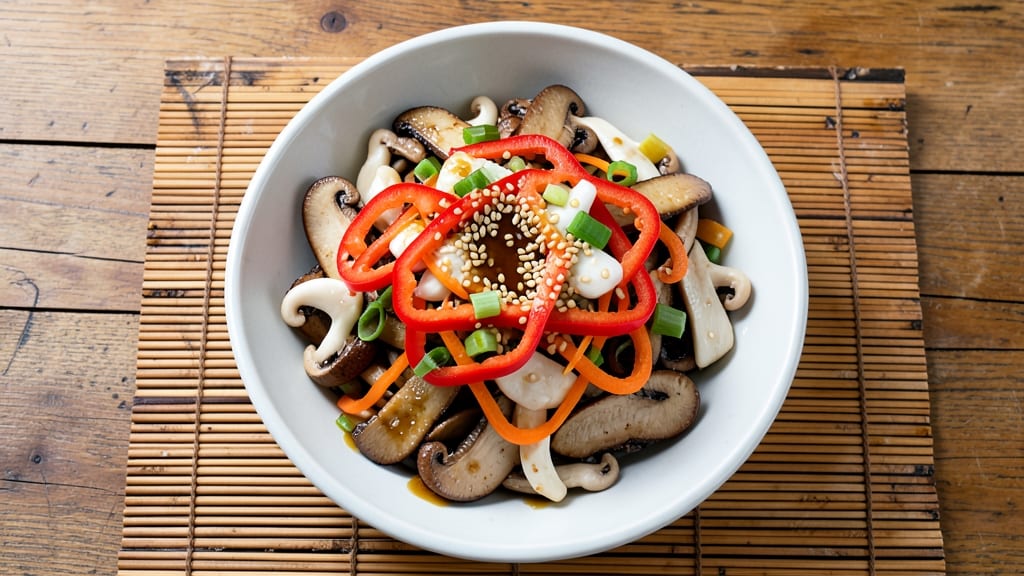
This Asian mushroom salad recipe transforms simple ingredients into a vibrant, umami-rich dish that balances earthy mushrooms with bright, aromatic flavors.
The secret lies in properly preparing the mushrooms—sautéing them until tender yet still holding their satisfying crunch—then tossing them with a sesame-ginger dressing that delivers a perfect harmony of sweet, spicy, and nutty notes.
I developed this recipe after years of experimenting with Asian-inspired salads, and it consistently delivers restaurant-quality results at home.
The foundation of this salad is a simple yet transformative technique: stir-frying the mushrooms in small batches to ensure they develop a golden crust while remaining tender inside. This method preserves their natural texture while enhancing their umami depth.
The dressing, made with toasted sesame oil, fresh ginger, and a touch of honey, adds layers of complexity that elevate the dish beyond a simple side to something truly special.
What makes this salad truly stand out is its versatility—it works equally well as a light lunch, a sophisticated side dish for grilled meats or fish, or even as a hearty vegetarian main course.
The combination of crisp vegetables, chewy mushrooms, and creamy dressing creates a satisfying bite that keeps you reaching for more. The plating is just as important as the flavors, so I’ll share my tips for arranging this dish to look as good as it tastes.
Pair this salad with a crisp white wine like Sauvignon Blanc or a refreshing lychee martini to complement its bright, herbal notes. The recipe serves four, but it’s easy to double for larger gatherings.
Whether you're serving this for a dinner party or simply treating yourself to a flavorful meal, this Asian mushroom salad is sure to impress.
Ingredients for asian mushroom salad
Earthy mushrooms meet bright vegetables in this umami-rich salad, elevated by a sesame-ginger dressing that delivers perfect balance.
| Ingredient | Amount | Notes |
|---|---|---|
| Shiitake Mushrooms 🍄 | 8 oz | Stems removed, sliced thin |
| Oyster Mushrooms 🍄 | 8 oz | Sliced into even strips |
| Red Bell Pepper 🌶️ | 1 whole | Thinly sliced, seeds removed |
| Carrots 🥕 | 2 medium | Julienned into matchsticks |
| Green Onions 🧅 | 4 whole | Thinly sliced, white and green parts |
| Sesame Seeds 🌾 | 2 tbsp | Toasted for garnish |
| Toasted Sesame Oil 🫒 | 2 tbsp | For stir-frying and dressing |
| Fresh Ginger 🧄 | 1 inch | Peeled, finely grated |
| Rice Vinegar 💧 | 3 tbsp | Seasoned variety preferred |
| Honey 🍯 | 1 ½ tbsp | Light amber preferred |
| Soy Sauce 🥢 | 2 tbsp | Low-sodium preferred |
| Sesame Oil 🫒 | 1 ½ tbsp | Regular, not toasted |
| Garlic Cloves 🧄 | 2 cloves | Minced, fresh preferred |
| Vegetable Oil 🫒 | 1 tbsp | High smoke point |
| Salt 🧂 | ½ tsp | Diamond Crystal preferred |
The mushrooms are non-negotiable for texture and depth. Shiitake and oyster mushrooms provide the ideal contrast—chewy yet tender. Look for fresh, firm mushrooms with no sliminess at the stems. Whole Foods and Trader Joe's carry excellent pre-sliced varieties, but if you're buying whole, slice them yourself for even cooking. The bell pepper should be bright red and crisp—yellow or orange won't have the same vibrant bite. Carrots are best when freshly julienned just before serving to maintain crispness. For the ginger, young, plump rhizomes yield the most flavorful, fibrous texture.
No sesame oil? Avocado oil at half the amount works in a pinch, though it lacks the nutty depth. Substituting maple syrup for honey keeps it vegan, though the flavor profile shifts slightly. The soy sauce can be swapped for tamari for gluten-free, but reduce to 1.5 tbsp to avoid overpowering. For extra crunch, add 1 tbsp toasted peanuts—just be sure to toast them separately to avoid sogginess. The dressing ingredients must be balanced precisely: start with the measurements given, then adjust sweetness with honey or acidity with vinegar to taste. Fresh garlic is essential—pre-minced loses potency quickly.
Mushrooms should be stir-fried in batches of 4 oz to prevent steaming, which turns them rubbery. Store prepped vegetables in airtight containers with paper towels to retain crispness for up to 3 days. The dressing keeps for 5 days in the fridge, though the sesame oil may separate—just whisk before using. For meal prep, store components separately and assemble just before serving to maintain texture. The salad reheats poorly, so plan to serve it fresh for optimal enjoyment. Garnish with toasted sesame seeds right before serving to preserve their crunch.
Why You'll Love This Recipe
- No-Chop Nightmare: I swear, the mushrooms do most of the work here—just slice them thick, sear them in the pan, and let the soy sauce work its magic. The bell pepper and carrots? Toss them in whole if you're lazy (I often do), then shred them after cooking. Five minutes max.
- Umami Bomb: That combo of shiitake and oyster mushrooms? It’s like a flavor explosion in your mouth—earthy, chewy, with just the right amount of funk. Toss in a splash of sesame oil and rice vinegar, and suddenly you’ve got a dish that tastes like it took hours (but didn’t).
- Lunchbox Hero: Between us, this salad keeps perfectly for three days in the fridge—no soggy lettuce here. Pack it in bento boxes for work, toss it in wraps for a quick lunch, or serve it cold at potlucks. Honestly, it’s my go-to for any day I don’t want to think about cooking.
- Pantry Staple: Shiitake and oyster mushrooms are cheap, carrots last forever, and bell peppers are basically free at the grocery store. I make this when I’m broke or when I’m trying to stretch a meal into leftovers for the week. Plus, it’s one of those dishes that gets better the next day—trust me.
Step-by-step instructions for Asian mushroom salad
This method delivers vibrant texture and balanced flavors through precise preparation and timing.
Prepare the Vegetable Components
Begin by slicing the 8 oz shiitake mushrooms and 8 oz oyster mushrooms into even strips. Remove the stems from shiitake first - they're tougher and better suited for broths. Thinly slice the 1 whole red bell pepper, removing seeds and membranes first for cleaner texture. Use a mandoline or sharp knife for even julienne matchsticks from the 2 medium carrots - aim for consistent ¼-inch width for uniform cooking.
Slice the 4 whole green onions into ½-inch pieces, separating white and green parts. The whites will soften more during cooking while the greens retain crunch. Keep all prepared vegetables separate in bowls until ready to use. This organized approach prevents cross-contamination and ensures each component gets proper attention during cooking.
Stir-Fry the Vegetables
Heat 1 tablespoon vegetable oil in a large skillet over medium-high heat until shimmering. Add the mushrooms first - they'll release moisture and need time to develop flavor. Cook for 4-5 minutes until they release their liquid and begin to brown at the edges. Remove mushrooms and set aside.
In the same pan, add the red bell pepper and carrots, cooking for 3-4 minutes until they soften but retain their vibrant color. Add the green onion whites and minced garlic cloves, cooking for 1 minute until fragrant. Return the mushrooms to the pan and toss everything together for 1 minute to combine flavors. Remove from heat and let cool slightly.
Create the Sesame-Ginger Dressing
In a small bowl, whisk together 3 tablespoons rice vinegar, 1.5 tablespoons honey, 2 tablespoons soy sauce, 1.5 tablespoons sesame oil, 2 tablespoons toasted sesame oil, and ½ teaspoon salt. Add the finely grated ginger and mix until fully incorporated. The dressing should be smooth with a slightly thick consistency - if too thin, add 1 teaspoon honey; if too thick, add 1 teaspoon water.
Taste and adjust seasoning - you want a balance of tangy, sweet, and umami flavors. The dressing should coat the back of a spoon but still allow for easy drizzling. This is the flavor foundation that ties all components together, so don't rush this step. Let the dressing sit for 5 minutes to allow flavors to meld.
Assemble and Garnish
Transfer the cooled vegetable mixture to a large serving bowl. Drizzle half of the sesame-ginger dressing over the vegetables and toss gently to coat. The vegetables should be evenly moistened but still retain their individual textures. Divide the salad among 4 serving plates, reserving some vegetables for garnish.
Drizzle remaining dressing over each portion, then sprinkle with 2 tablespoons toasted sesame seeds and remaining green onion greens. The contrast of textures - crisp vegetables, tender mushrooms, and nutty sesame seeds - creates the signature crunch. Serve immediately while the vegetables are still vibrant and the dressing is fresh.
Pro Tips For Making Asian Mushroom Salad
- SEAR MUSHROOMS SEPARATELY: Shiitakes and oysters cook at different speeds—don’t mix them. Slice the shiitakes first, sear them in a hot pan for 3-4 minutes until deeply browned, then set aside. Cook the oysters separately for just 1-2 minutes until tender. This keeps their textures distinct in the salad.
- SLICE CARROTS THINLY: Thin, even slices (about 1/8-inch) guarantee crispness without chewing. Use a mandoline if you’re impatient, but if you’re doing it by hand, angle the knife and slice against the grain. Overly thick pieces turn soggy fast in dressings.
- DRESS AFTER SERVING: Tossing the salad with dressing too soon wilts the mushrooms and softens the bell pepper. Instead, assemble everything dry, then drizzle just before eating. For extra crunch, add a sprinkle of toasted sesame seeds or crushed peanuts right before serving.
- SAVE TIME WITH FROZEN MUSHROOMS: Fresh shiitakes and oysters are great, but frozen work just as well—no need to soak. Pat them dry thoroughly after thawing, then sear them like fresh. The texture difference is minimal, and you skip the hassle of cleaning stems. (Yes, even if you’re a purist.)
Dietary considerations for these flavors
Gluten-Free Adaptations
This salad naturally accommodates gluten-free diets by removing the soy sauce and substituting 2 tbsp tamari instead. Tamari provides the same umami depth without the gluten found in traditional soy sauce.
I also recommend using gluten-free rice vinegar—brands like Annie Chun's or Miyoko's are reliable choices. Always check labels, as some vinegars may contain wheat additives. 🌱
Vegan Modifications
For a fully plant-based version, swap the honey for 1.5 tbsp maple syrup and use Kikkoman Vegan Soy Sauce (gluten-free if needed). The dressing remains rich and flavorful while keeping the dish vegan.
I also suggest adding ½ cup toasted edamame (shelled) for extra protein and texture. These tweaks maintain the salad's signature crunch and umami balance. ✨
Nut-Free Options
Sesame seeds are a key garnish, but if you're avoiding nuts, omit them entirely or substitute with crispy fried shallots (about 1 tbsp) for a similar crunch.
The salad still delivers vibrant flavors without relying on sesame. For extra crunch, try toasted pumpkin seeds (½ cup) instead—they add a different but equally satisfying texture. 🌾
Low-Sodium Adjustments
To reduce sodium, use low-sodium soy sauce (like Kikkoman Low Sodium) and cut the amount to 1 tbsp. Balance the flavor by increasing the honey to 2 tbsp and adding a splash of lemon juice (½ tsp) for brightness.
The salad remains delicious while significantly lowering sodium content—ideal for heart-healthy diets. 💪
Allergen-Friendly Swaps
For mushroom allergies, replace shiitake and oyster mushrooms with 8 oz king oyster mushrooms (less allergenic) or 8 oz enoki mushrooms (delicate and mild). If sesame is a concern, use avocado oil in the dressing and garnish with toasted coconut flakes instead of sesame seeds.
Always test small batches first to ensure safety and flavor compatibility. 🍄
Nutrition facts
Frequently asked questions
Can I use dried mushrooms instead of fresh?
Fresh mushrooms are ideal for this recipe because they hold their texture beautifully when stir-fried. However, you can use dried shiitake mushrooms if needed. Rehydrate them in 1 cup hot water for 20 minutes, then drain and pat completely dry before slicing. The flavor will be more concentrated, so reduce the soy sauce to 1.5 tbsp to balance the umami.
How do I prevent the mushrooms from turning rubbery?
Cook mushrooms in batches over medium-high heat to ensure they develop a golden crust rather than steaming. Never overcrowd the pan—use no more than 4 oz at a time. Stir frequently and remove them when they release their liquid and begin to brown at the edges (4-5 minutes). The key is high heat and quick cooking!
Can I make this salad ahead of time?
Prepare all components separately and store them in airtight containers with paper towels to maintain crispness. Keep the dressing separate until ready to serve. Assemble the salad within 1 hour of serving to preserve the best texture. The mushrooms and vegetables will stay fresh for up to 3 days in the fridge.
What's the best way to reheat leftovers?
This salad doesn't reheat well due to its crisp texture, but you can gently warm the components separately. Reheat the mushrooms and vegetables in a dry skillet over low heat for 2-3 minutes until just warm. Re-toss with fresh dressing and garnishes. For best results, always serve fresh whenever possible.
How can I make this salad spicier?
Add a pinch of red pepper flakes or ½ tsp sriracha to the dressing for immediate heat. For a smoky kick, include ½ tsp gochujang (Korean chili paste) in the dressing. You can also thinly slice ½ jalapeño and toss it with the vegetables before serving. Adjust to taste!