
Side Dishes
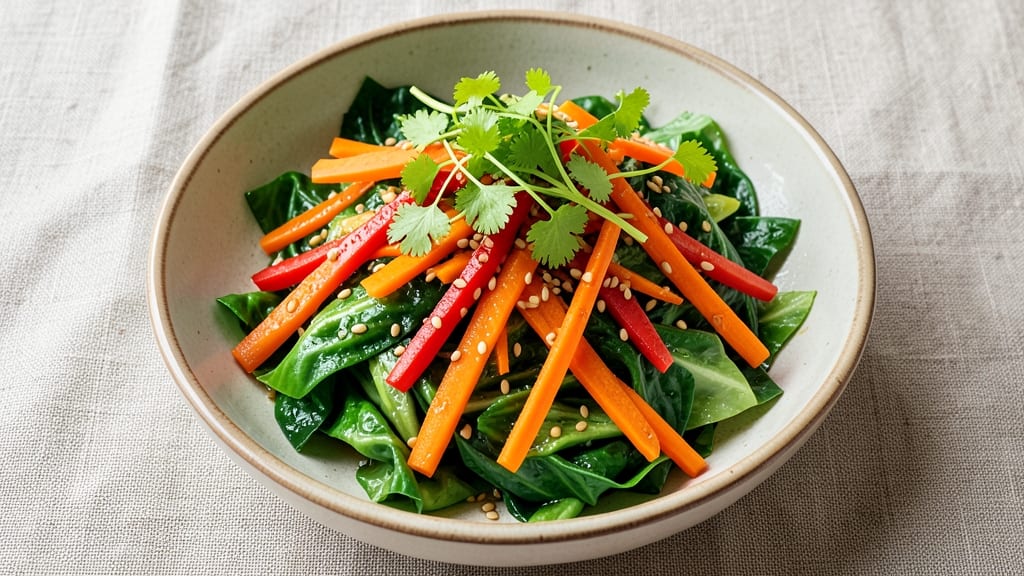
This Asian marinated vegetable salad transforms simple ingredients into a vibrant, umami-rich dish that steals the show at any meal. The secret lies in a balanced marinade—tangy rice vinegar, sweet sesame oil, and a touch of soy sauce—that tenderizes vegetables while preserving their natural crunch.
I developed this recipe after realizing how often store-bought Asian salads fall flat, lacking the depth of homemade flavor and texture contrast.
The salad combines shredded cabbage, julienned carrots, and crisp bell peppers, all marinated for just the right time to soften slightly without losing their structure. A sprinkle of toasted sesame seeds and fresh cilantro adds visual appeal and an extra layer of flavor.
What makes this recipe stand out is how it delivers restaurant-quality umami without any meat or dairy—perfect for vegetarians or anyone craving bold Asian-inspired flavors.
When assembled, the salad delivers a perfect balance of textures—crunchy cabbage, tender carrots, and fresh herbs—all coated in a dressing that’s tangy, slightly sweet, and packed with savory depth. The colors pop against the plate, making it as beautiful as it is delicious.
This isn’t just a side dish; it’s a complete, satisfying meal that comes together in under 20 minutes.
Serve it alongside grilled proteins, in lettuce wraps, or as a standalone dish with steamed rice. The marinade keeps well in the fridge for up to 3 days, so you can prep ahead and enjoy fresh, vibrant flavors whenever you like. Let’s bring this bright, umami-packed salad to your table.
Ingredients for asian marinated vegetable salad
These vibrant ingredients create a restaurant-quality salad bursting with umami and crunch in under 20 minutes.
| Ingredient | Amount | Notes |
|---|---|---|
| Green Cabbage 🧅 | 4 cups | Shredded, outer leaves removed |
| Carrots 🥕 | 2 medium | Julienned, peeled |
| Red Bell Pepper 🌶️ | 1 whole | Thinly sliced, seeds removed |
| Fresh Cilantro 🌿 | ⅓ cup | Stems removed, chopped |
| Toasted Sesame Seeds 🥜 | 1 tbsp | For garnish |
| Rice Vinegar 💧 | ⅓ cup | Unseasoned, light or white |
| Sesame Oil 🫒 | 2 tbsp | Toasted, for flavor |
| Low-Sodium Soy Sauce 🍶 | 2 tbsp | For umami depth |
| Fresh Ginger 🌿 | 1 tbsp | Grated, finely |
| Garlic Cloves 🧄 | 2 cloves | Minced, fresh |
| Honey 🍯 | 1 tbsp | For subtle sweetness |
| Sesame Seeds 🥜 | 1 tbsp | Extra for garnish |
| Salt 🧂 | ½ tsp | Kosher or sea salt |
| Black Pepper 🌶️ | ¼ tsp | Freshly ground |
The cabbage is the star—look for heads with crisp outer leaves at Whole Foods or Trader Joe's for the freshest texture. Carrots should be firm with bright orange color, and the bell pepper? Red or yellow work best—they hold up better than green when marinated. Fresh ginger and garlic are non-negotiable here; pre-minced versions lose their punch. I always grab extra cilantro—half goes in the salad, half gets tossed into stir-fries later. For sesame seeds, toast them in a dry pan for 2 minutes—that nutty aroma makes all the difference.
No rice vinegar? Apple cider vinegar works in a pinch, though it’ll have a slightly different tang. Short on soy sauce? Coconut aminos mimic the umami perfectly. The honey can be swapped for maple syrup if you’re avoiding it. For extra crunch, add thinly sliced jicama or shredded daikon radish. If you’re prepping ahead, marinate the vegetables separately—the cabbage stays crispier longer than the carrots and peppers. And trust me, toasting the sesame oil in a small pan until fragrant (just 30 seconds) elevates the whole dish.
This salad keeps beautifully—store the dressing separately in a sealed jar for up to 5 days in the fridge. The vegetables stay fresh for 3 days if wrapped tightly in damp paper towels. For meal prep, I portion the dressing into small containers and keep the veggies in a separate airtight container. Reassemble right before serving to maintain that perfect crunch. The flavors actually improve after sitting overnight—the vegetables absorb more of the marinade, deepening that umami punch.
Why You'll Love This Recipe
- No-Cook Prep: I swear by this—just shred, toss, and let the marinade work its magic. No chopping board chaos, no boiling veggies, just raw crunch and zero cleanup.
- Umami Bomb: That sesame oil and rice vinegar combo? It’s the secret weapon. The cabbage stays crisp, the carrots get just enough bite, and the cilantro adds freshness that makes you want to eat it straight from the bowl.
- Lunchbox Hero: Honestly, this is my go-to for packed lunches or potlucks. Keeps for days in the fridge, travels well, and still tastes fresh—no sad, wilted greens here.
- Budget Crunch: Cabbage and carrots last forever, and a little sesame seed goes a long way. I make a big batch, use it in wraps, over rice, or as a side, and never waste a scrap.
Step-by-step instructions for Asian marinated vegetable salad
Here's how to assemble this vibrant, umami-rich salad with perfect texture and flavor balance.
Prepare the Vegetables for Maximum Crunch
Start by cutting the 4 cups green cabbage into thin shreds, removing any tough outer leaves first. I like to use a sharp mandoline for even strips, but a sharp knife works too. Next, peel the 2 medium carrots and julienne them into fine matchsticks—this gives you that satisfying crunch. For the red bell pepper, slice it thinly and remove all seeds and membranes before cutting into strips. The key here is uniformity—similar-sized pieces ensure even marination.
Place all prepared vegetables in a large mixing bowl. Give them a gentle toss with your hands to distribute them evenly. This step is crucial because it prevents some ingredients from getting over-marinated while others stay dry. I always add a pinch of the 0.5 tsp salt at this stage to begin drawing out excess moisture, which helps the dressing cling better later.
Create the Umami-Packed Dressing
In a small bowl, whisk together the 0.33 cup rice vinegar, 2 tbsp sesame oil, 2 tbsp low-sodium soy sauce, 1 tbsp honey, and 1 tbsp freshly grated ginger. The ginger should be very finely grated—almost like a paste—to dissolve completely. Add the 2 minced garlic cloves and 0.25 tsp black pepper, then stir until fully combined. This dressing is where all the magic happens, balancing sweet, tangy, and savory flavors.
Here's the thing—don't rush this step. Let the dressing sit for 5 minutes before using. This gives the ginger and garlic time to mellow out their sharpness, resulting in a smoother, more complex flavor. The honey will begin to slightly thicken the mixture, which helps it cling to the vegetables perfectly.
Marinate the Vegetables for Perfect Flavor Absorption
Pour the dressing over the vegetables in the mixing bowl and toss gently but thoroughly to coat every piece. I use my hands for this—it's more effective than a spoon. Let the salad marinate at room temperature for at least 15 minutes, but I prefer 20-30 minutes for maximum flavor penetration. This resting period allows the vegetables to soften slightly while absorbing all those delicious flavors.
Don't skip this step, even if it seems like the vegetables are already coated. The longer they marinate, the more the flavors meld together. If you're short on time, you can marinate in the refrigerator for 10 minutes instead, but room temperature gives the best results. The cabbage should start to wilt just slightly, the carrots should soften at the edges, and the pepper should develop a subtle sheen from the dressing.
Finish with Fresh Garnishes
Before serving, stir in the 0.33 cup chopped fresh cilantro and give everything one final toss. The cilantro adds a bright, herby contrast to the rich dressing. Sprinkle with the 1 tbsp toasted sesame seeds and 1 tbsp extra sesame seeds for both visual appeal and nutty crunch. These final garnishes should be added just before serving so they maintain their texture and don't get soggy from the dressing.
Taste and adjust seasoning if needed—you might want to add a splash more rice vinegar for tang or a touch of honey for sweetness. The salad should be bright, slightly sweet, with a satisfying umami depth from the soy sauce and garlic. Serve immediately while the vegetables still have that perfect crunch, and enjoy the beautiful contrast of colors and textures.
Pro Tips For Making Asian Marinated Vegetable Salad
- Shave, Don’t Slice Carrots: Thin, wide shavings (almost like matchsticks) soak up marinade better than chunks and stay crisp longer. I used to cut them into matchsticks, but they’d turn soggy by the end—now I just hold the peeler at a shallow angle and work fast.
- Salt Cabbage First: Toss shredded cabbage with ½ teaspoon salt and let it sit for 5 minutes before draining. This removes excess water so the dressing clings instead of pooling. (Yes, even if you’re impatient—trust the process.)
- Toast Seeds Fresh: Skip store-bought sesame seeds—they’re already stale. Dry-toast your own in a pan over medium-low for 2–3 minutes until golden and fragrant. Overcook them, and they’ll taste bitter.
- Mix Dressing Last: Keep the dressing separate until the last 10 minutes to prevent wilting. Thinly sliced bell peppers and cilantro hold up better when tossed just before serving. (Your future self will thank you.)
Essential equipment for perfect results
Knife Skills Matter
Your salad’s texture starts with proper prep—I can’t stress this enough. A sharp 8-inch chef’s knife (like the Mercer Culinary Genesis) is essential for clean cuts. For the cabbage, aim for ¼-inch strips using the claw-and-chop technique: pinch the cabbage with your non-dominant hand, then rock the knife forward.
The carrots should be julienned into matchsticks—use a mandoline for precision if you’re not confident with freehand. Thinly sliced bell peppers (about ⅛-inch thick) add color and crunch without overpowering the dish. 🌟
Mixing Bowls
Invest in a wide, shallow mixing bowl (I love the OXO Good Grips 12-cup version) to toss the vegetables effectively. The wide surface area lets you distribute the dressing evenly without overcrowding. For marination, a glass bowl (like Pyrex) is ideal—it’s non-reactive and lets you see the colors pop.
Pro tip: Use a wooden spoon for tossing to avoid scratching glass or ceramic bowls.
Measuring Tools
Precision matters in the dressing. A stainless steel measuring cup (like Farberware) ensures accurate rice vinegar and sesame oil measurements. For the ginger and garlic, a microplane (not a grater) gives you the finest texture—Minc brand is my go-to.
A small whisk (I use Norpro) blends the dressing smoothly. Don’t skip the 5-minute rest for the dressing—it lets flavors meld, and that’s where the magic happens. ✨
Garnish Essentials
Toasted sesame seeds need a small dry skillet (I use Made In nonstick) to heat them until fragrant. A fine-mesh strainer (like OXO) catches any stray seeds when rinsing cilantro.
For plating, a slotted spoon helps place garnishes neatly without crushing them. I also keep a small bowl of ice water nearby to refresh herbs if they wilt during prep.
Optional Upgrades
For extra crunch, a mandoline (like Benedict) speeds up julienning carrots and peppers. A garlic press (I prefer OXO) saves time on mincing, though fresh minced garlic still tastes better.
If you love texture contrasts, a small food processor can quickly shred cabbage—but hand-chopping gives you better control. For presentation, a wide, shallow platter (like Le Creuset) elevates the dish visually.
Nutrition facts
Frequently asked questions
Can I use this salad as a main dish instead of a side?
This salad is hearty enough to stand alone, especially when paired with steamed rice or quinoa to add more staying power. For extra protein, top it with toasted cashews or crumbled tempeh—both add crunch and substance. The umami dressing and varied textures make it satisfying on its own.
How do I keep the cabbage extra crispy?
For maximum crunch, pat the cabbage dry with paper towels before marination—this removes excess moisture that makes it soggy. Also, marinate the cabbage separately for just 10 minutes (instead of 20-30), then toss it with the other veggies right before serving. Add the cabbage last to preserve its snap.
What if I don’t have rice vinegar?
No problem! Substitute with apple cider vinegar or white wine vinegar—both work well, though the flavor will be slightly different. For a sweeter balance, add ½ tsp more honey to compensate. The salad will still taste delicious, just with a slightly sharper tang.
Can I make this salad ahead of time?
Yes, but with a few key adjustments. Store the marinade separately in an airtight container for up to 5 days. Keep the vegetables wrapped in damp paper towels in a sealed container for 3 days max. When ready to serve, toss everything together and let it sit for 10 minutes to reabsorb the flavors. For best texture, add fresh cilantro and sesame seeds just before serving.
Why does my dressing taste too strong?
This usually happens when the ginger or garlic isn’t finely grated/minced enough. For smoother flavor, rest the dressing for 10 minutes before using—this mellows out the raw taste. If it’s still too bold, dilute with 1 tbsp more rice vinegar or a splash of water. Taste as you go to adjust!