
Salads
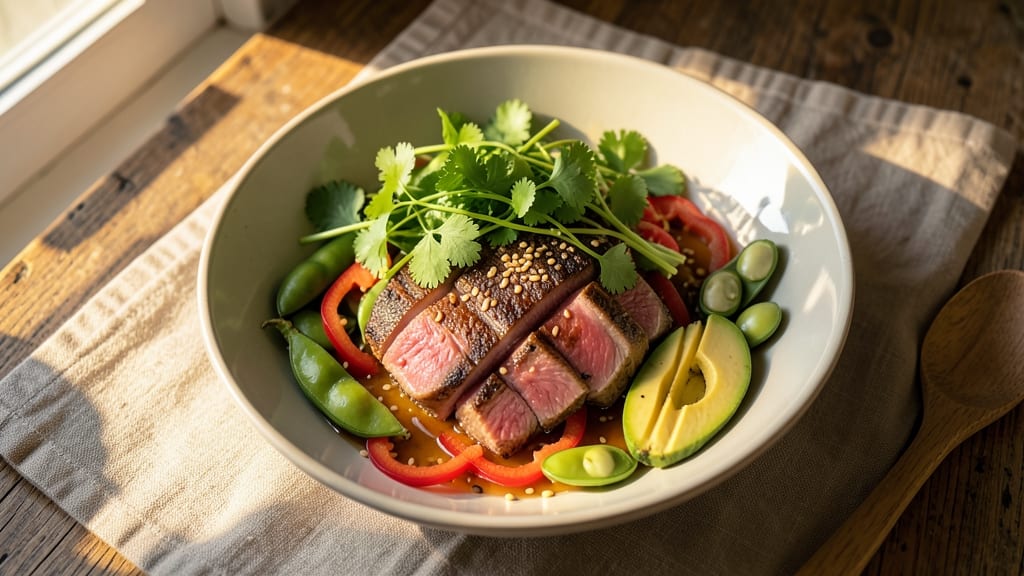
This Asian ahi tuna salad recipe delivers restaurant-quality flavors in just 15 minutes, combining smoky sesame, bright citrus, and crisp cilantro for a dish that's as elegant as it is quick.
The secret lies in properly searing the tuna to maintain its delicate texture while infusing it with umami-rich flavors through a simple marinade of soy, ginger, and sesame oil.
What sets this salad apart is the balance of textures—tender slices of ahi tuna, crisp greens, crunchy toppings like sesame seeds and edamame, and a tangy dressing that ties everything together.
This isn't just another salad; it's a flavor-packed, protein-rich meal that feels special enough for guests but simple enough for weeknight dinners.
The result is a vibrant, visually stunning dish with layers of flavor in every bite: the smoky-sweet tuna, the bright acidity of the dressing, and the fresh crunch of cilantro and veggies.
It's the kind of salad that makes you feel like you're dining at a high-end sushi bar, without the fuss or expense.
Perfect for lunches, light dinners, or even as a sophisticated appetizer, this recipe scales easily to serve a crowd. Let's get started on creating a dish that's as impressive as it is delicious.
Ingredients for asian ahi tuna salad
Restaurant-quality ahi tuna salad in 15 minutes starts with these vibrant, umami-packed ingredients.
| Ingredient | Amount | Notes |
|---|---|---|
| Ahi Tuna Steak 🐟 | 1 lb | Sushi-grade, sliced thin |
| Fresh Cilantro 🌿 | ½ cup | Chopped, stems removed |
| Sesame Seeds 🌰 | 2 tbsp | Toasted for extra crunch |
| Edamame 🌱 | ½ cup | Shelled, thawed if frozen |
| Red Bell Pepper 🌶️ | 1 whole | Thinly sliced, seeds removed |
| Avocado 🥑 | 1 whole | Ripe, sliced into strips |
| Lime 🍋 | 2 whole | Juiced, zest reserved |
| Sesame Oil 🫒 | 2 tbsp | Toasted sesame preferred |
| Soy Sauce 🥢 | 2 tbsp | Low-sodium preferred |
| Ginger 🧄 | 1 tbsp | Fresh, grated |
| Honey 🍯 | 1 tbsp | Substitute maple syrup for vegan |
| Garlic Cloves 🧄 | 2 cloves | Minced for marinade |
| Mixed Greens 🥬 | 4 cups | Butter lettuce or spring mix |
| Olive Oil 🫒 | 1 tbsp | For searing tuna |
| Salt 🧂 | 1 tsp | Kosher or sea salt |
The tuna is non-negotiable—sushi-grade is a must for safety and texture. Grab it from the seafood counter, ideally pre-sliced for convenience. If buying a whole steak, ask for it to be cut thinly against the grain. Whole Foods or high-end grocery stores like H-Mart carry excellent options, but check the date—freshness is critical. The sesame seeds should be toasted for that nutty aroma; Trader Joe's sells them pre-toasted, saving you time. For edamame, frozen is fine—just thaw and drain before using. The cilantro? Fresh is essential; dried won't cut it here.
No sesame oil? Avocado oil at half the amount works in a pinch, though it lacks the toasty depth. Substitute maple syrup for honey if needed. The soy sauce can be tamari for gluten-free, but Kikkoman is reliable. Fresh ginger is ideal, but if you're out, ground ginger at one-third the amount is better than nothing. The red bell pepper adds crunch—swap in cucumber if you prefer. For the greens, butter lettuce or spring mix keeps it light, but any leafy green works. Prefer your tuna rare? Sear it just 30 seconds per side—medium-rare is the sweet spot for this dish.
Tuna keeps best in the coldest part of your fridge, wrapped tightly in plastic—use within 1 day for optimal texture. The dressing components (soy, honey, lime) can be prepped ahead and stored for 3 days. Sesame seeds and edamame stay fresh for 1 week in airtight containers. Assemble the salad just before serving to preserve crispness. Leftovers? The tuna will dry out, so this is best enjoyed fresh. If storing, keep components separate until ready to eat.
Why You'll Love This Recipe
- Two-Ingredient Magic: I swear, the tuna and sesame seeds alone make this worth it—but add that crisp cilantro and edamame? It’s like a flavor party where everyone brings their best dish.
- Crunchy Texture Fix: Between the toasted sesame seeds, crunchy edamame, and thinly sliced bell pepper, this salad has layers—not just flavor, but that satisfying bite that makes you take another forkful.
- Lunchbox Hero: Honestly, this keeps perfectly for days in the fridge. Pack it in a jar with the dressing separate, and you’ve got a protein-packed lunch that still tastes like a restaurant meal.
- Budget Protein Power: Ahi tuna might sound fancy, but buying it in bulk (or even frozen) stretches this salad into multiple meals without breaking the bank—especially when paired with affordable edamame and bell peppers.
Step-by-step instructions for Asian ahi tuna salad
Here's how to create a perfectly balanced salad with tender seared tuna and vibrant Asian-inspired flavors.
Prepare the Tuna Marinade and Sear the Fish
In a small bowl, combine the 2 tablespoons soy sauce, 1 tablespoon honey, 1 tablespoon grated ginger, 2 cloves minced garlic cloves, and 1 tablespoon sesame oil. Whisk until fully blended. This marinade will infuse the tuna with smoky, sweet, and umami flavors that pair beautifully with the fresh ingredients.
Slice the 1 lb Ahi Tuna Steak into ¼-inch thick medallions. Place the slices in a shallow dish and pour the marinade over them, ensuring each piece is evenly coated. Let the tuna marinate for 10-15 minutes at room temperature while you prepare the rest of the salad components.
Heat a non-stick skillet over medium-high heat and add 1 tablespoon olive oil. Once the oil is shimmering, add the marinated tuna slices and sear for 1-2 minutes per side until they reach medium-rare (internal temperature of 125-130°F). The edges should be slightly caramelized, and the center should still look slightly pink and moist. Remove the tuna from the pan and set aside on a plate to rest for 5 minutes before slicing.
Toast the Sesame Seeds and Prepare the Edamame
While the tuna sears, toast the 2 tablespoons sesame seeds in a dry skillet over medium heat for 2-3 minutes, stirring constantly, until they turn a rich golden brown and release their nutty aroma. Remove from heat immediately and set aside to cool slightly. This toasting enhances their flavor and adds a delightful crunch to the salad.
Fill a medium bowl with ice water and add the ½ cup shelled edamame. Let them sit for 1-2 minutes to cool slightly, then drain. The chilled edamame will provide a refreshing contrast to the warm tuna and add a protein boost to the salad. Pat them dry gently with a paper towel to remove any excess moisture.
Assemble the Salad Base and Dressing
In a large bowl, combine the 4 cups mixed greens, ½ cup chopped fresh cilantro, ½ cup sliced edamame, 1 whole thinly sliced red bell pepper, and 1 whole sliced avocado. Toss gently to distribute the ingredients evenly. The greens should be coated lightly with the juices from the avocado and bell pepper, creating a vibrant and colorful base.
In a small bowl, whisk together the juice of 2 whole limes and the reserved zest. The bright citrus notes will cut through the richness of the tuna and balance the flavors of the salad. Drizzle this dressing lightly over the salad mixture and toss again to combine. Be careful not to over-toss, as the greens and avocado can become soggy.
Finish and Serve the Salad
Slice the rested tuna into ¼-inch thick strips and arrange them evenly over the salad. Sprinkle the toasted sesame seeds generously over the top for added texture and flavor. The combination of the warm, seared tuna and the cool, crisp salad components creates a perfect balance of temperatures and textures.
Divide the salad into 4 servings and serve immediately. Each bite should deliver a harmonious blend of smoky tuna, fresh greens, creamy avocado, and the bright, zesty dressing. The toasted sesame seeds add a satisfying crunch that contrasts beautifully with the tender tuna and crisp vegetables.
Pro Tips For Making Asian Ahi Tuna Salad
- SEAR THEN CHILL: Hit the ahi tuna with a screaming-hot pan—just 30 seconds per side max—until it’s barely cooked through. The moment it releases from the pan, plunge it into ice water for 10 seconds. This stops the cooking while keeping the center tender. I learned this after serving rubbery tuna to guests and regretting it immediately.
- TOSS EDAMAME DRY: Pat those shelled edamame bone dry with a paper towel before tossing them in the salad. Wet beans steam instead of crisping, and nobody wants soggy edamame in a dish where texture matters. Sounds fussy, but it’s the difference between a fresh bite and a sad one.
- SALT THE TUNA TWICE: Season the ahi tuna before searing with a light coat of soy sauce or salt, then hit it again right after cooking. The first layer gets absorbed while it cooks, and the second locks in flavor. I used to skip this and wondered why my tuna tasted bland—turns out, it’s all in the layers.
- PULSE THE BELL PEPPER: Instead of chopping the red bell pepper into uniform cubes, pulse it 3-4 times in a food processor for uneven, bite-sized pieces. It looks more rustic and distributes flavor better than precise dice. (Yes, even if you’re not a chef—this takes 10 seconds and makes a real difference.)
Dietary considerations for this asian ahi tuna salad
Gluten-Free Adaptations
The original recipe is naturally gluten-free, but if you're using tamari instead of soy sauce, double-check the label to ensure it's certified gluten-free. The Kikkoman tamari I recommend is a safe bet—just 2 tablespoons replaces the soy sauce perfectly.
For extra caution, toast your sesame seeds in a dedicated pan to avoid cross-contamination with gluten-containing foods. 🌱
Low-Carb Options
Skip the avocado if you're tracking carbs—it's delicious but adds 8 grams of carbs per ½ cup. Instead, add ½ cup sliced cucumber for hydration and crunch. The edamame and greens keep this salad under 10 grams net carbs per serving without the avocado.
For a creamy alternative, dollop with ¼ cup whipped coconut cream instead.
Dairy-Free Considerations
This salad is already dairy-free, but if you're adding toppings like cheese, opt for vegan feta or cashew cream. The avocado and edamame provide enough creaminess on their own.
Just be mindful of pre-made dressings—some contain hidden dairy. My go-to is a simple lime-citrus dressing with 1 tablespoon olive oil and a pinch of salt.
Allergen-Friendly Swaps
For nut allergies, skip sesame seeds and use toasted pumpkin seeds instead—they add a similar crunch. If sesame oil is an issue, substitute with avocado oil in the marinade.
For shellfish allergies, this recipe is safe, but always verify your tuna is processed in a dedicated facility if you have severe allergies. I source mine from Wild Alaskan Company for peace of mind. 💪
Vegan Substitutions
Replace the ahi tuna with extra-firm tofu marinated in the same soy-ginger-lime mixture, then pan-fried until crispy. For a more plant-based protein, use ½ cup marinated tempeh, sliced thin.
The texture won't be identical, but the flavors still shine. Swap honey for maple syrup and ensure all toppings are vegan-certified.
Protein Boosts
Add ¼ cup crumbled bacon for extra protein and smokiness, or top with ¼ cup shredded rotisserie chicken for a complete meal. For a vegan boost, include ½ cup chickpeas, roasted with 1 teaspoon smoked paprika.
The edamame already provides 10 grams protein per serving, so these additions make it a hearty dish for any dietary need.
Nutrition facts
Frequently asked questions
Can I use canned tuna instead of fresh ahi tuna?
Fresh ahi tuna is ideal for this recipe because of its delicate texture and rich flavor. Canned tuna lacks that freshness and often contains additives that change the taste. If you must use canned, opt for high-quality ahi tuna in water (not oil) and drain it thoroughly. However, the texture and flavor won't be the same as fresh seared ahi.
How do I know when the tuna is cooked to medium-rare?
For perfect medium-rare tuna, sear for 1-2 minutes per side until the edges are slightly caramelized but the center remains pink and slightly translucent. Use a meat thermometer for precision—125-130°F is the ideal internal temperature. Overcooking will make the tuna tough and dry.
Can I make this salad ahead of time?
While you can prep components ahead, assemble the salad just before serving to keep the greens crisp and avocado fresh. Store the seared tuna in the fridge for up to 1 day, the dressing for 3 days, and the toasted sesame seeds for 1 week. Combine everything right before eating to preserve texture and flavor.
What if I don't have sesame seeds?
No problem! Swap sesame seeds for toasted pumpkin seeds or crushed peanuts for a similar crunch. If you're avoiding nuts entirely, try toasted coconut flakes or extra edamame. The key is to add a textural contrast to balance the creamy avocado and tender tuna.
Is this recipe safe for pregnant women?
Only if you use sushi-grade ahi tuna that's been properly handled and stored. Pregnant women should avoid raw fish, but seared tuna (cooked to 125°F internal temperature) is generally safe. Always consult your healthcare provider for personalized advice, and ensure your tuna is fresh and high-quality.