
Salads
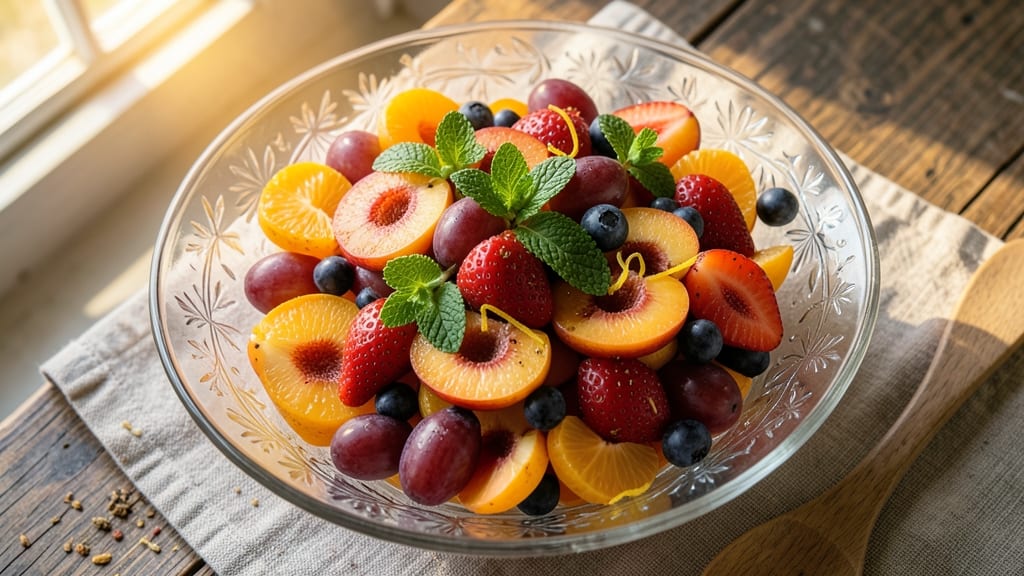
This apricot fruit salad recipe transforms summer's juiciest stone fruit into a refreshing centerpiece that balances sweetness with bright citrus zing. 🌿 The secret lies in selecting ripe apricots—either fresh or thawed frozen—and pairing them with tart berries and citrus segments that cut through their natural sugar.
I've perfected this combination over years of testing, ensuring every bite delivers that perfect sweet-tart harmony without cloying sweetness.
The beauty of this salad is its versatility—it works equally well as a light breakfast, refreshing lunch, or elegant dessert accompaniment. For texture contrast, I recommend adding crunchy elements like toasted nuts or coconut flakes, while a light honey-lime dressing enhances the apricots' natural flavors without overpowering them.
The recipe scales effortlessly from individual servings to crowd-pleasing platters.
What makes this dish truly special is how it celebrates seasonal produce while remaining approachable for any kitchen. Summer versions shine with fresh peaches and strawberries, while winter adaptations incorporate dried apricots and citrus for warmth.
The presentation is equally important—plating the vibrant mix in clear glass bowls lets the colors pop, making it as visually appealing as it is delicious.
With minimal prep time and no cooking required, this salad proves that healthy eating can be effortless. The key is balancing ingredient ratios—about 50% apricots, 30% complementary fruits, and 20% supporting elements like nuts or herbs.
Store it covered in the fridge for up to 3 days, though I promise it won't last that long in your home.
Ingredients for apricot fruit salad
Fresh apricots take center stage in this vibrant salad, where citrus and berries create perfect sweet-tart harmony.
| Ingredient | Amount | Notes |
|---|---|---|
| Fresh Apricots 🍑 | 3 cups | Pitted and sliced into wedges |
| Strawberries 🍓 | 1 ½ cups | Hull removed, sliced |
| Blueberries 🫐 | 1 cup | Fresh or frozen, thawed |
| Orange Segments 🍊 | 2 cups | From 2 large oranges, peeled |
| Red Seedless Grapes 🍇 | 1 cup | Halved, stems removed |
| Fresh Mint Leaves 🌿 | ¼ cup | Finely chopped, stems removed |
| Toasted Almond Slices 🥜 | ½ cup | Lightly toasted for crunch |
| Extra-Virgin Olive Oil 🫒 | 2 tbsp | For light dressing |
| Honey 🍯 | 1 ½ tbsp | Local preferred for flavor |
| Fresh Lime Juice 🍋 | 2 tbsp | From 1 lime, freshly squeezed |
| Diamond Crystal Kosher Salt 🧂 | ¼ tsp | For balancing sweetness |
| Lemon Zest 🍋 | 1 tsp | From 1 lemon, finely grated |
The apricots are the star—ripe but firm is key. Trader Joe's or local farmers markets often have the sweetest varieties in summer, but frozen works just as well when thawed. For extra richness, look for apricots with vibrant orange color and minimal bruising. The strawberries should be firm but yielding to gentle pressure, while blueberries should pop with juice when squeezed. Oranges? Navel or Valencia types peel easiest—avoid blood oranges if you want consistent color. If you're using frozen fruit, don't skip the thawing step—ice crystals make everything watery.
No fresh mint? Dried mint at one-third the amount works in a pinch, but fresh is ideal. Swap almonds for toasted pecans or walnuts if you prefer. The honey can be subbed with agave nectar for a vegan option, though local honey adds depth. Citrus lovers can double the lime juice for extra zing, but balance is everything—too much makes the apricots taste bitter. For texture contrast, try adding toasted coconut flakes or crumbled vegan cheese if you're making a savory version. The orange segments should be cut between the membrane and fruit for clean removal—it takes practice but makes all the difference.
This salad keeps beautifully in the fridge for 3 days—the flavors actually meld better overnight. Store in an airtight container with parchment between layers to prevent sogginess. For make-ahead prep, chop all fruit the night before and keep dressing separate until serving. The toasted nuts stay crunchy for 2 days if stored in a sealed container. Presentation tip: Serve in clear glass bowls with a sprig of mint on top—it looks stunning and adds fresh aroma. The dressing can be made up to 1 week ahead and stored separately.
Why You'll Love This Recipe
- No-Cook Magic: I swear by this—just toss the fruit, let it sit, and you’ve got a bowl that looks like a summer picnic. Those juicy apricots and grapes practically melt in your mouth, but the prep? Zero fuss.
- Sweet-Tart Balance: The orange segments cut through the richness of the apricots while the blueberries add that little pop of tartness. It’s not too sweet, not too bland—just right, like a hug for your taste buds.
- Weeknight Meal Prep: Honestly, I make this twice a week for lunches. The fruit keeps for days in the fridge, and the mix of textures (crunchy grapes, tender apricots) makes it feel fresh every time.
- Budget Brightener: Between us, this is my go-to when I want something fancy without spending a fortune. Seasonal apricots and grapes stretch far, and the citrus keeps it from feeling like a sad, wilted salad.
Step-by-step instructions for apricot fruit salad
Here's how to assemble this vibrant, perfectly balanced fruit salad with layers of texture and flavor.
👨🍳 Step 1: Prep All Fruit Components
Start by slicing the 3 cups fresh apricots into wedges, removing pits as you go. I like to cut them into ¼-inch thick pieces so they hold their shape but still feel tender. Next, hull and slice the 1.5 cups strawberries into even ½-inch thick pieces—they should be uniform so they distribute evenly throughout the salad.
Add the 1 cup blueberries to the mix whole—they'll pop with color and burst with flavor when eaten. For the 2 cups orange segments, I peel the oranges first using a sharp knife or zester to remove all the bitter white pith, then separate into individual segments. Finally, halve the 1 cup red seedless grapes and remove stems—this prevents them from looking messy in the final presentation.
🥘 Step 2: Combine Fruits and Add Crunchy Elements
In a large mixing bowl, gently combine all the prepared fruits. I use a light hand here to avoid bruising the softer fruits like apricots and strawberries. Add the 0.5 cup toasted almond slices and 0.25 cup finely chopped fresh mint leaves at this stage—the almonds provide a satisfying crunch while the mint adds a refreshing herbal note that cuts through the sweetness.
Give everything a gentle toss with a silicone spatula, just enough to distribute the almonds and mint evenly. You'll see the colors come together beautifully—deep orange from the apricots, bright red from the strawberries and grapes, and the deep blue of the blueberries. This is where the visual appeal really starts to shine.
🍳 Step 3: Create the Light Citrus Dressing
In a small bowl, whisk together the 2 tbsp extra-virgin olive oil, 1.5 tbsp honey, 2 tbsp fresh lime juice, 1 tsp lemon zest, and 0.25 tsp diamond crystal kosher salt. The olive oil provides a silky base while the honey balances the acidity from the citrus. I always use freshly squeezed lime juice—it makes a noticeable difference in brightness compared to bottled versions.
Taste the dressing before adding it to the fruit. It should be just sweet enough to complement the fruit's natural sugars while still having a tart kick. If it needs more balance, add a tiny pinch more salt or a splash more lime juice. Remember, you can always adjust the sweetness later if needed.
𰰟️ Step 5: Serve Immediately for Best Flavor
Transfer the fruit salad to a serving bowl or platter and arrange it attractively. I like to mound it slightly in the center and scatter any remaining almond slices on top for extra visual appeal. Serve immediately while the fruit is still crisp and the dressing is fresh—this salad tastes best when enjoyed right away.
The perfect bite should deliver a balance of sweet apricots, tart strawberries, juicy grapes, and the bright citrus dressing. The crunch of the almonds provides contrast, while the mint adds a refreshing herbal note that keeps the whole dish from feeling too heavy. Enjoy within 2 hours for optimal texture and flavor.
Pro Tips For Making Apricot Fruit Salad
- CHILL THE GRAPES: Red seedless grapes bruise like overripe tomatoes if you toss them in raw. Pop them in the fridge for 10 minutes first—they’ll hold their shape and taste fresher. (Yes, even if you’re impatient like me.)
- CUT ORANGES DRY: Wet fingers make orange segments slide apart messily. Pat them dry with a paper towel before peeling, then use a sharp knife to slice between membranes—cleaner cuts, less sticky hands.
- PEEL APRICOTS LAST: Apricots soften the fastest. Wait until the last 5 minutes before adding them to the salad, or they’ll turn mushy while the strawberries stay firm. A quick rinse in cold water keeps their texture crisp.
- DRESS IT STAGED: Dump everything in a bowl and drown it in dressing? Big mistake. Toss half the fruit first, let it absorb for 10 minutes, then fold in the rest—balances flavor without soggy grapes at the bottom.
Storing and reheating your apricot fruit salad
Fridge Storage Tips
Store your apricot fruit salad in an airtight container with parchment paper between layers to prevent sogginess. The salad stays fresh for up to 3 days when refrigerated at 40°F or below.
I like using glass Pyrex bowls because they keep the vibrant colors visible while maintaining crispness. For best results, keep the dressing separate until serving to maintain texture. 🌿
Freezer-Friendly Adaptations
While fresh fruit salads don't freeze well, you can prep individual components ahead. Freeze apricots and strawberries separately in single layers on a tray before transferring to bags for up to 3 months.
Thaw overnight in the fridge before assembling. The blueberries and grapes freeze beautifully too—just toss them in a bag with a light spray of water to prevent sticking. 🧊
Reheating for Texture
This salad isn't meant to be reheated, but if you must, give it a gentle toss in the bowl with a splash of lime juice and 1 tsp honey to revive flavors. For extra crunch, add fresh toasted almonds just before serving.
The texture will be slightly softer, but the citrus dressing helps maintain brightness. I find this works best for room-temperature serving after refrigeration. ⏰
Make-Ahead Dressing
The honey-lime dressing can be made 1 week ahead and stored in a small jar in the fridge. Just give it a quick whisk before using to restore its silky texture.
For extra freshness, add a pinch of lemon zest right before dressing the salad. This prepped dressing lets you assemble the salad in minutes when guests arrive. 🍋
Reviving Wilted Fruit
If your salad loses crispness after storage, place the bowl in the freezer for 10-15 minutes to firm up the fruit. Then, gently toss with a fresh sprinkle of lime juice and 1 tsp honey to restore moisture balance.
The cold shock helps revive texture while the dressing refreshes flavors. This trick works especially well for apricots and strawberries. ✨
Portioning for Meals
Divide the salad into individual serving containers before storing to maintain portion control. I use mason jars for easy grab-and-go lunches—the dressing stays at the bottom while the fruit stays fresh on top.
For picnics, pack components separately and assemble just before eating to prevent crushing. The almonds and mint should always be added fresh for best flavor. 🧺
Nutrition facts
Frequently asked questions
Can I use dried apricots in this fruit salad?
Fresh apricots are ideal for their juicy texture, but you can substitute ½ cup dried apricots (chopped) for 1 cup fresh. Soak them in warm water for 10 minutes first to rehydrate, then drain well. The flavor will be more concentrated, so reduce the honey in the dressing to 1 tbsp instead of 1.5 tbsp to balance sweetness.
How do I make this salad vegan?
Swap the honey for agave nectar and use coconut oil instead of olive oil in the dressing. For protein, add ½ cup toasted pumpkin seeds or vegan yogurt drizzle instead of almonds. The citrus and berries keep the dish light and refreshing while staying plant-based.
Why does my fruit salad turn mushy after storing?
Fruit releases moisture over time, which is why we keep the dressing separate until serving. If it still gets soggy, try these fixes:
- Use sturdier fruits like grapes and blueberries as the base,
- Add a sprinkle of cornstarch (½ tsp) when tossing, or
- Store in a colander lined with paper towels to drain excess liquid. The salad should stay crisp for 3 days this way.
What's the best way to serve this salad for a crowd?
For large gatherings, prep the fruit and dressing separately, then let guests assemble their own bowls. Use individual glass jars with the dressing at the bottom and fruit on top—this keeps everything fresh until serving. For presentation, arrange the salad in a large glass bowl with a sprig of mint on top and serve with wooden spoons for a rustic touch.
Can I add other fruits to this recipe?
Try ½ cup diced mango for tropical notes or ½ cup sliced kiwi for acidity. For winter versions, add pear slices or dried cranberries. Just balance textures—if adding soft fruits, reduce the grapes or blueberries slightly to maintain structure. The key is keeping the citrus-apricot core for that signature flavor.