
Sauces & Condiments
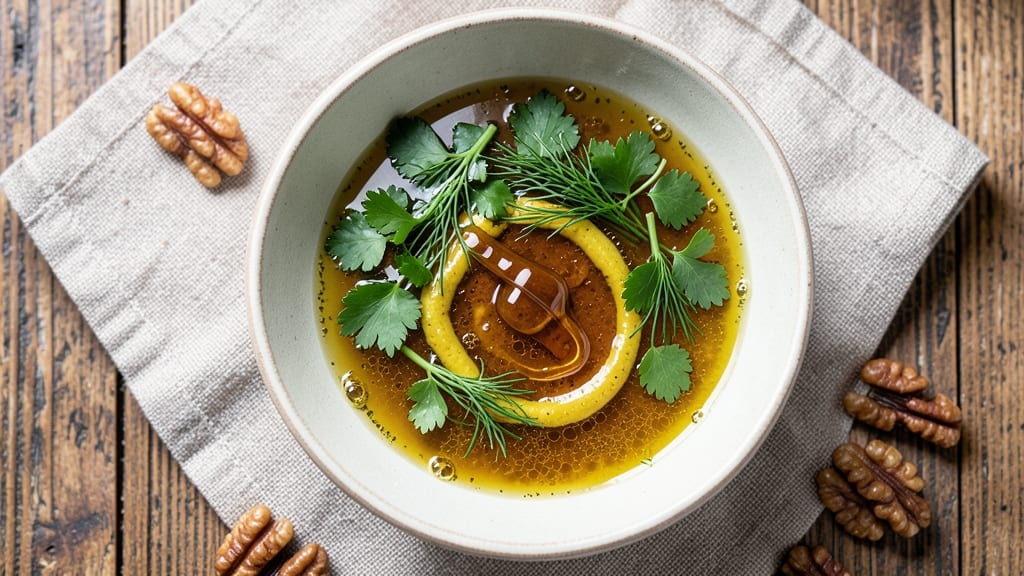
This healthy apple cider vinegar salad dressing recipe delivers a bright, tangy kick that transforms simple greens into a flavor-packed meal. The secret lies in balancing sharp vinegar with healthy fats and fresh herbs, creating a dressing that's both nutritious and irresistibly zesty.
I developed this version after realizing most store-bought options were loaded with sugar and artificial ingredients—this one cuts through those with clean, whole-food ingredients that actually enhance your salad.
The foundation is simple: apple cider vinegar provides that signature tang, while extra-virgin olive oil delivers heart-healthy fats that help your body absorb fat-soluble vitamins from greens. A touch of Dijon mustard adds depth, and fresh herbs like parsley or dill bring freshness without overpowering.
What makes this dressing truly special is its versatility—it works equally well on kale salads, grain bowls, or grilled proteins, making it a pantry staple for any healthy eater.
What you'll end up with is a dressing that's bright, balanced, and boldly flavorful—no artificial aftertaste, no hidden sugars, just pure, vibrant taste. The texture is silky yet light, clinging perfectly to every leaf or grain without weighing it down.
Best of all, it keeps for up to a week in the fridge, so you can make a big batch and enjoy it all week long.
Use this dressing as a base and customize it with optional add-ins like lemon juice for extra brightness, seeds for crunch, or a drizzle of tahini for creaminess.
It's the kind of healthy upgrade that makes salads something you actually look forward to eating. Let's make it—your taste buds will thank you.
Ingredients for apple cider vinegar salad dressing recipe healthy
Bright, tangy, and packed with clean ingredients—this dressing transforms salads into flavorful meals.
| Ingredient | Amount | Notes |
|---|---|---|
| Apple Cider Vinegar 🍏 | ½ cup | Raw, unfiltered preferred |
| Extra-Virgin Olive Oil 🫒 | ½ cup | High quality, fruity |
| Dijon Mustard 🌶️ | 1 tbsp | Mild variety preferred |
| Fresh Parsley Leaves 🌿 | ¼ cup | Chopped finely |
| Fresh Dill Leaves 🌿 | ¼ cup | Chopped finely |
| Honey 🍯 | 1 tbsp | Raw honey preferred |
| Garlic Cloves 🧄 | 1 whole | Peeled, minced fine |
| Sea Salt 🧂 | ½ tsp | Fine grain preferred |
| Black Pepper 🌶️ | ¼ tsp | Freshly ground |
| Lemon Juice 🍋 | 1 tbsp | Freshly squeezed |
The apple cider vinegar is the star—raw, unfiltered has more depth than pasteurized. Bragg or Texas Pete are my go-tos, but any raw variety works. Extra-virgin olive oil matters too—skip the cheap stuff. California Olive Ranch or Colavita are solid choices. Fresh herbs are non-negotiable here; dried just won't cut it. If you're short on time, parsley alone works, but the dill adds that signature brightness. The honey should be raw if possible—it dissolves better and adds subtle floral notes.
No Dijon? Yellow mustard at half the amount works in a pinch. Short on herbs? Fresh cilantro or basil can swap in, but reduce to a quarter cup. Want more tang? Add another tablespoon of vinegar. Need creaminess? A drizzle of tahini (start with 1 tsp) adds richness without overpowering. The garlic can be roasted for a milder flavor—just toss it in the oven at 400°F for 10 minutes before mincing. No lemon? Lime juice works too—just adjust the acidity to taste.
This dressing keeps for up to a week in the fridge, but it actually tastes better after a day or two as flavors meld. Store it in a small jar with a tight lid—shake well before each use. For extra shelf life, add a thin layer of olive oil on top before sealing. Portion into small containers if you're making a big batch—perfect for lunches or meal prep. Freezes for up to 3 months, though texture may separate slightly. Just whisk it back to silky perfection.
Why You'll Love This Recipe
- I swear by this combo: just shake apple cider vinegar, olive oil, and Dijon in a jar. No measuring cups, no straining herbs—just eyeball it and go. That tangy-sweet balance hits different, and honestly? It’s the kind of dressing I make when I’m too tired to think.
- Three-Ingredient Whip: I swear by this combo: just shake apple cider vinegar, olive oil, and Dijon in a jar. No measuring cups, no straining herbs—just eyeball it and go. That tangy-sweet balance hits different, and honestly? It’s the kind of dressing I make when I’m too tired to think.
- Bright & Tangy: The parsley and dill add this fresh, almost herbal punch that cuts through greasy foods like a dream. Between us, that apple cider vinegar gives it a depth—like a little bite of autumn in every bite. It’s the kind of flavor that makes you reach for seconds, even if you’re not hungry.
- Salad Game-Changer: This dressing works on everything—bowls, wraps, even roasted veggies. I use it for my lunch prep on Sundays, and it keeps greens crisp for days. (Yes, even on a Tuesday night when you’re craving something fresh but don’t feel like cooking.)
Step-by-step instructions for apple cider vinegar salad dressing
This dressing comes together in minutes but delivers bold flavor that transforms simple greens into a vibrant, health-focused meal.
Whisk Together the Vinegar and Honey
In a medium bowl, combine the 0.5 cup apple cider vinegar and 1 tablespoon honey. Stir until the honey dissolves completely—you should see a smooth, slightly syrupy liquid with no visible grains. The vinegar's sharp tang will mellow slightly as it incorporates with the honey's sweetness, creating a balanced foundation for the dressing.
Here's the thing—raw honey works best because it retains more enzymes and nutrients. If you're using regular honey, give it a quick pulse in a food processor first to break up any thick clumps. The mixture should coat the back of a spoon lightly, indicating it's ready for the next ingredients.
Add Mustard, Garlic, and Seasonings
To the vinegar-honey mixture, add the 1 tablespoon Dijon mustard, 1 minced garlic clove, 0.5 teaspoon sea salt, and 0.25 teaspoon black pepper. Use a whisk to combine everything until smooth and fully incorporated. The mustard will help emulsify the dressing later, while the garlic adds depth that pairs perfectly with the vinegar's brightness.
I like to press the garlic clove through a fine strainer after mincing to avoid any bitter almond-like flavors from the papery skin. Taste the mixture now—it should be tangy, slightly sweet, and seasoned but not overwhelming. This is your flavor baseline before adding the oils and herbs.
Gradually Incorporate the Olive Oil
With the whisk moving continuously, very slowly drizzle in the 0.5 cup extra-virgin olive oil. Start with just a few drops at first, then gradually increase the stream as the mixture begins to thicken slightly. This slow incorporation prevents the dressing from separating later. The olive oil should emulsify completely, creating a creamy texture that coats the whisk.
Real talk: If the dressing starts to look broken or oily, don't panic. Just whisk vigorously for another 30 seconds—the mustard will eventually bring everything back together. The final texture should be smooth with a velvety consistency, not watery or greasy.
Fold in Fresh Herbs and Lemon Juice
Gently stir in the 0.25 cup chopped fresh parsley leaves and 0.25 cup chopped fresh dill leaves using a rubber spatula. The herbs should be finely chopped to distribute evenly throughout the dressing. Add the 1 tablespoon lemon juice last, giving the mixture one final stir. The lemon juice brightens the flavors and balances the richness of the olive oil.
The herbs should be visible as tiny green flecks throughout the dressing, not clumped together. If you notice any large pieces, pulse them briefly in a food processor before adding. This step is where the dressing gets its fresh, garden-fresh character that makes it so special.
Taste and Adjust for Perfect Balance
Taste the dressing immediately—this is your quality control moment. You should detect all the components: the sharpness of the apple cider vinegar, the sweetness of the honey, the herby freshness, and the savory depth from the garlic and mustard. If it needs more tang, add another ½ teaspoon apple cider vinegar. For more sweetness, add ½ teaspoon honey.
If the dressing is too thick, thin it with 1 teaspoon water at a time until it reaches your desired consistency. For a lighter dressing, add it directly to your salad bowl before tossing. Store any leftovers in an airtight container in the refrigerator for up to 5 days, shaking well before each use.
Pro Tips For Making Apple Cider Vinegar Salad Dressing Recipe Healthy
- Whisk in stages: Start with the mustard and vinegar, then drizzle in the olive oil slowly while whisking—this emulsifies better than dumping everything at once. I used to pour it all in and end up with a split dressing; this method keeps it silky every time.
- Use raw, not cooked herbs: Chop parsley and dill right before mixing—cooked or wilted herbs turn bitter and muddy the dressing. If you’re prepping ahead, store them separately and add them last, even if it means chopping fresh.
- Balance the vinegar: Taste as you go: if the dressing tastes too sharp, add a pinch of honey or maple syrup (½ tsp at a time). I learned this the hard way—raw apple cider vinegar can overpower greens if you’re not careful.
- Store oil separately: Keep the olive oil in a separate jar and mix it in just before using—this prevents the dressing from separating in the fridge. It’s a pain, but it guarantees a smooth texture when you’re ready to eat.
Pro cooking tips for this recipe
Emulsification Secrets
The key to a silky dressing lies in slow oil incorporation. I always use a whisk and add olive oil in a thin, steady stream while whisking continuously.
The Dijon mustard acts as a natural emulsifier, but if your dressing breaks, don't stress—just whisk vigorously for 30 seconds to restore its velvety texture. For extra insurance, I sometimes add 1 teaspoon ground flaxseed to the base before emulsifying—it binds the oil and vinegar even better. 🌡️
Herb Freshness Matters
Fresh herbs make all the difference—dried herbs won't cut it here. I chop parsley and dill finely with kitchen shears for even distribution, but if you're short on time, a mini food processor pulse works perfectly.
For maximum flavor, use herbs within 24 hours of purchase and store them in the fridge wrapped in a damp paper towel. Pro tip: Add herbs last to preserve their vibrant color and aroma in the dressing.
Sweetness Balance
Honey adds natural sweetness, but if you prefer a lower-sugar option, swap it for 1 tablespoon maple syrup or agave nectar. For a tangier profile, reduce honey to ½ tablespoon and add ½ teaspoon apple cider vinegar instead.
Taste as you go—this dressing should be bright, not cloying. I often adjust the ratio based on the salad's other ingredients; heartier greens like kale need more acidity, while delicate arugula benefits from a touch more sweetness.
Storage Hacks
This dressing keeps beautifully in the fridge for up to 5 days in an airtight glass jar. To prevent separation, store it in a smaller container (like a mason jar) so it fills most of the space—this minimizes air exposure.
For longer storage, freeze in ice cube trays and transfer to a bag. Thaw overnight in the fridge and whisk to restore texture. A thin layer of olive oil on top before sealing extends freshness by preventing oxidation. ✨
Flavor Boosters
Want to elevate this dressing further? Add 1 teaspoon toasted sesame seeds for nutty depth or ½ teaspoon smoked paprika for warmth. For a creamy twist, stir in 1 tablespoon tahini or 1 teaspoon Greek yogurt before serving.
I love finishing with a pinch of red pepper flakes for heat or toasted pine nuts for crunch. These add-ins transform the dressing into a restaurant-worthy sauce without complicating the base recipe.
Equipment Essentials
You don’t need fancy tools—just a medium bowl, whisk, and measuring spoons. For precise emulsification, a hand mixer works wonders, but a whisk does the job just fine. I keep a small glass jar (like a Ball mason jar) for storage—it’s easy to shake and reuse.
If you make this often, invest in a fine-mesh strainer to remove any herb stems or garlic skins for a smoother finish. A garlic press also speeds up prep time significantly. 💡
Nutrition facts
Frequently asked questions
Can I make this dressing without honey?
For a lower-sugar option, replace the honey with 1 tablespoon maple syrup or agave nectar. If you prefer no sweetener at all, simply omit it and increase the apple cider vinegar by ½ teaspoon for extra tang. The dressing will still taste balanced—just more vinegar-forward.
How do I prevent the dressing from separating?
Separation happens when oil and vinegar aren't properly emulsified. The key is to whisk continuously while adding the olive oil in a thin, steady stream. If it separates later, just whisk vigorously for 30 seconds—the Dijon mustard will bring it back together. For extra stability, add 1 teaspoon ground flaxseed when mixing the base ingredients. Store it in a small jar to minimize air exposure.
What's the best way to store leftovers?
Keep this dressing in an airtight glass jar in the fridge for up to 5 days. Before using, give it a good shake—it may separate slightly but will re-emulsify when whisked. For longer storage, freeze in ice cube trays, then transfer to a bag. Thaw overnight in the fridge and whisk to restore texture. A thin layer of olive oil on top before sealing helps preserve freshness.
Can I use this dressing on non-salad dishes?
Yes! This versatile dressing works beautifully on grilled chicken, roasted vegetables, or even as a marinade for tofu. It also makes a fantastic dip for crudité or warm pita chips. The tangy-sweet balance pairs well with proteins and hearty veggies. Just adjust the ratio—use slightly less for delicate dishes like fish or more for robust flavors like BBQ ribs.
Why does my dressing taste bitter?
Bitterness usually comes from over-minced garlic or using old herbs. Press garlic through a fine strainer to remove bitter papery skins, and always use fresh herbs within 24 hours of purchase. If the dressing is too bitter, balance it with an extra ½ teaspoon honey or lemon juice. Taste as you go—this dressing should be bright, not bitter.